
Recipe archive
Loading
Setting the table...
Fetching the latest recipes from the archive.
Loading
Fetching the latest recipes from the archive.
Recipe archive
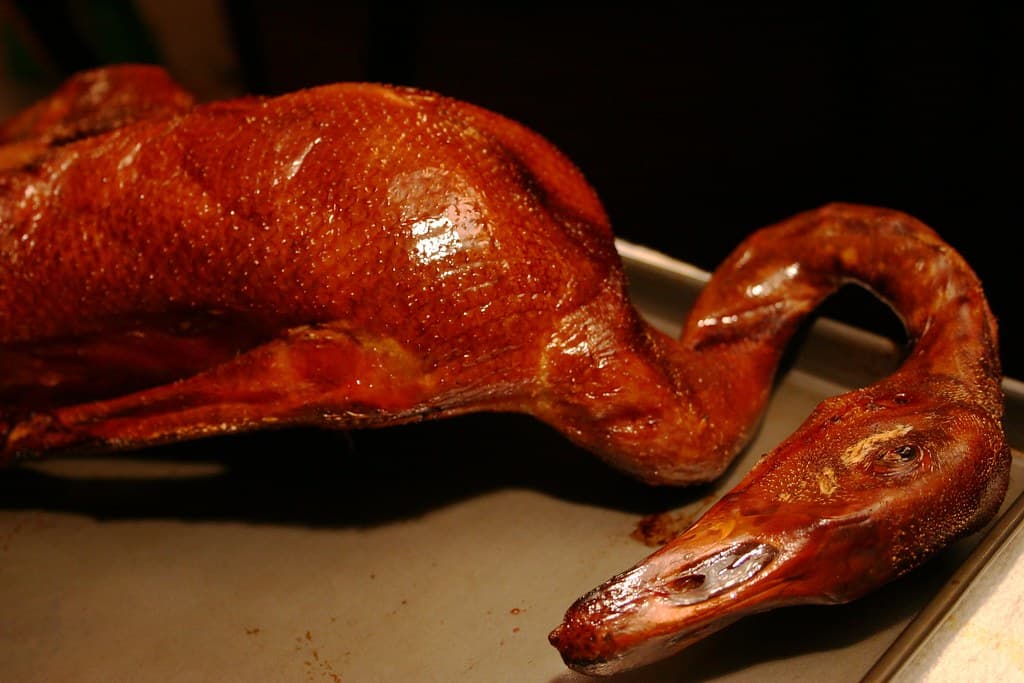
1776-1800 - Early American Holiday Tables and Feasting Communities
Roast Goose is a rich, savory main dish historically served during holidays like Christmas in early America. The bird is seasoned and slowly roasted to render its flavorful fat and crisp skin, embodying celebratory dining from the late 18th century.
Community-powered photos. Reviewers can upload dish photos, and the highest-rated community image may be featured here.
Difficulty
Hard
Prep time
20 minutes
Cook time
2 hours 30 minutes
Total time
2 hours 50 minutes
Servings
6-8
Region
New England and Mid-Atlantic Christmas and harvest kitchens
Era introduced
1776-1800
Introduced by
Early American Holiday Tables and Feasting Communities
Recipe tools
Log in to save this recipe to a collection.
Between 1776 and 1800, roast goose was a festive centerpiece on American tables, especially during Christmas and significant holidays. Goose, a traditional European holiday bird, was adopted by early Americans celebrating the new nation's traditions. This hearty roast showcases the period's reliance on whole birds, slow roasting methods, and rich flavors that signified special occasions. Its preparation reflects early American approaches to meat cooking and festive feasting.
Share family changes, regional twists, or pantry-friendly adaptations as full community recipes.
Log in to submit a community recipe.
No community recipes yet. Submitted recipes are published right away.
Rate this recipe and share how it worked at your table.
Log in to review this recipe.
No reviews yet. Be the first to rate this recipe.
Recipes matched by era, region, occasion, ingredients, and cultural roots from the archive.
Same era
America's Melting Pot
Deviled Egg Filling photo coming soon
1700s-present
Deviled Egg Filling is a spread with real American table personality: Not exactly a sauce, but a condiment-like American picnic food. It brings flavor from coast-to-coast American tables to cookouts, counters, lunch plates, potlucks, and weeknight suppers.
1700s-1800s
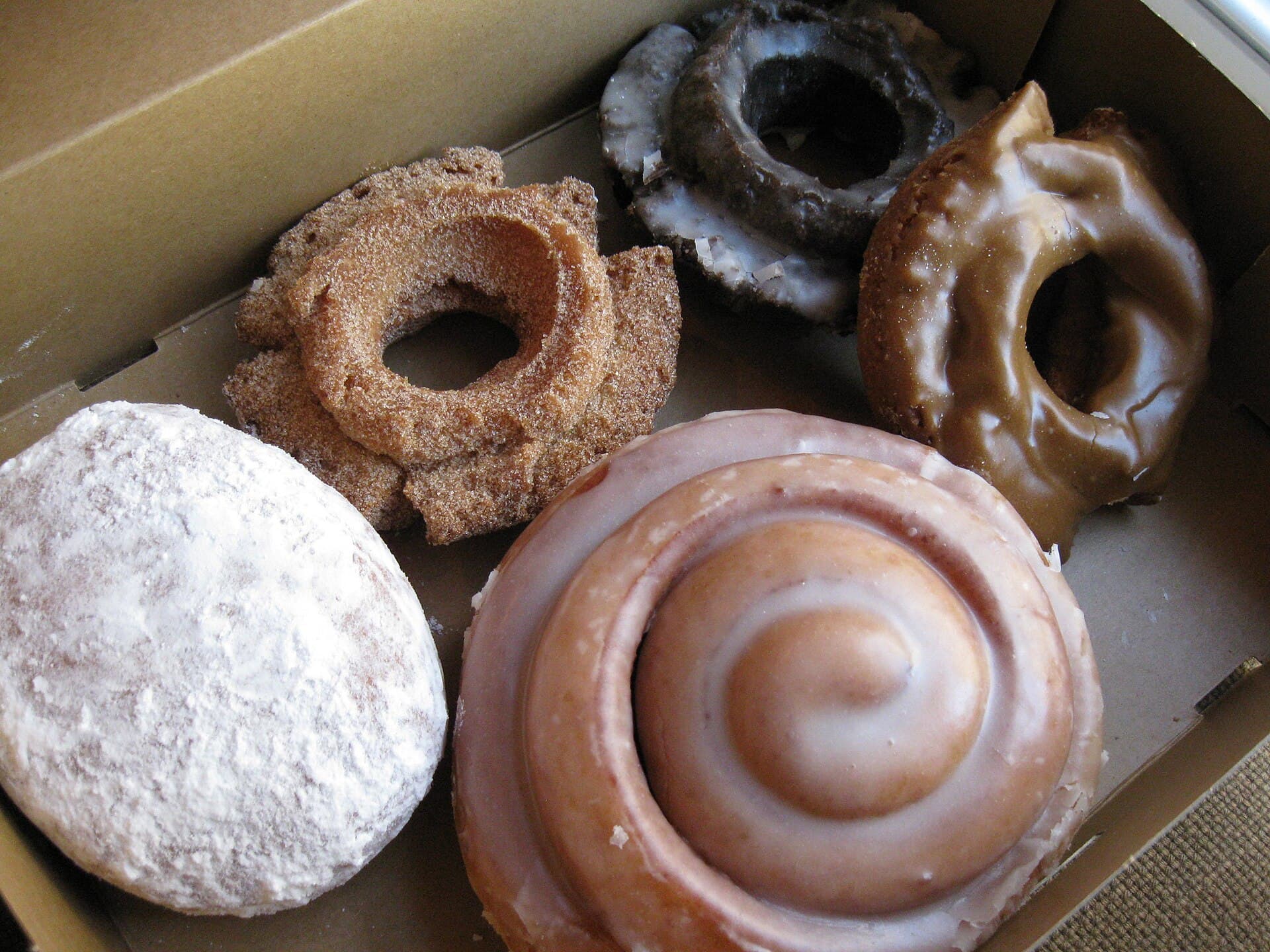
Doughnuts are a beloved American breakfast and snack originating from various immigrant influences, consisting of fried dough rings or balls coated in sugar or glaze. The recipe has evolved over centuries and become a cross-era staple with numerous regional variations.
1700s-present
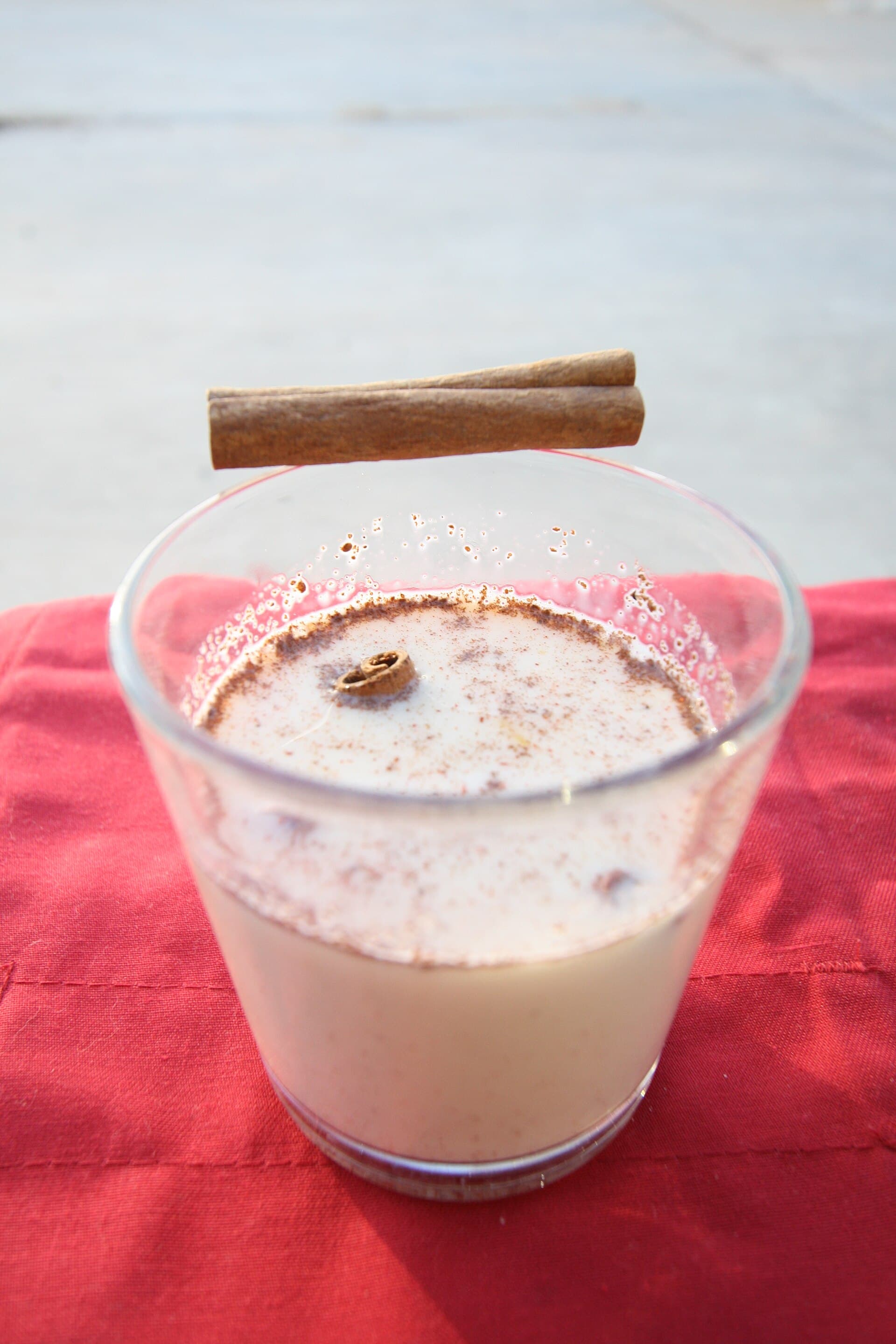
Eggnog is a rich, creamy holiday beverage made from milk or cream, beaten eggs, sugar, and often spiked with spirits such as brandy or rum. Served chilled, it is a festive treat deeply associated with Christmas celebrations across the United States, with colonial roots.
Same region
America's Melting Pot
Pepper Pot Soup photo coming soon
1800-1860
Pepper Pot Soup is a thick, flavorful stew with a peppery kick, traditionally made with beef tripe or other meats, vegetables, and spices. Popular in New England and the Mid-Atlantic during the early 19th century, it reflects immigrant and regional culinary influences.
America's Melting Pot
Acorn Bread photo coming soon
1800-1860
A nutty, lightly sweet quick bread made with properly leached acorn flour, cornmeal, and wheat flour.
1900s-present
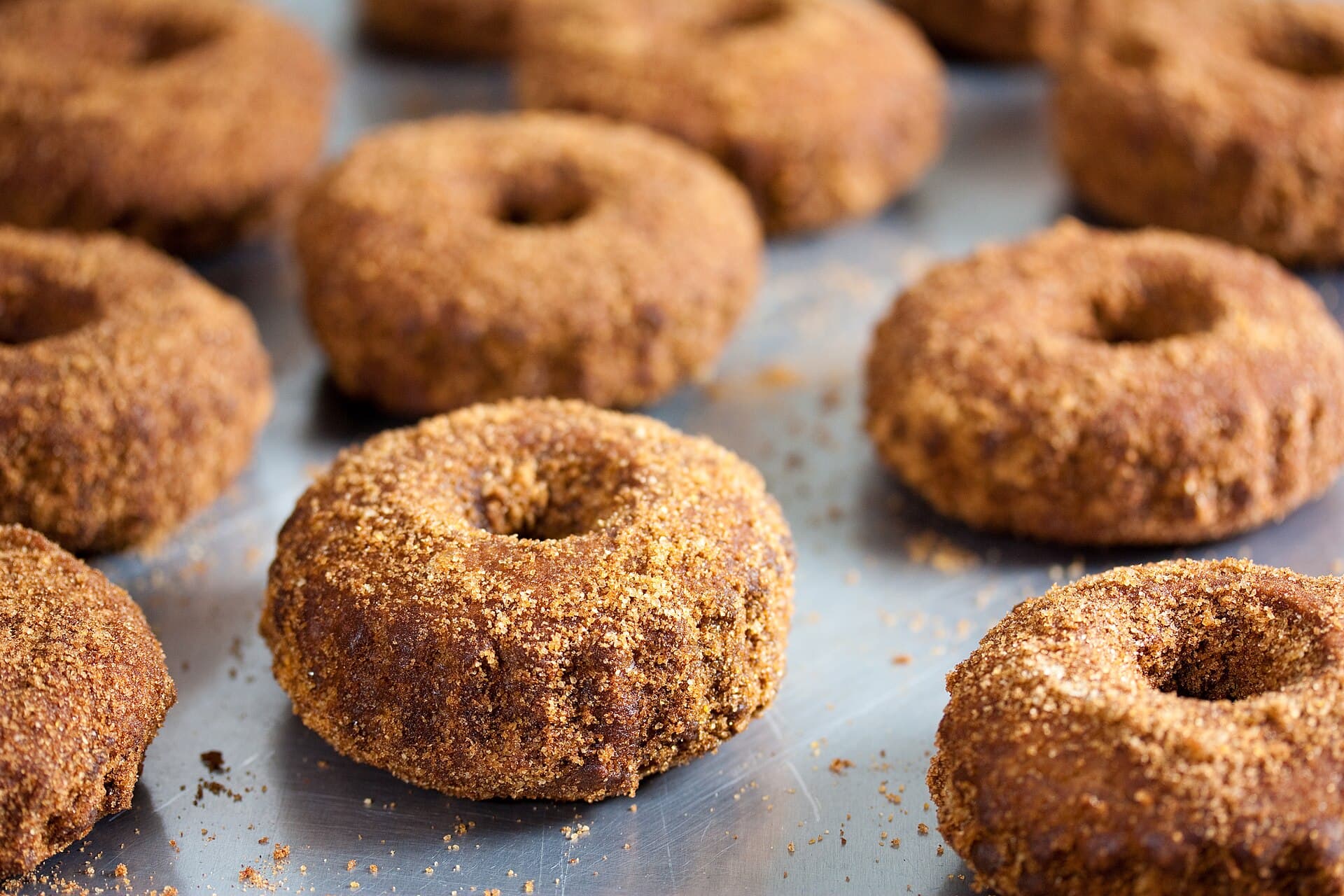
Cake doughnuts flavored with reduced apple cider and rolled in cinnamon sugar.
Same table
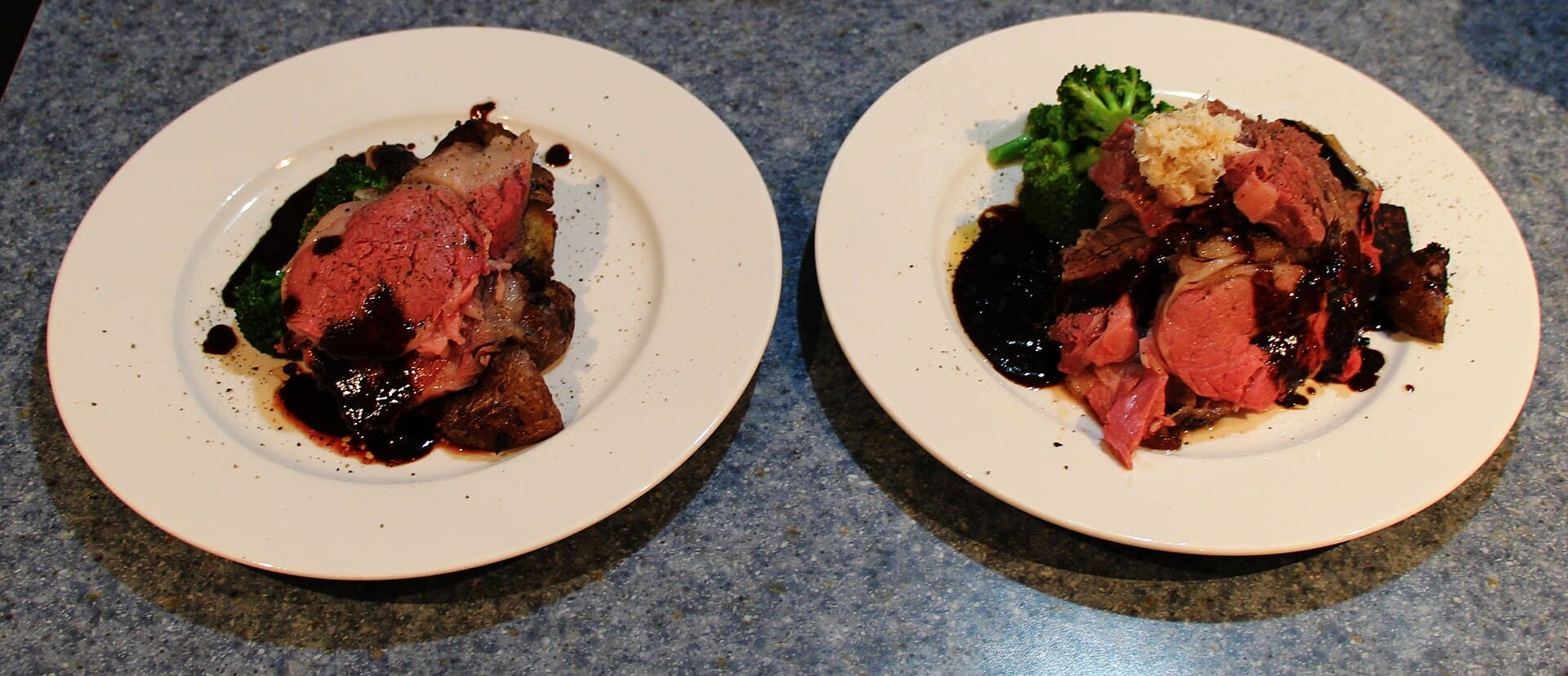
1800s-present
Prime Rib is a festive, slow-roasted beef cut traditionally featured at Christmas dinners and holiday celebrations across the United States. Its rich flavor and tender texture make it a centerpiece for special occasions.
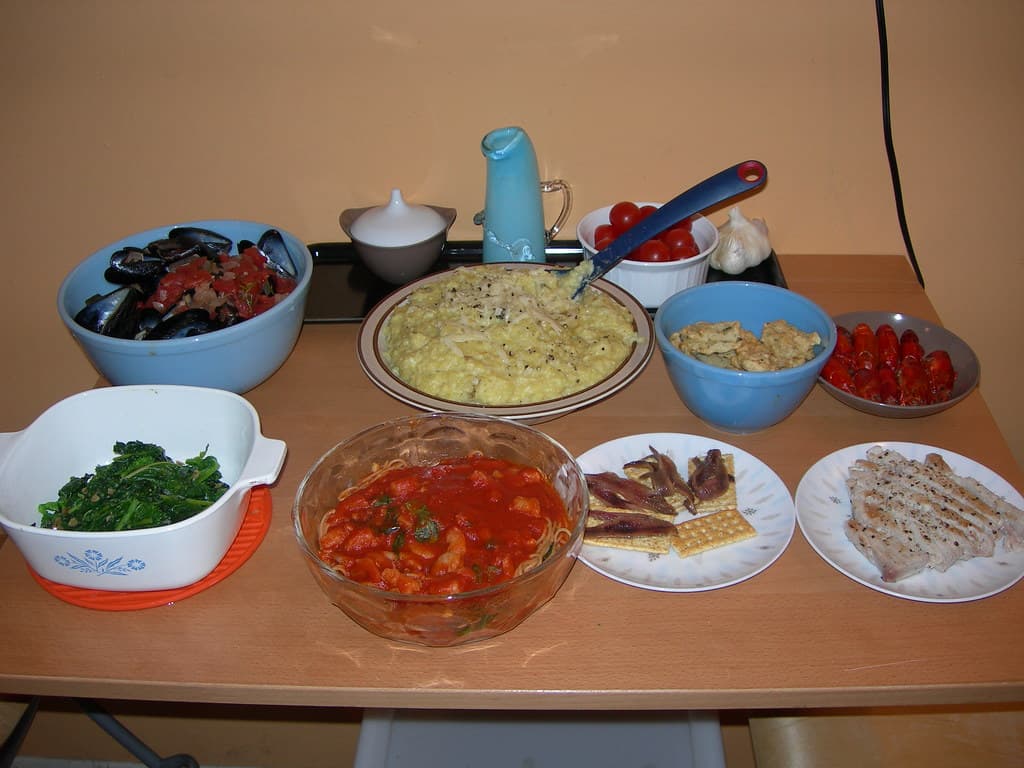
early 1900s-present
The Feast of the Seven Fishes is a traditional Italian-American Christmas Eve celebration featuring seven different seafood dishes. Rooted in Italian Catholic fasting customs, it has evolved into a special communal meal enjoyed throughout the United States across eras as part of holiday traditions.
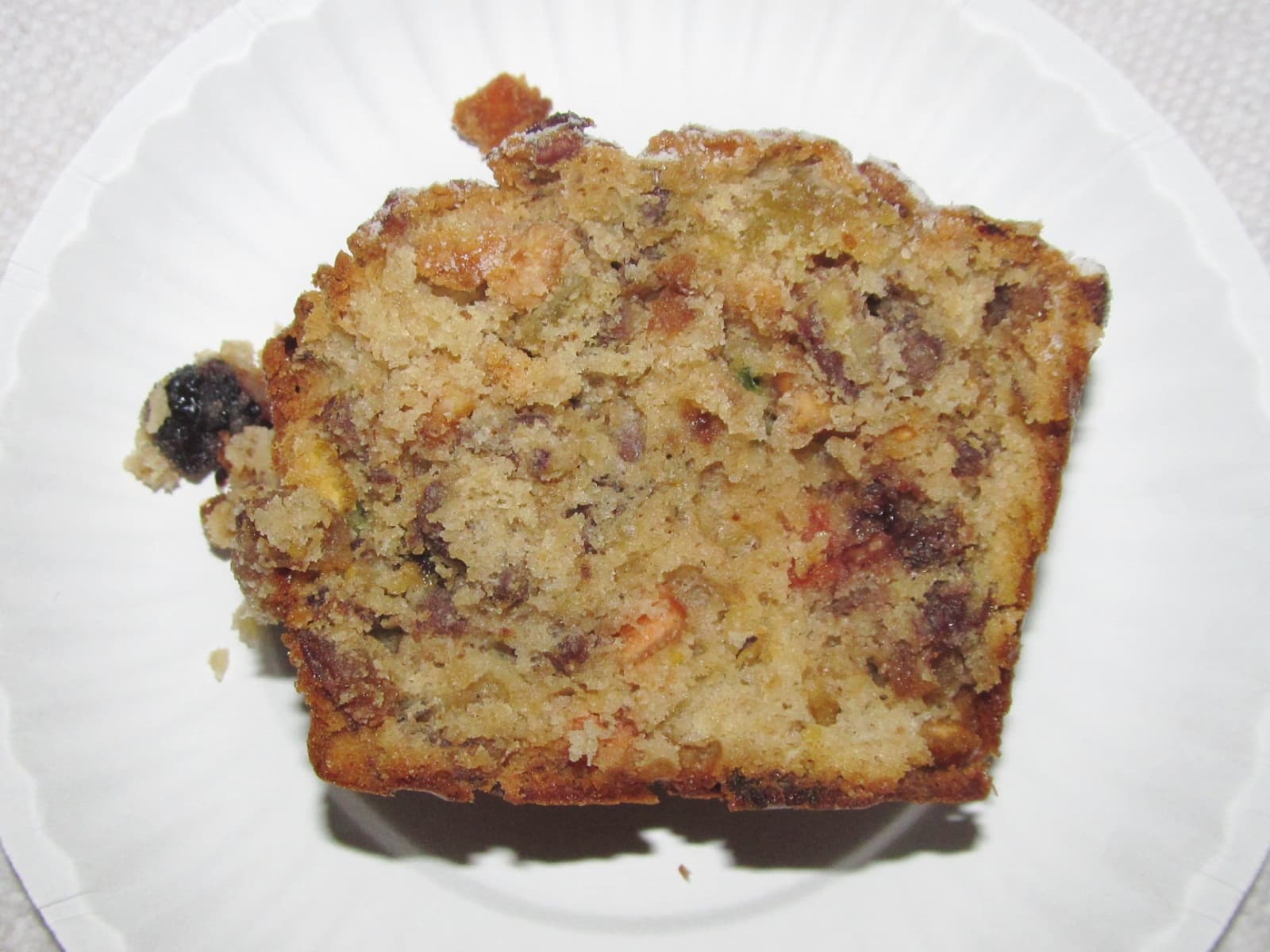
1600s-present
Fruitcake is a rich, dense cake loaded with dried fruits, nuts, and spices, often soaked in alcohol and served during Christmas holidays across America for centuries, rooted in European festive traditions.