
Recipe archive
Loading
Setting the table...
Fetching the latest recipes from the archive.
Loading
Fetching the latest recipes from the archive.
Recipe archive
America's Melting Pot
Roasted Corn hero image coming soon
1946-1969 - American State Fair and Diner Vendors
Roasted Corn is a classic American side dish featuring ears of corn cooked over open flame or oven-roasted until charred and tender. Common at state fairs and diners from the early 20th century, it remains a nostalgic favorite for its sweet, smoky flavor and simplicity.
No featured photo yet. Upload a photo with your review. The highest-rated community photo may become this recipe's hero image.
Difficulty
Easy
Prep time
10 minutes
Cook time
20 minutes
Total time
30 minutes
Servings
4
Region
American campground, backyard grill, state-fair, and outdoor recreation kitchens
Era introduced
1946-1969
Introduced by
American State Fair and Diner Vendors
Recipe tools
Log in to save this recipe to a collection.
Roasted corn gained popularity across American fairs, carnivals, and diners between 1900 and 1929, when it was served fresh off grills or open flames. Sweet corn ears were charred gently to enhance natural sugars and provide smoky notes. The dish became emblematic of casual Americana, evoking outdoor celebrations and quick-service eateries. Its enduring appeal is linked to regional access to fresh corn and a shared culture of communal food enjoyment at public events.
Share family changes, regional twists, or pantry-friendly adaptations as full community recipes.
Log in to submit a community recipe.
No community recipes yet. Submitted recipes are published right away.
Rate this recipe and share how it worked at your table.
Log in to review this recipe.
No reviews yet. Be the first to rate this recipe.
Recipes matched by era, region, occasion, ingredients, and cultural roots from the archive.
Same era
America's Melting Pot
Bacon-Wrapped Water Chestnuts photo coming soon
1946-1969
Crunchy water chestnuts wrapped in bacon, baked until crisp, and glazed with a brown sugar, soy, ketchup, and Worcestershire sauce.
America's Melting Pot
Burger Sauce photo coming soon
1948-present
Burger Sauce is a sandwich sauce with real American table personality: Generic American mayo-ketchup-pickle-mustard sauce. It brings flavor from coast-to-coast American tables to cookouts, counters, lunch plates, potlucks, and weeknight suppers.
America's Melting Pot
Chicken Spaghetti photo coming soon
1946-1969
Chicken Spaghetti is a creamy, comforting casserole that became popular in the Midwest during America's postwar prosperity era. Combining cooked chicken, spaghetti noodles, a cheesy sauce, and often vegetables like bell peppers or mushrooms, this dish embodies the freezer-ready casseroles prized in suburban households. With its melding of convenience and homestyle flavor, it reflects the era's suburban family cooking trends.
Same region
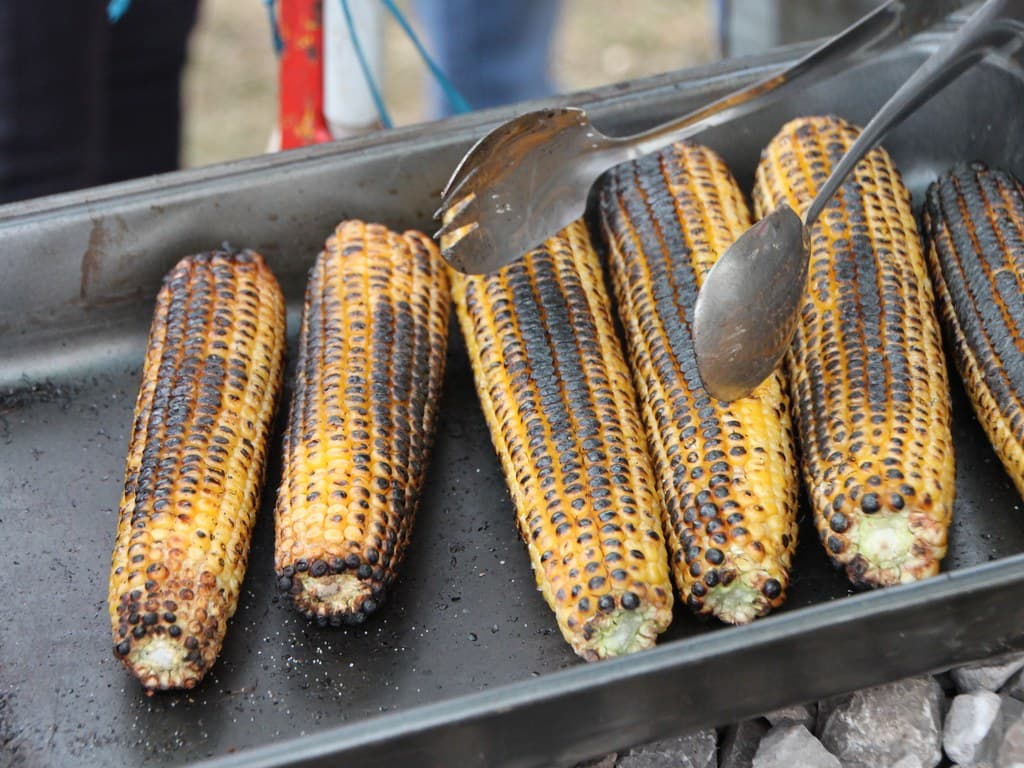
1900s-present
Grilled Corn gained popularity in American suburbs and backyards during the postwar period, representing easy and affordable patio food. Often served as a summer barbecue staple, corn is grilled in the husk or directly on the grill for smoky flavor and tender texture.
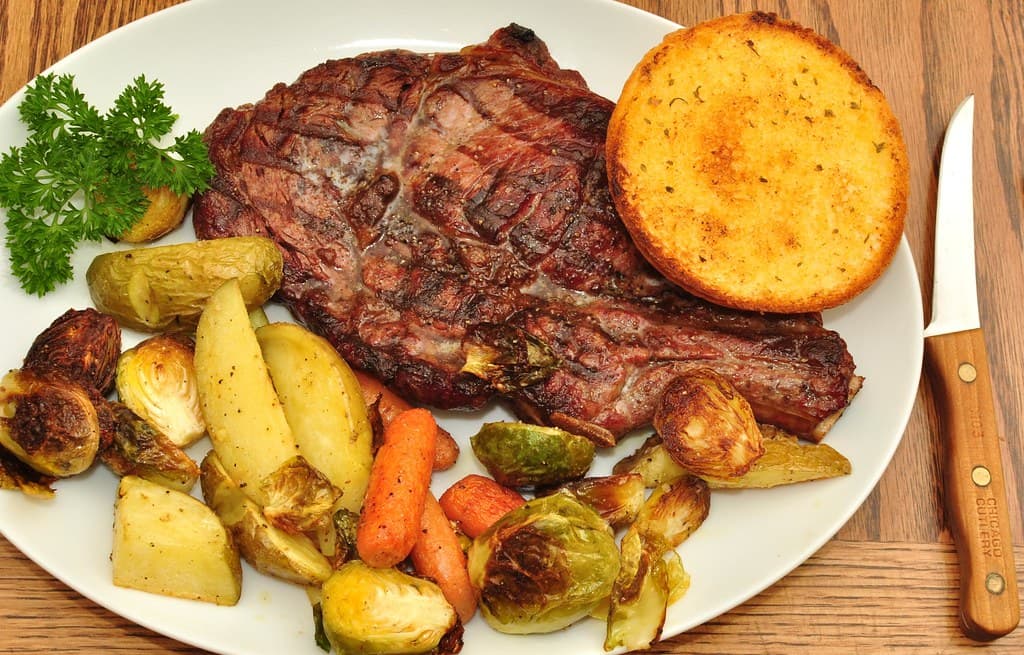
1900s-present
Grilled steak has been a centerpiece of American backyard barbecues since the postwar suburban boom. Typically prepared with simple seasoning and cooked over charcoal or gas grills, it represents a traditional approach to meat preparation for outdoor hospitality and family gatherings.
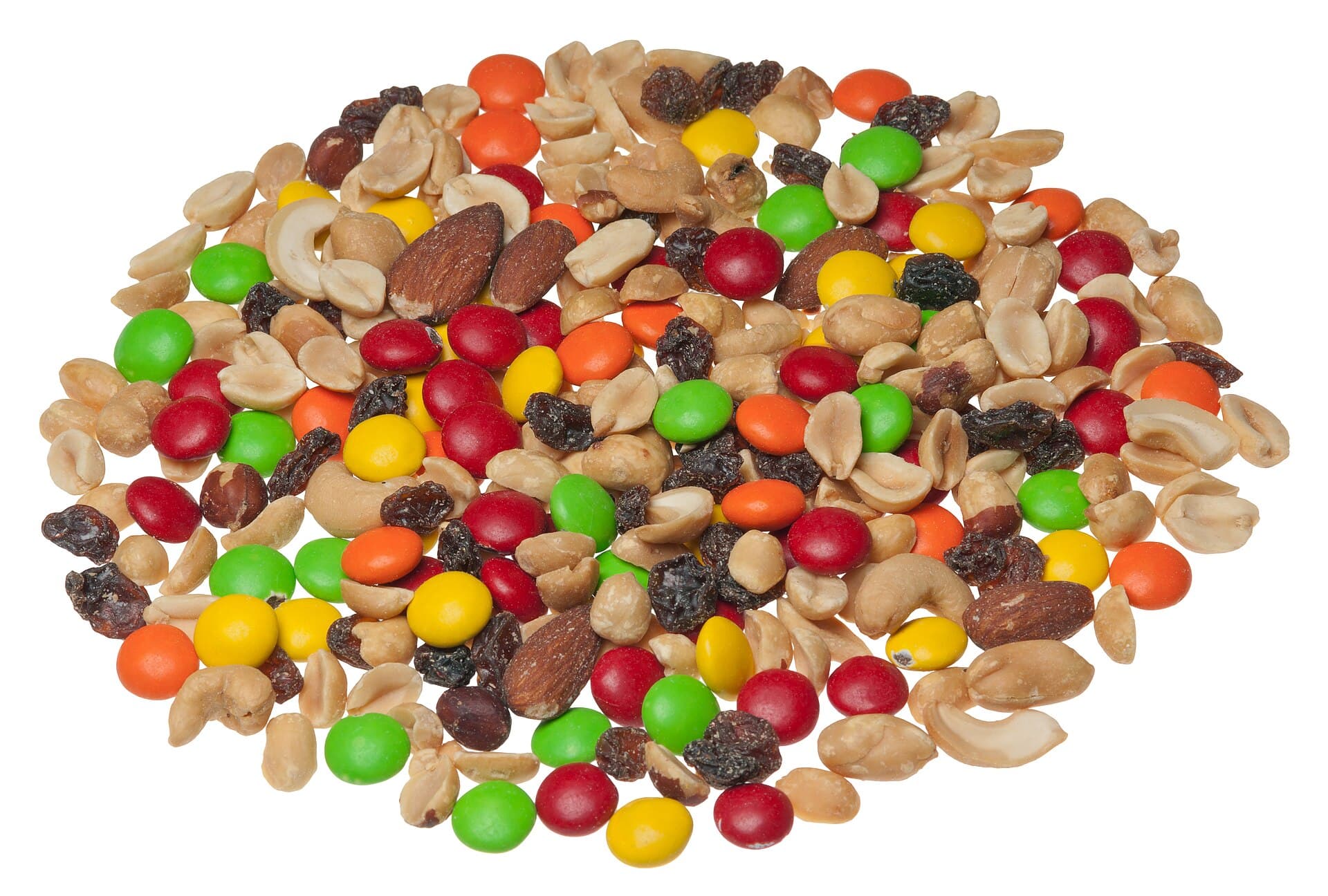
1900s-present
Trail Mix is a portable blend of nuts, dried fruit, and sometimes chocolate or cereal, designed as a nutritious snack for outdoor activities and casual eating. Popularized in the 1990s along with health food trends and active lifestyles, it represents the convenience and wholesomeness valued in modern American snacking.
Same table
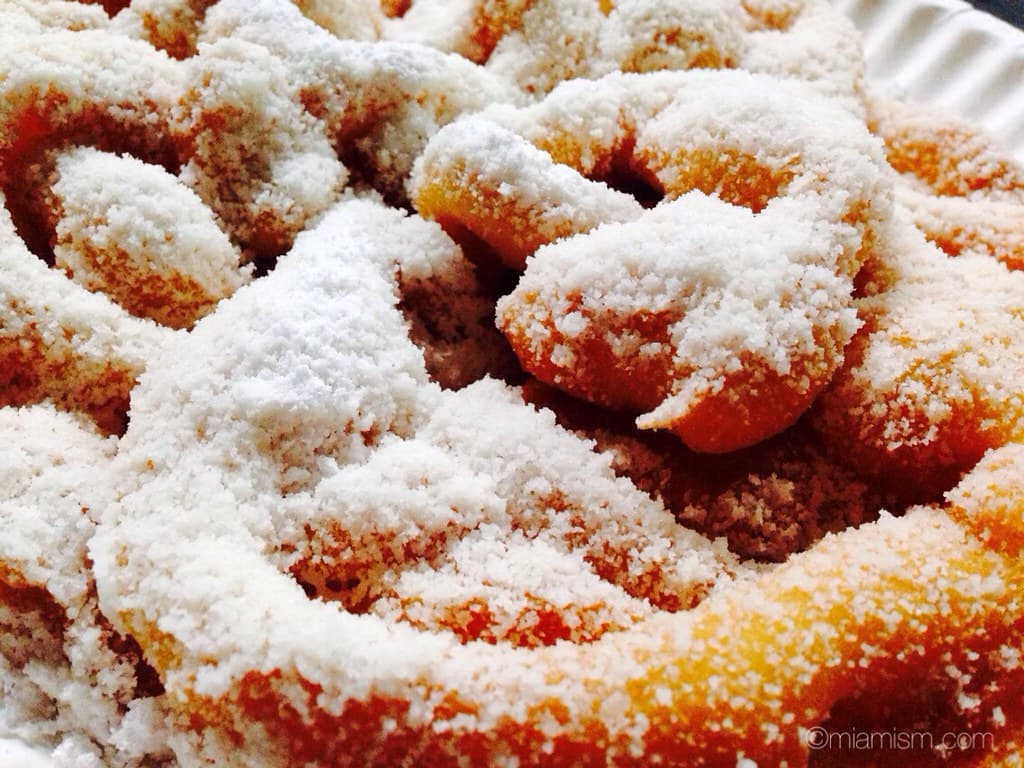
1900-1929
Funnel cake is a popular festival and carnival dessert consisting of a lacy, deep-fried batter drizzled in a circular pattern and dusted with powdered sugar. Introduced by European immigrants and popularized in American state fairs and carnivals in the early 20th century, it remains a nostalgic treat associated with outdoor celebrations.
1900s-present
Grilled Corn gained popularity in American suburbs and backyards during the postwar period, representing easy and affordable patio food. Often served as a summer barbecue staple, corn is grilled in the husk or directly on the grill for smoky flavor and tender texture.
America's Melting Pot
Cotton Candy photo coming soon
1897-present
Cotton candy is a spun sugar candy synonymous with American state fairs and carnivals in the early 20th century. Known for its fluffy texture and bright colors, it was a novelty sweet made possible by mechanized candy-spinning machines introduced around 1900.