
Recipe archive
Loading
Setting the table...
Fetching the latest recipes from the archive.
Loading
Fetching the latest recipes from the archive.
Recipe archive
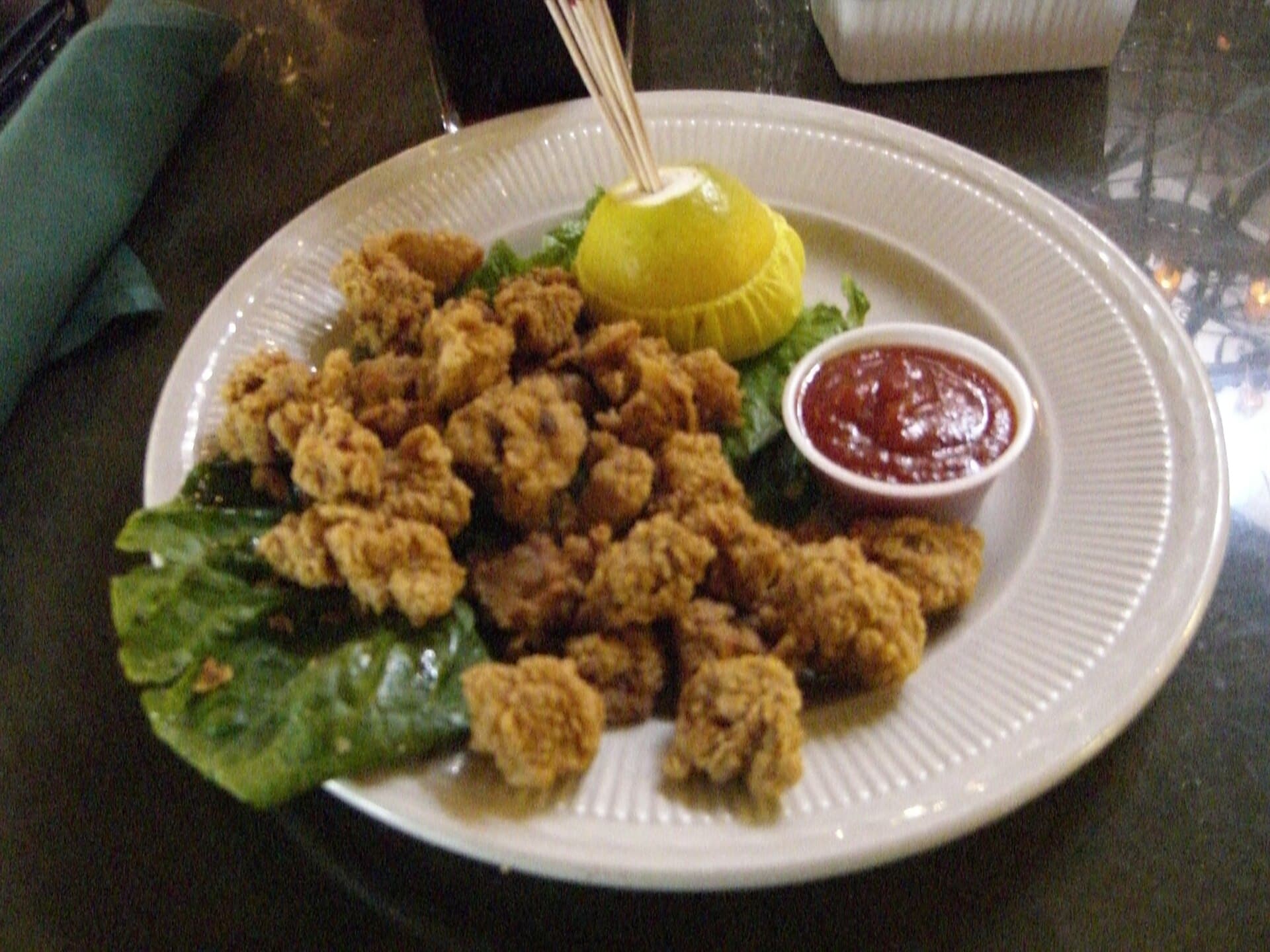
1861-1900 - Western Ranching Communities and Tailgate Food Vendors
Rocky Mountain Oysters are deep-fried bull testicles considered a delicacy and novelty dish in Western and Plains states. Popular from 1970 to 1989 at tailgates and regional festivals, they reflect ranching culture and playful culinary traditions.
Community-powered photos. Reviewers can upload dish photos, and the highest-rated community image may be featured here.
Difficulty
Medium
Prep time
30 minutes
Cook time
15 minutes
Total time
45 minutes
Servings
4
Region
Colorado and Montana cattle-ranch kitchens
Era introduced
1861-1900
Introduced by
Western Ranching Communities and Tailgate Food Vendors
Recipe tools
Log in to save this recipe to a collection.
From the 1970s through the 1980s, Rocky Mountain Oysters solidified their place as a famed staple at tailgate parties and local fairs in Western states. Named humorously, this dish involves peeling and deep-frying bull testicles. It reflects a frontier spirit of using all parts of livestock, regional pride in ranching culture, and an embrace of bold, sometimes eccentric American culinary traditions. Served with spicy dipping sauces, they remain an iconic oddball regional specialty.
Share family changes, regional twists, or pantry-friendly adaptations as full community recipes.
Log in to submit a community recipe.
No community recipes yet. Submitted recipes are published right away.
Rate this recipe and share how it worked at your table.
Log in to review this recipe.
No reviews yet. Be the first to rate this recipe.
Recipes matched by era, region, occasion, ingredients, and cultural roots from the archive.
Same era
America's Melting Pot
Boiled Dressing photo coming soon
1800s-present
Boiled Dressing is a dressing with real American table personality: Old-fashioned American dressing made with eggs, vinegar, sugar, and mustard before bottled mayo took over. It brings flavor from coast-to-coast American tables to cookouts, counters, lunch plates, potlucks, and weeknight suppers.
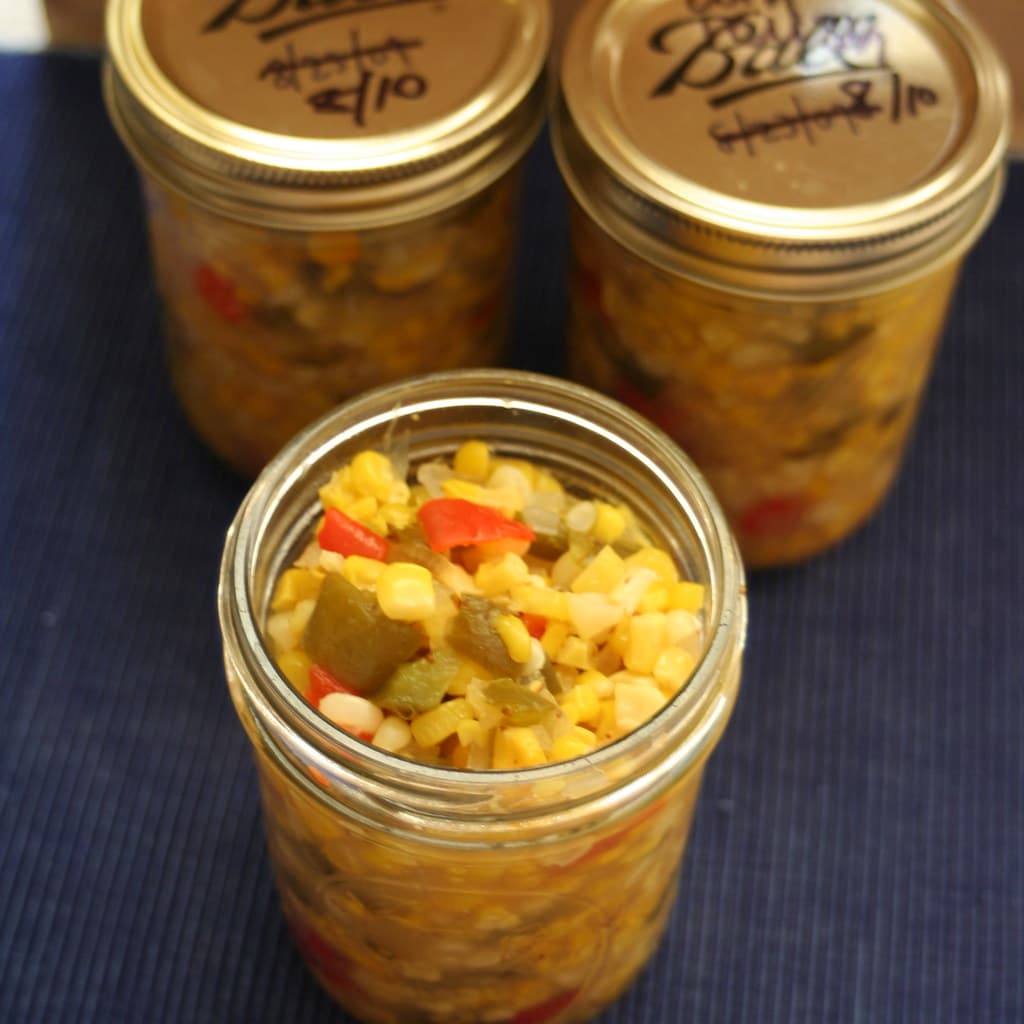
1800s-1950s
Corn Relish is a relish with real American table personality: Farm garden preserving and picnic-table condiment. It brings flavor from coast-to-coast American tables to cookouts, counters, lunch plates, potlucks, and weeknight suppers.
America's Melting Pot
Hash photo coming soon
1800s-present
Hash is a savory dish combining chopped cooked meat, potatoes, onions, and seasoning, originally made to use leftovers efficiently. It was a practical meal served in American railroad camps, mining towns, and boardinghouses during the late 19th century.
Same region
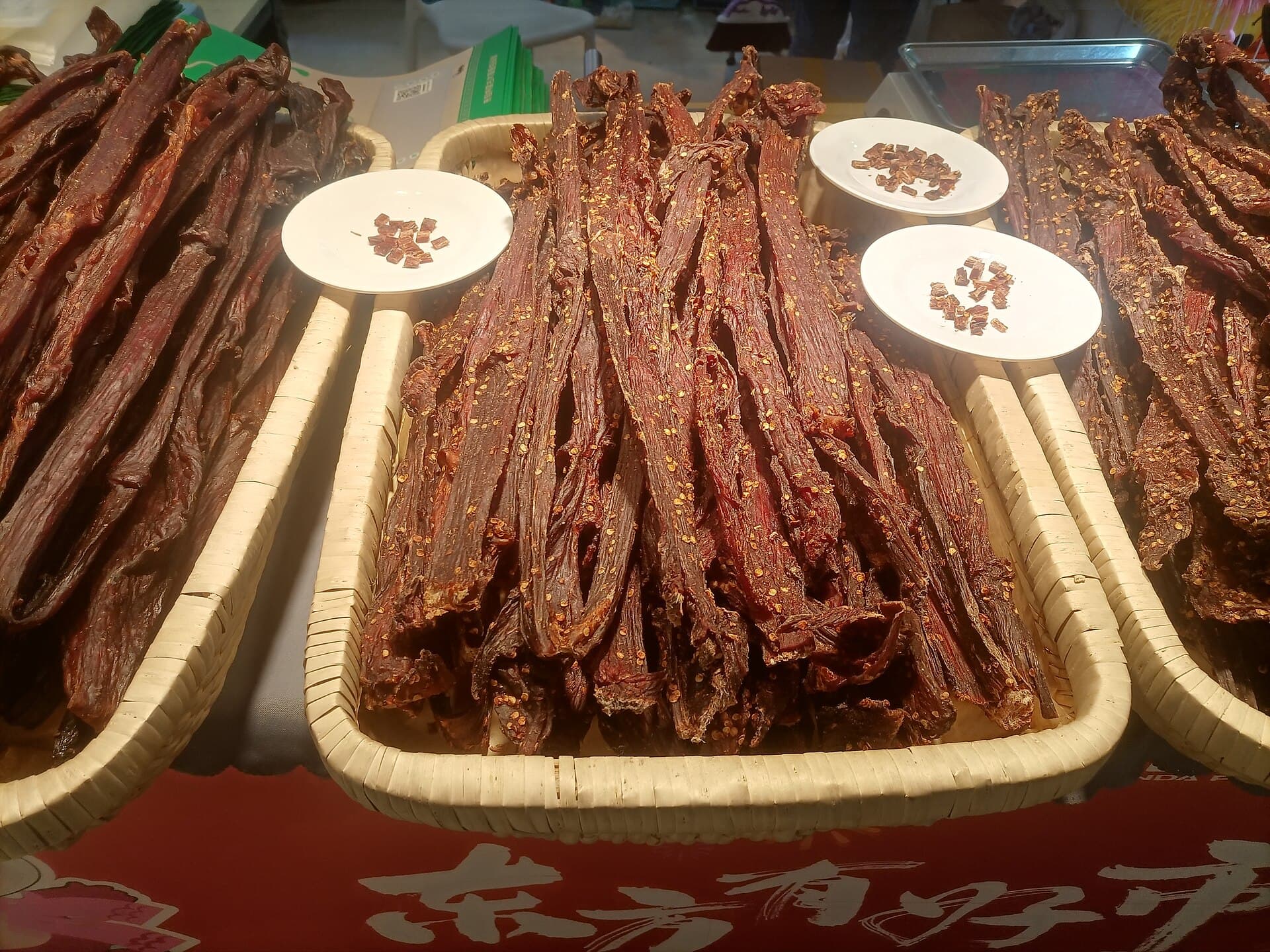
precontact-present
Jerky is preservation food before it is snack food. Indigenous drying traditions, pemmican, pioneer travel, soldiers, cowboys, and later road-trip convenience all helped make dried meat part of American food culture.
America's Melting Pot
Biscuits with Salt Pork Gravy photo coming soon
1861-1900
Before sausage gravy became the default, cooks could make a filling breakfast from salt pork, flour, and milk. The method fits chuckwagon, farm, and 19th-century working kitchens where cured pork traveled well and every bit of fat mattered.
America's Melting Pot
Chokecherry Jelly photo coming soon
1600s-present
Chokecherry Jelly is a preserve with real American table personality: Plains, Mountain West, and Indigenous/settler preserving tradition. It brings flavor from coast-to-coast American tables to cookouts, counters, lunch plates, potlucks, and weeknight suppers.
Same table
America's Melting Pot
BBQ Beef Sandwiches photo coming soon
1970-2026
This sandwich turns pot roast into crowd food: cook beef until it pulls apart, simmer it in barbecue sauce, and serve it from a slow cooker or Dutch oven. It fits the late-20th-century world of booster clubs, church suppers, and game-day tables, where economical roasts could feed a line of hungry fans.
America's Melting Pot
Booster Club Brats photo coming soon
1970-2026
Brats are Midwestern event food: easy to scale, easy to hold warm, and strongly tied to Wisconsin football and German American sausage culture. Booster clubs and tailgaters use beer, onions, and grills to feed a crowd without much fuss.
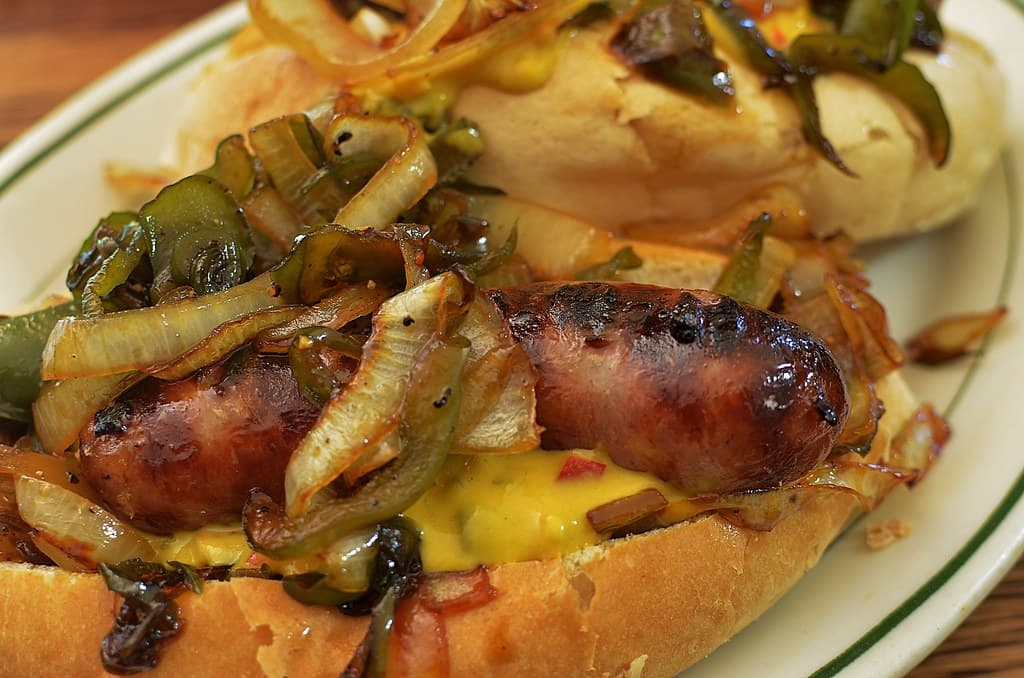
1800-2026
Brats are bratwurst in their American backyard form: pork sausages grilled or beer-simmered, tucked into buns, and served at picnics, tailgates, baseball games, and summer cookouts. Wisconsin made the brat especially visible through German American sausage culture and stadium food.