
Recipe archive
Loading
Setting the table...
Fetching the latest recipes from the archive.
Loading
Fetching the latest recipes from the archive.
Recipe archive

1800-1860 - German-American immigrant cooks and communities
Sauerbraten is a traditional German pot roast marinated for several days in a mixture of vinegar, spices, and aromatics before slow cooking. German immigrants brought this dish to America during the early 19th century, adapting it with locally available ingredients. It represents the culinary blending of immigrant traditions with American ingredients.
Community-powered photos. Reviewers can upload dish photos, and the highest-rated community image may be featured here.
Difficulty
Hard
Prep time
4 days marinating + 30 minutes prep
Cook time
3 hours
Total time
4 days 3.5 hours
Servings
6
Region
Pennsylvania German and Midwestern German American kitchens
Era introduced
1800-1860
Introduced by
German-American immigrant cooks and communities
Recipe tools
Log in to save this recipe to a collection.
Sauerbraten holds a special place among German-American communities from the 19th century, tracing back to immigrant culinary heritage brought during the expansion and settlement periods. This pot roast is distinguished by a lengthy vinegar-based marinade with spices such as cloves and juniper berries. Immigrants adapted the original recipe to American ingredients and cooking methods, making it a symbol of preserving cultural identity through cuisine while embracing new surroundings.
Share family changes, regional twists, or pantry-friendly adaptations as full community recipes.
Log in to submit a community recipe.
No community recipes yet. Submitted recipes are published right away.
Rate this recipe and share how it worked at your table.
Log in to review this recipe.
No reviews yet. Be the first to rate this recipe.
Recipes matched by era, region, occasion, ingredients, and cultural roots from the archive.
Same era
America's Melting Pot
Acorn Bread photo coming soon
1800-1860
A nutty, lightly sweet quick bread made with properly leached acorn flour, cornmeal, and wheat flour.
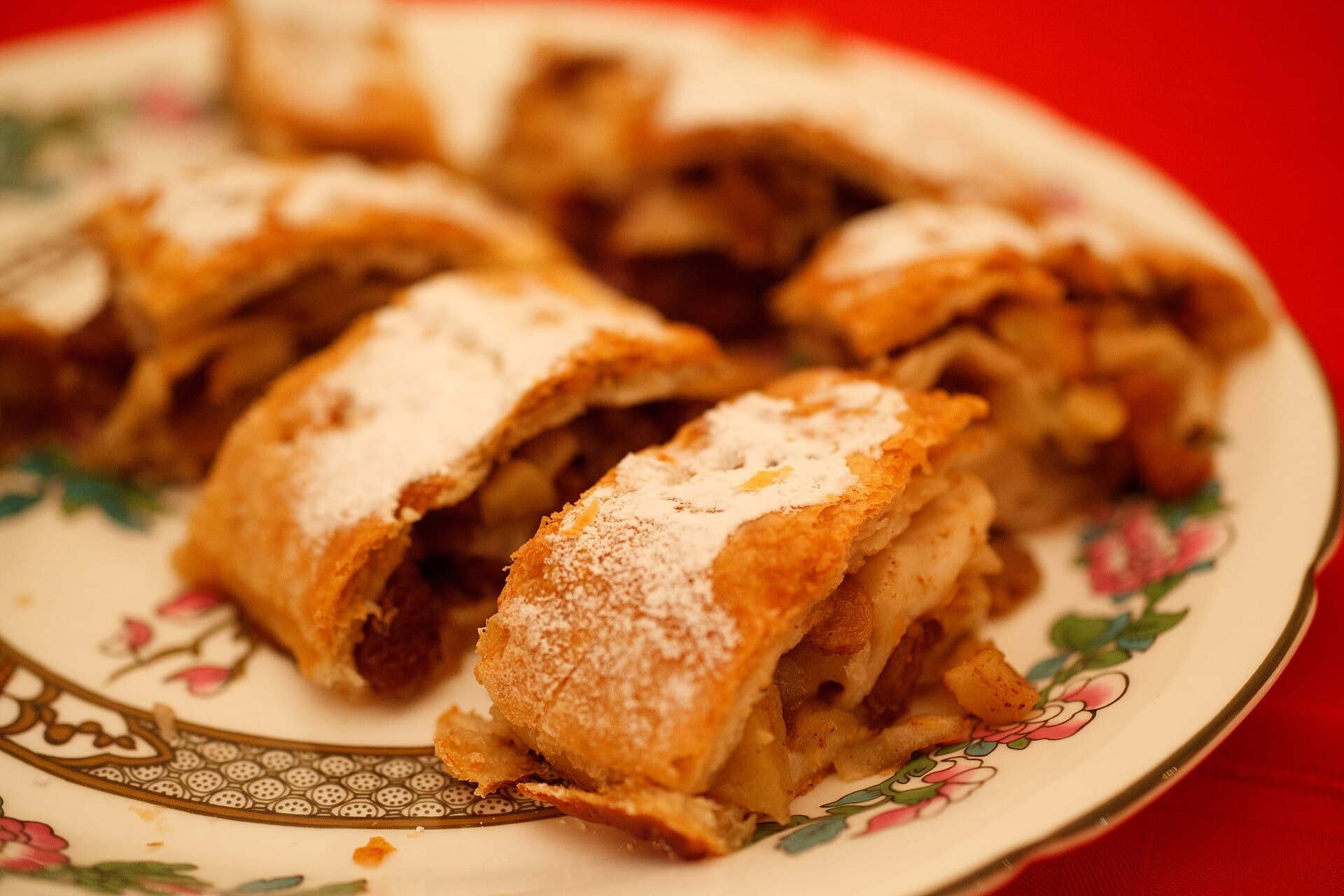
1800-1860
A German-American apple strudel made with crisp apples, raisins, cinnamon, buttered crumbs, and flaky phyllo for a practical home version of a Central European pastry.
America's Melting Pot
Asparagus photo coming soon
1800s/early 1900s-present
A bright American Easter asparagus side, quickly cooked and dressed with lemon butter, herbs, and hard-cooked egg in the spirit of old spring-table recipes.
Same region
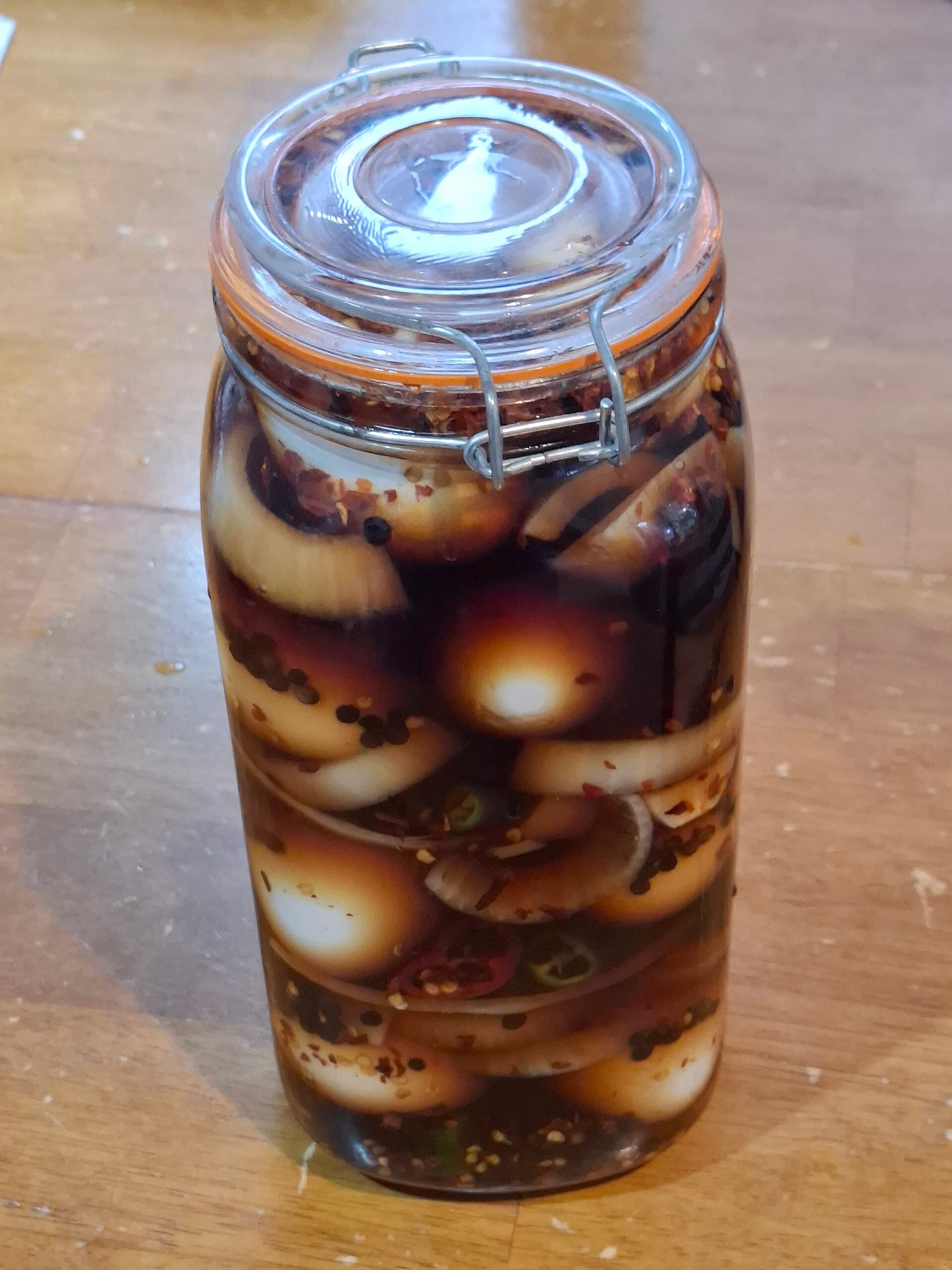
1800s-present
Pickled eggs were a popular preserved egg dish among German-American communities between 1800 and 1860, particularly during celebrations like Easter. They combine hard-boiled eggs with vinegar and spices to extend shelf life and add flavor.
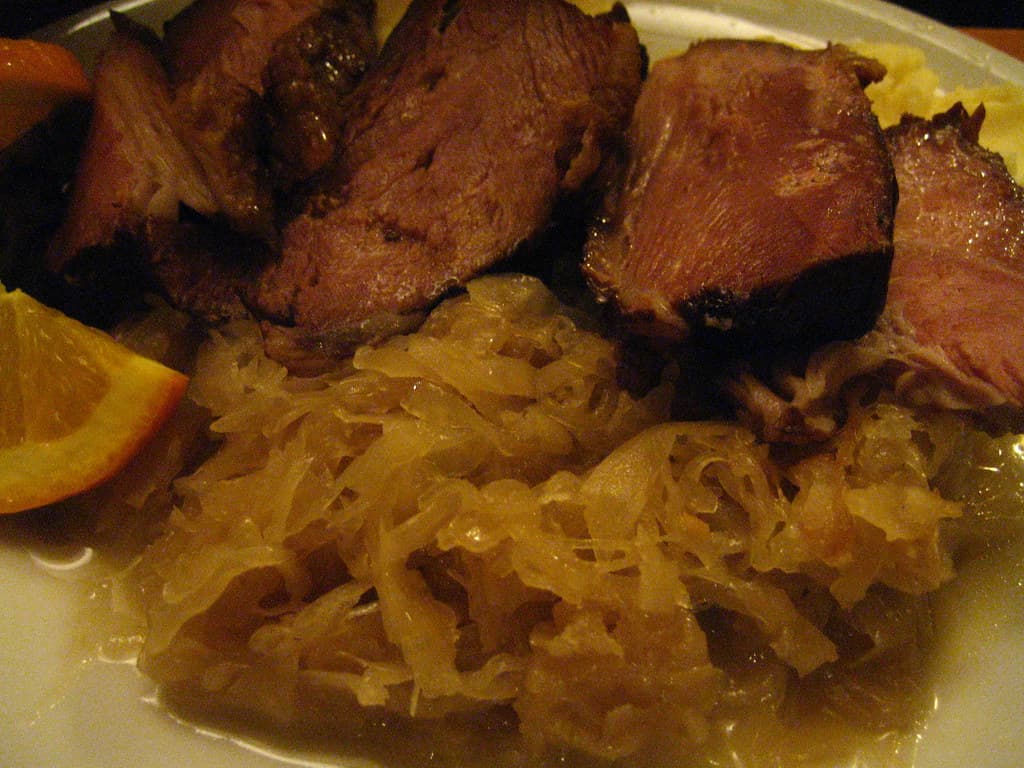
1800s-present
Pork and Sauerkraut is a classic American comfort and holiday dish often served on New Year's Day for luck and prosperity. Slow-cooked pork is combined with sauerkraut and seasoned to create a savory one-pot meal reflecting German-American and regional influences.
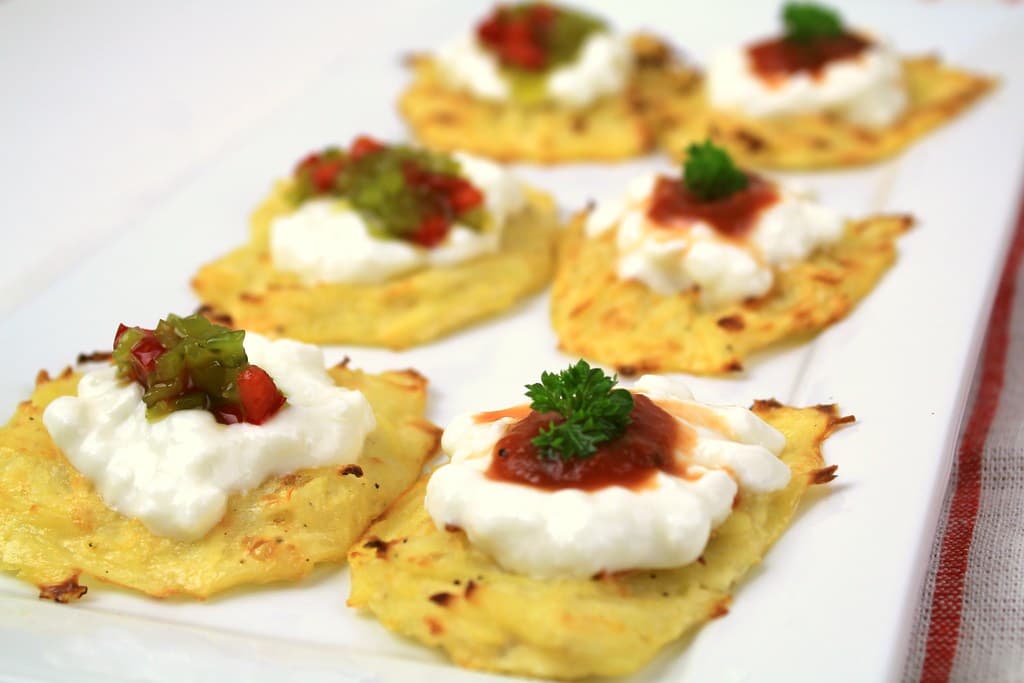
1800s-present
Potato Pancakes are a breakfast favorite among German-American communities, consisting of grated potatoes mixed with onions and eggs, fried to a crisp golden brown.
Same table
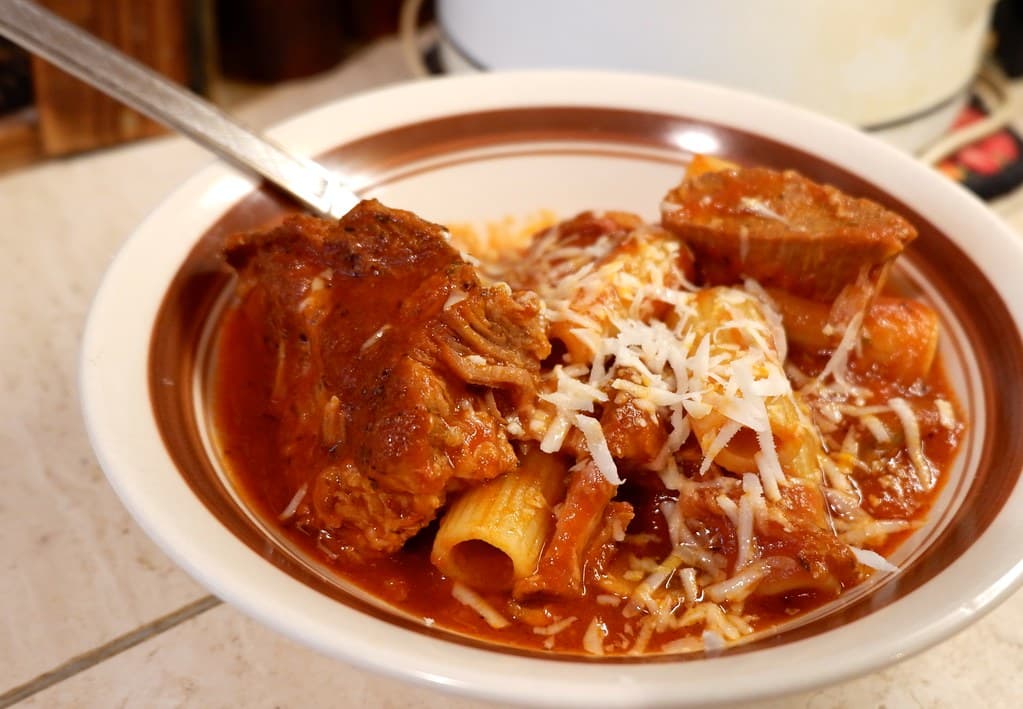
1900s-present
Sunday Gravy is a rich Italian-American tomato sauce slow-simmered with various meats including pork, beef, and sausage, traditionally served after Sunday mass. This communal sauce is foundational to many Italian-American family meals and celebrations.
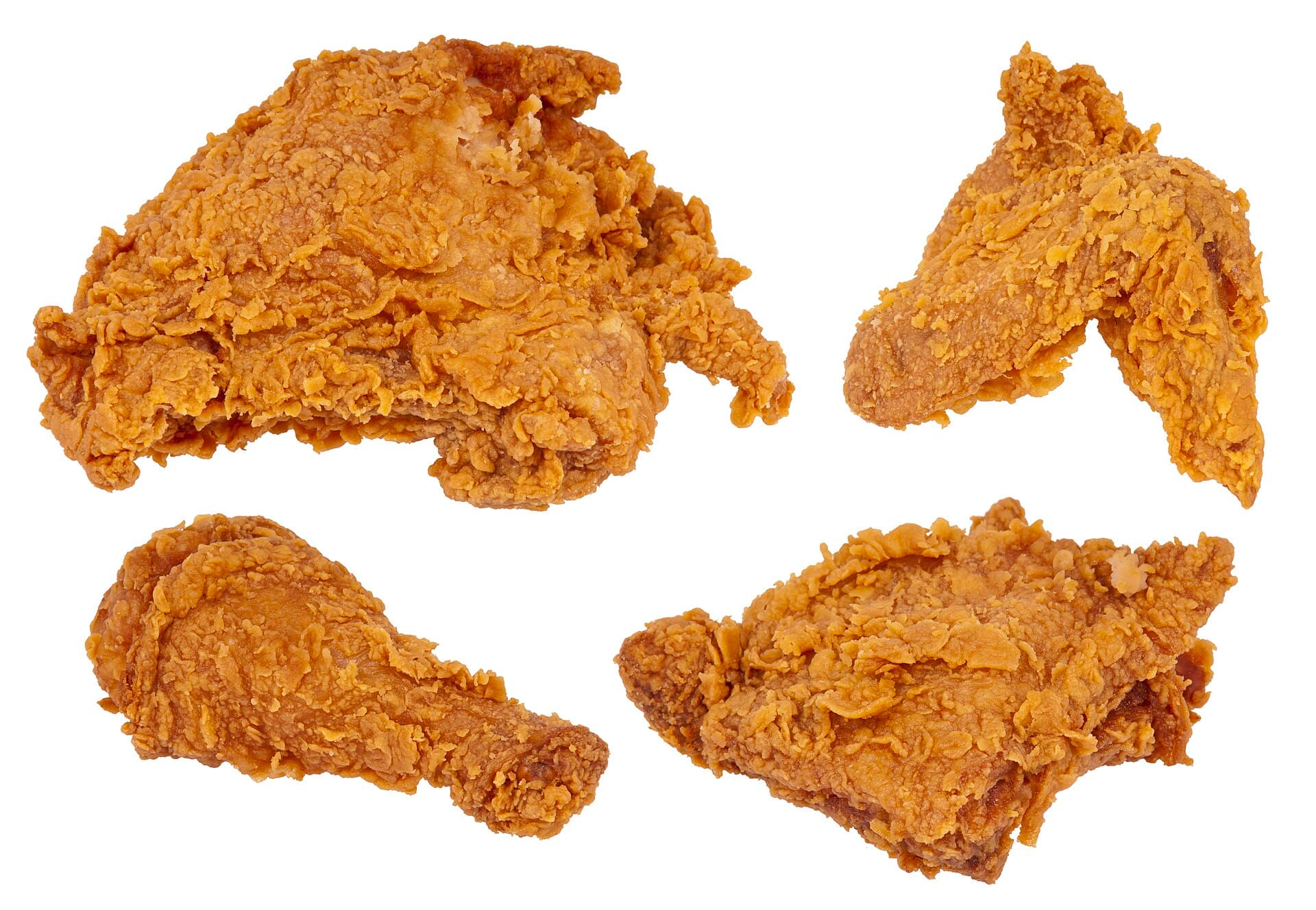
1800-1860
Fried chicken is a Southern classic featuring chicken pieces seasoned, battered, and deep fried to a crispy golden crust. This dish has been beloved across the South since the early 19th century and remains a cornerstone of American comfort food.
America's Melting Pot
Oyster Pie photo coming soon
1800-1860
Oyster Pie is a savory pie filled with oysters and often combined with vegetables and seasonings, baked in a flaky crust. As a traditional New England dish from the early immigration and expansion era, it reflects coastal harvests and colonial cooking styles preserving regional seafood heritage.