
Recipe archive
Loading
Setting the table...
Fetching the latest recipes from the archive.
Loading
Fetching the latest recipes from the archive.
Recipe archive
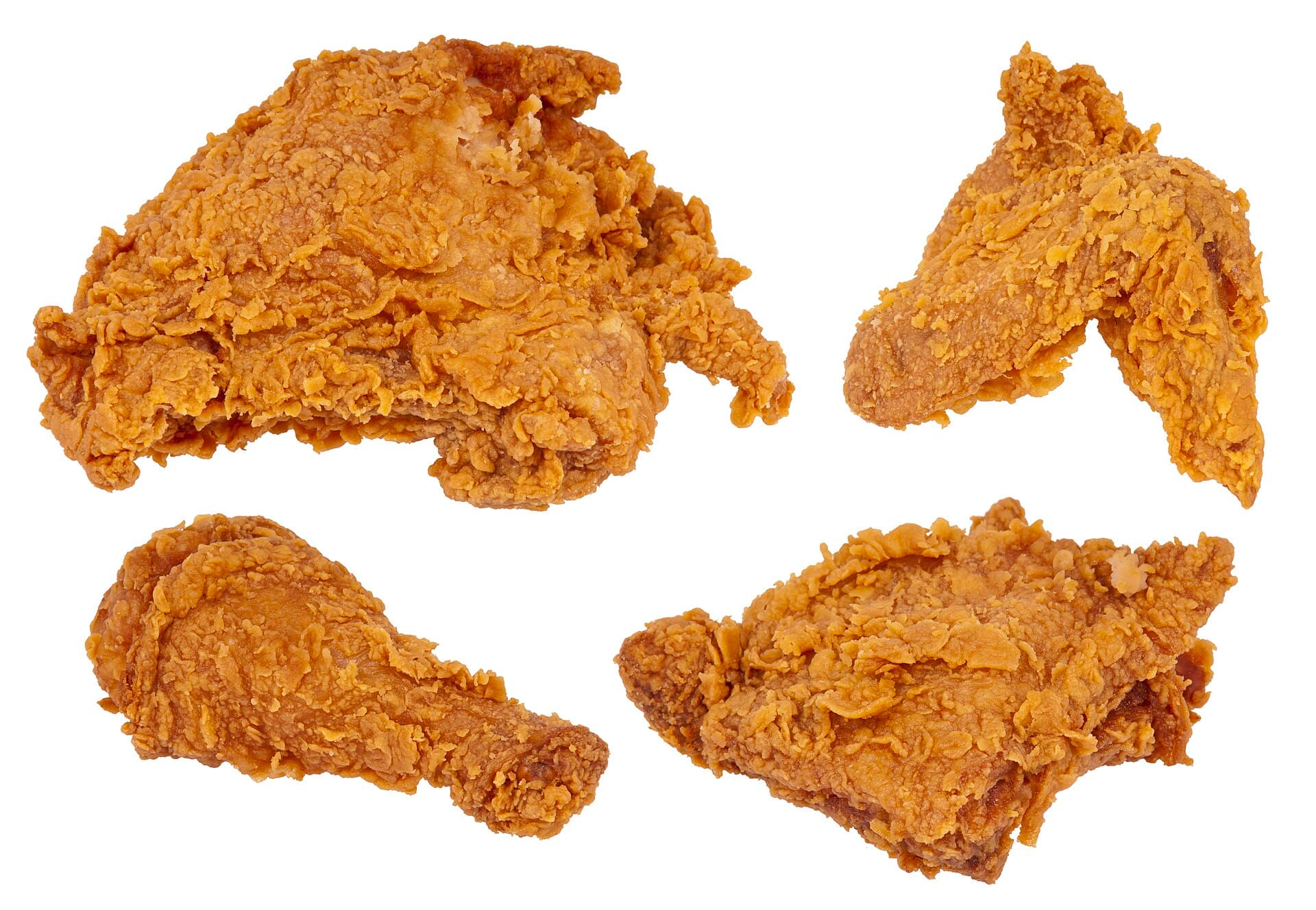
1800-1860 - African American cooks and Southern home kitchens
Fried chicken is a Southern classic featuring chicken pieces seasoned, battered, and deep fried to a crispy golden crust. This dish has been beloved across the South since the early 19th century and remains a cornerstone of American comfort food.
Community-powered photos. Reviewers can upload dish photos, and the highest-rated community image may be featured here.
Difficulty
Medium
Prep time
30 minutes
Cook time
15 minutes
Total time
45 minutes
Servings
6
Region
South
Era introduced
1800-1860
Introduced by
African American cooks and Southern home kitchens
Recipe tools
Log in to save this recipe to a collection.
Fried chicken's origins in the American South are closely linked to African American cooks who combined West African frying techniques with local ingredients during the 19th century. The dish became a celebratory and everyday food, prized for its flavorful, crispy crust and moist meat. Historically, it was often cooked in cast-iron skillets with lard or oil over open fires. Fried chicken symbolizes Southern hospitality and culinary ingenuity during Expansion and early Republic periods.
Share family changes, regional twists, or pantry-friendly adaptations as full community recipes.
Log in to submit a community recipe.
No community recipes yet. Submitted recipes are published right away.
Rate this recipe and share how it worked at your table.
Log in to review this recipe.
No reviews yet. Be the first to rate this recipe.
Recipes matched by era, region, occasion, ingredients, and cultural roots from the archive.
Same era
America's Melting Pot
Acorn Bread photo coming soon
1800-1860
A nutty, lightly sweet quick bread made with properly leached acorn flour, cornmeal, and wheat flour.
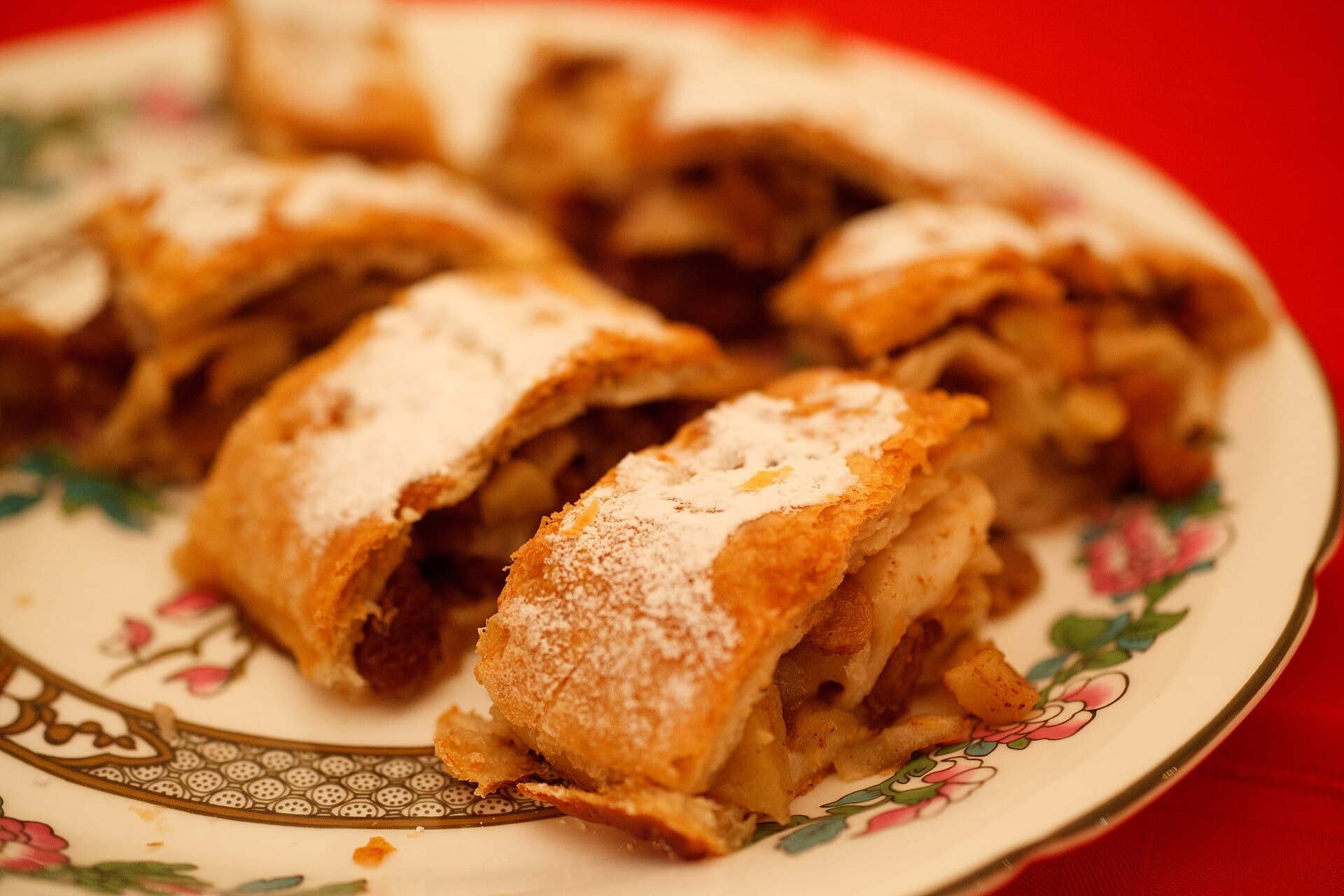
1800-1860
A German-American apple strudel made with crisp apples, raisins, cinnamon, buttered crumbs, and flaky phyllo for a practical home version of a Central European pastry.
America's Melting Pot
Asparagus photo coming soon
1800s/early 1900s-present
A bright American Easter asparagus side, quickly cooked and dressed with lemon butter, herbs, and hard-cooked egg in the spirit of old spring-table recipes.
Same region
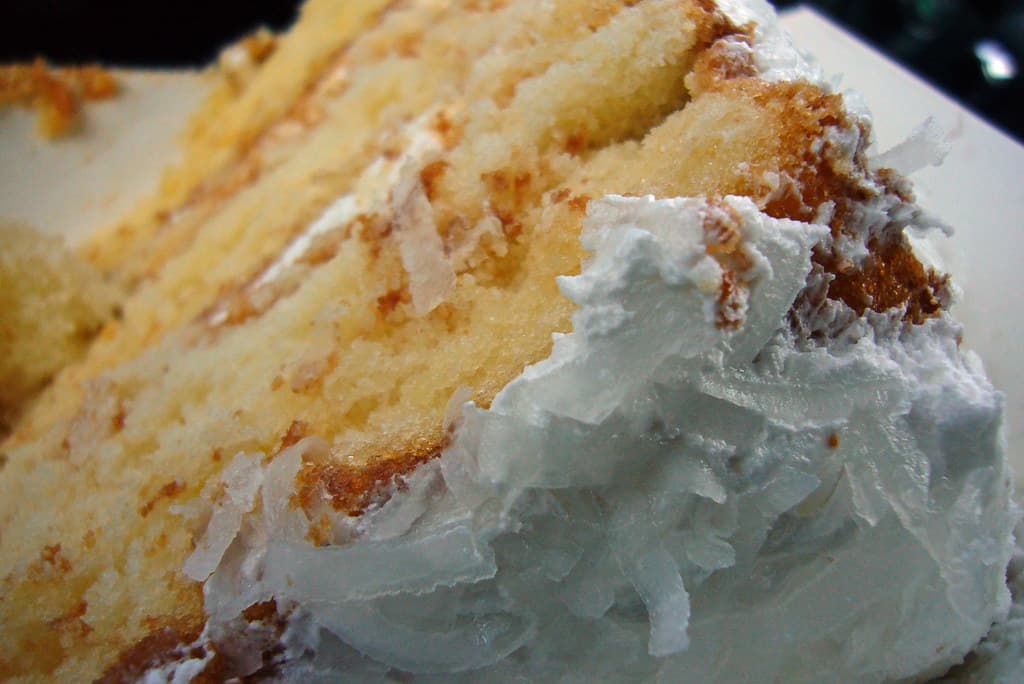
1800-1860
Coconut Cake is a beloved Southern dessert featuring moist layers of vanilla or yellow cake frosted with rich coconut-flavored icing and topped with shredded coconut. Dating back to early 19th-century Southern United States, it gained particular popularity in holiday and Easter celebrations, reflecting the region's fondness for coconut and festive cakes between 1800 and 1860.
America's Melting Pot
Collard Greens with Potlikker photo coming soon
1800-1860
Collard greens cooked slowly with smoked meat produce a flavorful broth called potlikker, traditionally served alongside or poured over cornbread. This dish exemplifies Southern homestyle cooking from the early 19th century, highlighting resourcefulness in using all parts of the cooked greens and broth. It remains a soulful and satisfying side or accompaniment to main courses.
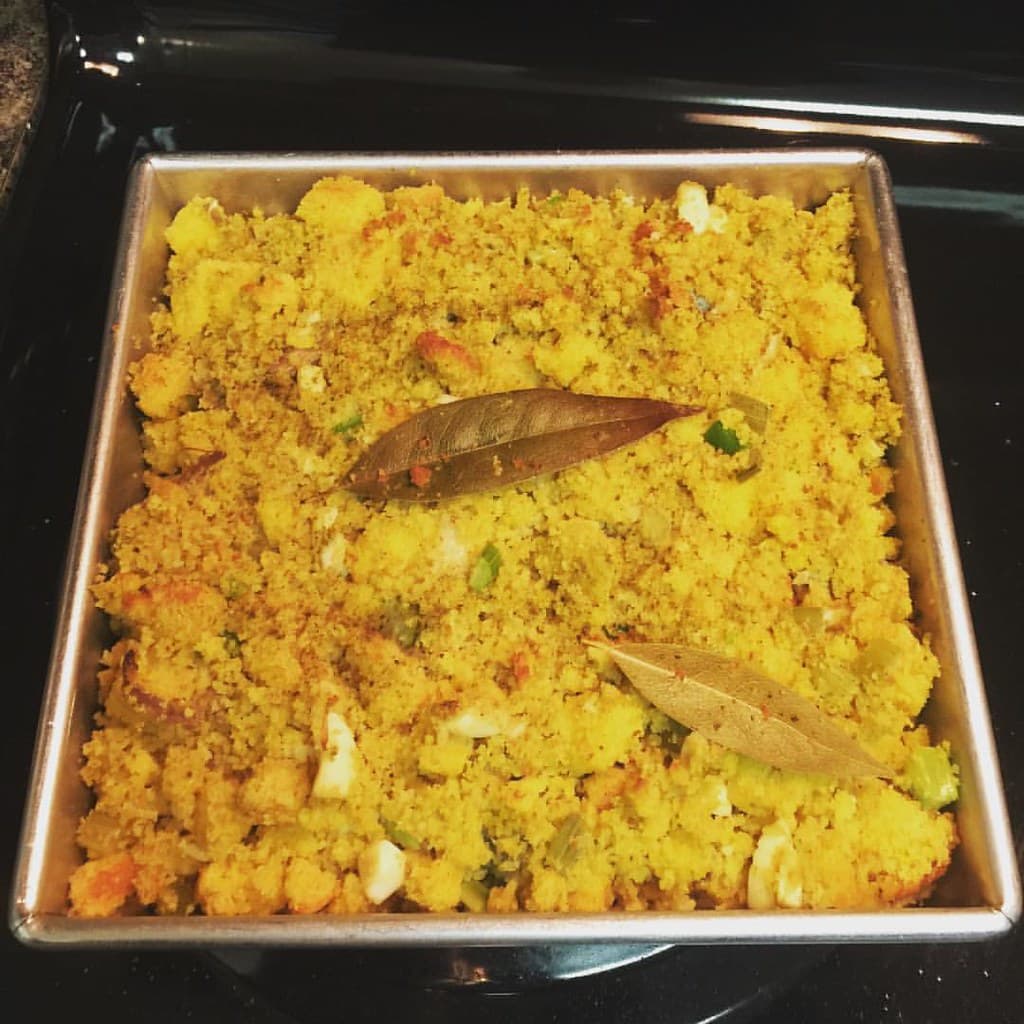
1800-1860
Cornbread dressing is a savory Southern side enjoyed especially during Thanksgiving, combining crumbled cornbread with herbs and often broth for moist stuffing.
Same table
America's Melting Pot
Fried Catfish photo coming soon
1800-1860
Fried catfish is a beloved Southern staple featuring fresh catfish fillets coated in seasoned cornmeal and fried to a golden crisp. This dish reflects the region's rich freshwater fishing traditions and simple, hearty cooking methods popular during America's Expansion and early 19th century.
America's Melting Pot
Nashville Hot Chicken photo coming soon
2010-2026
Nashville Hot Chicken is a spicy fried chicken specialty from the American South known for its crispy, deep-fried exterior coated in a cayenne pepper-based paste. Gaining widespread fame through food trucks and viral internet food culture in the 2010s and beyond, it embodies the bold flavors of modern Southern cooking.
America's Melting Pot
Oyster Pie photo coming soon
1800-1860
Oyster Pie is a savory pie filled with oysters and often combined with vegetables and seasonings, baked in a flaky crust. As a traditional New England dish from the early immigration and expansion era, it reflects coastal harvests and colonial cooking styles preserving regional seafood heritage.