
Recipe archive
Loading
Setting the table...
Fetching the latest recipes from the archive.
Loading
Fetching the latest recipes from the archive.
Recipe archive
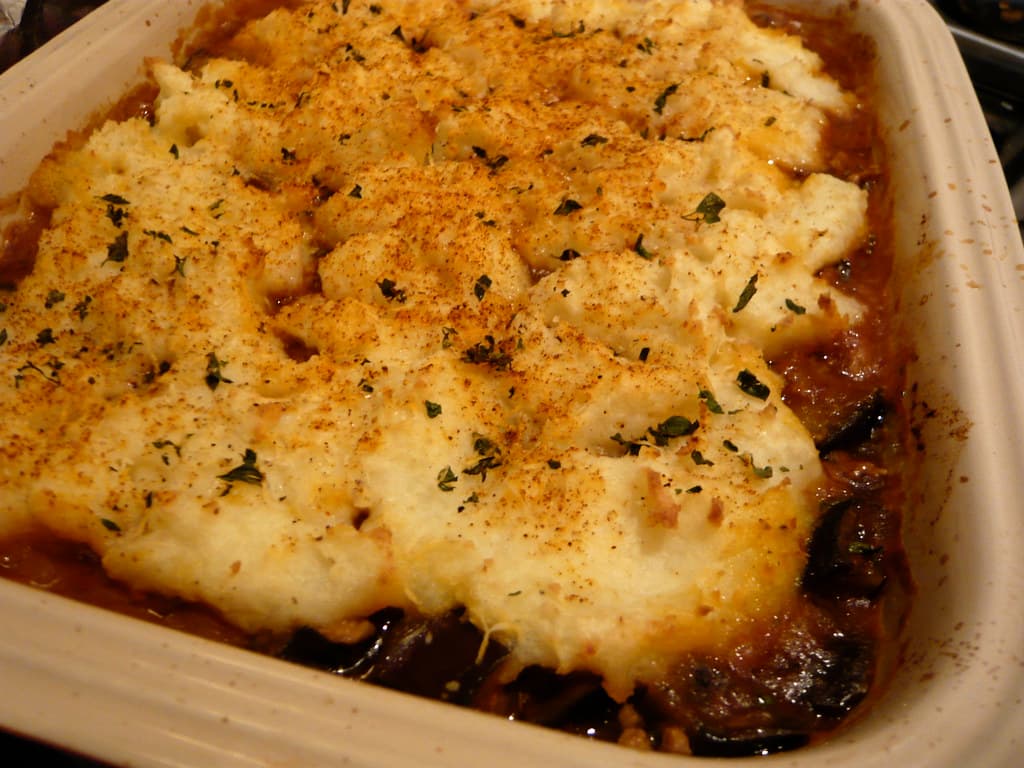
1800-1860 - Irish-American immigrant families adapting Old World cooking in the United States.
Shepherd's Pie is a savory casserole of seasoned ground meat topped with mashed potatoes, baked to golden perfection. Brought to the U.S. by Irish immigrants, it became a family favorite in many American households during the 19th century.
Community-powered photos. Reviewers can upload dish photos, and the highest-rated community image may be featured here.
Difficulty
Medium
Prep time
20 minutes
Cook time
45 minutes
Total time
1 hour 5 minutes
Servings
6 servings
Region
Irish and British American immigrant household and pub kitchens
Era introduced
1800-1860
Introduced by
Irish-American immigrant families adapting Old World cooking in the United States.
Recipe tools
Log in to save this recipe to a collection.
Irish immigrants introduced Shepherd's Pie to America in the early to mid-1800s, adapting their traditional meat and potato casseroles for new ingredients and American kitchen styles. This dish became a symbol of comfort and sustenance for working-class families and emphasized resourcefulness in using leftovers. Its enduring popularity highlights the lasting influence of Irish-American culinary traditions within the broader American food landscape.
Share family changes, regional twists, or pantry-friendly adaptations as full community recipes.
Log in to submit a community recipe.
No community recipes yet. Submitted recipes are published right away.
Rate this recipe and share how it worked at your table.
Log in to review this recipe.
No reviews yet. Be the first to rate this recipe.
Recipes matched by era, region, occasion, ingredients, and cultural roots from the archive.
Same era
America's Melting Pot
Acorn Bread photo coming soon
1800-1860
A nutty, lightly sweet quick bread made with properly leached acorn flour, cornmeal, and wheat flour.
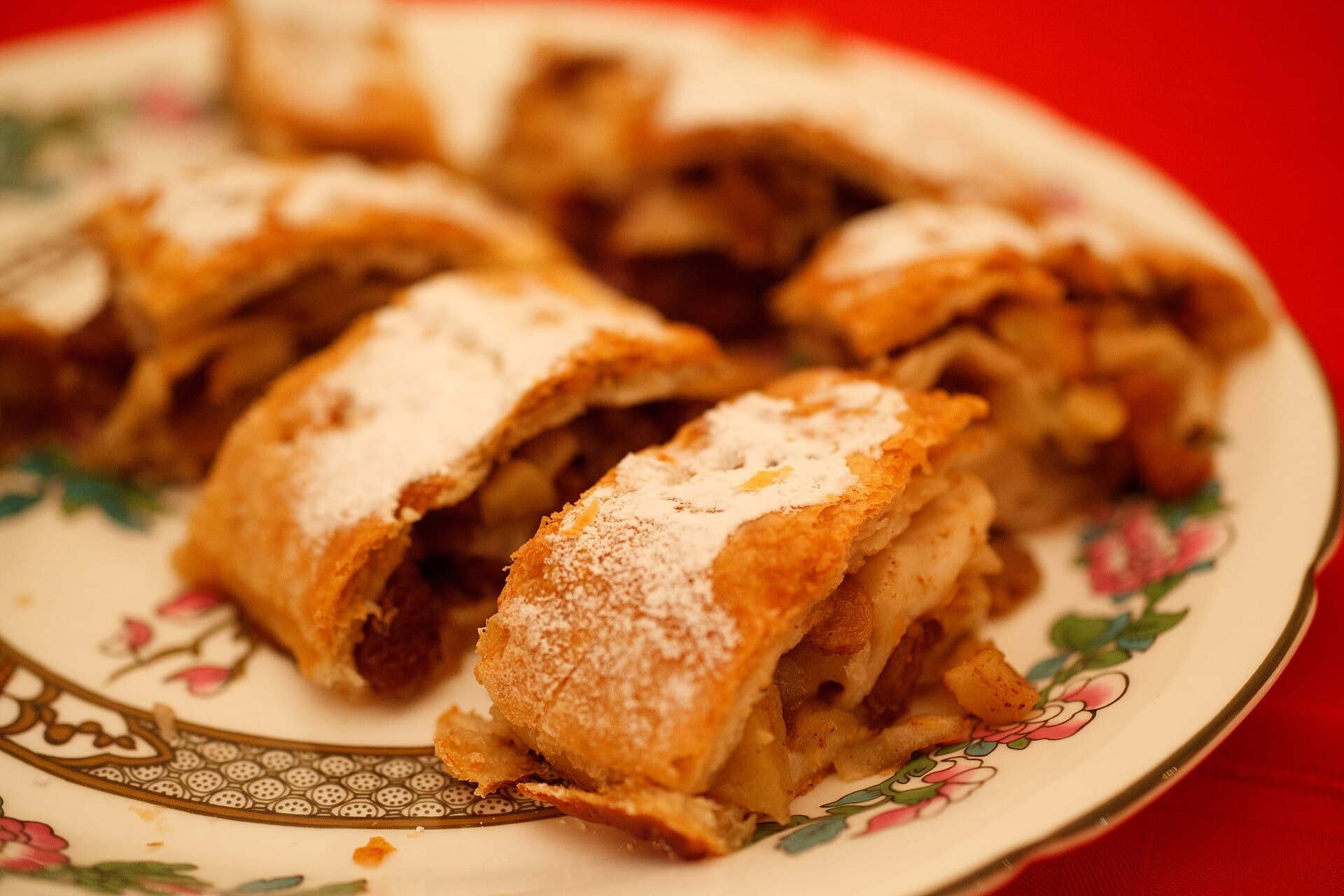
1800-1860
A German-American apple strudel made with crisp apples, raisins, cinnamon, buttered crumbs, and flaky phyllo for a practical home version of a Central European pastry.
America's Melting Pot
Asparagus photo coming soon
1800s/early 1900s-present
A bright American Easter asparagus side, quickly cooked and dressed with lemon butter, herbs, and hard-cooked egg in the spirit of old spring-table recipes.
Same region
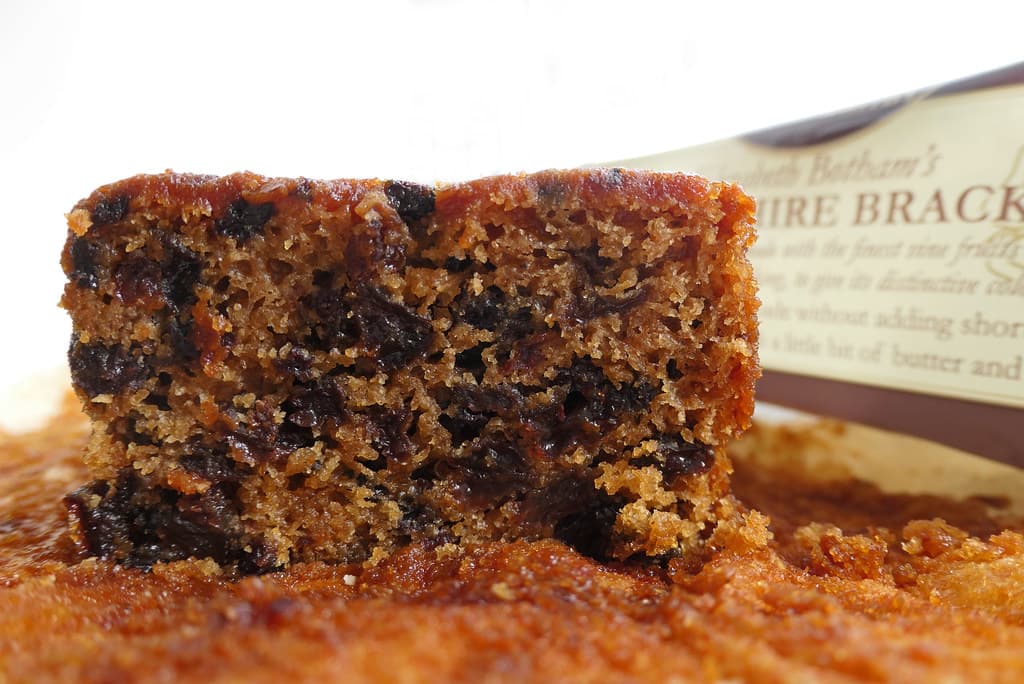
1800s-present
Tea Brack is a lightly spiced sweet bread soaked in tea and studded with dried fruits. This traditional Irish-influenced drinkable bread found a place in Irish-American kitchens during the early 19th century, especially around holidays. It combines the flavors of black tea, dried fruits, and warming spices, reflecting the blending of Irish heritage with American ingredients.
America's Melting Pot
Apple Cake photo coming soon
1800s-present
A tender apple-studded cake with cinnamon, butter, and a simple crumb topping.
America's Melting Pot
Boxty photo coming soon
1800-2026
Boxty is a traditional Irish potato pancake especially associated with north Connacht, the north Midlands, and Ulster. Irish immigrants brought potato cookery with them to America, where boxty fits naturally beside other Irish American breakfast and supper dishes.
Same table
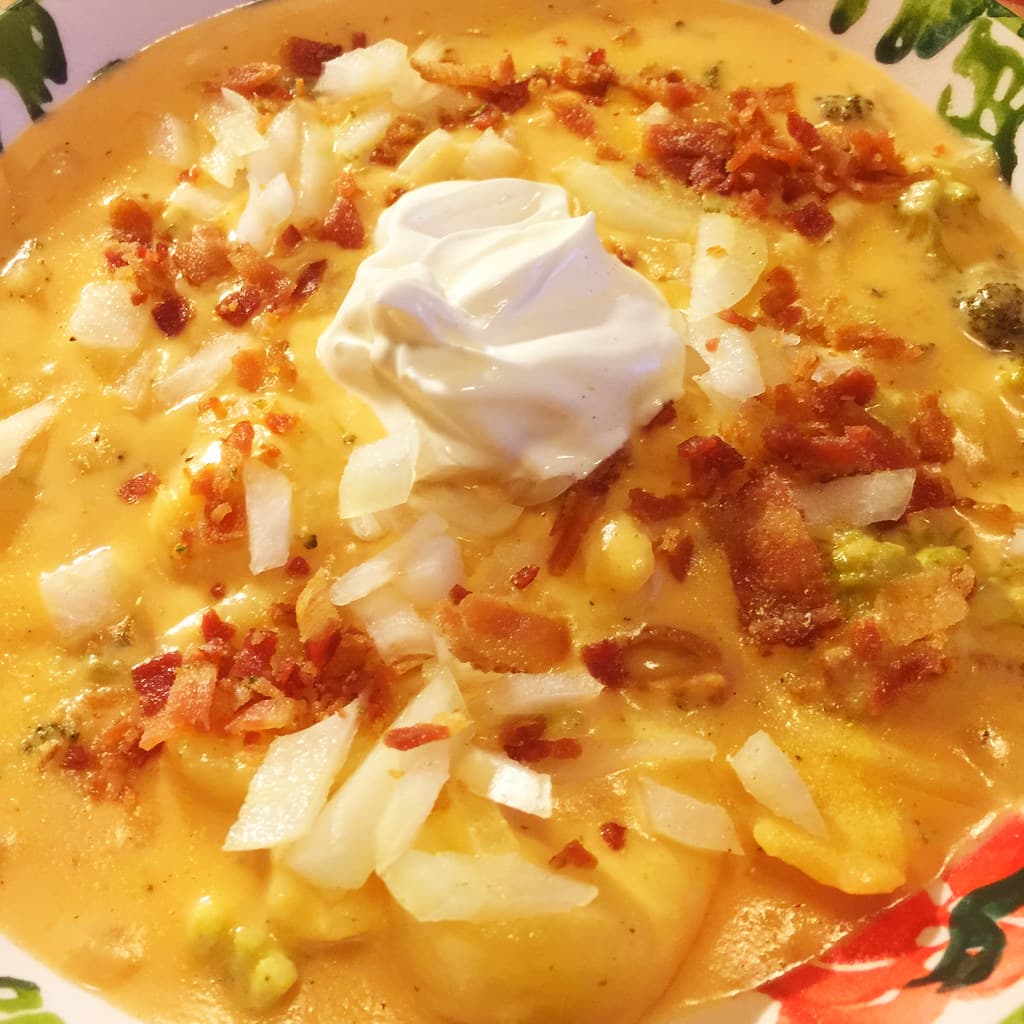
1990s-present
Loaded baked potato soup is a creamy and hearty soup featuring potatoes, cheese, bacon, and green onions, inspired by the flavors of the loaded baked potato. It grew in popularity in family restaurants and casual eateries across the U.S. during the 1990s and 2000s.
America's Melting Pot
Son-of-a-Gun Stew photo coming soon
1861-1900
Son-of-a-Gun Stew is a hearty stew associated with cattle drivers and chuckwagon cooks of the Great Plains during westward expansion and post-Civil War settlement. Made with various meats, vegetables, and basic seasonings, this stew reflects resourcefulness and sustenance on the trail.
America's Melting Pot
Tater Tots photo coming soon
1946-1969
Tater tots, small cylinders of grated potato, were developed in the 1950s and became a popular oven- or fryer-prepared side dish in Midwestern American school cafeterias and family meals. They epitomize postwar convenience and the rise of processed foods in American diets.