
Recipe archive
Loading
Setting the table...
Fetching the latest recipes from the archive.
Loading
Fetching the latest recipes from the archive.
Recipe archive
America's Melting Pot
Son-of-a-Gun Stew hero image coming soon
1861-1900 - Great Plains cattle drivers and chuckwagon cooks
Son-of-a-Gun Stew is a hearty stew associated with cattle drivers and chuckwagon cooks of the Great Plains during westward expansion and post-Civil War settlement. Made with various meats, vegetables, and basic seasonings, this stew reflects resourcefulness and sustenance on the trail.
No featured photo yet. Upload a photo with your review. The highest-rated community photo may become this recipe's hero image.
Difficulty
Medium
Prep time
20 minutes
Cook time
2 hours
Total time
2 hours 20 minutes
Servings
6
Region
Great Plains
Era introduced
1861-1900
Introduced by
Great Plains cattle drivers and chuckwagon cooks
Recipe tools
Log in to save this recipe to a collection.
During the cattle trail era of the mid-to-late 19th century, chuckwagon cooks developed practical, filling meals using available ingredients to feed cowboys on long drives. Son-of-a-Gun Stew became a nourishing staple, combining beef trimmings with root vegetables and simple seasonings. This dish symbolizes the grit and ingenuity of frontier life on the Great Plains following the Civil War.
Share family changes, regional twists, or pantry-friendly adaptations as full community recipes.
Log in to submit a community recipe.
No community recipes yet. Submitted recipes are published right away.
Rate this recipe and share how it worked at your table.
Log in to review this recipe.
No reviews yet. Be the first to rate this recipe.
Recipes matched by era, region, occasion, ingredients, and cultural roots from the archive.
Same era
America's Melting Pot
Army Bean Soup photo coming soon
1861-1900
A hearty military-style bean soup built on navy beans, smoked ham hock, onion, celery, carrot, and bay leaf, adapted for a home pot from large-batch service traditions.

1861-1900
A basic homemade bagel recipe using high-protein flour, malt or brown sugar, a short boil, and a hot bake for chewy New York-style results.
America's Melting Pot
Bagels with Schmear photo coming soon
1861-1900
A deli-style bagel with a thick schmear of plain or scallion cream cheese, with optional onion, capers, tomato, and cucumber.
Same region
America's Melting Pot
Bierocks photo coming soon
1870-2026
Bierocks traveled with Volga German communities into Kansas, Nebraska, and the Great Plains. They are field food and comfort food at once: portable bread pockets filled with seasoned beef and cabbage, closely related to Nebraska runzas.
1980-2026
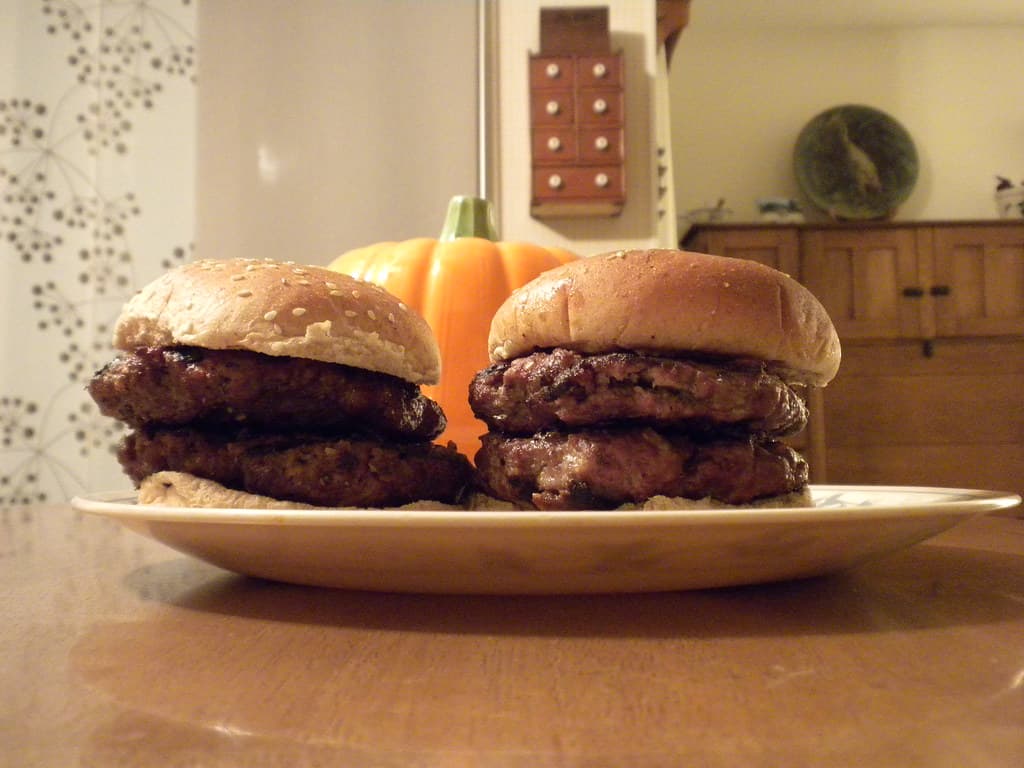
Bison burgers are a modern restaurant and backyard form of a much older Great Plains food story. Bison sustained Indigenous nations for centuries; after near-destruction in the 19th century, ranching and restoration made bison meat more available again.
America's Melting Pot
Cherry Limeade photo coming soon
1970s-present
Cherry Limeade brings juice-bar color and American smoothie-counter energy to the glass: Drive-in drink, especially Sonic-style culture.
Same table
America's Melting Pot
Union Camp Stew photo coming soon
1860s-1940s
Union camp stew was a practical, filling dish served to soldiers during the American Civil War, utilizing available meats, vegetables, and staples to sustain troops. It reflects the resourcefulness and necessity of military cooking under challenging conditions.
1800-1860
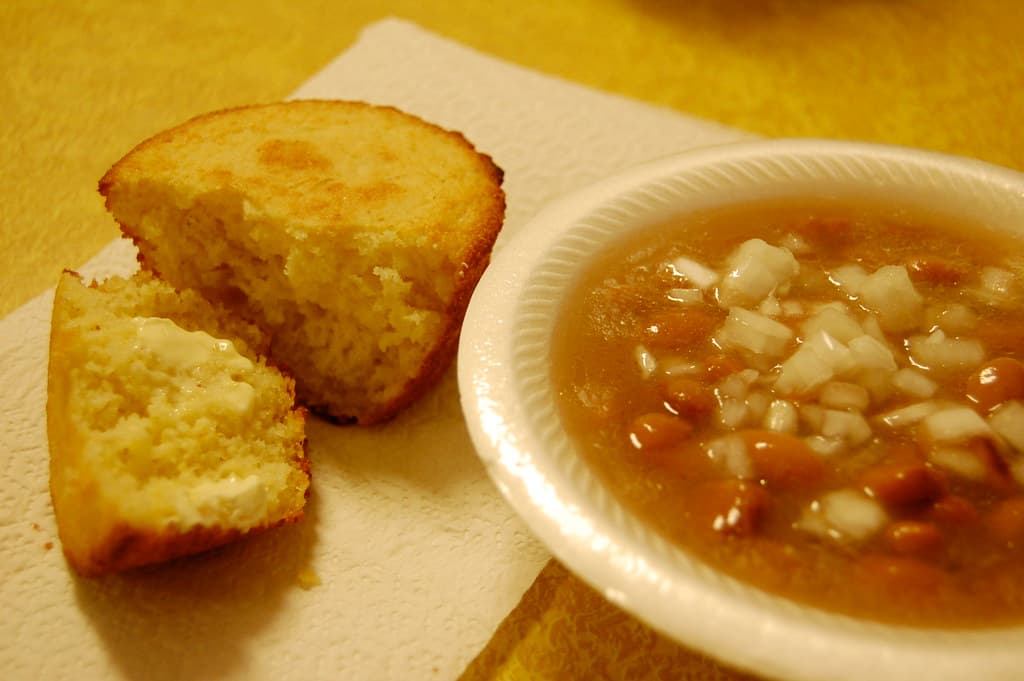
Soup Beans are a traditional slow-cooked bean stew popular in Appalachia and frontier regions during early American settlement. This dish is a humble, nourishing staple made with dried beans and minimal seasoning, reflecting the resourceful cooking of early settlers.
1861-1900
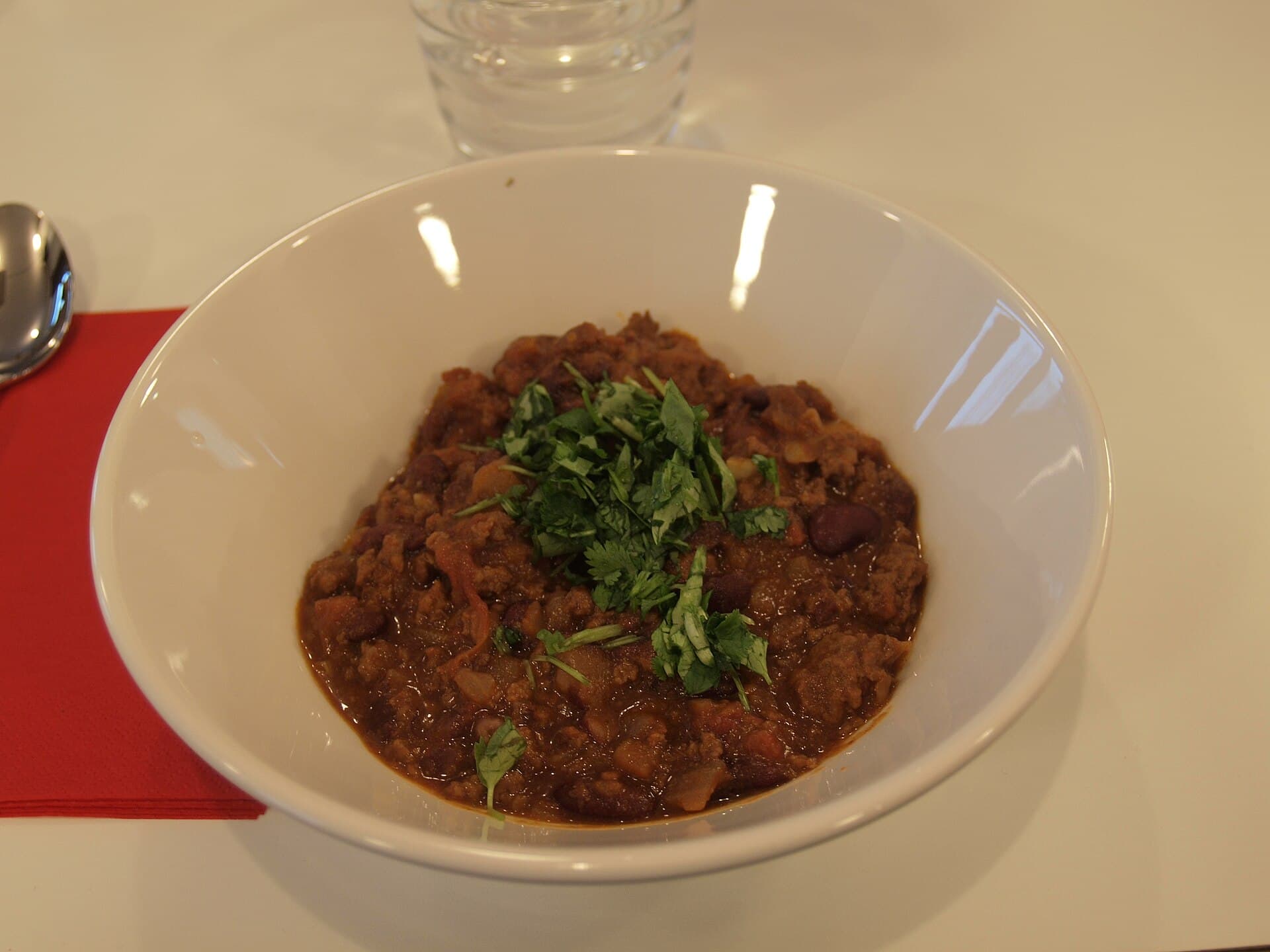
Chili con Carne is a spicy stew of beef, chili peppers, and seasonings integral to Great Plains cuisine post-Civil War. Popular among cattle drivers, settlers, and ranch communities during the late 19th century, this dish represents frontier culinary innovation blending Mexican-American and Southwestern flavors adapted to the rugged Great Plains environment. It remains a symbol of regional food heritage reflecting the era's settlement and cattle trail culture.