
Recipe archive
Loading
Setting the table...
Fetching the latest recipes from the archive.
Loading
Fetching the latest recipes from the archive.
Recipe archive
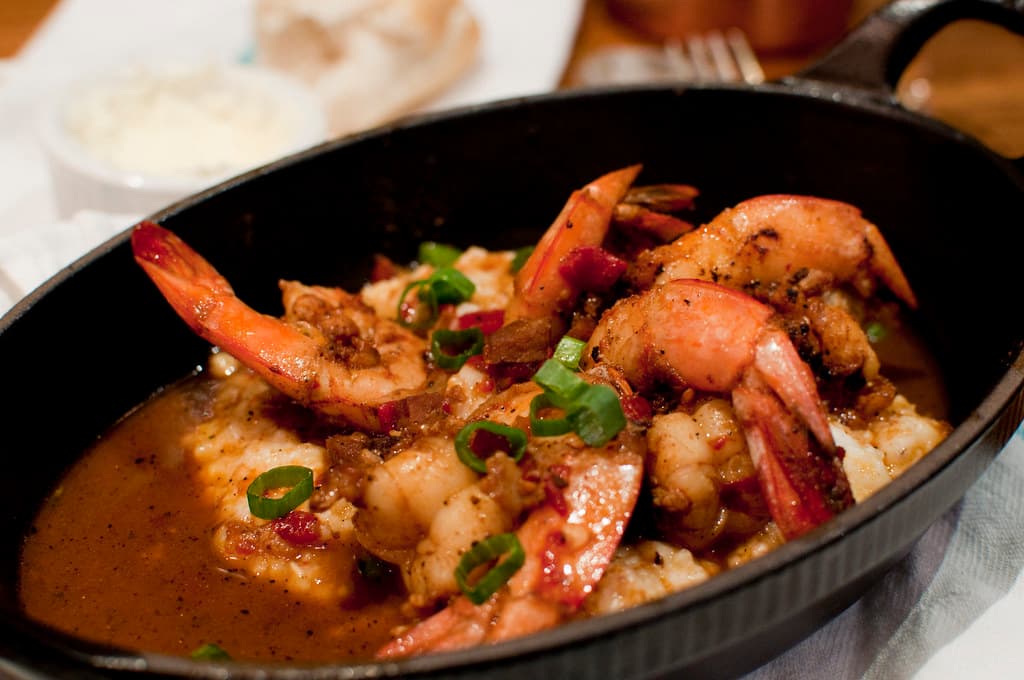
1800-1860 - Southern coastal cooks and fishermen in the United States.
Shrimp and Grits is a Southern United States dish combining seasoned sauteed shrimp served over creamy cornmeal grits. It originated as a modest coastal breakfast and evolved into a beloved regional staple across meals.
Community-powered photos. Reviewers can upload dish photos, and the highest-rated community image may be featured here.
Difficulty
Medium
Prep time
20 minutes
Cook time
30 minutes
Total time
50 minutes
Servings
4 servings
Region
South
Era introduced
1800-1860
Introduced by
Southern coastal cooks and fishermen in the United States.
Recipe tools
Log in to save this recipe to a collection.
Shrimp and Grits has roots in the coastal Southern United States, tracing back to the lowcountry cuisine where simple ingredients like grits and fresh shrimp were staples. Originally a hearty fisherman's breakfast, the dish grew in popularity through southern households and restaurants during the early 19th century. Today, it stands as an iconic Southern comfort food celebrated for its creamy texture and flavorful seafood, conveying the region's ties to both land and sea.
Share family changes, regional twists, or pantry-friendly adaptations as full community recipes.
Log in to submit a community recipe.
No community recipes yet. Submitted recipes are published right away.
Rate this recipe and share how it worked at your table.
Log in to review this recipe.
No reviews yet. Be the first to rate this recipe.
Recipes matched by era, region, occasion, ingredients, and cultural roots from the archive.
Same era
America's Melting Pot
Acorn Bread photo coming soon
1800-1860
A nutty, lightly sweet quick bread made with properly leached acorn flour, cornmeal, and wheat flour.
1800-1860
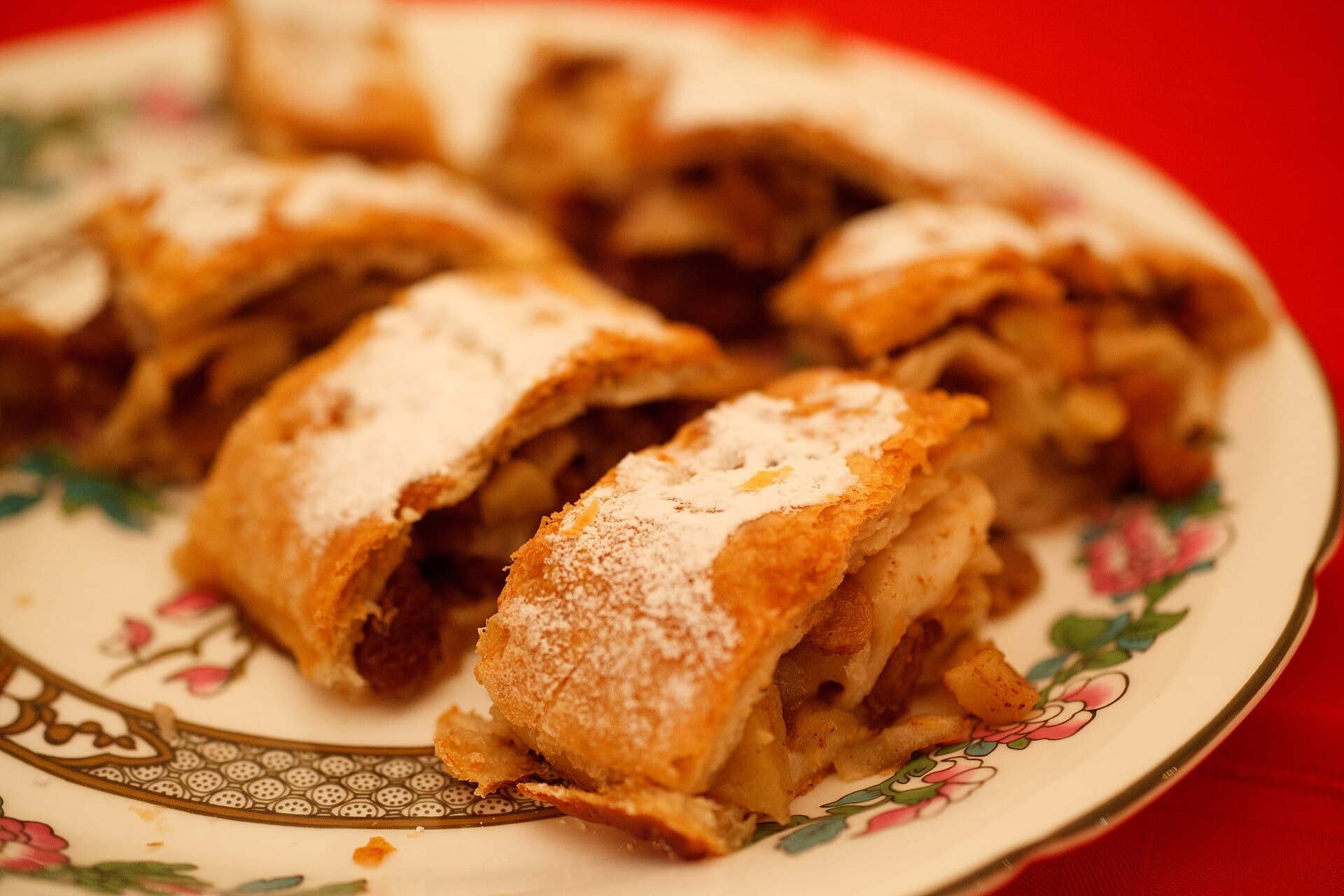
A German-American apple strudel made with crisp apples, raisins, cinnamon, buttered crumbs, and flaky phyllo for a practical home version of a Central European pastry.
America's Melting Pot
Asparagus photo coming soon
1800s/early 1900s-present
A bright American Easter asparagus side, quickly cooked and dressed with lemon butter, herbs, and hard-cooked egg in the spirit of old spring-table recipes.
Same region
America's Melting Pot
Collard Greens with Potlikker photo coming soon
1800-1860
Collard greens cooked slowly with smoked meat produce a flavorful broth called potlikker, traditionally served alongside or poured over cornbread. This dish exemplifies Southern homestyle cooking from the early 19th century, highlighting resourcefulness in using all parts of the cooked greens and broth. It remains a soulful and satisfying side or accompaniment to main courses.
America's Melting Pot
Country Ham photo coming soon
1800-1860
Country ham is a dry-cured, aged ham typical of Southern United States foodways dating back to the early 19th century. It is preserved with salt and aging, resulting in a salty, flavorful meat served in traditional Southern meals.
America's Melting Pot
Molasses Pound Cake photo coming soon
1861-1900
Molasses Pound Cake is a rich, moist cake sweetened with molasses, characteristic of Southern American desserts during the Reconstruction era. The cake features traditional pound cake proportions with the addition of molasses and warm spices, reflecting the culinary adaptation to available and affordable sweeteners post-Civil War. It embodies Southern resilience and culinary identity in comfort baking.
Same table
America's Melting Pot
Fried Apples photo coming soon
1776-1800
Fried apples are sliced apples cooked in butter with sugar and warm spices until soft and caramelized. A traditional American side dish since the late 18th century, they pair well with breakfast dishes and pork and reflect colonial and revolutionary era cooking.
America's Melting Pot
Creamed Chipped Beef photo coming soon
1800s-present
A savory dish of dried, chopped beef cooked in a creamy white sauce, popular during the late 19th century in railroad, mining, and boardinghouse settings as inexpensive hearty fare.
America's Melting Pot
Machaca photo coming soon
1800-1860
Machaca is a traditional dried and shredded beef dish originating from the Mexican borderlands and adapted by Southwestern US communities. Often rehydrated then cooked with eggs, peppers, or served in tortillas, machaca represents resourceful preservation of meat in frontier economies, combining Spanish and Indigenous culinary techniques prevalent prior to and during early American expansion.