
Recipe archive
Loading
Setting the table...
Fetching the latest recipes from the archive.
Loading
Fetching the latest recipes from the archive.
Recipe archive
America's Melting Pot
Sorghum Cookies hero image coming soon
1930-1945 - Depression-era rural American home bakers
Sorghum Cookies use sorghum molasses to create rich, sweet cookies that provided affordable treats during the 1930s Dust Bowl and Depression. This recipe exemplifies home baking focused on maximizing pantry staples to nourish families economically.
No featured photo yet. Upload a photo with your review. The highest-rated community photo may become this recipe's hero image.
Difficulty
Medium
Prep time
15 minutes
Cook time
12 minutes
Total time
27 minutes
Servings
24 cookies
Region
Ozark, Appalachian, and Southern Plains Depression pantry kitchens
Era introduced
1930-1945
Introduced by
Depression-era rural American home bakers
Recipe tools
Log in to save this recipe to a collection.
During the 1930s Dust Bowl and Great Depression, sorghum molasses became an important sweetening agent for struggling American families. Sorghum Cookies emerged as a popular way to stretch ingredients into satisfying baked goods. Their distinctive molasses flavor and chewy texture offered comfort and sweetness with economical ingredients, reflecting the resourceful spirit of home bakers navigating hardship.
Share family changes, regional twists, or pantry-friendly adaptations as full community recipes.
Log in to submit a community recipe.
No community recipes yet. Submitted recipes are published right away.
Rate this recipe and share how it worked at your table.
Log in to review this recipe.
No reviews yet. Be the first to rate this recipe.
Recipes matched by era, region, occasion, ingredients, and cultural roots from the archive.
Same era
America's Melting Pot
Army Chili photo coming soon
1930-1945
A practical ground-beef chili with beans, tomatoes, onion, chili powder, cumin, and paprika, adapted from Armed Forces chili con carne formulas for a family pot.
America's Melting Pot
Chicken Noodle Soup photo coming soon
1934-present
Chicken Noodle Soup is a comforting one-pot dish made by simmering chicken, vegetables, broth, and egg noodles into a nourishing soup. A staple across American kitchens for generations, it highlights simplicity, warmth, and adaptability in soups and stews throughout the country's culinary evolution.
America's Melting Pot
Chocolate Cake for a Crowd photo coming soon
1930s-1945
Chocolate Cake for a Crowd is a dessert designed to serve many people economically during the Depression and World War II eras (1930-1945). This cake reflects military and mess hall kitchens' need for practical, filling, and easily produced sweets using limited ingredients. Its simple yet rich chocolate flavor made it a favorite for community events, schools, and military gatherings where feeding large numbers was essential.
Same region
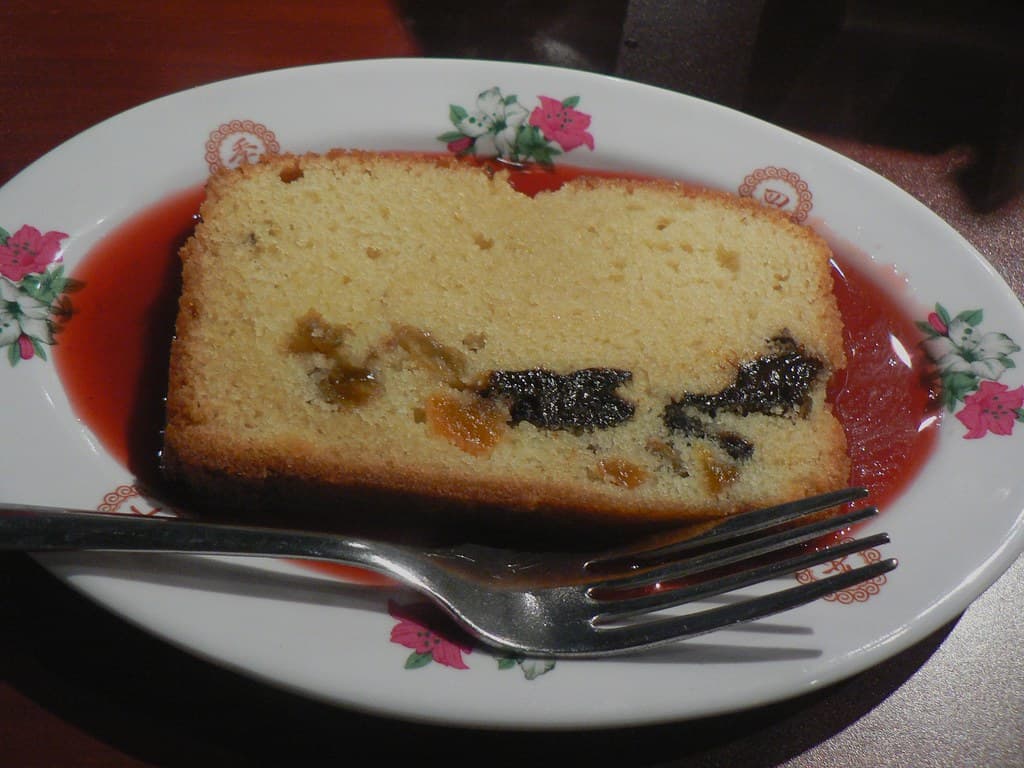
1930s-present
Prune Cake is a moist, spiced dessert that became popular during the Great Depression, utilizing affordable and shelf-stable prunes as a key ingredient. It reflects resourceful baking amid economic hardship.
America's Melting Pot
Sorghum Molasses Bread photo coming soon
1930s-present
Sorghum Molasses Bread is a hearty bread sweetened by sorghum molasses, popular during and after the Civil War as a sustaining food. Its simple ingredients and dense texture made it suitable for military and frontier kitchens, reflecting practical baking in austere conditions.
America's Melting Pot
Bacon Dressing / Hot Bacon Dressing photo coming soon
1800s-present
Bacon Dressing / Hot Bacon Dressing is a dressing with real American table personality: Pennsylvania Dutch and Midwestern spinach salad dressing. It brings flavor from Appalachia and Pennsylvania Dutch country to cookouts, counters, lunch plates, potlucks, and weeknight suppers.
Same table
America's Melting Pot
Sorghum Molasses Bread photo coming soon
1930s-present
Sorghum Molasses Bread is a hearty bread sweetened by sorghum molasses, popular during and after the Civil War as a sustaining food. Its simple ingredients and dense texture made it suitable for military and frontier kitchens, reflecting practical baking in austere conditions.
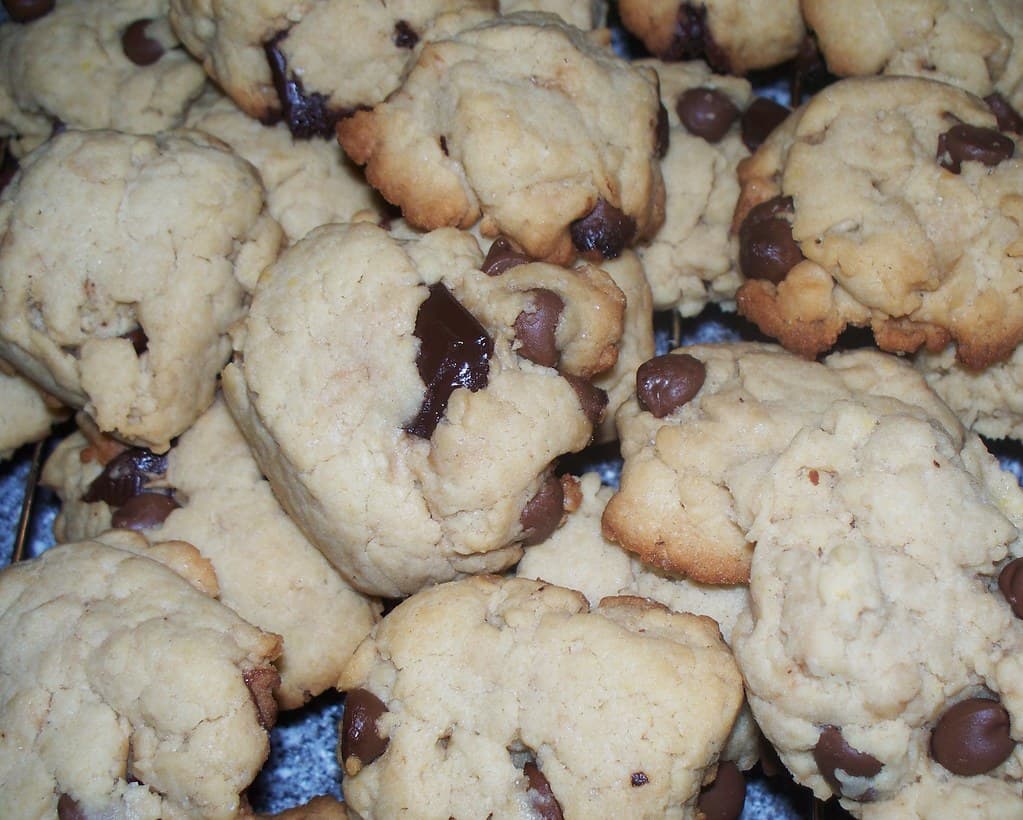
1938-present
Chocolate Chip Cookies became a quintessential American dessert in the postwar period (1946-1969), favored by families and children alike for lunchboxes and snacks. This recipe features a soft yet chewy texture with generous chocolate chips, embodying suburban baking traditions and the rise of accessible mass-produced chocolate chips. These cookies remain a nostalgic and beloved treat across the country.
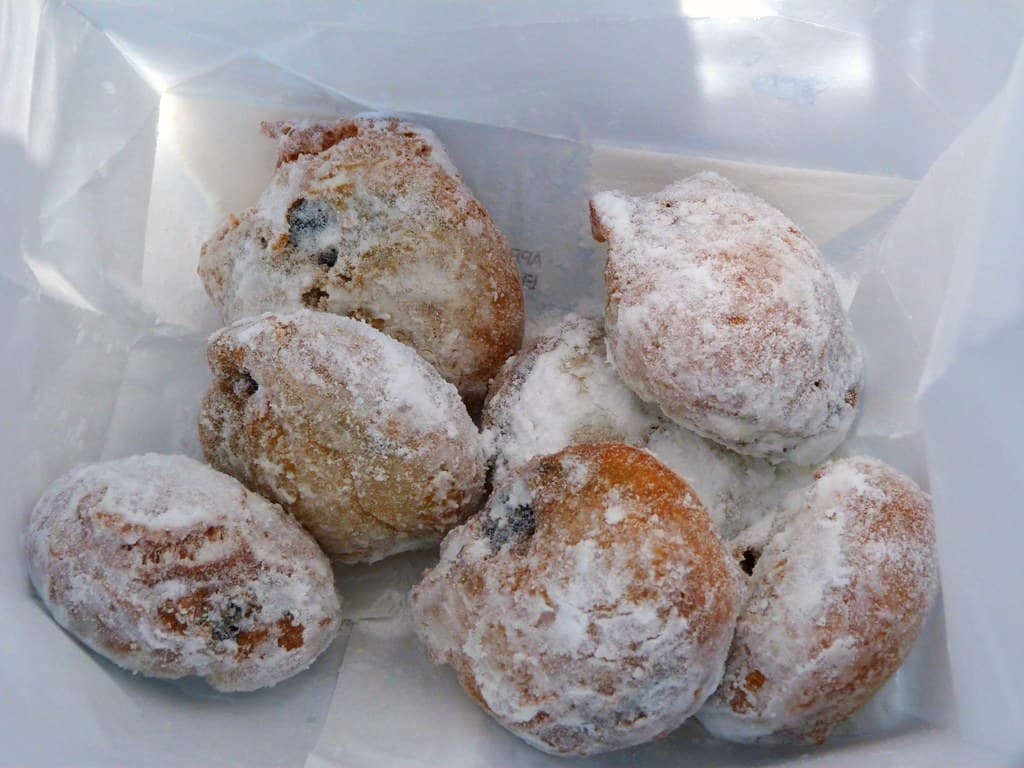
1990s-present
Fried Oreos feature Oreo cookies dipped in batter and deep fried, creating a warm, crispy, and gooey sweet treat. Popularized at American fairs and carnivals in the early 20th century, they blend convenience baking with indulgent frying.