
Recipe archive
Loading
Setting the table...
Fetching the latest recipes from the archive.
Loading
Fetching the latest recipes from the archive.
Recipe archive
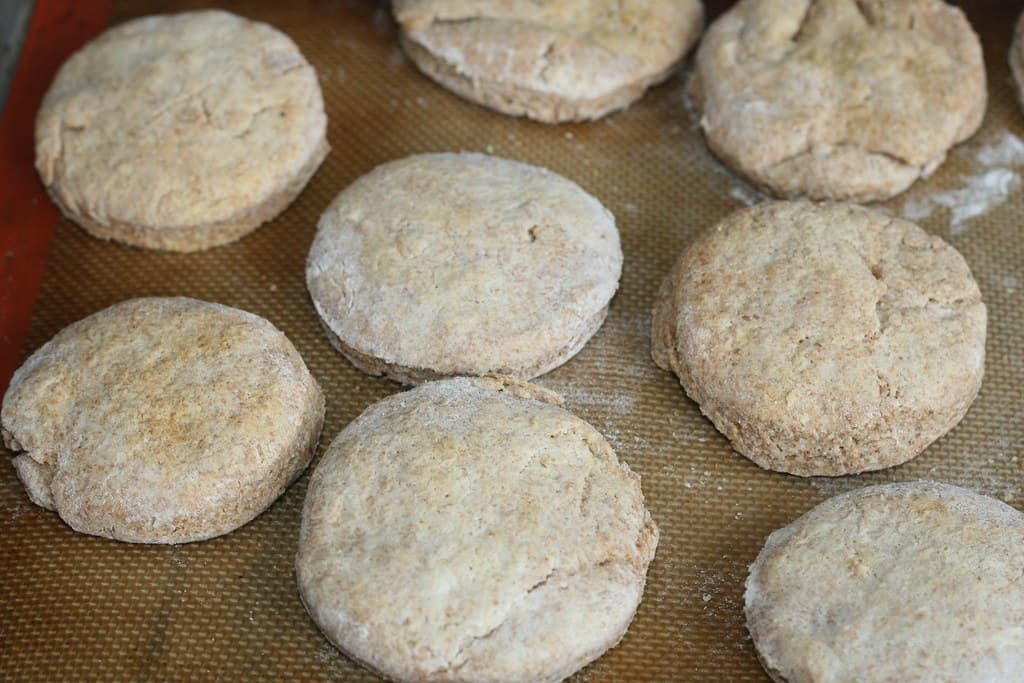
1861-1900 - Great Plains and West Coast settlers and chuckwagon cooks
Sourdough Biscuits utilize natural fermentation for leavening, resulting in light and flavorful biscuits that were staples for chuckwagon cooks and settlers on the Great Plains and West Coast during late 19th century expansion.
Community-powered photos. Reviewers can upload dish photos, and the highest-rated community image may be featured here.
Difficulty
Medium
Prep time
15 minutes
Cook time
15 minutes
Total time
30 minutes
Servings
8
Region
Great Plains, West Coast
Era introduced
1861-1900
Introduced by
Great Plains and West Coast settlers and chuckwagon cooks
Recipe tools
Log in to save this recipe to a collection.
Settlers and cattlemen of the Great Plains and West Coast adapted sourdough starters for biscuits, leveraging natural yeast to create fluffy bread before commercial leaveners were widely available. These biscuits became a practical, flavorful option in frontier and ranch kitchens during the Civil War and settlement era. The recipe reflects historical baking techniques and regional ingredient use.
Share family changes, regional twists, or pantry-friendly adaptations as full community recipes.
Log in to submit a community recipe.
No community recipes yet. Submitted recipes are published right away.
Rate this recipe and share how it worked at your table.
Log in to review this recipe.
No reviews yet. Be the first to rate this recipe.
Recipes matched by era, region, occasion, ingredients, and cultural roots from the archive.
Same era
America's Melting Pot
Army Bean Soup photo coming soon
1861-1900
A hearty military-style bean soup built on navy beans, smoked ham hock, onion, celery, carrot, and bay leaf, adapted for a home pot from large-batch service traditions.
1861-1900
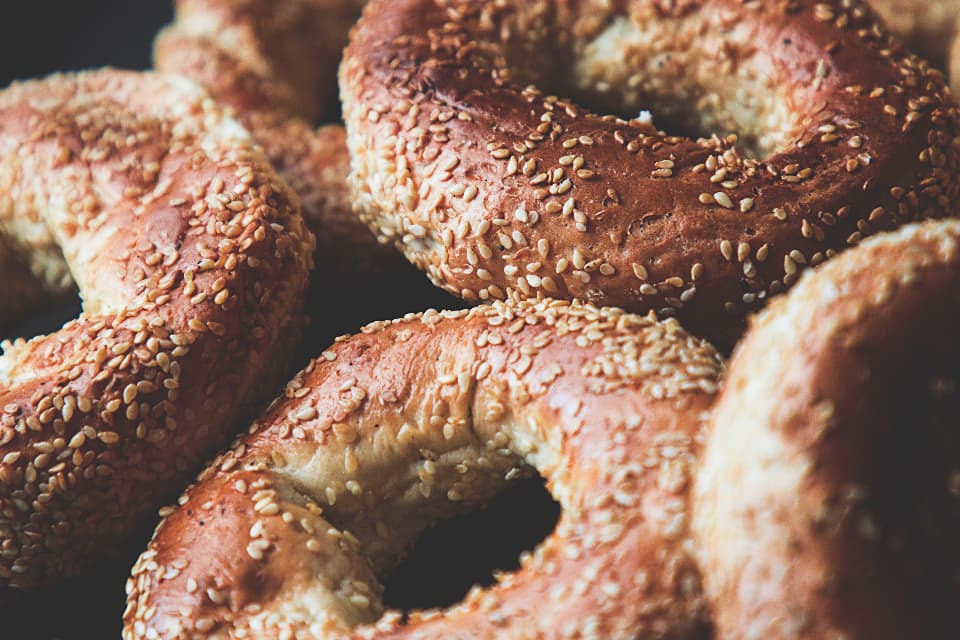
A basic homemade bagel recipe using high-protein flour, malt or brown sugar, a short boil, and a hot bake for chewy New York-style results.
America's Melting Pot
Bagels with Schmear photo coming soon
1861-1900
A deli-style bagel with a thick schmear of plain or scallion cream cheese, with optional onion, capers, tomato, and cucumber.
Same region
America's Melting Pot
Sand Plum Jelly photo coming soon
1700s-present
Sand Plum Jelly is a preserve with real American table personality: Great Plains and Oklahoma/Texas tradition. It brings flavor from Texas and the Southwest to cookouts, counters, lunch plates, potlucks, and weeknight suppers.
America's Melting Pot
Chuckwagon Beans photo coming soon
1861-1900
Chuckwagon Beans were a staple side dish for cattle drivers and settlers in the Great Plains during the late 19th century. Cooked slowly over open fires, these beans offered a nutritious, filling, and portable food suited to the long cattle drives and frontier life, combining simple pantry staples with smoked or cured pork.
America's Melting Pot
Dutch Oven Peach Cobbler photo coming soon
1861-1900
This classic peach cobbler bakes juicy sweet peaches under a biscuit-like topping inside a cast iron Dutch oven. Originating from cattle camps and chuckwagon cooking on the Great Plains during late 19th century, it is a rustic comfort dessert reflecting resourceful frontier foodways.
Same table
America's Melting Pot
Sourdough Bread photo coming soon
1849-present
Sourdough Bread is a crusty loaf leavened by naturally occurring wild yeasts from a fermented starter. It has been a staple throughout the West Coast from the Gold Rush through modern artisan baking, prized for its tangy flavor and chewy crumb.
America's Melting Pot
Sally Lunn Bread photo coming soon
1800s-present
Sally Lunn bread is a large, rich, slightly sweet yeast bread similar to brioche, originally from England and adopted in early America. This bread was common in late 18th-century American kitchens as a breakfast or tea-time bread owing to its tender crumb and buttery flavor.
1800-1860
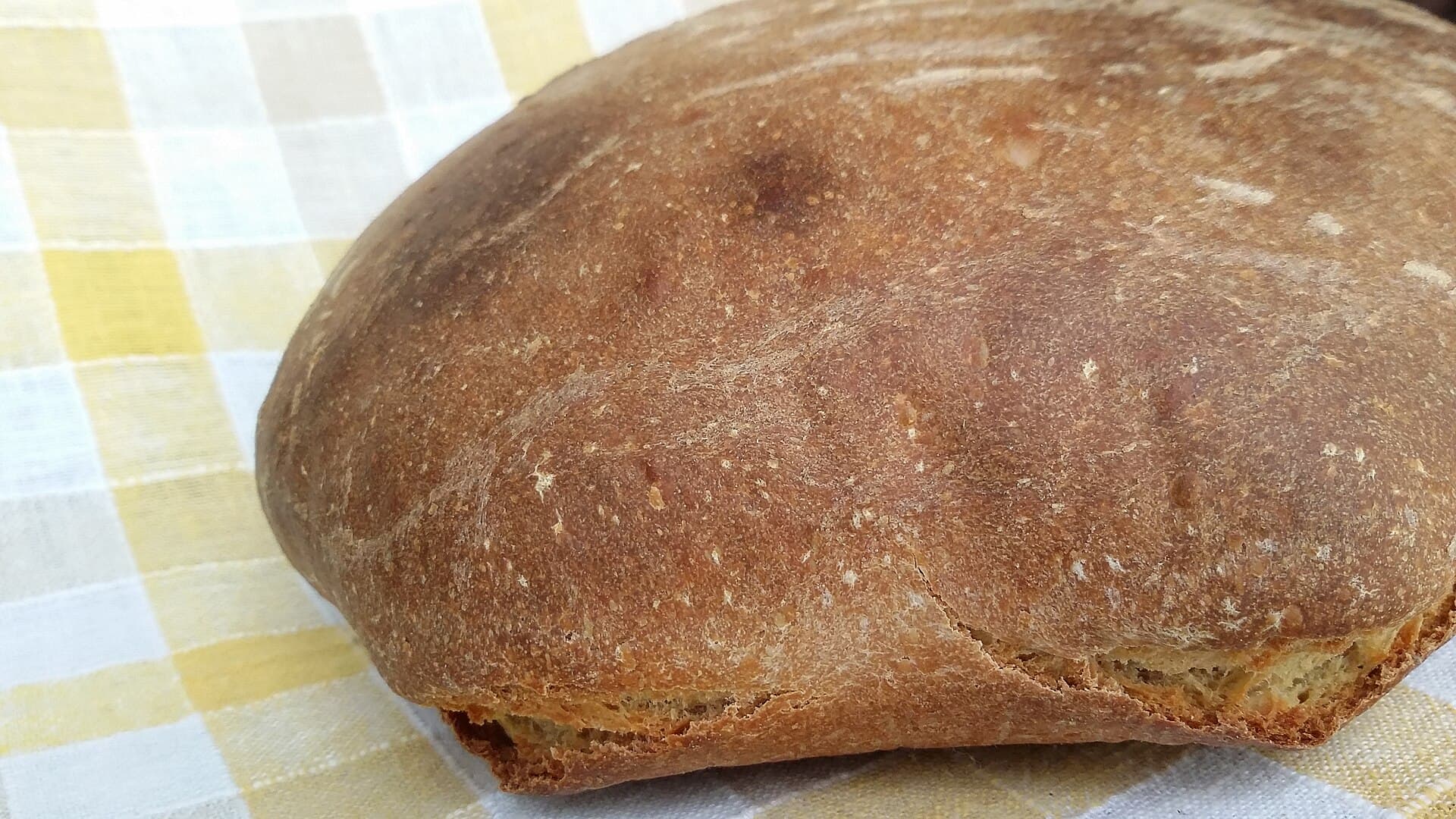
Salt-rising bread is an old-fashioned bread made with a starter that relies on naturally occurring bacteria instead of yeast, producing a dense loaf with a slightly tangy flavor. It is traditional in Appalachian and frontier regions from the early 19th century, reflecting resourceful baking.