
Recipe archive
Loading
Setting the table...
Fetching the latest recipes from the archive.
Loading
Fetching the latest recipes from the archive.
Recipe archive
America's Melting Pot
Sally Lunn Bread hero image coming soon
1776-1800 - English-American colonial bakers and households
Sally Lunn bread is a large, rich, slightly sweet yeast bread similar to brioche, originally from England and adopted in early America. This bread was common in late 18th-century American kitchens as a breakfast or tea-time bread owing to its tender crumb and buttery flavor.
No featured photo yet. Upload a photo with your review. The highest-rated community photo may become this recipe's hero image.
Difficulty
Medium
Prep time
30 minutes plus rising
Cook time
40 minutes
Total time
1 hour 30 minutes
Servings
1 loaf
Region
Virginia, Maryland, and Southern colonial tavern kitchens
Era introduced
1776-1800
Introduced by
English-American colonial bakers and households
Recipe tools
Log in to save this recipe to a collection.
Sally Lunn bread arrived in the American colonies from England in the 18th century, becoming a favored breakfast and tea bread due to its enriched dough made with butter, eggs, and sugar. It represents the transfer of English culinary tradition to the New World during the Revolutionary era, often enjoyed sliced and buttered at morning meals and social occasions.
Share family changes, regional twists, or pantry-friendly adaptations as full community recipes.
Log in to submit a community recipe.
No community recipes yet. Submitted recipes are published right away.
Rate this recipe and share how it worked at your table.
Log in to review this recipe.
No reviews yet. Be the first to rate this recipe.
Recipes matched by era, region, occasion, ingredients, and cultural roots from the archive.
Same era
America's Melting Pot
Ash Cakes photo coming soon
1776-1800
A plain cornmeal-and-water ash cake inspired by Revolutionary-era field cooking, adapted for a skillet or campfire with salt and a little fat for modern eatability.
America's Melting Pot
Bean Porridge photo coming soon
1776-1800
Bean porridge sits close to the everyday cooking of early America: beans or peas, water, a little meat when available, and meal to thicken the pot. It was plain food, but practical food, made in a kettle and stretched for households that needed warmth, calories, and thrift more than ceremony.
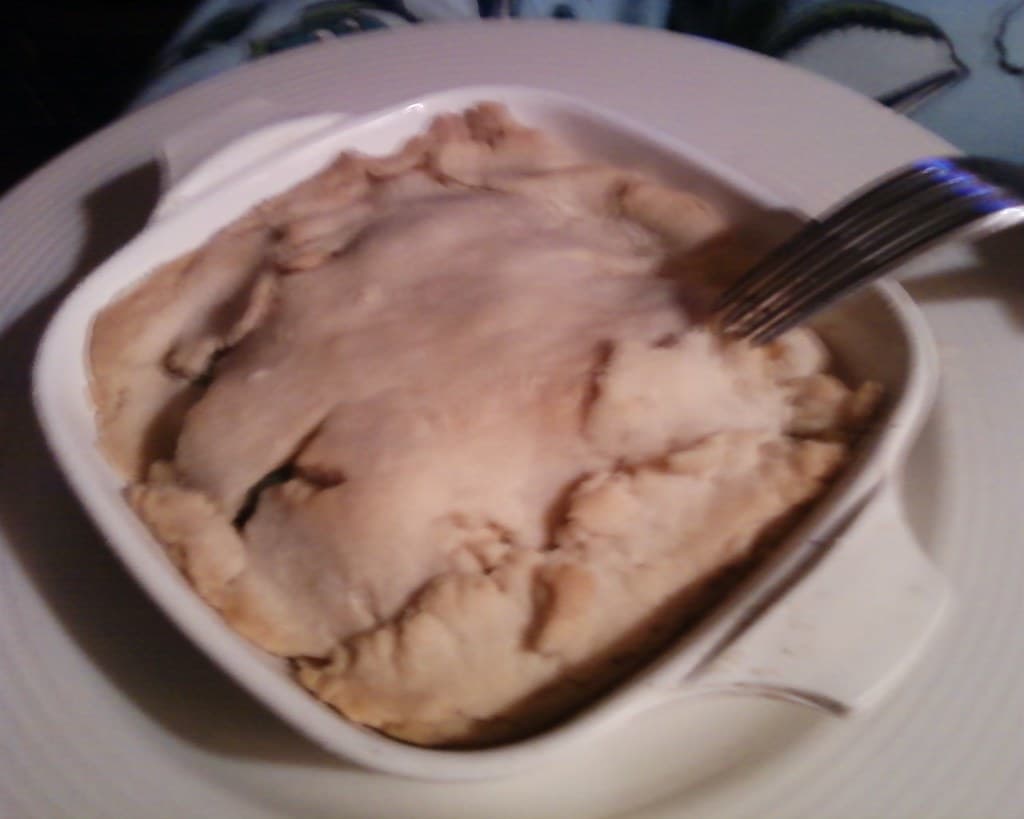
1700s-1800s
Chicken Pie is a hearty savory pie made with cooked chicken, vegetables, and a flaky pastry crust. Rooted in mid to late 19th-century railroad and boardinghouse cooking, it offered a portable, filling meal for workers and travelers during the Civil War and Reconstruction period, blending practicality with comforting flavors.
Same region
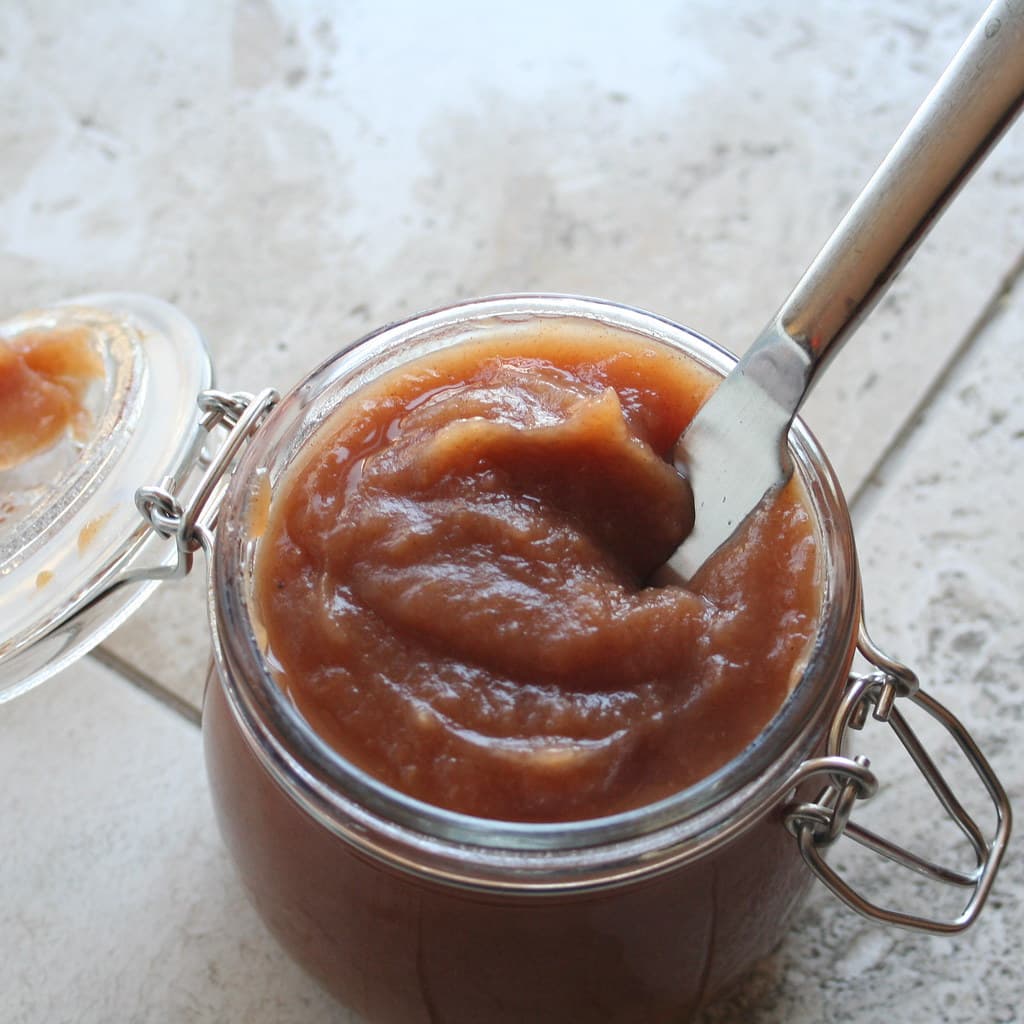
1700s-present
Apples cooked down with cider, sugar, and warm spices into a dark, spreadable fruit butter.
America's Melting Pot
Apple Butter on Biscuits photo coming soon
1700s-present
Warm buttermilk biscuits split and served with butter and spiced apple butter.

1900-2026
A Christmas and Easter baked ham glazed with brown sugar, mustard, cider vinegar, and cloves, baked until glossy and sliceable.
Same table
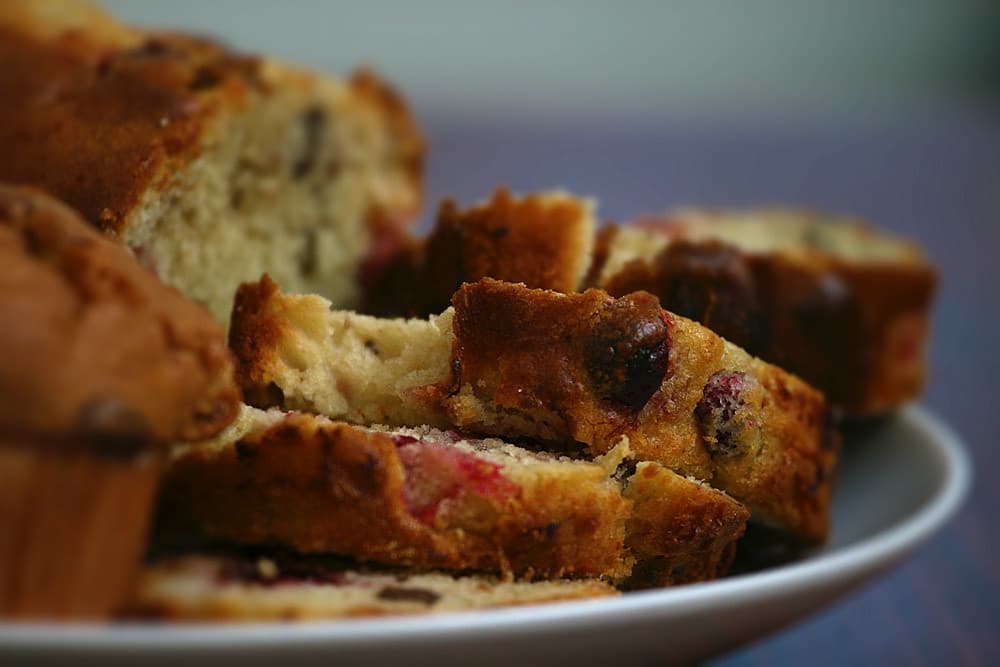
1800-1860
Moist quick bread studded with fresh cranberries, offering a balance of tart and sweet flavors. A traditional New England baked good enjoyed during the fall and winter months.
America's Melting Pot
Cinnamon Rolls with Chili photo coming soon
1944/1940s-present
A unique breakfast combining the sweet, soft cinnamon roll with a spicy chili twist, reflecting flavor fusions from the Great Plains region influenced by Mexican-American and Southwestern cuisines. This dish pairs the warming spices of cinnamon with hearty chili for a tasty and filling meal that honors regional culinary blending.
America's Melting Pot
Cream of Wheat photo coming soon
1893-present
Cream of Wheat is a smooth farina hot cereal made from wheat semolina, popular for American breakfasts since the early 20th century. Known for its creamy texture and mild flavor, it can be enriched with milk, butter, sugar, or spices, offering an energizing start to the day.