
Recipe archive
Loading
Setting the table...
Fetching the latest recipes from the archive.
Loading
Fetching the latest recipes from the archive.
Recipe archive
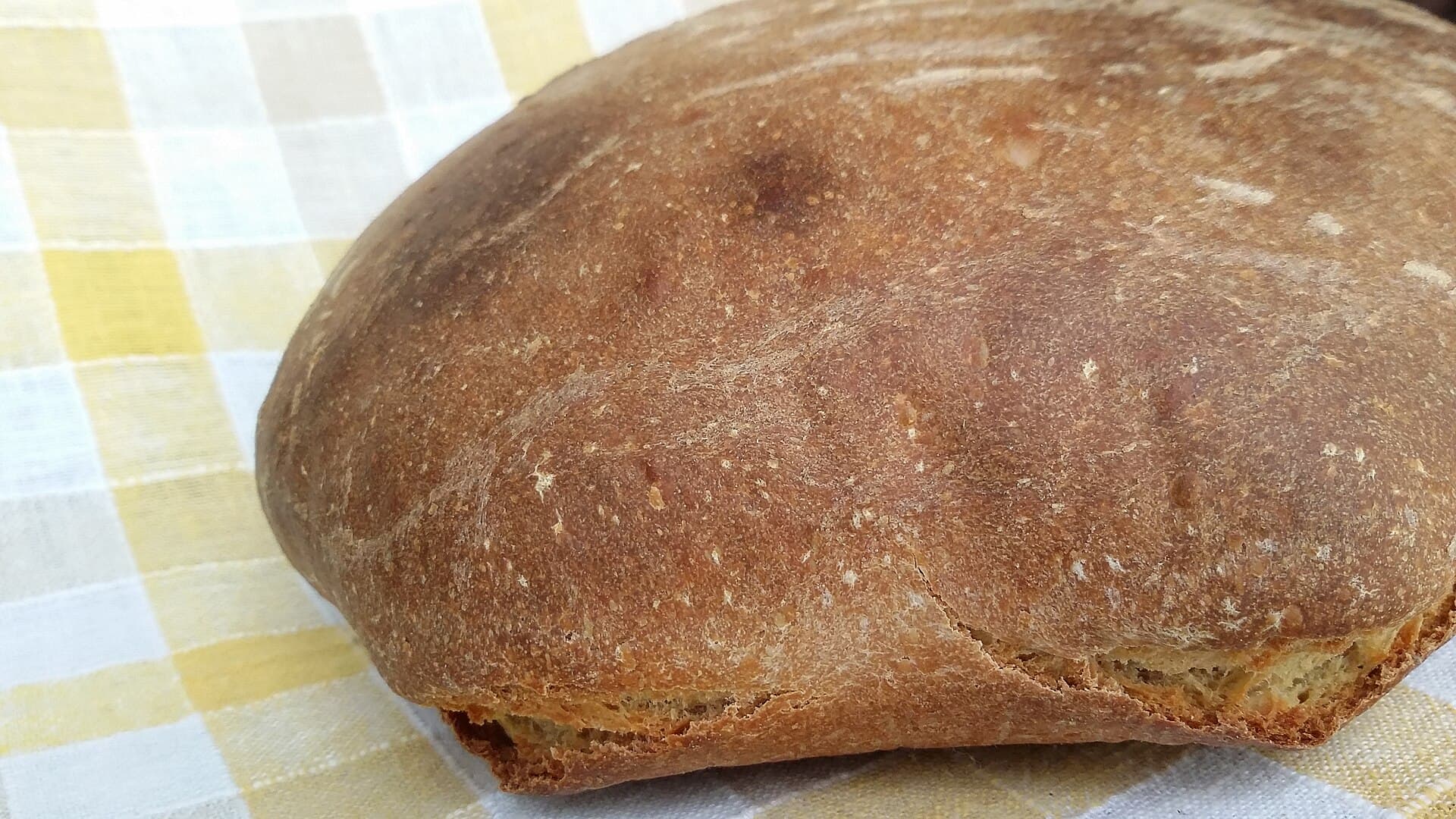
1800-1860 - Appalachian frontier bakers and pioneer households
Salt-rising bread is an old-fashioned bread made with a starter that relies on naturally occurring bacteria instead of yeast, producing a dense loaf with a slightly tangy flavor. It is traditional in Appalachian and frontier regions from the early 19th century, reflecting resourceful baking.
Community-powered photos. Reviewers can upload dish photos, and the highest-rated community image may be featured here.
Difficulty
Hard
Prep time
18 hours for starter plus 2 hours for dough
Cook time
45 minutes
Total time
20+ hours
Servings
1 loaf
Region
Appalachia
Era introduced
1800-1860
Introduced by
Appalachian frontier bakers and pioneer households
Recipe tools
Log in to save this recipe to a collection.
Salt-rising bread originated in Appalachian frontier areas during the early 19th century when commercial yeast was unavailable. Its distinctive fermentation uses wild bacteria that produce a characteristic flavor and texture, often described as savory and slightly cheesy. The bread symbolizes self-reliance and the adaptation of baking techniques to isolated rural environments.
Share family changes, regional twists, or pantry-friendly adaptations as full community recipes.
Log in to submit a community recipe.
No community recipes yet. Submitted recipes are published right away.
Rate this recipe and share how it worked at your table.
Log in to review this recipe.
No reviews yet. Be the first to rate this recipe.
Recipes matched by era, region, occasion, ingredients, and cultural roots from the archive.
Same era
America's Melting Pot
Acorn Bread photo coming soon
1800-1860
A nutty, lightly sweet quick bread made with properly leached acorn flour, cornmeal, and wheat flour.
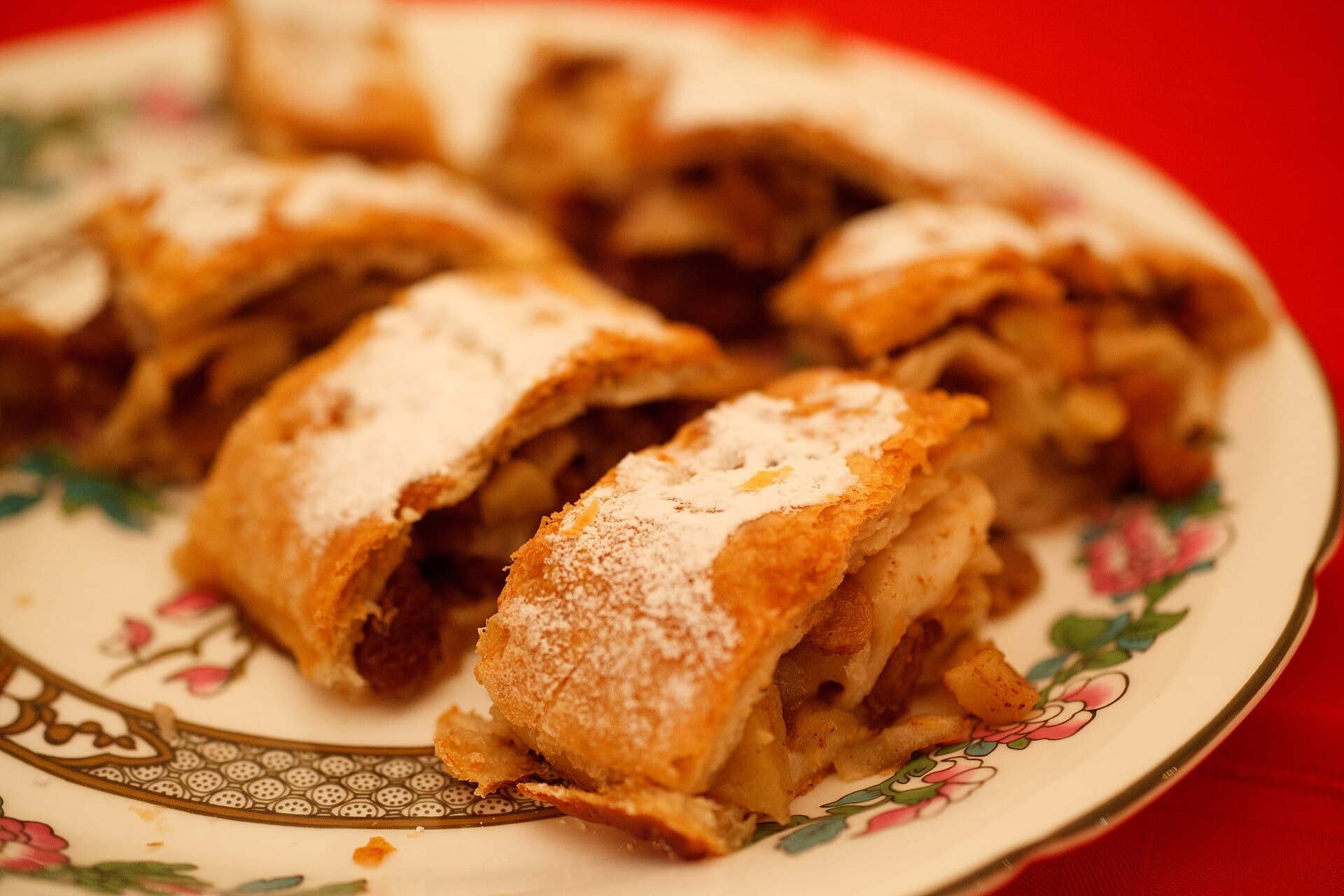
1800-1860
A German-American apple strudel made with crisp apples, raisins, cinnamon, buttered crumbs, and flaky phyllo for a practical home version of a Central European pastry.
America's Melting Pot
Asparagus photo coming soon
1800s/early 1900s-present
A bright American Easter asparagus side, quickly cooked and dressed with lemon butter, herbs, and hard-cooked egg in the spirit of old spring-table recipes.
Same region
America's Melting Pot
Country Sausage photo coming soon
1800-1860
A simple, flavorful country-style pork sausage widely made in Appalachian and frontier communities during the early 19th century. This sausage uses traditional seasoning and curing techniques for a hearty, rustic sausage link.
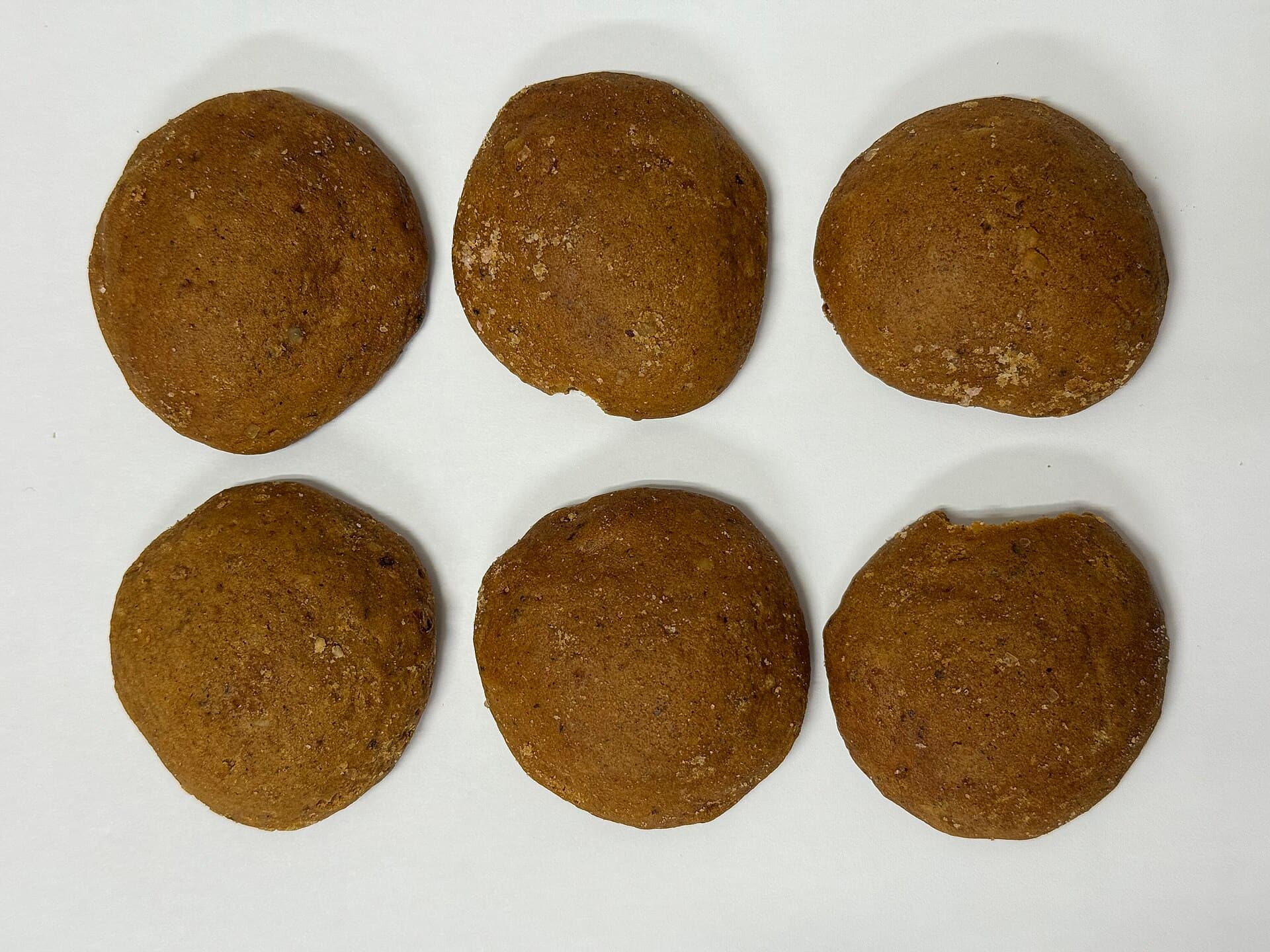
1776-1800
Molasses Cookies are chewy, spiced gingerbread-style cookies sweetened with rich molasses, reflecting early Appalachian and Revolutionary-era American baking traditions. These cookies were popular among settlers who used molasses as an affordable sweetener and incorporated warming spices for flavor. They became a staple of military rations and domestic kitchens during the Civil War era, offering comfort and energy.
America's Melting Pot
Rabbit with Dumplings photo coming soon
1800-1860
Rabbit with Dumplings is a traditional Appalachian dish pairing tender rabbit stew with hand-rolled dough dumplings. Popular in rural homes during early 19th-century expansion and frontier life, this hearty meal provides comfort and sustenance using available game and pantry staples.
Same table
America's Melting Pot
Rye and Indian Bread photo coming soon
1700s-present
This bread combines rye flour and cornmeal (referred to historically as Indian meal) to create a rustic, hearty loaf common in late 18th-century American households. It reflects grain availability and regional adaptation in early Revolutionary-era American baking.
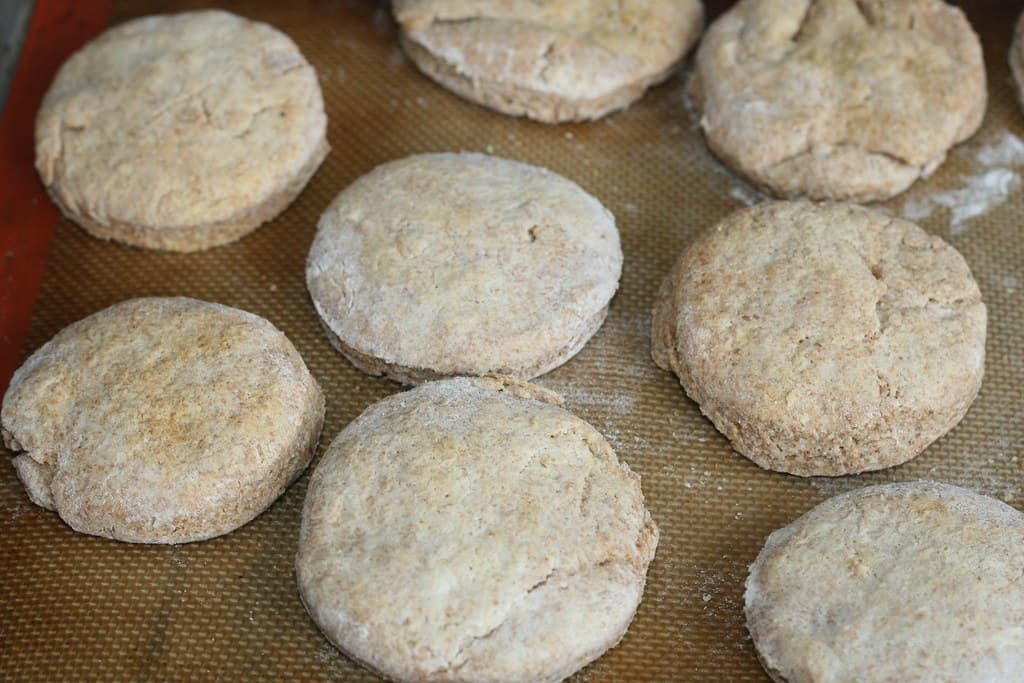
1861-1900
Sourdough Biscuits utilize natural fermentation for leavening, resulting in light and flavorful biscuits that were staples for chuckwagon cooks and settlers on the Great Plains and West Coast during late 19th century expansion.
America's Melting Pot
Creamed Peas on Toast photo coming soon
1930s-1940s
Creamed Peas on Toast was a frugal, filling dish common during the Great Depression era, making use of canned or fresh peas in a creamy sauce served over toasted bread. It provided an economical, nourishing meal when resources were scarce, and remains a nostalgic example of Depression-era cooking.