
Recipe archive
Loading
Setting the table...
Fetching the latest recipes from the archive.
Loading
Fetching the latest recipes from the archive.
Recipe archive

1800-1860 - Farm families and home cooks during the Depression and Dust Bowl period.
This traditional stewed tomatoes recipe reflects the practicality of Dust Bowl-era and wartime farm survival cooking. Using fresh or canned tomatoes, it creates a homey, warming stew often served with staple grains or breads, highlighting the resourceful use of garden produce.
Community-powered photos. Reviewers can upload dish photos, and the highest-rated community image may be featured here.
Difficulty
Easy
Prep time
10 minutes
Cook time
30 minutes
Total time
40 minutes
Servings
4-6
Region
Southern and Mid-Atlantic tomato-canning and supper kitchens
Era introduced
1800-1860
Introduced by
Farm families and home cooks during the Depression and Dust Bowl period.
Recipe tools
Log in to save this recipe to a collection.
During the hardships of the Dust Bowl and the Depression, home cooks maximized use of available garden produce and preserved foods. Stewed tomatoes provided a nourishing, affordable dish made with fresh or canned tomatoes slowly cooked with basic seasonings. This recipe embodies the spirit of farmstead resilience and kitchen ingenuity during tough times, when simple ingredients became comforting sustenance.
Share family changes, regional twists, or pantry-friendly adaptations as full community recipes.
Log in to submit a community recipe.
No community recipes yet. Submitted recipes are published right away.
Rate this recipe and share how it worked at your table.
Log in to review this recipe.
No reviews yet. Be the first to rate this recipe.
Recipes matched by era, region, occasion, ingredients, and cultural roots from the archive.
Same era
America's Melting Pot
Acorn Bread photo coming soon
1800-1860
A nutty, lightly sweet quick bread made with properly leached acorn flour, cornmeal, and wheat flour.
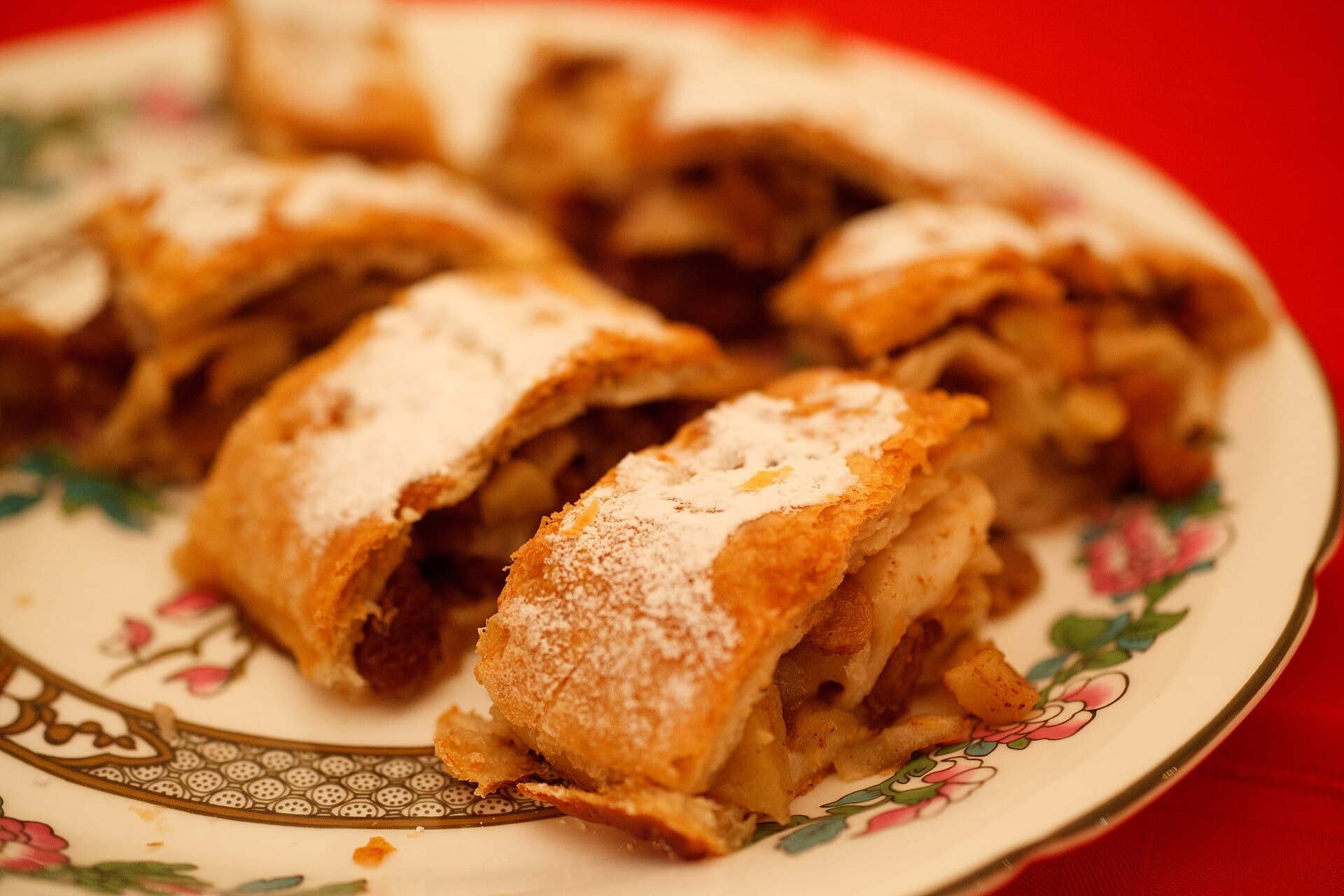
1800-1860
A German-American apple strudel made with crisp apples, raisins, cinnamon, buttered crumbs, and flaky phyllo for a practical home version of a Central European pastry.
America's Melting Pot
Asparagus photo coming soon
1800s/early 1900s-present
A bright American Easter asparagus side, quickly cooked and dressed with lemon butter, herbs, and hard-cooked egg in the spirit of old spring-table recipes.
Same region
America's Melting Pot
Ambrosia Salad photo coming soon
1950s-present
A midcentury-style fruit salad with pineapple, mandarin oranges, coconut, marshmallows, and a creamy dressing.
America's Melting Pot
Boardinghouse Meatloaf photo coming soon
1861-1900
Boardinghouse meatloaf fits kitchens that had to feed many people from affordable ingredients. Ground meat, binders, vegetables, and a sweet-tangy glaze made a loaf that sliced neatly, stretched well, and reheated for leftovers.

1900-2026
The bologna sandwich is lunchbox America: inexpensive sliced meat, soft bread, and a condiment. Fried bologna versions became especially beloved in Southern diners, Midwestern bars, and home kitchens where a quick skillet turned lunch meat into comfort food.
Same table
America's Melting Pot
Depression Soup photo coming soon
1929-1939
Depression soup is a simple, hearty soup made from inexpensive vegetables, beans, and pantry staples to stretch limited resources. Rooted in 1930s and 1940s home cooking, it embodies the resourcefulness of families coping with economic hardship.
America's Melting Pot
Mulligan Stew photo coming soon
1900s-1930s
Mulligan Stew is a traditional American soup-stew known for its flexible, resourceful use of available ingredients, emerging prominently during the Great Depression and wartime rationing. This dish reflects a practical approach to feeding many with limited resources, often combining leftover meats, vegetables, and whatever was on hand in a one-pot meal.
America's Melting Pot
Navy Bean Soup photo coming soon
1900s-present
Navy Bean Soup is a simple, hearty soup featuring white navy beans simmered with vegetables and ham or pork, widely consumed during the Great Depression and wartime for its affordability and sustenance. The soup became a staple in military and civilian kitchens alike.