
Recipe archive
Loading
Setting the table...
Fetching the latest recipes from the archive.
Loading
Fetching the latest recipes from the archive.
Recipe archive
America's Melting Pot
Tater Tot Hotdish hero image coming soon
Postwar & Diner Age - Upper Midwest church-supper cooks using postwar convenience foods
A practical Upper Midwest casserole layered with seasoned beef, vegetables, creamy sauce, cheese, and crisp tater tots.
No featured photo yet. Upload a photo with your review. The highest-rated community photo may become this recipe's hero image.
Difficulty
Easy
Prep time
15 minutes
Cook time
45 minutes
Total time
1 hour
Servings
6
Region
Minnesota and the Upper Midwest
Era introduced
Postwar & Diner Age
Introduced by
Upper Midwest church-supper cooks using postwar convenience foods
Recipe tools
Log in to save this recipe to a collection.
Hotdish represents the practical genius of American home cooking: economical ingredients, a single pan, and enough comfort to feed a cold-weather crowd. Frozen potatoes and canned soup made it a postwar staple, but family versions remain fiercely personal.
Share family changes, regional twists, or pantry-friendly adaptations as full community recipes.
Log in to submit a community recipe.
No community recipes yet. Submitted recipes are published right away.
Rate this recipe and share how it worked at your table.
Log in to review this recipe.
No reviews yet. Be the first to rate this recipe.
Recipes matched by era, region, occasion, ingredients, and cultural roots from the archive.
Same era
America's Melting Pot
Ambrosia Dressing photo coming soon
1940s-1970s
Ambrosia Dressing is a spread with real American table personality: Southern/midcentury fruit salad dressing. It brings flavor from the American South to cookouts, counters, lunch plates, potlucks, and weeknight suppers.
America's Melting Pot
Ambrosia Salad photo coming soon
1950s-present
A midcentury-style fruit salad with pineapple, mandarin oranges, coconut, marshmallows, and a creamy dressing.
America's Melting Pot
Awful Awful photo coming soon
1940s-present
Awful Awful celebrates New England dairy-bar pride in a cold glass: Rhode Island/New England ice milk shake tradition.
Same region
America's Melting Pot
BBQ Beef Sandwiches photo coming soon
1970-2026
This sandwich turns pot roast into crowd food: cook beef until it pulls apart, simmer it in barbecue sauce, and serve it from a slow cooker or Dutch oven. It fits the late-20th-century world of booster clubs, church suppers, and game-day tables, where economical roasts could feed a line of hungry fans.
America's Melting Pot
Beef and Noodles photo coming soon
1861-1900
Beef and noodles is plainspoken comfort food: slow-cooked beef, rich broth, and egg noodles served as a main dish or over mashed potatoes. It fits the railroad, boardinghouse, and settlement table because it stretches a roast into a filling meal and reflects German and Amish noodle traditions carried into the Midwest and Great Plains.
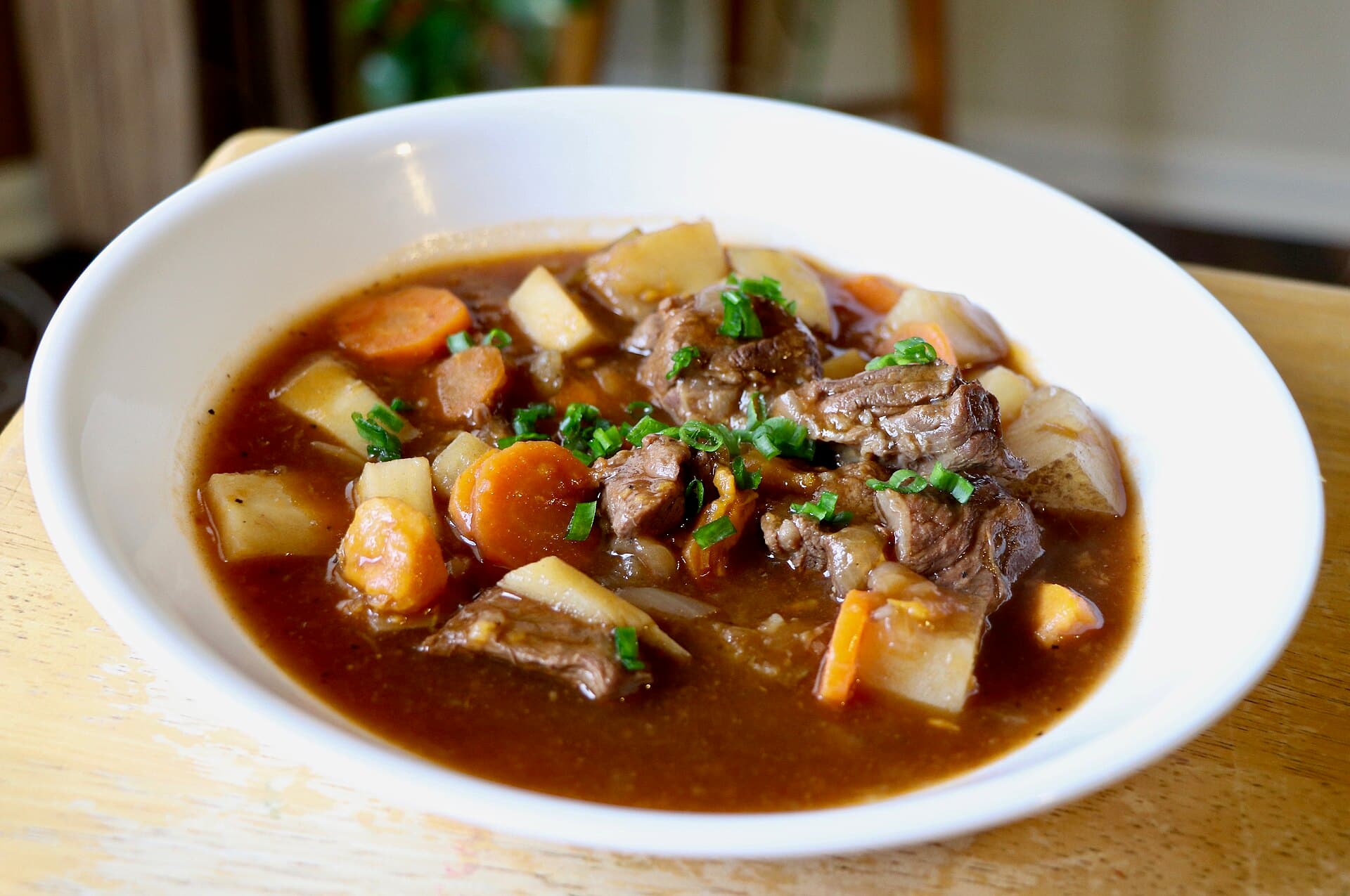
1800-2026
Beef stew is old-world pot cooking adapted to American beef country, boardinghouses, and family kitchens. Browning the meat, simmering it gently, and adding vegetables in stages turns inexpensive chuck into a cold-weather meal.
Same table
America's Melting Pot
Bierocks photo coming soon
1870-2026
Bierocks traveled with Volga German communities into Kansas, Nebraska, and the Great Plains. They are field food and comfort food at once: portable bread pockets filled with seasoned beef and cabbage, closely related to Nebraska runzas.
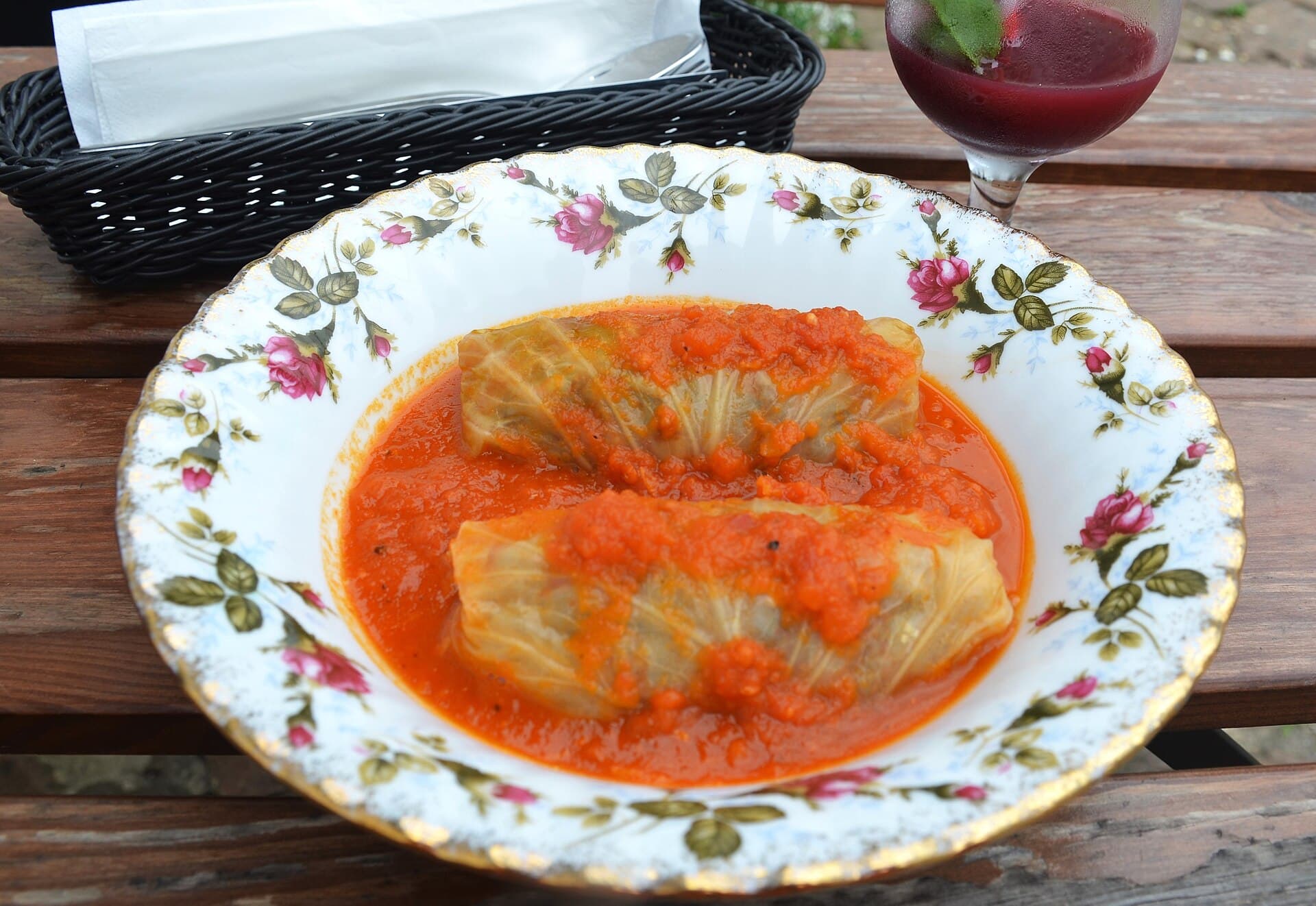
1900-2026
Cabbage rolls came to American tables through many Eastern European and Jewish immigrant communities. Polish golabki, Ukrainian holubtsi, Slovak holubky, Jewish holishkes, and related dishes all wrap humble cabbage around a filling that stretches meat with rice or grain.
America's Melting Pot
Chicken and Rice Casserole photo coming soon
1941-2026
A comforting chicken and rice casserole made with uncooked rice, chicken pieces, condensed cream soup, broth, and a simple baked finish.