
Recipe archive
Loading
Setting the table...
Fetching the latest recipes from the archive.
Loading
Fetching the latest recipes from the archive.
Recipe archive
America's Melting Pot
Tea Cakes hero image coming soon
1800-1860 - Southern home cooks and tavern kitchens in the 19th century American South.
Tea Cakes are tender, sweet biscuits popular in the American South during the 19th century. These lightly sweetened cakes were often served at teatime or after dinner and embody Southern hospitality and simple ingredients typical of the era. Their crisp exterior and soft interior make them a beloved traditional dessert.
No featured photo yet. Upload a photo with your review. The highest-rated community photo may become this recipe's hero image.
Difficulty
Easy
Prep time
15 minutes
Cook time
12 minutes
Total time
27 minutes
Servings
6 servings
Region
South
Era introduced
1800-1860
Introduced by
Southern home cooks and tavern kitchens in the 19th century American South.
Recipe tools
Log in to save this recipe to a collection.
Tea Cakes are a traditional Southern sweet biscuit known for their crisp exterior and tender crumb. Emerging notably in the antebellum and Civil War era South, these cakes were a staple of simple hospitality and home cooking. Often served alongside tea, they reflect the resourcefulness and charm of Southern families who prized easy-to-make desserts from pantry staples. Though the name may confuse some, Tea Cakes are more biscuit than cake and remain loved in Southern kitchens today.
Share family changes, regional twists, or pantry-friendly adaptations as full community recipes.
Log in to submit a community recipe.
No community recipes yet. Submitted recipes are published right away.
Rate this recipe and share how it worked at your table.
Log in to review this recipe.
No reviews yet. Be the first to rate this recipe.
Recipes matched by era, region, occasion, ingredients, and cultural roots from the archive.
Same era
America's Melting Pot
Acorn Bread photo coming soon
1800-1860
A nutty, lightly sweet quick bread made with properly leached acorn flour, cornmeal, and wheat flour.
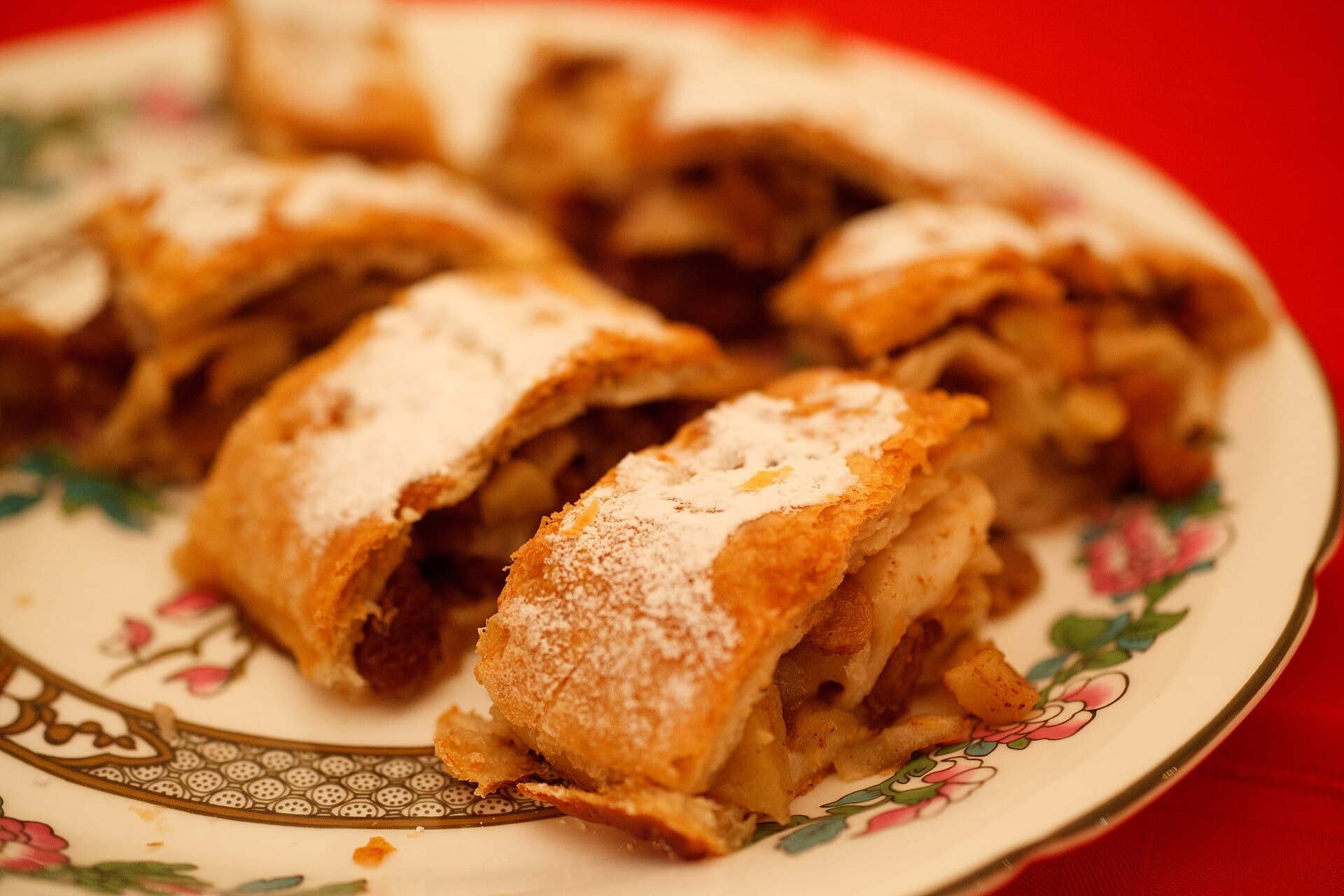
1800-1860
A German-American apple strudel made with crisp apples, raisins, cinnamon, buttered crumbs, and flaky phyllo for a practical home version of a Central European pastry.
America's Melting Pot
Asparagus photo coming soon
1800s/early 1900s-present
A bright American Easter asparagus side, quickly cooked and dressed with lemon butter, herbs, and hard-cooked egg in the spirit of old spring-table recipes.
Same region
America's Melting Pot
Field Peas with Ham Hock photo coming soon
1861-1900
Field Peas with Ham Hock is a traditional Southern dish combining slow-cooked field peas and savory ham hock for a flavorful, hearty side or main. This dish dates back to post-Civil War Reconstruction era Southern resilience and resourcefulness in cooking.
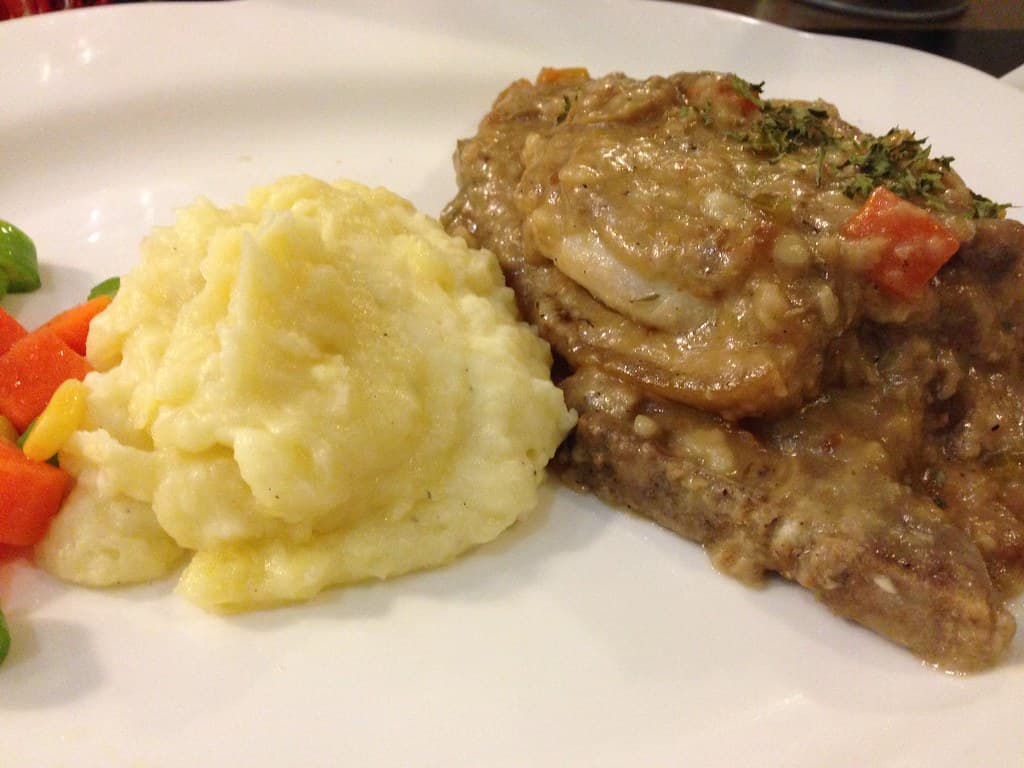
1861-1900
Smothered pork chops are a classic Southern dish featuring pork chops cooked slowly in a rich onion gravy. This comforting recipe reflects Southern resilience and resourcefulness during and after the Civil War, when affordable cuts and flavorful preparation were essential.
America's Melting Pot
Vinegar Pie photo coming soon
1861-1900
A simple Southern American pie made with basic pantry ingredients including vinegar, which provides tartness to balance the sweet filling. This economical dessert originated during the Reconstruction era and symbolized resilience through scarcity.
Same table
America's Melting Pot
Rosettes photo coming soon
1861-1900
Rosettes are delicate, deep-fried Scandinavian pastries made from a thin batter shaped in flower forms using a special iron mold. Brought by Norwegian and Swedish immigrants to the Midwest in the 19th century, rosettes remain a festive treat often served during holidays and celebrations.
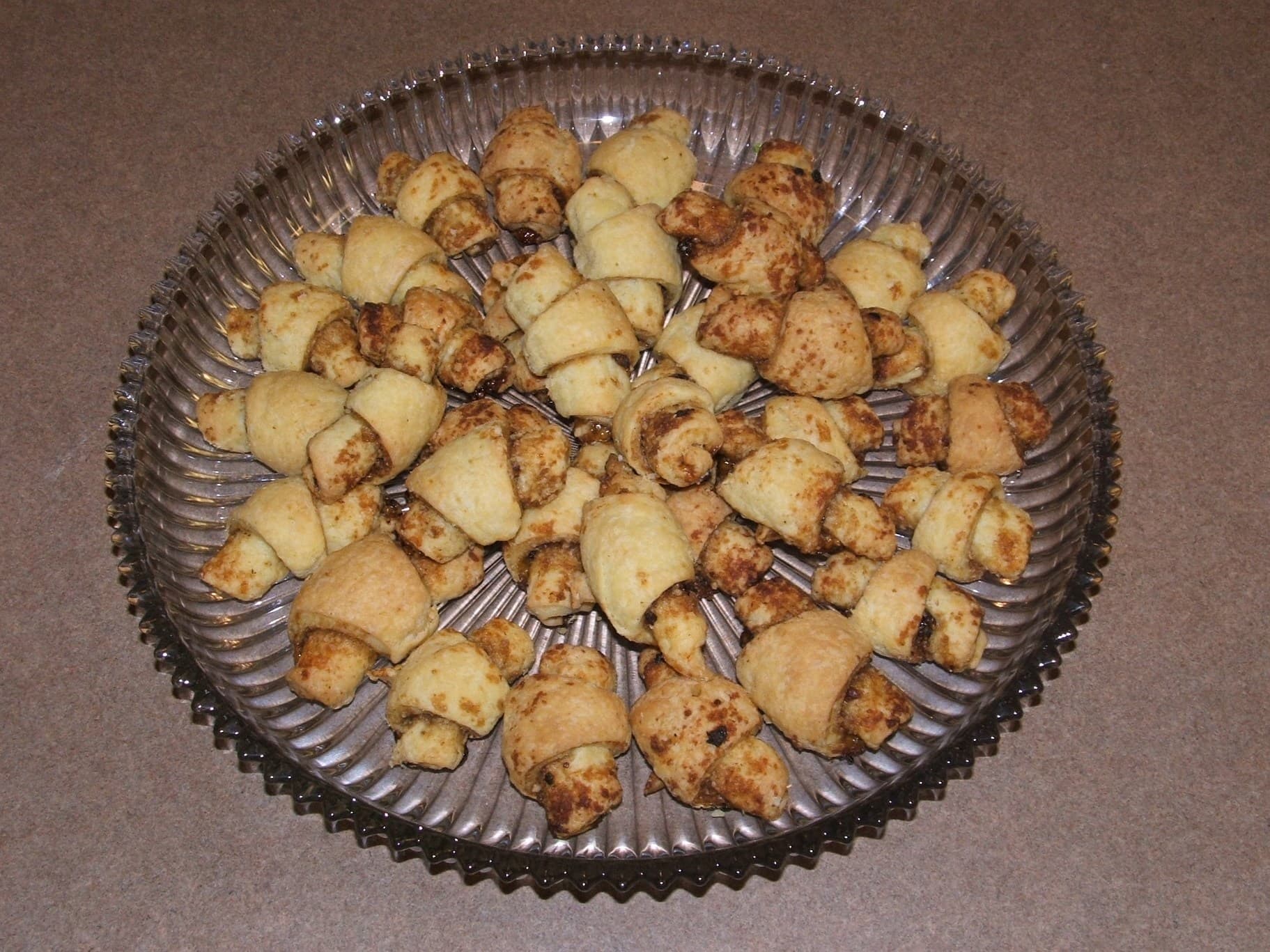
1880s-present
Rugelach are traditional Jewish pastries made from cream cheese dough folded with fillings such as nuts, raisins, or fruit preserves, shaped into crescent rolls. Brought to America by Eastern European Jewish immigrants, rugelach has become a beloved baked good beyond its origins.
America's Melting Pot
Sandbakkels photo coming soon
1861-1900
Sandbakkels are Norwegian buttery, crisp sugar cookies baked in fluted tins to create delicate, cup-shaped treats. They have been preserved and popularized by Scandinavian-American families in the Midwest since the 19th century, often served during Christmas and special occasions.