
Recipe archive
Loading
Setting the table...
Fetching the latest recipes from the archive.
Loading
Fetching the latest recipes from the archive.
Recipe archive
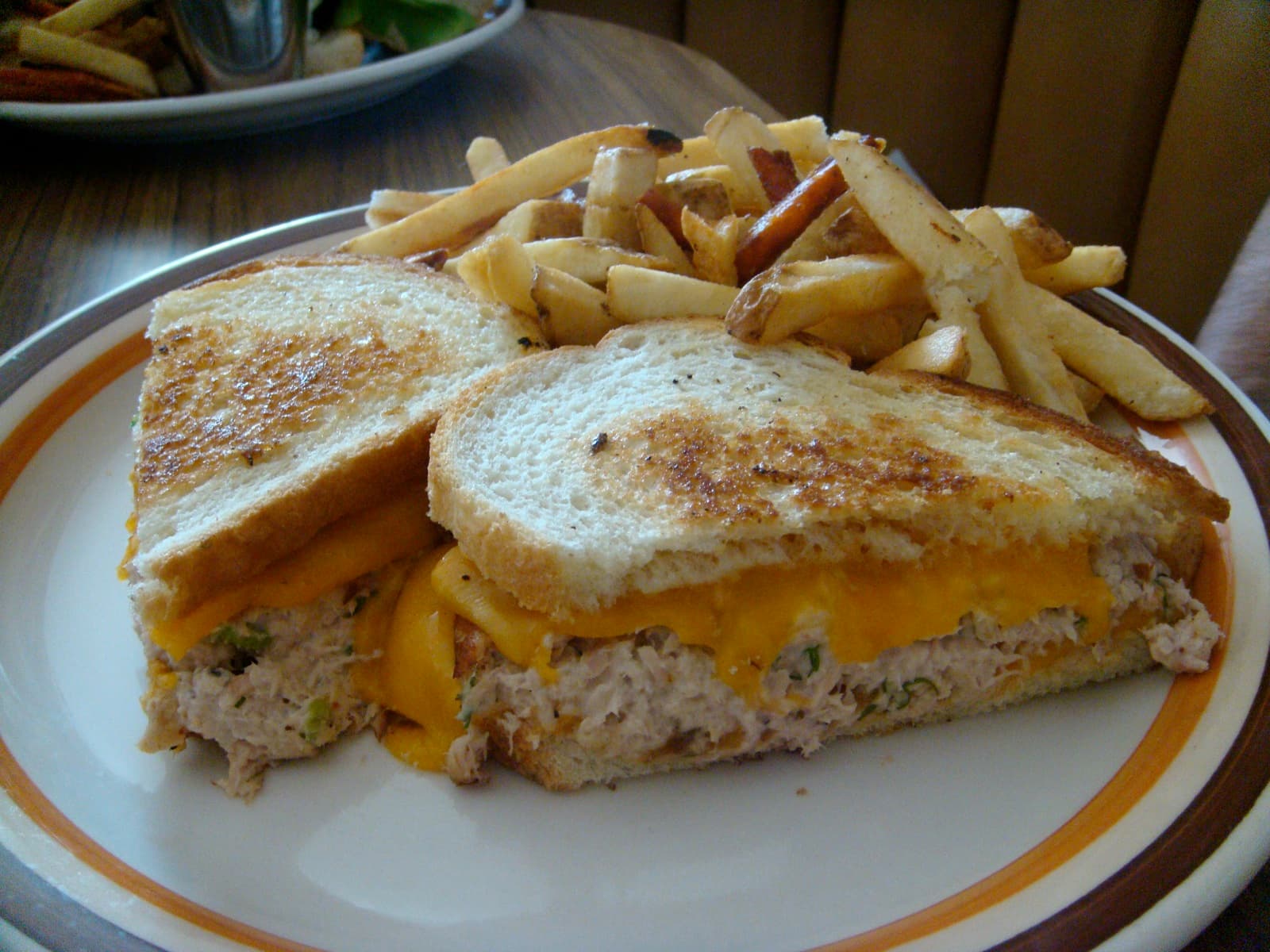
1946-1969 - American diner and lunch counter cooks in immigrant city neighborhoods.
The tuna melt combines tuna salad and melted cheese between toasted bread slices, a staple at American diners and lunch counters in the early 20th century. Its warm, hearty appeal made it a popular comfort food across immigrant city neighborhoods and state fairs.
Community-powered photos. Reviewers can upload dish photos, and the highest-rated community image may be featured here.
Difficulty
Easy
Prep time
10 minutes
Cook time
10 minutes
Total time
20 minutes
Servings
2 sandwiches
Region
Charleston Woolworth lunch-counter tuna melt kitchens
Era introduced
1946-1969
Introduced by
American diner and lunch counter cooks in immigrant city neighborhoods.
Recipe tools
Log in to save this recipe to a collection.
The tuna melt sandwich emerged in American diners and lunch counters during the early 1900s, coinciding with the rise of tuna as an affordable canned protein. Combining tuna salad with cheese on toasted bread offered a hot sandwich variation beloved by working-class patrons and fair visitors. It exemplifies immigrant city culinary creativity, adapting simple ingredients into satisfying dishes suited for quick service environments.
Share family changes, regional twists, or pantry-friendly adaptations as full community recipes.
Log in to submit a community recipe.
No community recipes yet. Submitted recipes are published right away.
Rate this recipe and share how it worked at your table.
Log in to review this recipe.
No reviews yet. Be the first to rate this recipe.
Recipes matched by era, region, occasion, ingredients, and cultural roots from the archive.
Same era
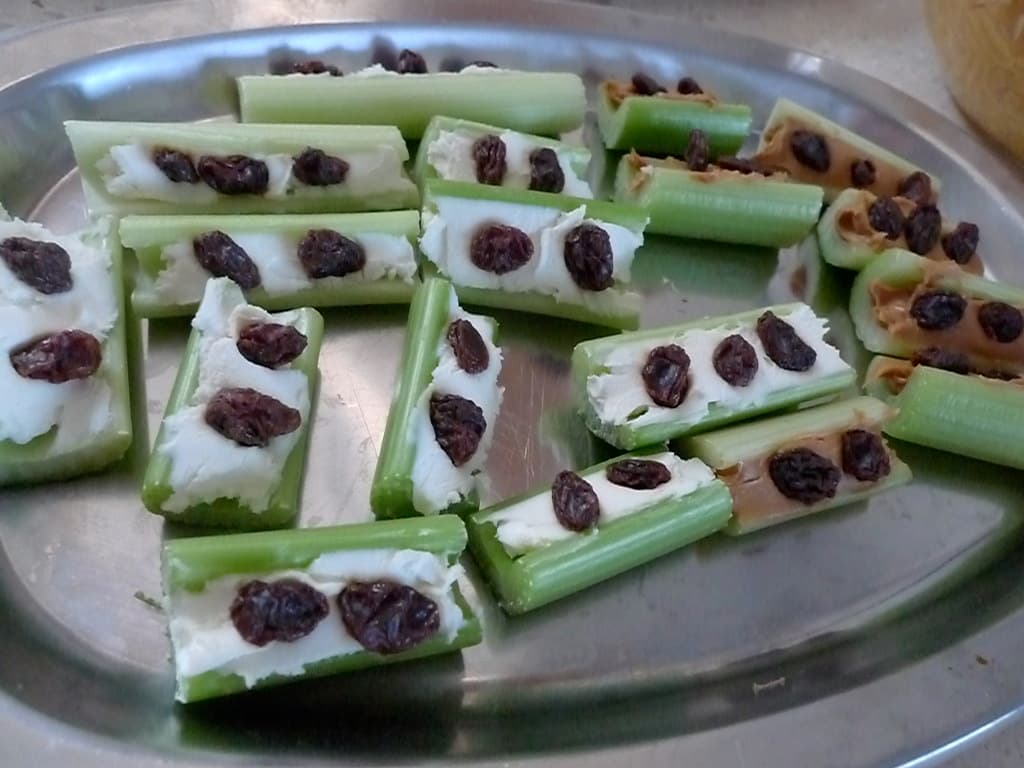
1950s-present
Celery sticks filled with peanut butter and topped with raisins, the classic American kid snack.
America's Melting Pot
Arby's-Style Horsey Sauce photo coming soon
1964-1970s
Arby's-Style Horsey Sauce is a sandwich sauce with real American table personality: Fast-food horseradish mayo tradition. It brings flavor from coast-to-coast American tables to cookouts, counters, lunch plates, potlucks, and weeknight suppers.
America's Melting Pot
Bacon-Wrapped Water Chestnuts photo coming soon
1946-1969
Crunchy water chestnuts wrapped in bacon, baked until crisp, and glazed with a brown sugar, soy, ketchup, and Worcestershire sauce.
Same region
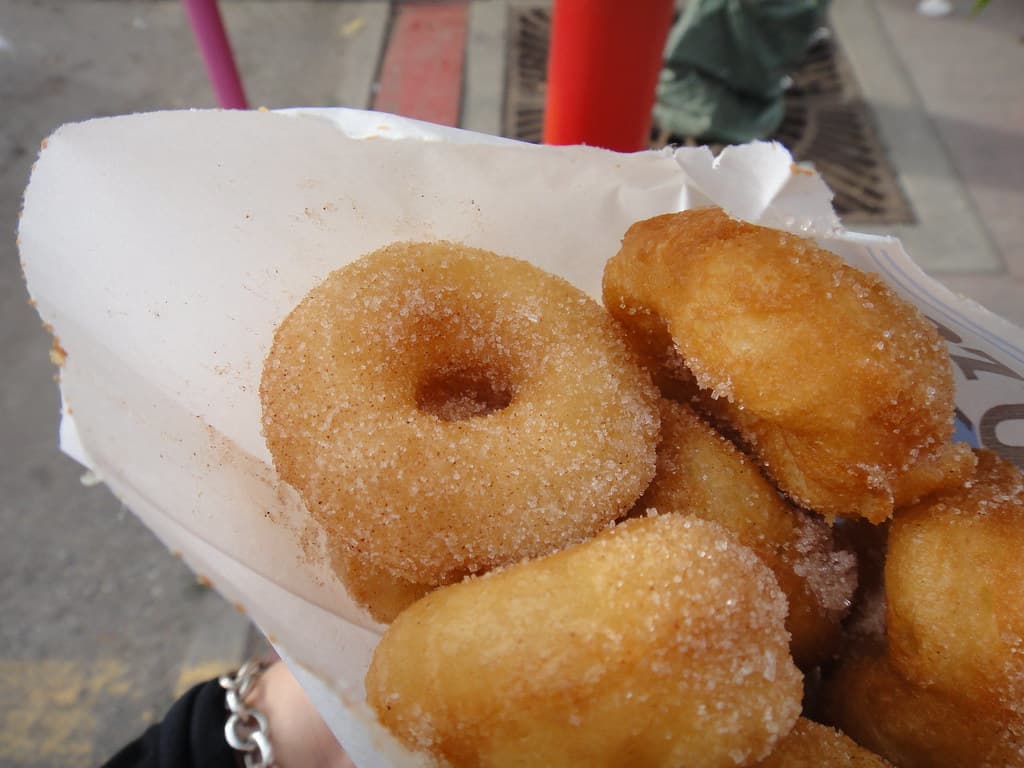
1700s-1800s
Mini donuts are tiny, fried doughnuts commonly enjoyed at American state fairs, carnivals, and diners during the early 20th century. Their small size made them a convenient treat for fairgoers and lunch counter patrons. This recipe captures the simplicity and nostalgic appeal of these sweet bites, featuring a light dough fried to golden perfection and lightly dusted with cinnamon sugar.
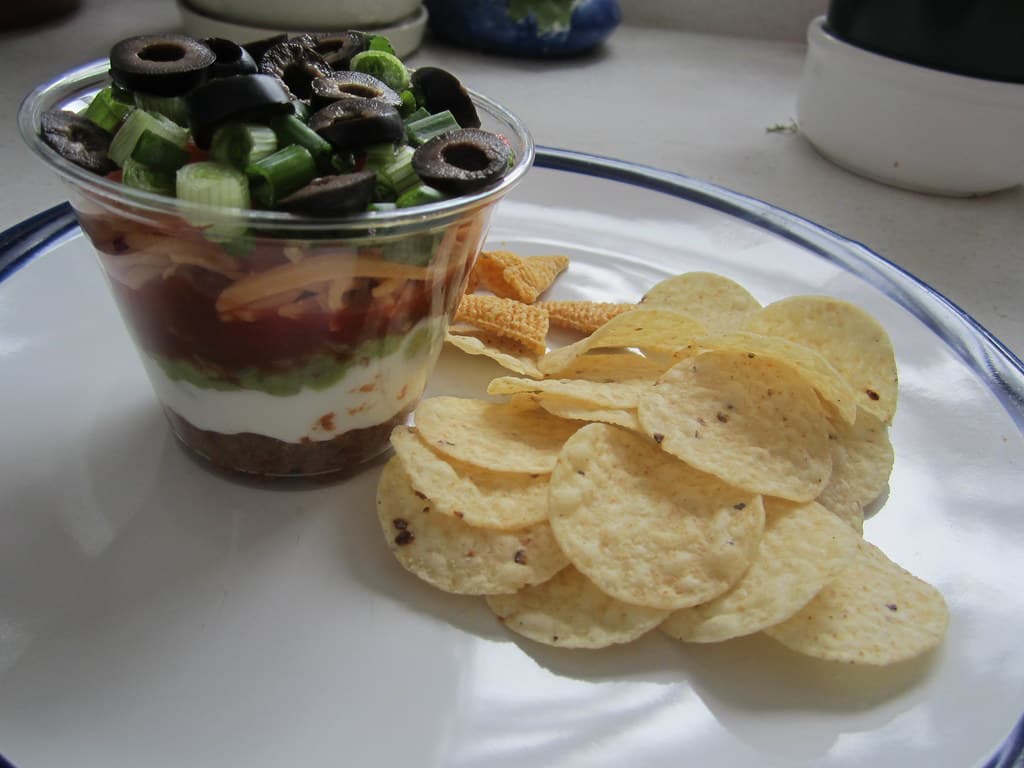
1900s-present
7-Layer Dip is a party dip with real American table personality: Tex-Mex party dish. It brings flavor from Texas and the Southwest to cookouts, counters, lunch plates, potlucks, and weeknight suppers.
America's Melting Pot
Acorn Bread photo coming soon
1800-1860
A nutty, lightly sweet quick bread made with properly leached acorn flour, cornmeal, and wheat flour.
Same table
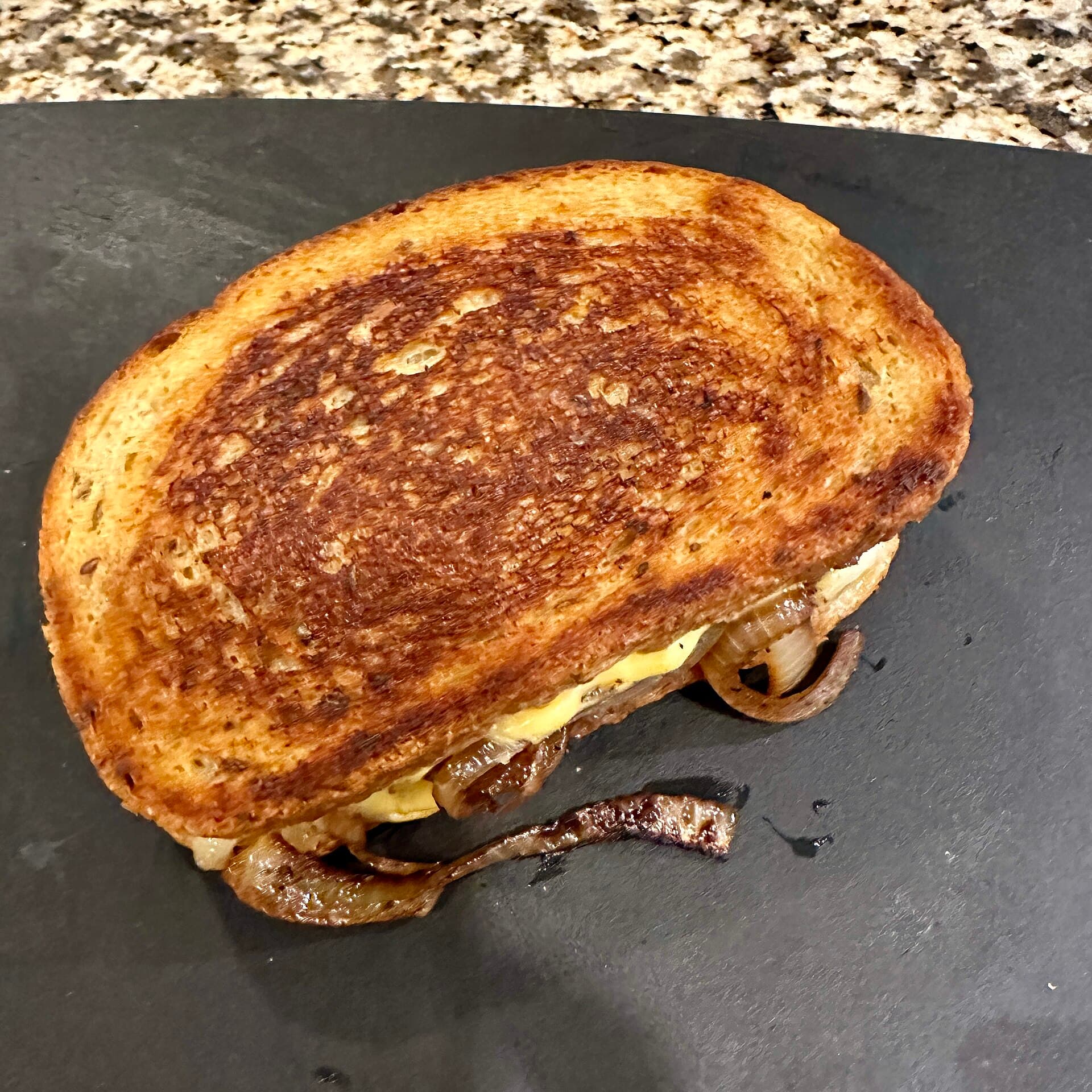
1950s-present
The patty melt is a classic American diner sandwich consisting of a seasoned ground beef patty grilled between slices of rye bread with melted cheese and sauteed onions, often served with pickles or fries.
America's Melting Pot
Gourmet Grilled Cheese photo coming soon
1990s-present
Gourmet grilled cheese sandwiches feature high-quality bread and a blend of specialty cheeses, often including extras like caramelized onions, tomatoes, or herbs. Emerging in the 2010s food truck and artisanal sandwich movements, this upgrade on a classic comfort food presents creative variations that emphasize texture and flavor balance.
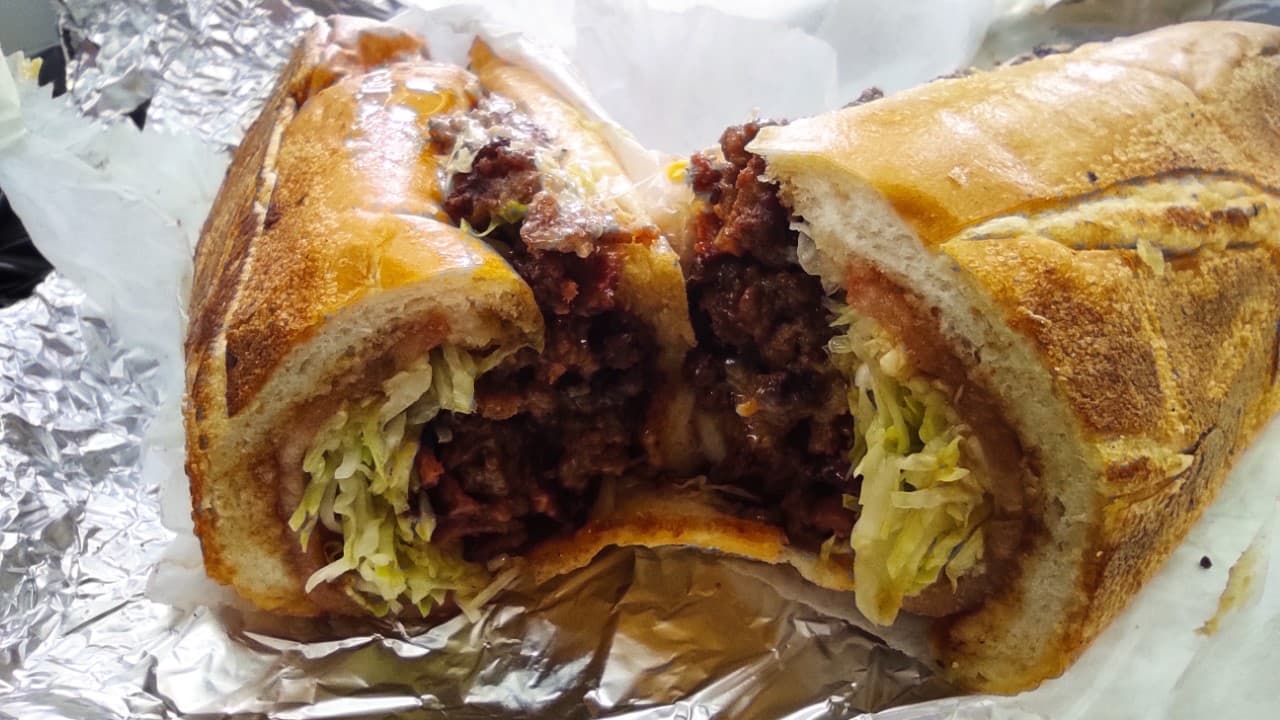
1990s/2000s-present
Chopped Cheese is a popular sandwich that originated in New York City bodegas. It features ground beef, onions, peppers, and melted cheese chopped together on a grill and served on a hero roll with usual sandwich fixings. This hearty sandwich reflects the vibrant street food culture and the influence of diverse immigrant communities in urban America.