
Recipe archive
Loading
Setting the table...
Fetching the latest recipes from the archive.
Loading
Fetching the latest recipes from the archive.
Recipe archive
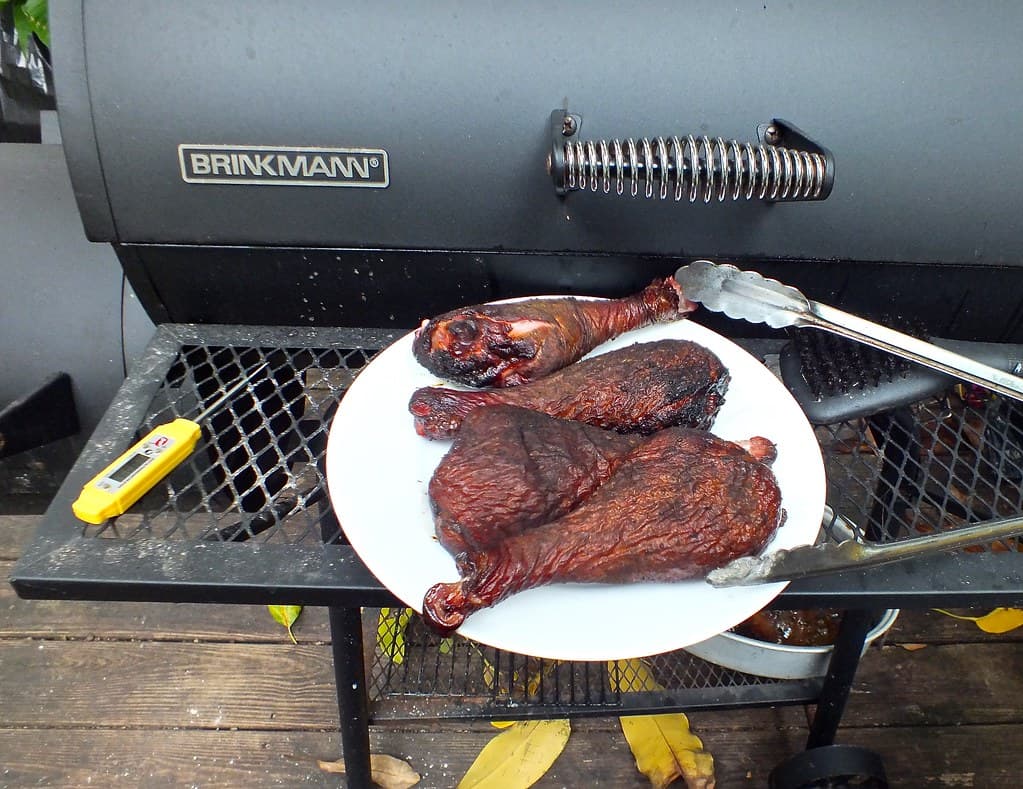
1970-1989 - State fair vendors and urban immigrant community diners.
Turkey legs gained fame as a portable, flavorful main dish commonly sold at state fairs and carnivals during the early 1900s. Roasted or smoked, their large size and smoky taste made them a popular indulgence among fairgoers in American immigrant cities and diners.
Community-powered photos. Reviewers can upload dish photos, and the highest-rated community image may be featured here.
Difficulty
Medium
Prep time
10 minutes
Cook time
1 hour 30 minutes
Total time
1 hour 40 minutes
Servings
4 servings
Region
State fair, Renaissance fair, and theme-park concession kitchens
Era introduced
1970-1989
Introduced by
State fair vendors and urban immigrant community diners.
Recipe tools
Log in to save this recipe to a collection.
Turkey legs became an iconic treat at American state fairs and carnivals starting in the early 20th century, favored for their substantial size and rich flavor. Sold by vendors in urban immigrant neighborhoods and fairgrounds, these roasted or smoked legs provide a portable, satisfying meal for crowds. Their association with festive events and diners reflects the United States' evolving food culture tied to entertainment and mass gatherings.
Share family changes, regional twists, or pantry-friendly adaptations as full community recipes.
Log in to submit a community recipe.
No community recipes yet. Submitted recipes are published right away.
Rate this recipe and share how it worked at your table.
Log in to review this recipe.
No reviews yet. Be the first to rate this recipe.
Recipes matched by era, region, occasion, ingredients, and cultural roots from the archive.
Same era
America's Melting Pot
ABC Juice photo coming soon
1970s-present
ABC Juice brings juice-bar color and American smoothie-counter energy to the glass: Apple, beet, carrot.
America's Melting Pot
Auntie Anne's-Style Pretzel Bites photo coming soon
1970-1989
A homemade mall-style pretzel bite recipe with yeast dough, a baking-soda dip, coarse salt, and a generous butter finish.
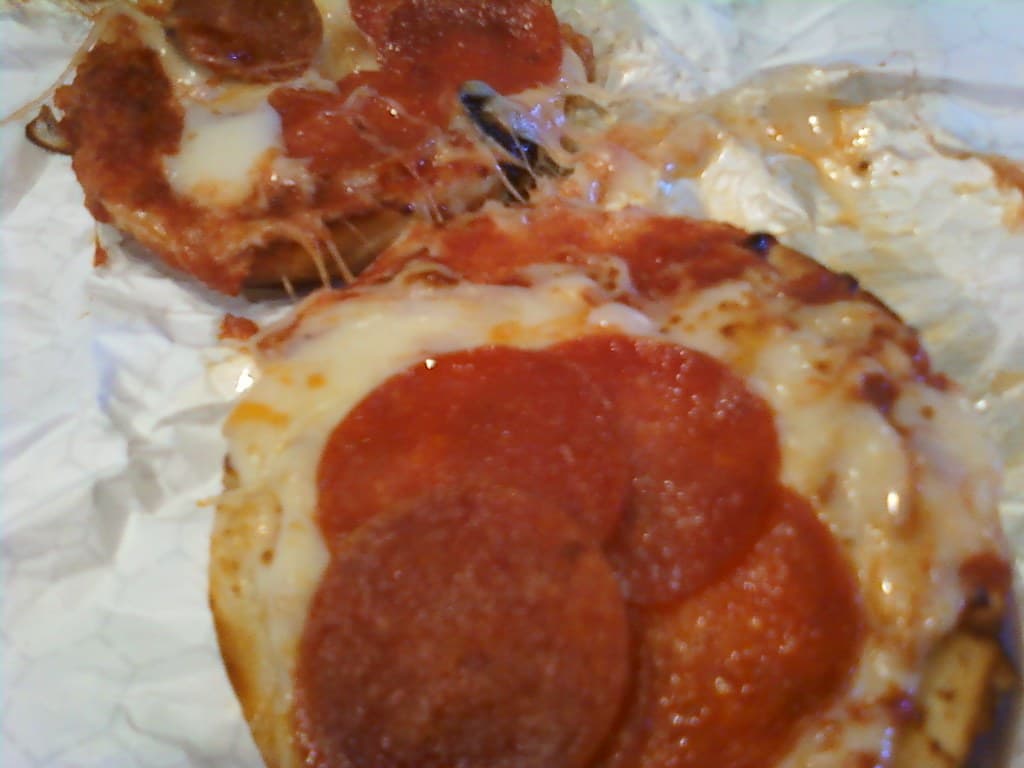
1970-1989
Split bagels topped with tomato sauce, mozzarella, oregano, and pepperoni or vegetables, baked until bubbly for a lunchbox and after-school classic.
Same region
America's Melting Pot
Acorn Bread photo coming soon
1800-1860
A nutty, lightly sweet quick bread made with properly leached acorn flour, cornmeal, and wheat flour.
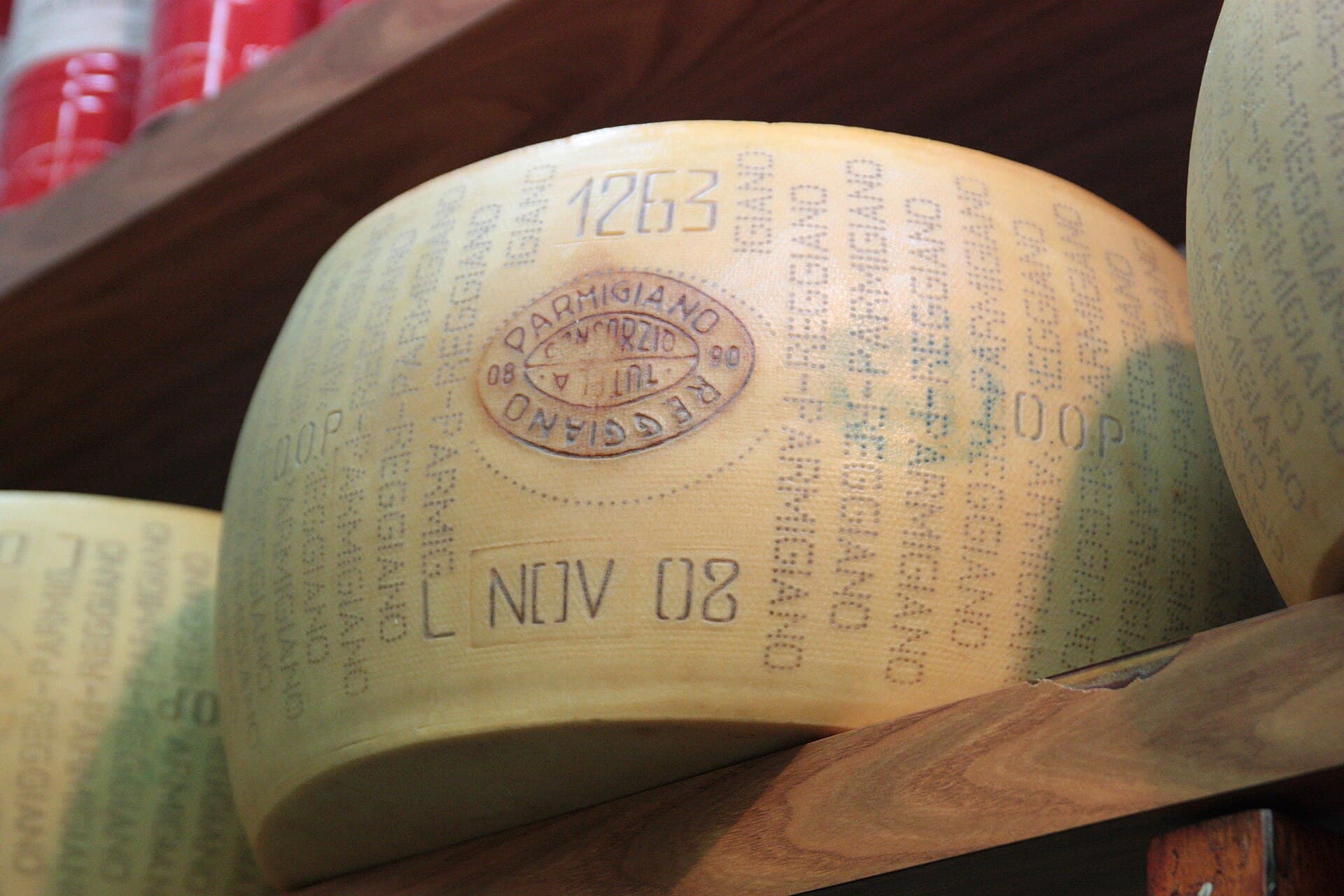
1800s-present
American Parmesan-style Grating Cheese is a cooked-curd American Alpine or grating-style cheese with thermophilic culture, firm pressing, brining, and controlled aging.
America's Melting Pot
Arepa Sandwiches photo coming soon
2010-2026
A street-food arepa sandwich filled with avocado chicken salad, black beans, cheese, and bright lime, built for the American food-truck table while respecting its Venezuelan and Colombian roots.
Same table
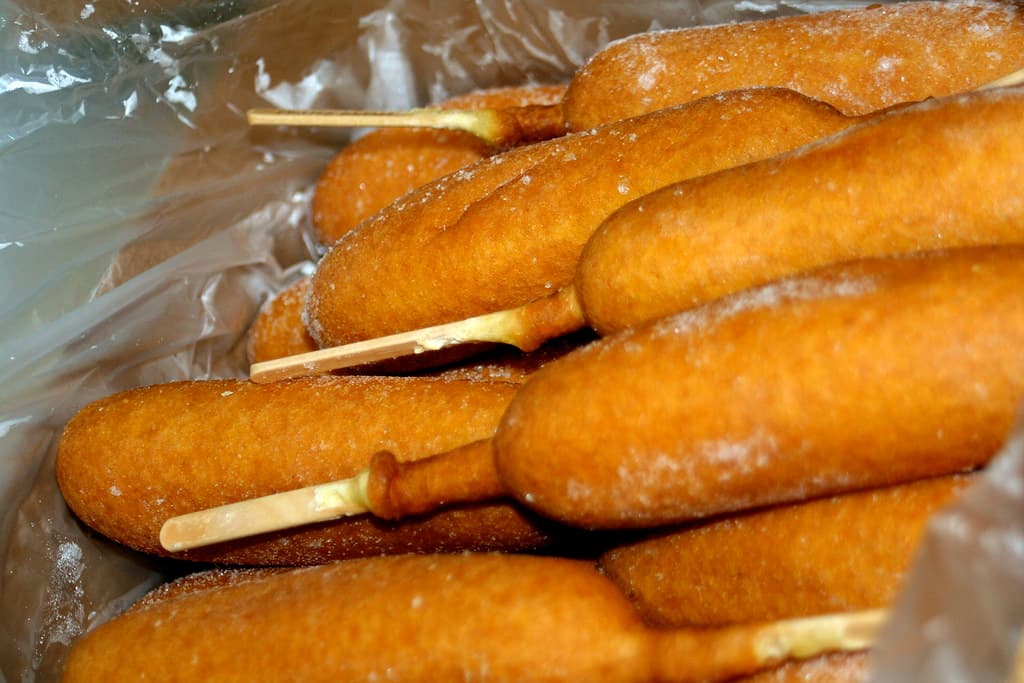
1942-present
Corn dogs are hot dogs coated in a thick cornmeal batter and fried until golden, a popular carnival and state fair food emerging in early 20th-century America.
America's Melting Pot
Cotton Candy photo coming soon
1897-present
Cotton candy is a spun sugar candy synonymous with American state fairs and carnivals in the early 20th century. Known for its fluffy texture and bright colors, it was a novelty sweet made possible by mechanized candy-spinning machines introduced around 1900.
America's Melting Pot
Elephant Ears photo coming soon
1900s-present
Elephant Ears are large, thin, fried dough pastries typically coated with cinnamon sugar or other sweet toppings. A favorite at state fairs and carnivals, they offer a crispy, warm, and indulgent treat enjoyed by American families since the early 20th century.