
Recipe archive
Loading
Setting the table...
Fetching the latest recipes from the archive.
Loading
Fetching the latest recipes from the archive.
Recipe archive

1930-1945 - American home cooks during the Great Depression and World War II.
Water Pie is a simple custard-style dessert made with water, sugar, flour, and butter, popular during the Great Depression when ingredients were scarce. This pie exemplifies the resourcefulness and creativity of American cooks who made satisfying sweets with minimal pantry staples during economic hardship.
Community-powered photos. Reviewers can upload dish photos, and the highest-rated community image may be featured here.
Difficulty
Easy
Prep time
15 minutes
Cook time
40 minutes
Total time
55 minutes
Servings
6
Region
Great Depression and wartime American thrift kitchens
Era introduced
1930-1945
Introduced by
American home cooks during the Great Depression and World War II.
Recipe tools
Log in to save this recipe to a collection.
Water Pie emerged during the 1930s and 1940s as an economical dessert crafted in Depression and wartime kitchens when rationing and scarcity limited access to typical baking ingredients. By using water as a custard base thickened with flour and enriched with butter and sugar, homemakers created a modest but comforting pie highlighting ingenuity in times of hardship, reflecting the resilience of American home cooking during economic struggle.
Share family changes, regional twists, or pantry-friendly adaptations as full community recipes.
Log in to submit a community recipe.
No community recipes yet. Submitted recipes are published right away.
Rate this recipe and share how it worked at your table.
Log in to review this recipe.
No reviews yet. Be the first to rate this recipe.
Recipes matched by era, region, occasion, ingredients, and cultural roots from the archive.
Same era
America's Melting Pot
Army Chili photo coming soon
1930-1945
A practical ground-beef chili with beans, tomatoes, onion, chili powder, cumin, and paprika, adapted from Armed Forces chili con carne formulas for a family pot.
America's Melting Pot
Chicken Noodle Soup photo coming soon
1934-present
Chicken Noodle Soup is a comforting one-pot dish made by simmering chicken, vegetables, broth, and egg noodles into a nourishing soup. A staple across American kitchens for generations, it highlights simplicity, warmth, and adaptability in soups and stews throughout the country's culinary evolution.
America's Melting Pot
Chocolate Cake for a Crowd photo coming soon
1930s-1945
Chocolate Cake for a Crowd is a dessert designed to serve many people economically during the Depression and World War II eras (1930-1945). This cake reflects military and mess hall kitchens' need for practical, filling, and easily produced sweets using limited ingredients. Its simple yet rich chocolate flavor made it a favorite for community events, schools, and military gatherings where feeding large numbers was essential.
Same region
America's Melting Pot
Sugarless Cookies photo coming soon
1930s-1940s
Sugarless cookies were developed during World War II on the American home front, reflecting rationing and shortages of sugar. These cookies use alternative sweeteners or rely on natural flavors to create a satisfying treat despite ingredient limitations.
America's Melting Pot
Wacky Cake photo coming soon
1930s-1940s
A moist chocolate cake made without eggs or dairy, designed to be made economically during times of scarcity. The cake uses vinegar and baking soda for leavening, reflecting Great Depression-era resourcefulness.
America's Melting Pot
BBQ Beef Sandwiches photo coming soon
1970-2026
This sandwich turns pot roast into crowd food: cook beef until it pulls apart, simmer it in barbecue sauce, and serve it from a slow cooker or Dutch oven. It fits the late-20th-century world of booster clubs, church suppers, and game-day tables, where economical roasts could feed a line of hungry fans.
Same table
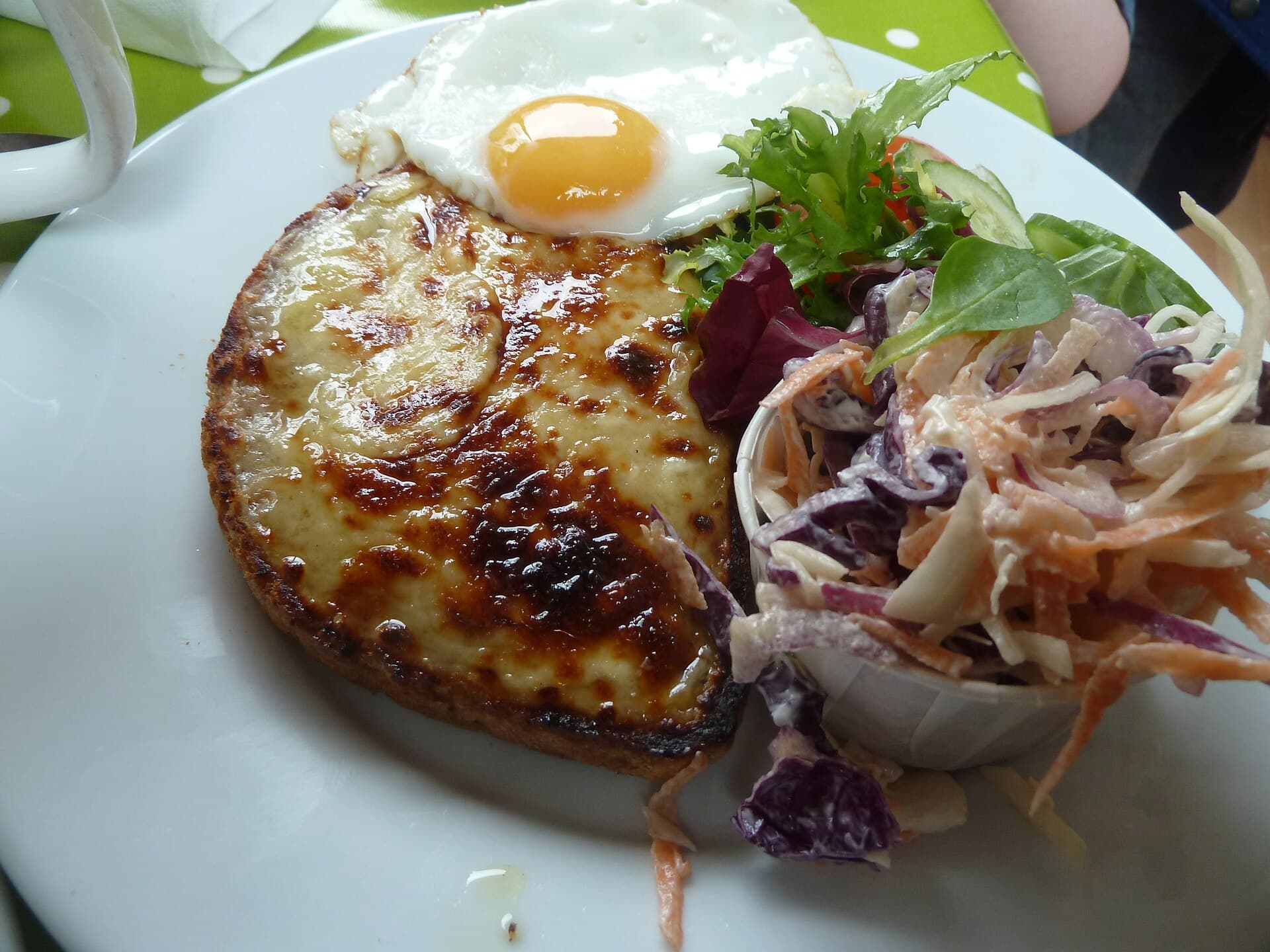
1800s-present
Welsh Rarebit is a rich, cheesy sauce served over toasted bread, popularized in Depression and wartime kitchens as an affordable, hearty meal. Using simple pantry staples, this dish offers comforting warmth and protein, reflecting resource usage during times of scarcity.
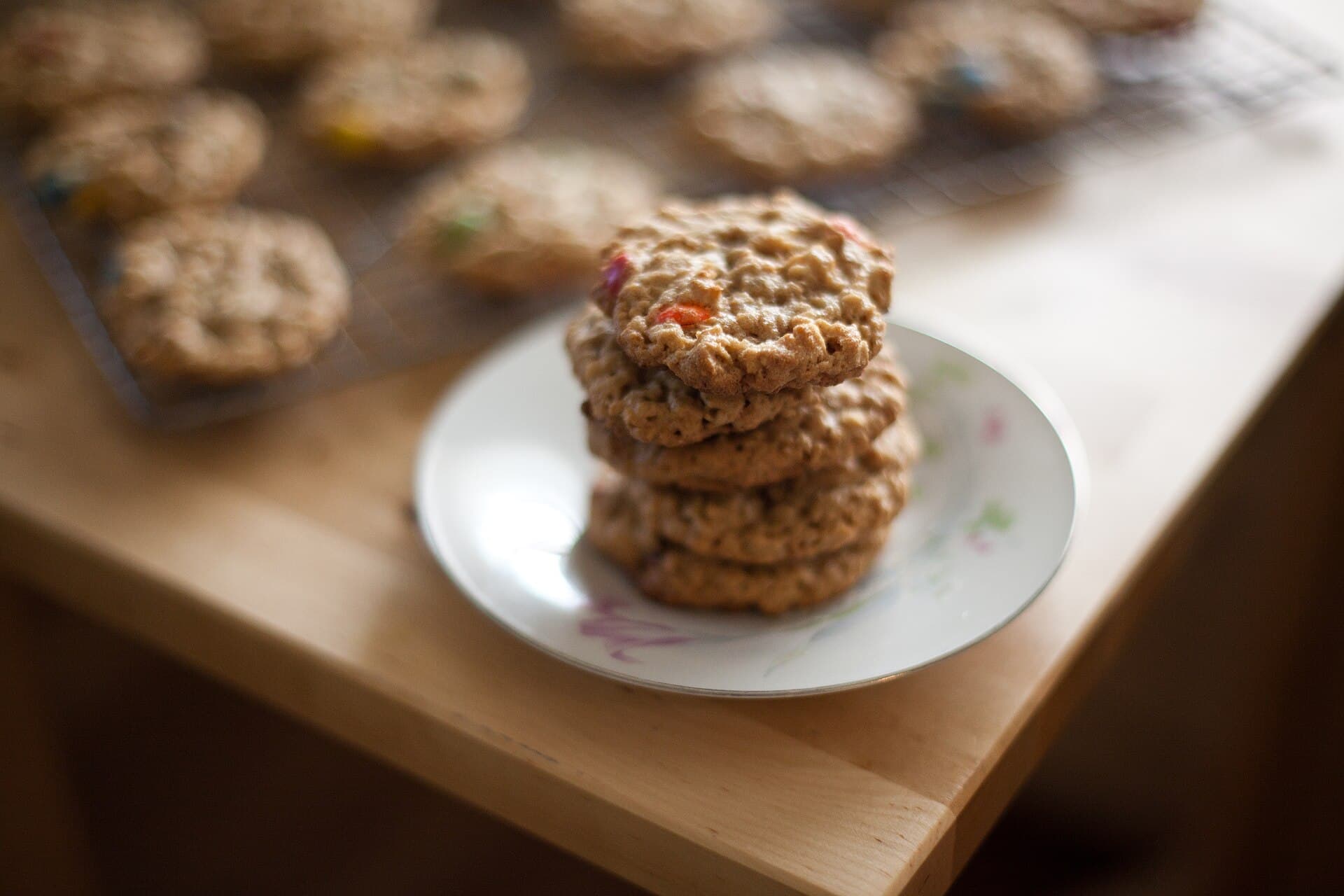
1971-present
Monster Cookies are generously sized cookies featuring rolled oats, peanut butter, chocolate chips, and often M&Ms, favored at tailgate parties and church events since the 1970s and 1980s. These cookies embody post-industrial American preferences for convenience, fusion of flavors, and regional pride, becoming a staple of fast food snacking and bake sale culture.
America's Melting Pot
Mrs. Fields-Style Cookies photo coming soon
1977-present
Mrs. Fields-Style Cookies are soft, thick chocolate chip cookies known for their chewy texture and rich flavor. These cookies became iconic in American malls and chain food outlets during the late 20th century. Reflecting convenience and indulgence trends, they blend traditional chocolate chip cookie elements with modern commercial baking techniques.