
Recipe archive
Loading
Setting the table...
Fetching the latest recipes from the archive.
Loading
Fetching the latest recipes from the archive.
Recipe archive
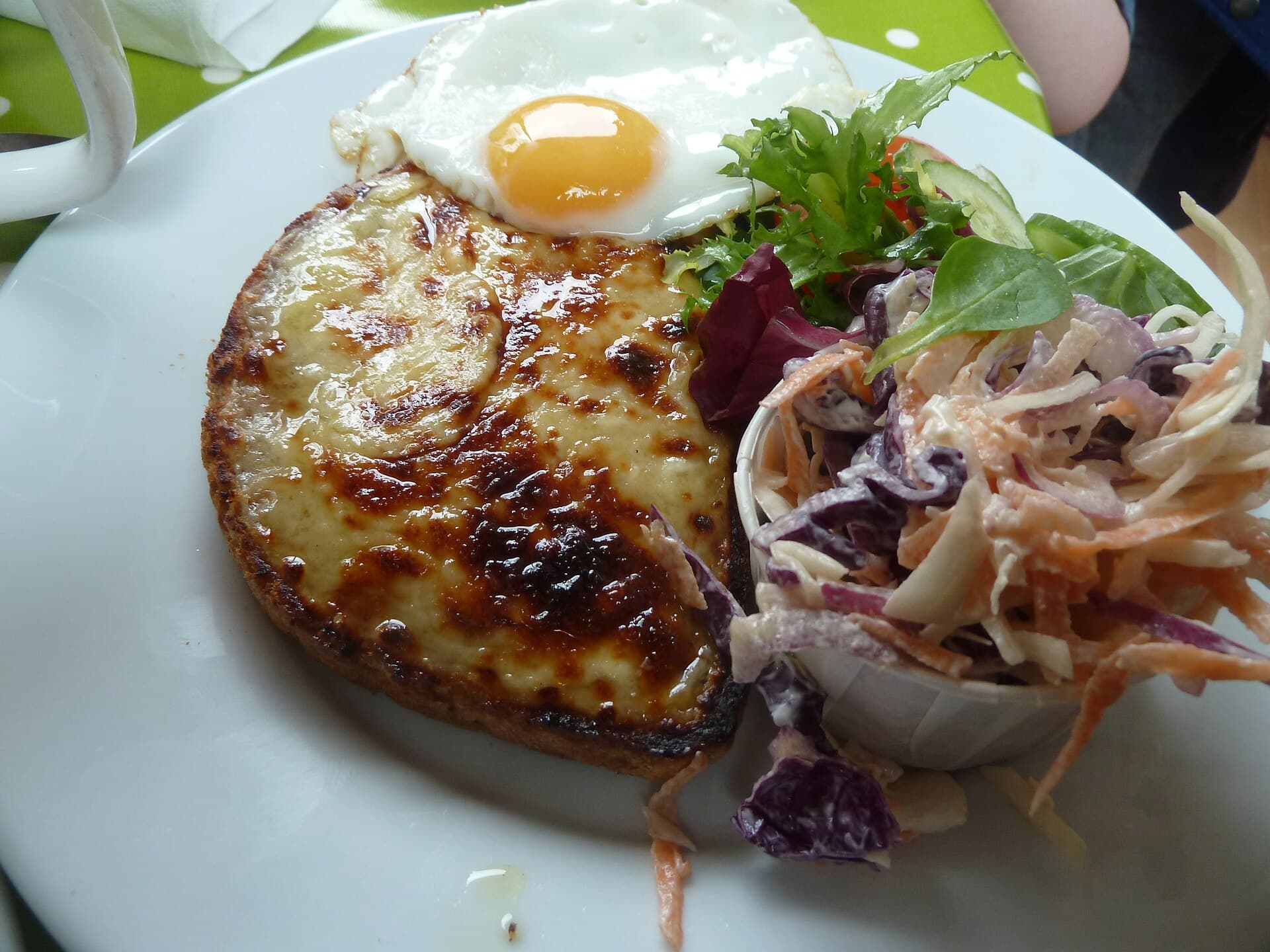
Gilded Age & Progressive Era - American home cooks adapting British recipes during the Great Depression and World War II.
Welsh Rarebit is a rich, cheesy sauce served over toasted bread, popularized in Depression and wartime kitchens as an affordable, hearty meal. Using simple pantry staples, this dish offers comforting warmth and protein, reflecting resource usage during times of scarcity.
Community-powered photos. Reviewers can upload dish photos, and the highest-rated community image may be featured here.
Difficulty
Easy
Prep time
10 minutes
Cook time
10 minutes
Total time
20 minutes
Servings
4
Region
British American tavern, lunchroom, and Depression supper kitchens
Era introduced
Gilded Age & Progressive Era
Introduced by
American home cooks adapting British recipes during the Great Depression and World War II.
Recipe tools
Log in to save this recipe to a collection.
Welsh Rarebit, though originally a British dish, gained popularity in American kitchens during the 1930s and 1940s as a simple, satisfying comfort food ideal for Depression-era and wartime households facing limited resources. The dish transforms common ingredients such as cheese and bread into a rich meal that was both nourishing and economical, reflecting culinary adaptation and resilience in periods of austerity.
Share family changes, regional twists, or pantry-friendly adaptations as full community recipes.
Log in to submit a community recipe.
No community recipes yet. Submitted recipes are published right away.
Rate this recipe and share how it worked at your table.
Log in to review this recipe.
No reviews yet. Be the first to rate this recipe.
Recipes matched by era, region, occasion, ingredients, and cultural roots from the archive.
Same era
America's Melting Pot
Au Jus photo coming soon
1800s-present
Au Jus is a sandwich sauce with real American table personality: French name, but American diner/roadhouse French dip culture. It brings flavor from coast-to-coast American tables to cookouts, counters, lunch plates, potlucks, and weeknight suppers.
America's Melting Pot
Birch Beer Float photo coming soon
1890s-present
Birch Beer Float is fizzy Americana from the soda-fountain counter: Pennsylvania/Mid-Atlantic regional variation.
America's Melting Pot
Black Cow photo coming soon
1893-present
Black Cow is fizzy Americana from the soda-fountain counter: Often root beer float or root beer mixed with ice cream; name varies by region.
Same region
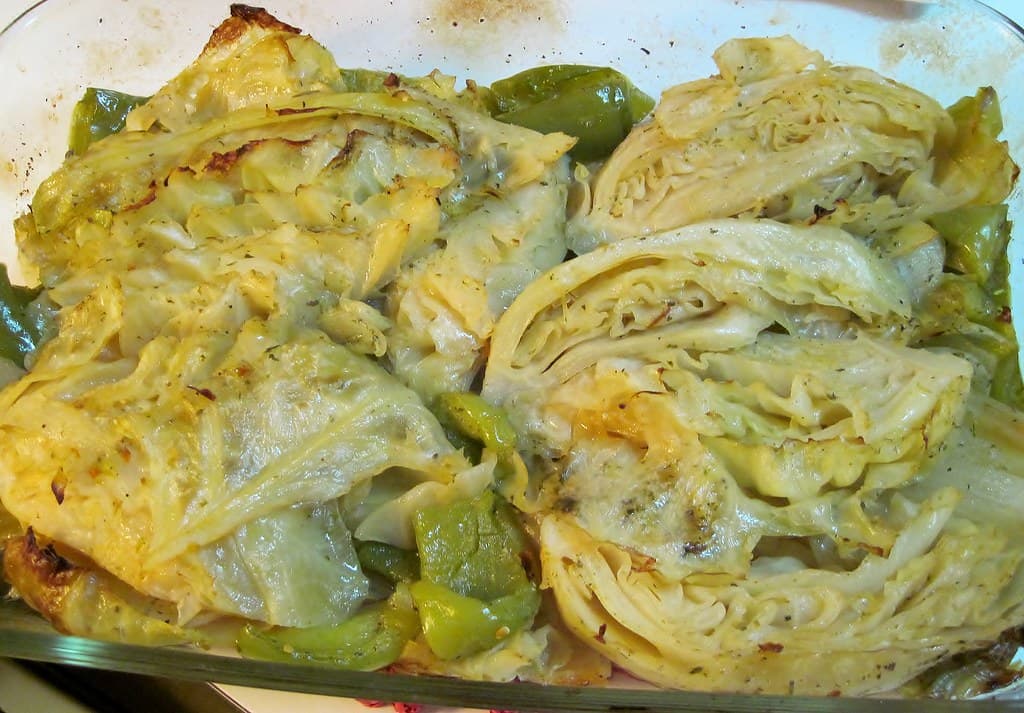
1700-2026
Braised cabbage is an old, practical side dish because cabbage stores well, feeds many, and softens beautifully with slow moist heat. American versions draw from British, German, Irish, and Eastern European cabbage cookery as well as plain farm-table thrift.
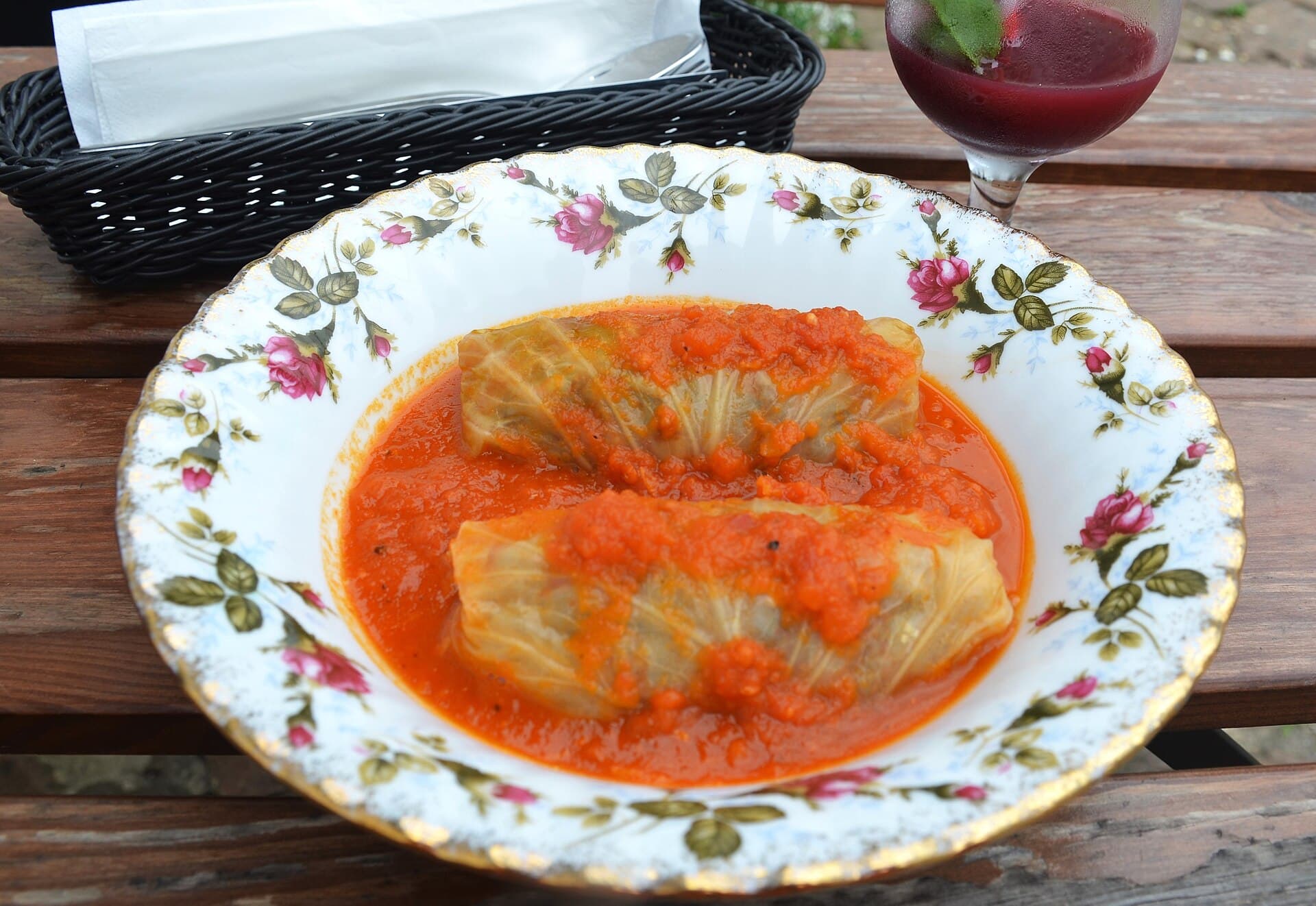
1900-2026
Cabbage rolls came to American tables through many Eastern European and Jewish immigrant communities. Polish golabki, Ukrainian holubtsi, Slovak holubky, Jewish holishkes, and related dishes all wrap humble cabbage around a filling that stretches meat with rice or grain.
America's Melting Pot
Cabbage Soup photo coming soon
1800-2026
Cabbage soup is old-world thrift cooking that fit American boardinghouses, mining camps, immigrant kitchens, and wartime tables. Cabbage stored well, stretched broth, and could become a light vegetable soup or a heartier meal with potatoes, beans, or meat.
Same table

1930s-1940s
Water Pie is a simple custard-style dessert made with water, sugar, flour, and butter, popular during the Great Depression when ingredients were scarce. This pie exemplifies the resourcefulness and creativity of American cooks who made satisfying sweets with minimal pantry staples during economic hardship.
America's Melting Pot
Molasses Cornbread photo coming soon
1700s-present
Molasses Cornbread is a slightly sweet cornmeal bread flavored with molasses, common in early American households during the Revolutionary era. Combining locally grown cornmeal with molasses provided a hearty and economical bread that complemented savory dishes and breakfast tables alike. Its enduring popularity reflects early American adaptation of indigenous and imported ingredients.
America's Melting Pot
Walleye Fry photo coming soon
1800s-present
Walleye Fry is a beloved dish in American fishing and hunting camps featuring tender walleye fish fillets lightly breaded and pan-fried to golden crispness. It represents outdoor and cabin dining traditions centered around locally caught fish.