
Recipe archive
Loading
Setting the table...
Fetching the latest recipes from the archive.
Loading
Fetching the latest recipes from the archive.
Recipe archive
America's Melting Pot
Wojapi hero image coming soon
Before 1776 - Indigenous American communities of the Upper Midwest and Great Plains.
Wojapi is a Native American berry sauce or jam commonly made from chokeberries or other wild berries, used as a condiment or dessert accompaniment. Its preparation and use reflect indigenous foodways and regional wild fruit harvesting in early 19th-century America.
No featured photo yet. Upload a photo with your review. The highest-rated community photo may become this recipe's hero image.
Difficulty
Medium
Prep time
20 minutes
Cook time
40 minutes
Total time
1 hour
Servings
6
Region
Lakota and Dakota Northern Plains berry kitchens
Era introduced
Before 1776
Introduced by
Indigenous American communities of the Upper Midwest and Great Plains.
Recipe tools
Log in to save this recipe to a collection.
Wojapi is a traditional Native American berry sauce or jam made from locally gathered wild berries such as chokeberries, signifying the relationship between indigenous peoples and their natural environment. The sauce was traditionally a sweetened accompaniment to game and other meals and remains part of Native culinary heritage, illustrating early 19th-century indigenous food traditions persisting in contemporary American cooking.
Share family changes, regional twists, or pantry-friendly adaptations as full community recipes.
Log in to submit a community recipe.
No community recipes yet. Submitted recipes are published right away.
Rate this recipe and share how it worked at your table.
Log in to review this recipe.
No reviews yet. Be the first to rate this recipe.
Recipes matched by era, region, occasion, ingredients, and cultural roots from the archive.
Same era
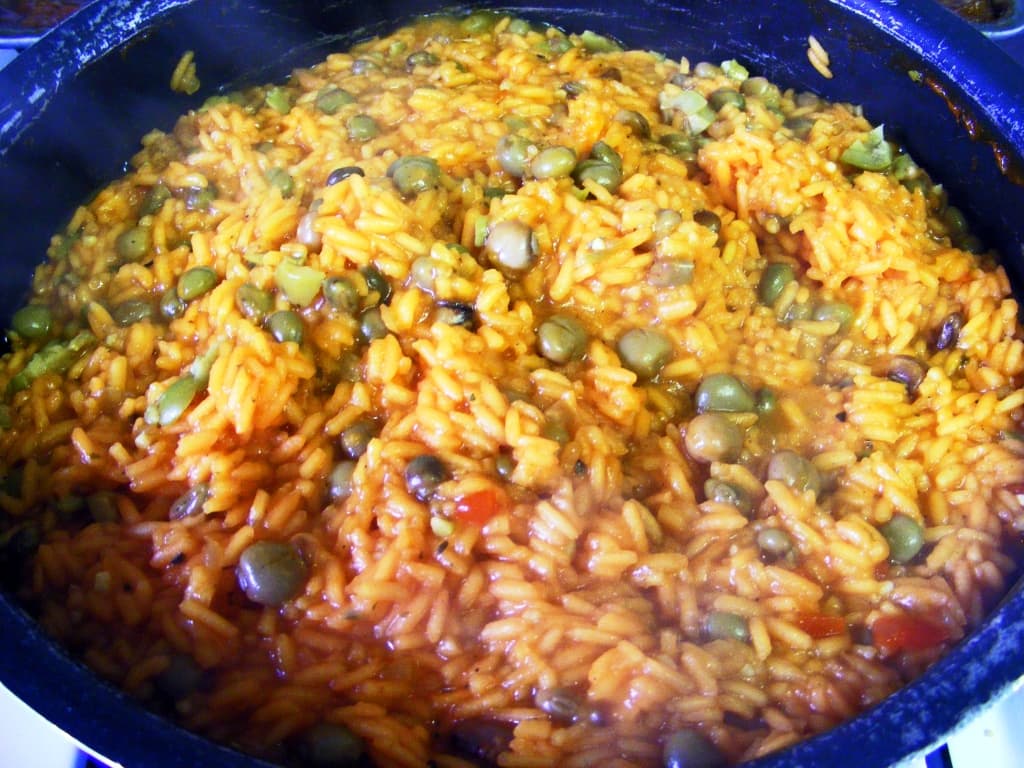
1500s-present
A Puerto Rican arroz con gandules made in one pot with medium-grain rice, pigeon peas, sofrito, sazon, pork, olives, and a patient steam for fluffy grains and coveted pegao.
America's Melting Pot
Chokecherry Sauce photo coming soon
pre-1776-present
Chokecherry Sauce is a tart and flavorful condiment made from the chokecherry fruit, historically prepared by Indigenous American peoples across the United States from the early 19th century. This sauce functions as an accompaniment to game meats and poultry, showcasing native foraging and preservation techniques during the Expansion and Young Republic period. It exemplifies Indigenous foodways adapted to settler tables while maintaining cultural culinary heritage.
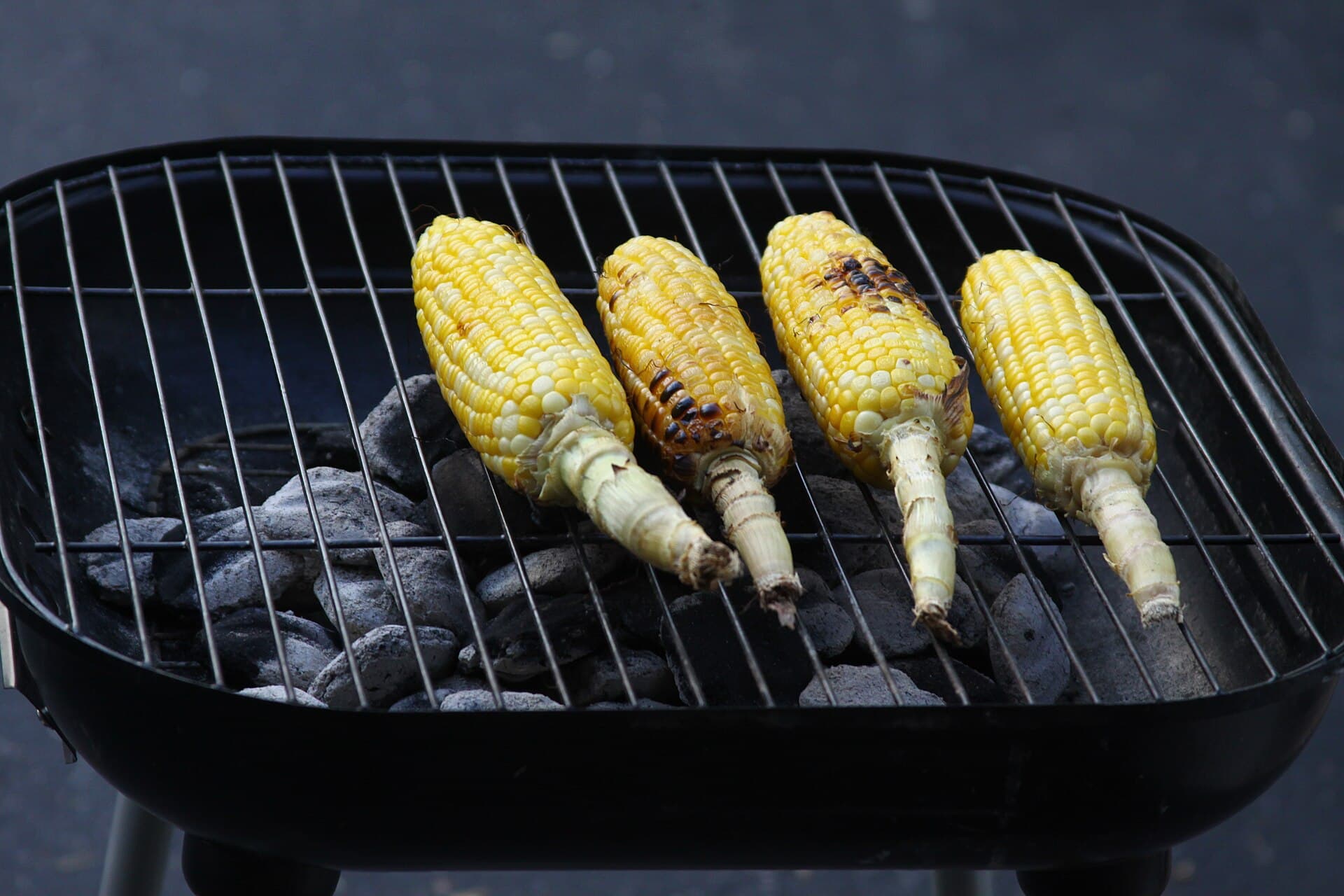
pre-1776-present
Corn on the cob is a simple, beloved summer side dish traditionally enjoyed at Fourth of July celebrations and backyard cookouts across the United States. Boiled or grilled fresh corn with butter and salt has long been a staple of American holiday tables.
Same region
America's Melting Pot
Chokecherry Sauce photo coming soon
pre-1776-present
Chokecherry Sauce is a tart and flavorful condiment made from the chokecherry fruit, historically prepared by Indigenous American peoples across the United States from the early 19th century. This sauce functions as an accompaniment to game meats and poultry, showcasing native foraging and preservation techniques during the Expansion and Young Republic period. It exemplifies Indigenous foodways adapted to settler tables while maintaining cultural culinary heritage.
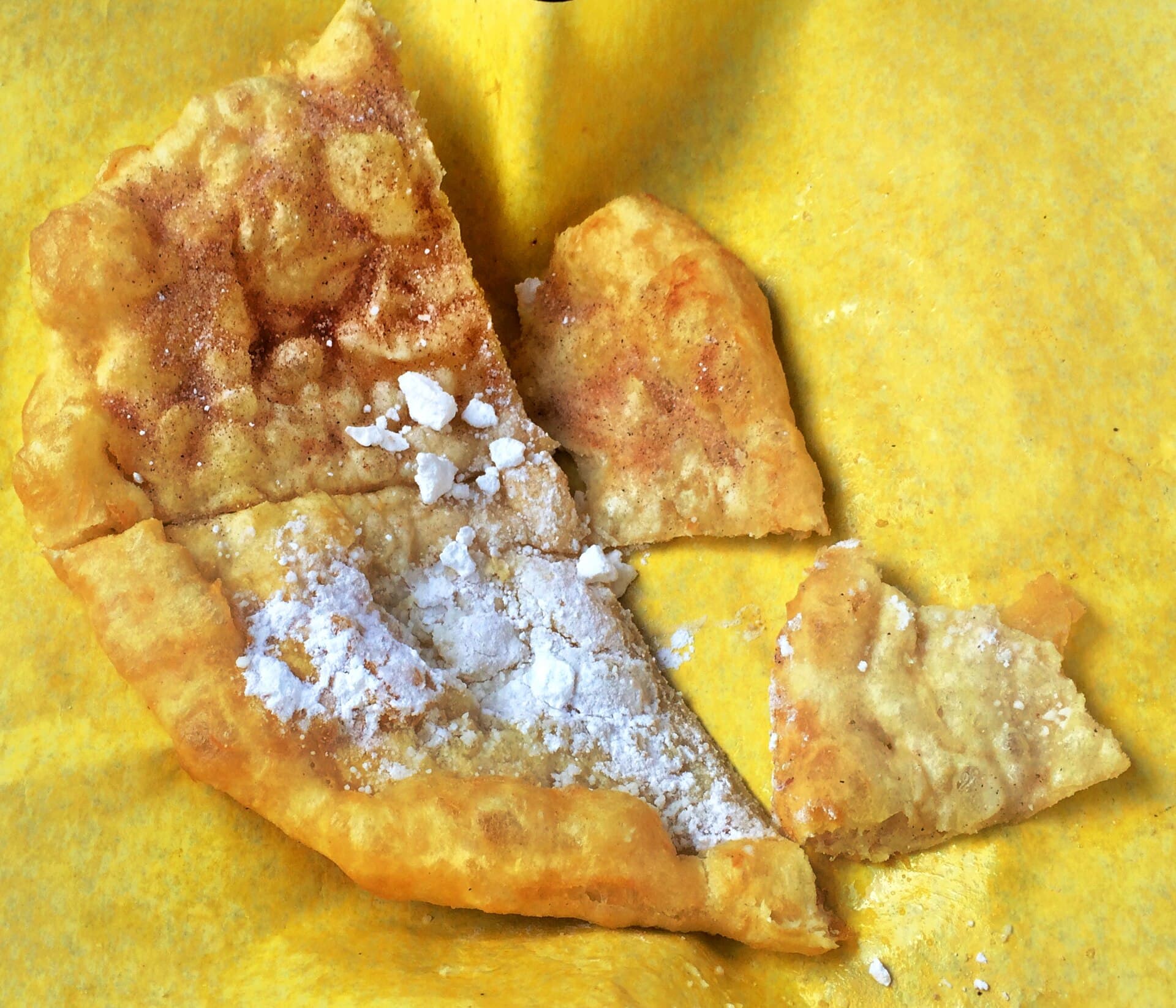
1800-1860
Fry bread is a soft, puffy fried bread with crispy edges, an iconic food in many Indigenous communities across the Great Plains and Alaska. Originating as a resourceful response to government-provided rations during the 19th century, fry bread today serves as both a staple and comfort food, featuring as a base for various toppings or eaten plain.
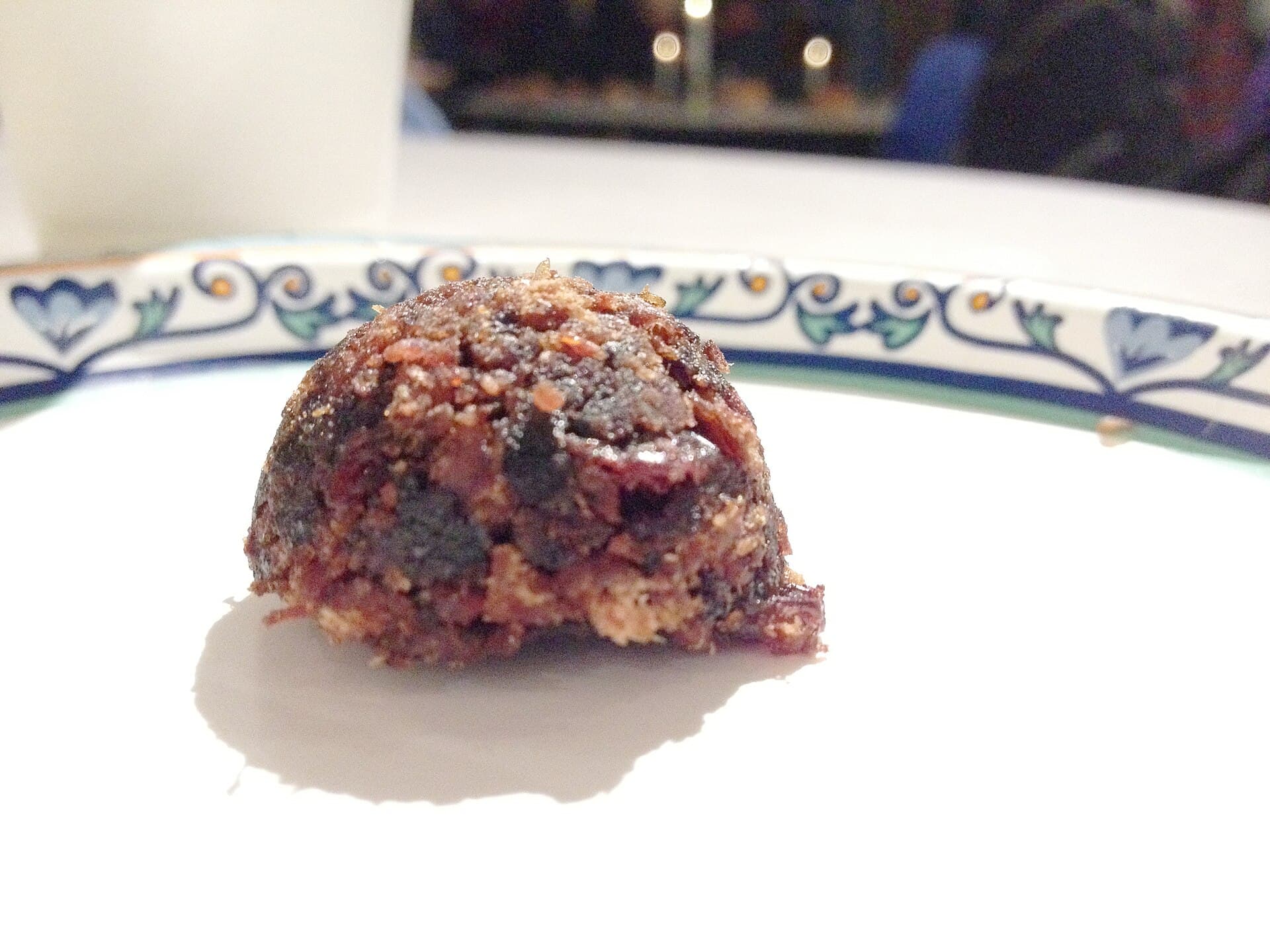
pre-1776-present
Pemmican is a traditional Indigenous American preserved food combining dried meat, rendered fat, and sometimes berries. It served as a portable, nutrient-dense staple for survival and travel across the continent during the 19th century and earlier.
Same table
America's Melting Pot
Three Sisters Stew photo coming soon
pre-1776-present
Three Sisters Stew features the traditional Indigenous American agricultural trio of corn, beans, and squash simmered into a hearty, nourishing stew. Reflecting centuries-old Native foodways, this dish celebrates indigenous crops and culinary traditions from Expansion through early 19th century America, underscoring sustainable agriculture and seasonal cooking.
America's Melting Pot
Corn Pone photo coming soon
1776-1800
Corn pone is a simple, unleavened corn bread originating in early American Southern kitchens. Made with basic ingredients, it was a staple food for families from the Revolutionary period onward, often baked in a skillet or hearth oven.
1880s-present
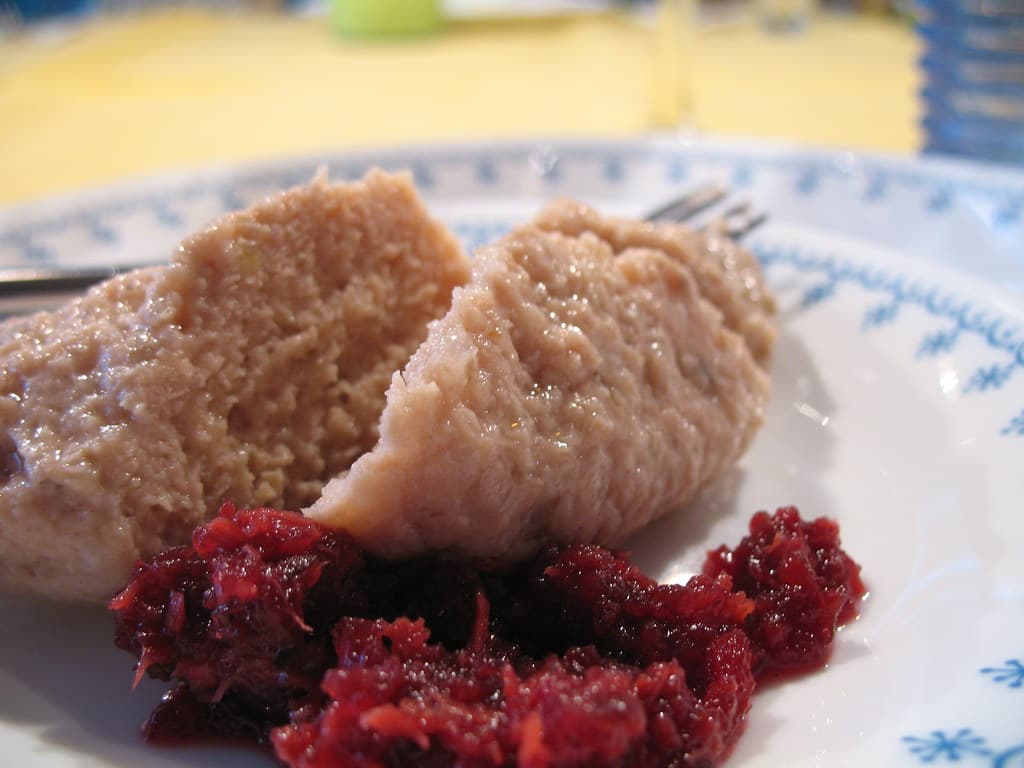
Gefilte fish is a traditional Jewish dish consisting of poached fish patties or balls made primarily from white fish, often served chilled with horseradish. Immigrant Jewish communities brought this economical yet elegant recipe to America during the late 19th century, where it remains a hallmark of Jewish-American cuisine, especially for holidays.