
Recipe archive
Loading
Setting the table...
Fetching the latest recipes from the archive.
Loading
Fetching the latest recipes from the archive.
Recipe archive
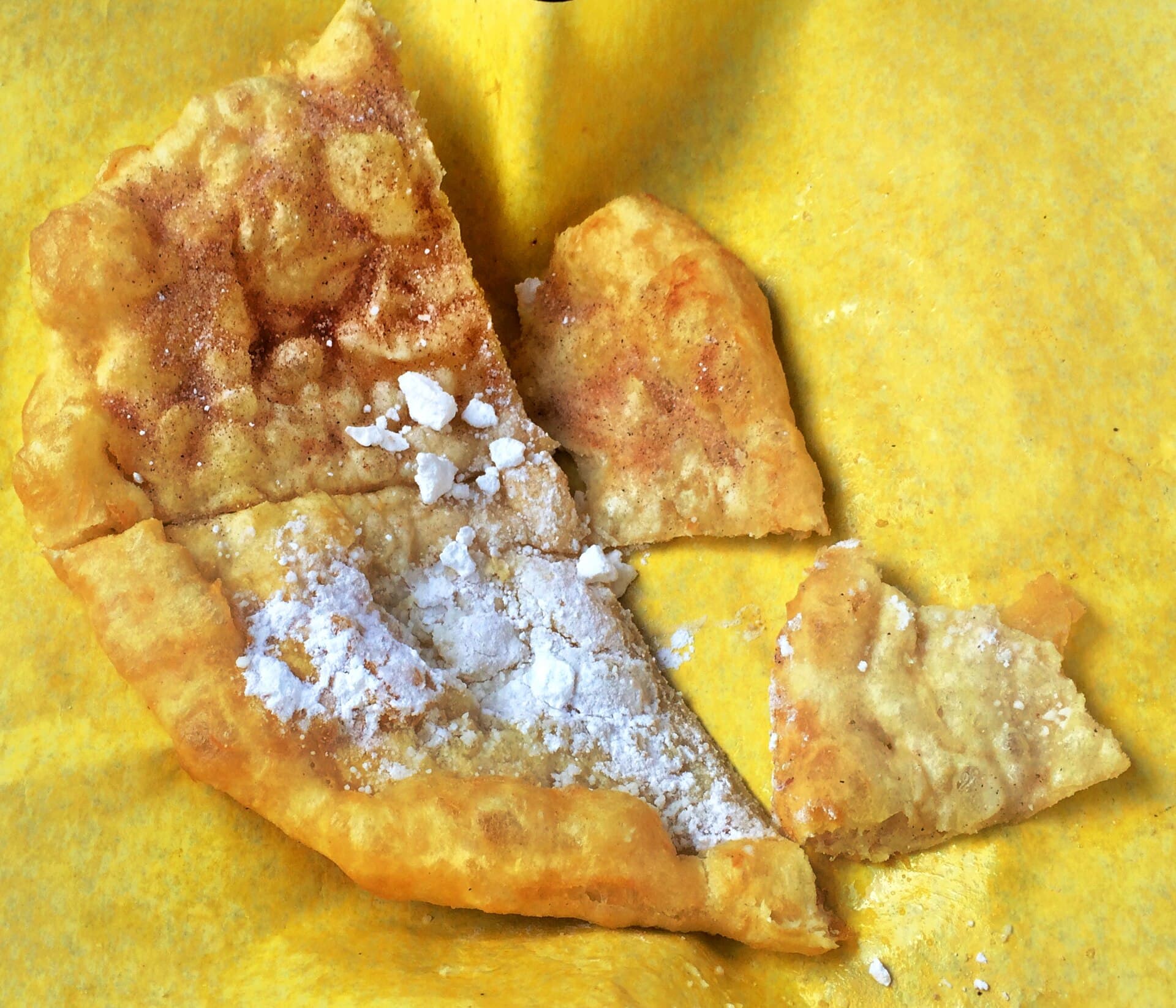
1800-1860 - Indigenous American communities of the Great Plains and Alaska
Fry bread is a soft, puffy fried bread with crispy edges, an iconic food in many Indigenous communities across the Great Plains and Alaska. Originating as a resourceful response to government-provided rations during the 19th century, fry bread today serves as both a staple and comfort food, featuring as a base for various toppings or eaten plain.
Community-powered photos. Reviewers can upload dish photos, and the highest-rated community image may be featured here.
Difficulty
Medium
Prep time
15 minutes
Cook time
10 minutes
Total time
25 minutes
Servings
6 servings
Region
Great Plains, Alaska
Era introduced
1800-1860
Introduced by
Indigenous American communities of the Great Plains and Alaska
Recipe tools
Log in to save this recipe to a collection.
Fry bread developed in Indigenous American communities during the 1800s amid hardship caused by forced relocation and government-issued food supplies, which often consisted of wheat flour, salt, and lard. Indigenous peoples transformed these limited ingredients into fry bread, a dough fried to golden perfection, creating a versatile food that became deeply ingrained in cultural traditions. While some view it as a symbol of resilience, it also has ties to difficult historical periods. Today, fry bread remains a beloved dish across Indigenous nations, served plain or topped as 'Indian tacos'.
Share family changes, regional twists, or pantry-friendly adaptations as full community recipes.
Log in to submit a community recipe.
No community recipes yet. Submitted recipes are published right away.
Rate this recipe and share how it worked at your table.
Log in to review this recipe.
No reviews yet. Be the first to rate this recipe.
Recipes matched by era, region, occasion, ingredients, and cultural roots from the archive.
Same era
America's Melting Pot
Acorn Bread photo coming soon
1800-1860
A nutty, lightly sweet quick bread made with properly leached acorn flour, cornmeal, and wheat flour.
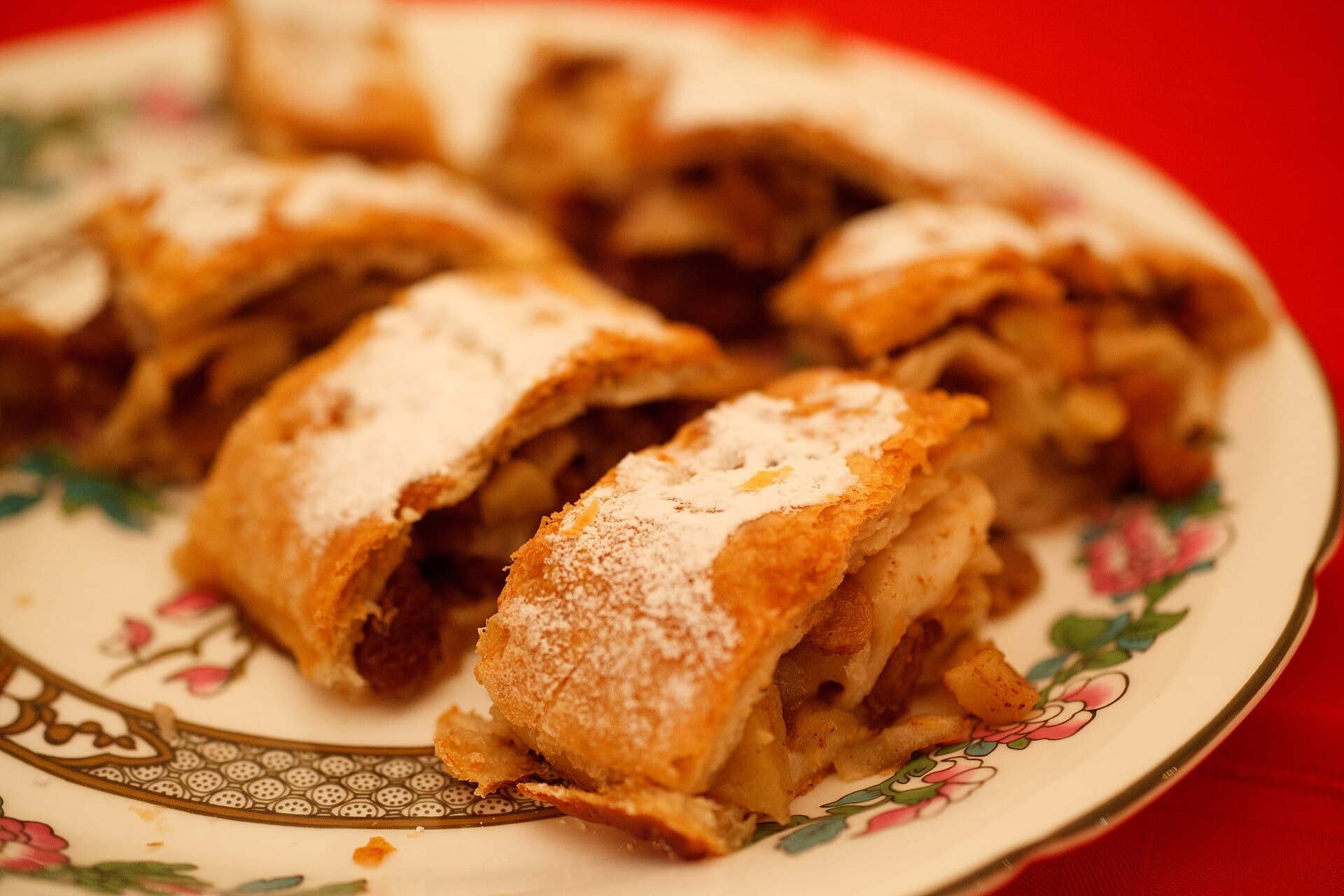
1800-1860
A German-American apple strudel made with crisp apples, raisins, cinnamon, buttered crumbs, and flaky phyllo for a practical home version of a Central European pastry.
America's Melting Pot
Asparagus photo coming soon
1800s/early 1900s-present
A bright American Easter asparagus side, quickly cooked and dressed with lemon butter, herbs, and hard-cooked egg in the spirit of old spring-table recipes.
Same region
America's Melting Pot
BBQ Beef Sandwiches photo coming soon
1970-2026
This sandwich turns pot roast into crowd food: cook beef until it pulls apart, simmer it in barbecue sauce, and serve it from a slow cooker or Dutch oven. It fits the late-20th-century world of booster clubs, church suppers, and game-day tables, where economical roasts could feed a line of hungry fans.
America's Melting Pot
Beef and Noodles photo coming soon
1861-1900
Beef and noodles is plainspoken comfort food: slow-cooked beef, rich broth, and egg noodles served as a main dish or over mashed potatoes. It fits the railroad, boardinghouse, and settlement table because it stretches a roast into a filling meal and reflects German and Amish noodle traditions carried into the Midwest and Great Plains.
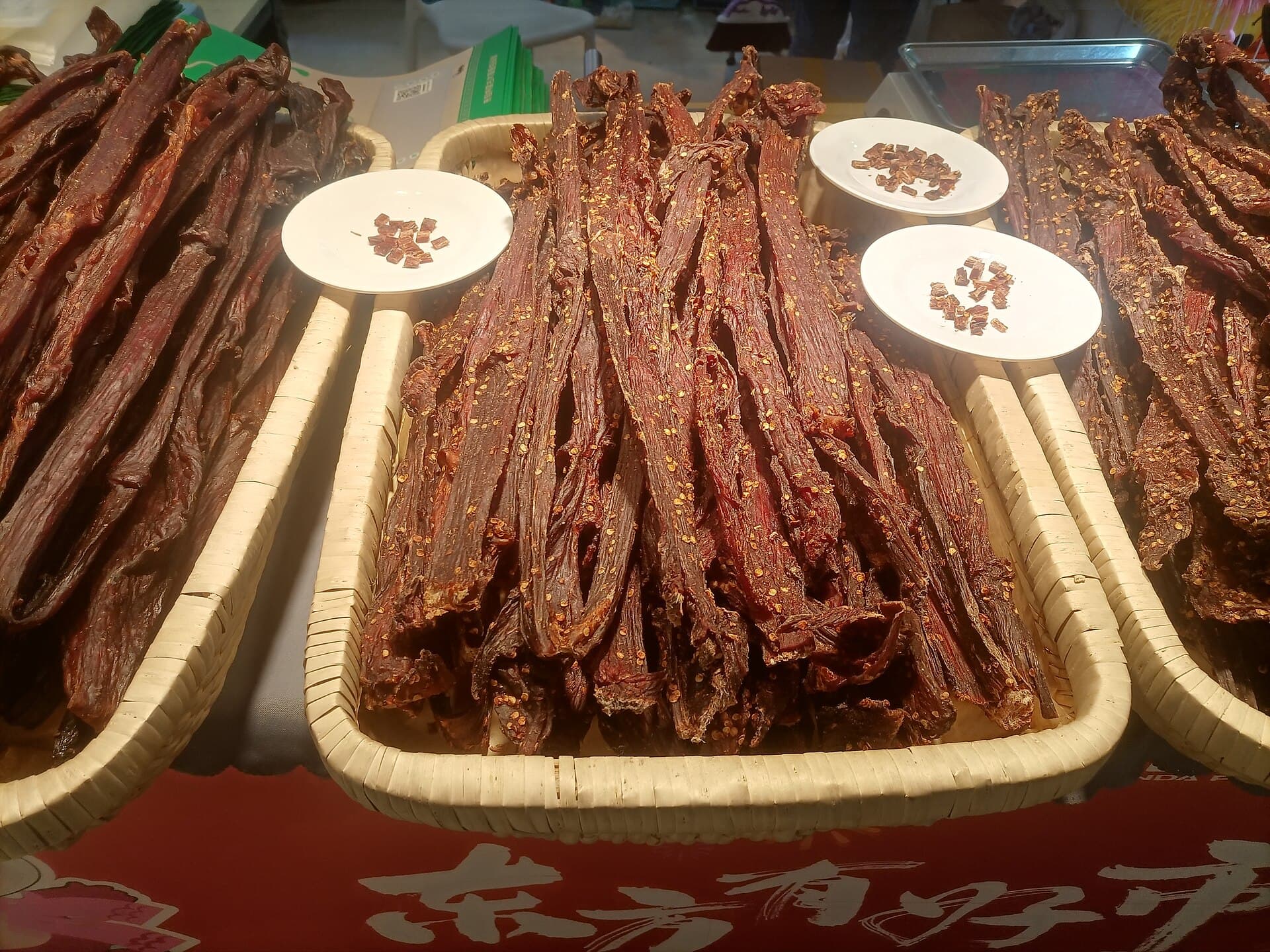
precontact-present
Jerky is preservation food before it is snack food. Indigenous drying traditions, pemmican, pioneer travel, soldiers, cowboys, and later road-trip convenience all helped make dried meat part of American food culture.
Same table
America's Melting Pot
Codfish Cakes photo coming soon
1776-1800
Codfish cakes are a traditional dish featuring salted cod blended with potatoes and seasonings, then fried to golden perfection. Reminiscent of early American coastal cooking around the Revolutionary period, these patties were a practical and flavorful way to enjoy preserved fish.
America's Melting Pot
Creamed Peas on Toast photo coming soon
1930s-1940s
Creamed Peas on Toast was a frugal, filling dish common during the Great Depression era, making use of canned or fresh peas in a creamy sauce served over toasted bread. It provided an economical, nourishing meal when resources were scarce, and remains a nostalgic example of Depression-era cooking.
America's Melting Pot
Deviled Ham Sandwiches photo coming soon
1868-present
Deviled ham sandwiches emerged during the World War II home front era as an economical and flavorful way to stretch limited meat supplies. Ground cured ham mixed with spices created a spread ideal for sandwiches in Depression and wartime kitchens.