2026
The World Cup Table: America Welcomes the World
During the 2026 World Cup, visiting fans turned ordinary American food, service, road stops, supermarkets, and friendliness into viral discovery. The world came for soccer and found the national table.
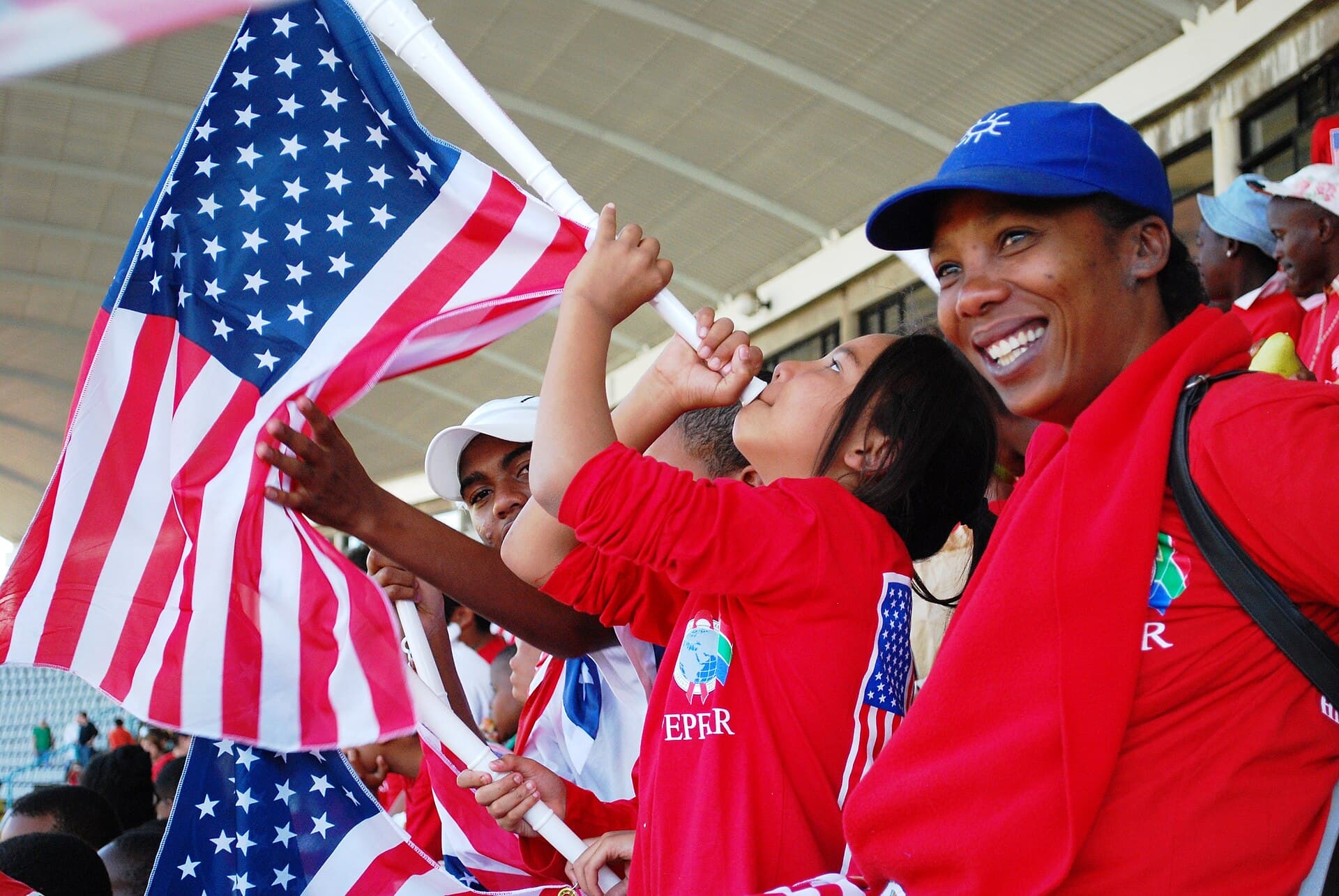
In June 2026, the World Cup turned American daily life into an international tasting room. The tournament stretched across North America, with 104 matches in 16 host cities across the United States, Mexico, and Canada. Fans came for flags, chants, goals, and rivalries, but an unexpected second story began unfolding in feeds, shorts, reels, local news segments, and group chats: visitors were discovering American food and hospitality with wide-eyed delight.
The scale helped make the food story visible. FIFA built the tournament around 48 teams and more than a month of matches, while Tourism Economics projected 1.24 million international visitors to the United States for the World Cup. That is not one crowd moving through one city. It is a rolling wave of guests landing in airports, riding highways, learning transit systems, filling hotels, asking locals where to eat, and turning small encounters into public posts.
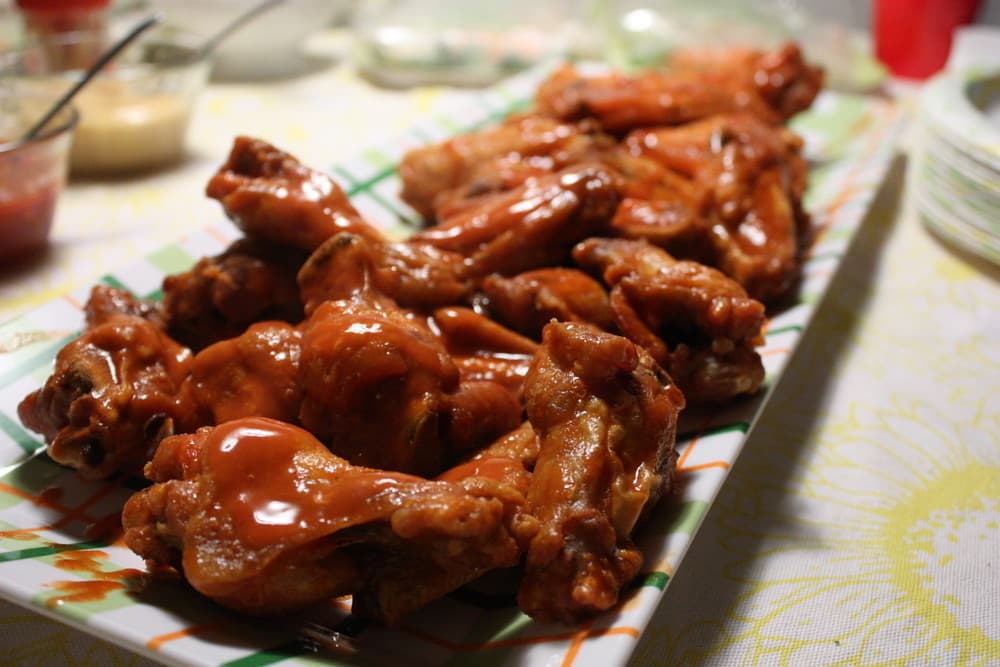
The appeal was not limited to famous landmarks or fine dining. It was Waffle House after midnight, Raising Cane's sauce in Boston, Texas barbecue piled on trays, Tex-Mex in Dallas, bagels and deli sandwiches in New Jersey, Buffalo wings on game day, giant grocery aisles, free refills, ice machines, convenience stores, big road signs, fast-food rituals, and strangers who talked as if they had known you for years. To Americans these things can feel ordinary. To many visitors, they felt cinematic.
ABC News reported that social feeds were filling with tourists trying American restaurants and fast food, discovering free refills, and posting deli sandwiches and regional grocery finds. One Scottish fan's TikTok about Raising Cane's in Boston drew hundreds of thousands of views. The Sam Adams Downtown Boston Taproom reportedly sold thousands of pints across the Scotland-Haiti weekend and needed an emergency delivery. A German fan posting as @FreddyLA7 drew viral attention with stops at Taco Bell, Chipotle, Waffle House, Buffalo Wild Wings, and other American fixtures.
Good Morning America described the trend as a wave of visitors reacting to everyday American life: sprawling supermarkets, self-serve ice, refill stations, large pickup trucks, fire engines, and cheerful customer service. That last point matters. Food is not only what lands on the tray. It is the greeting at the counter, the person who explains the menu, the server who tops off a drink without ceremony, the stranger who offers directions, and the restaurant owner who treats a visiting fan like a guest rather than a transaction.
The hospitality stories have been as revealing as the food stories. Reports and social posts described visitors surprised by friendliness in restaurants, stores, firehouses, bars, and small towns. Axios Kansas City reported that World Cup fans praised the city, while tourism leaders saw local welcome as a chance to shape how international travelers understand America beyond headlines. That is a culinary story too: the table is one of the first places a nation explains itself.
Host cities are learning that mega-events are remembered through small details. A visitor may forget the sponsor signage, but remember the person who pointed them toward a smokehouse, the bartender who explained a local beer, the grocery clerk who laughed through a pronunciation mistake, or the fan who invited them into a tailgate photo. Hospitality becomes durable when it feels personal.
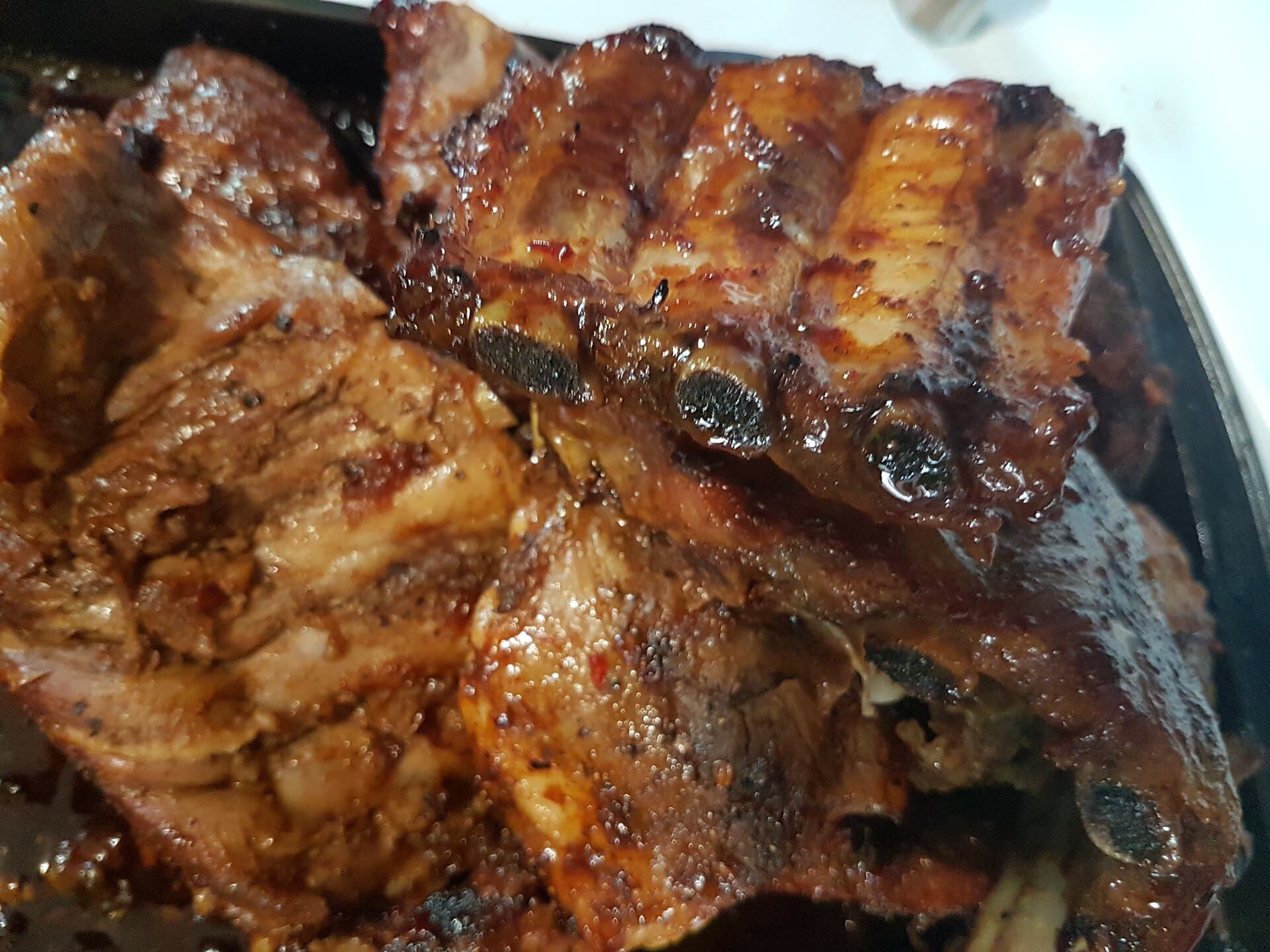
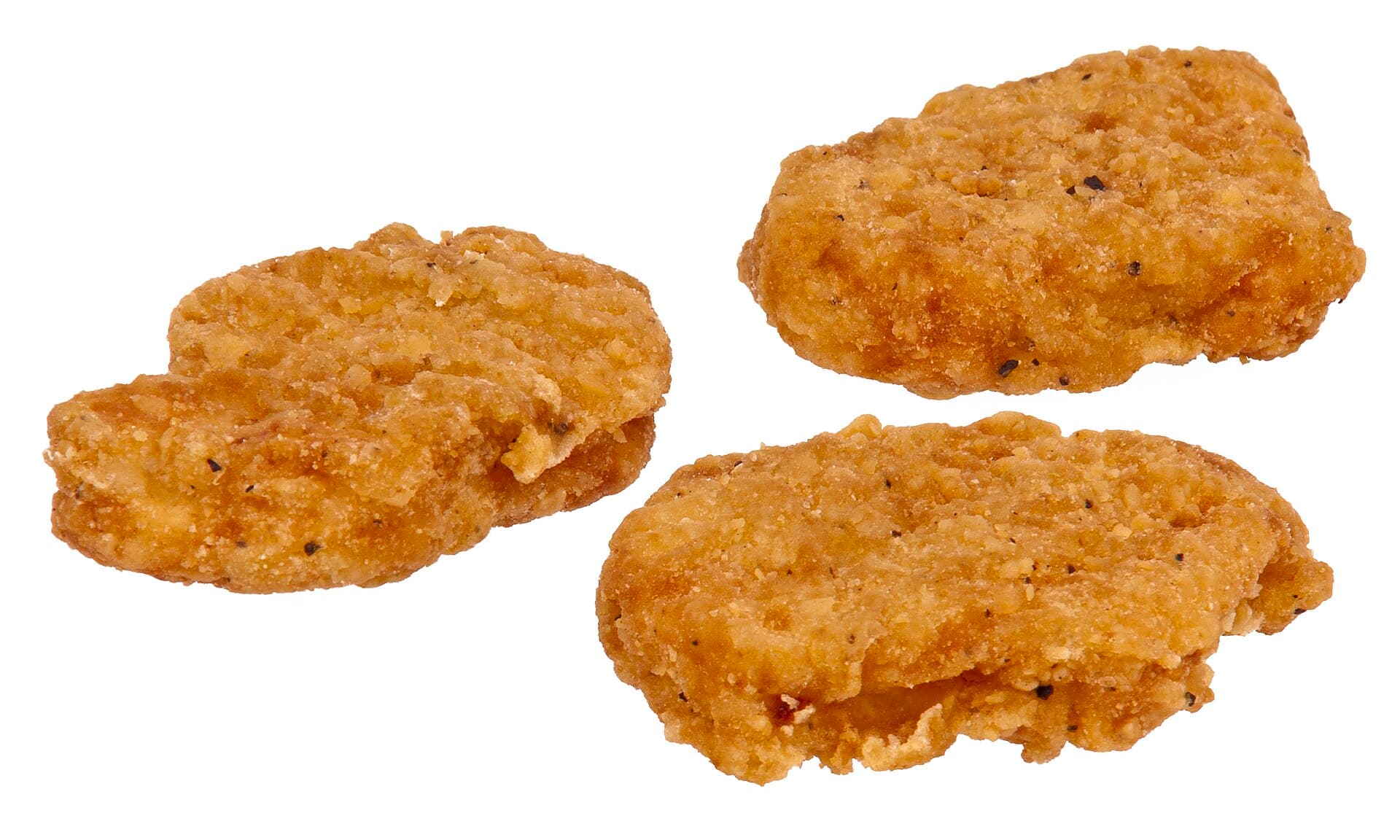
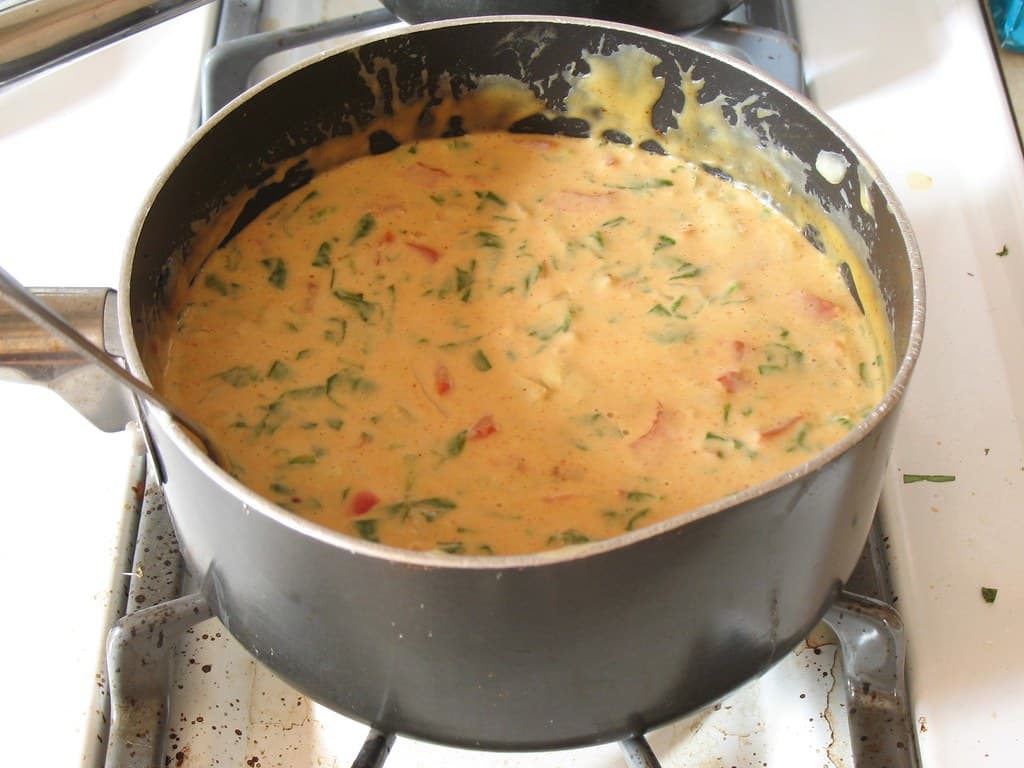
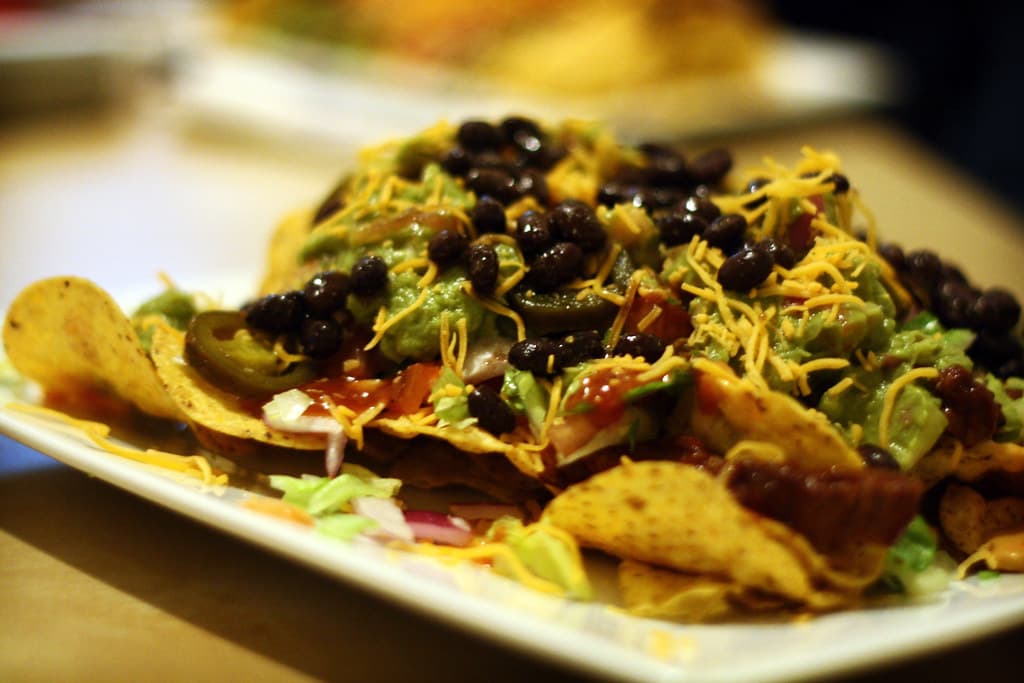
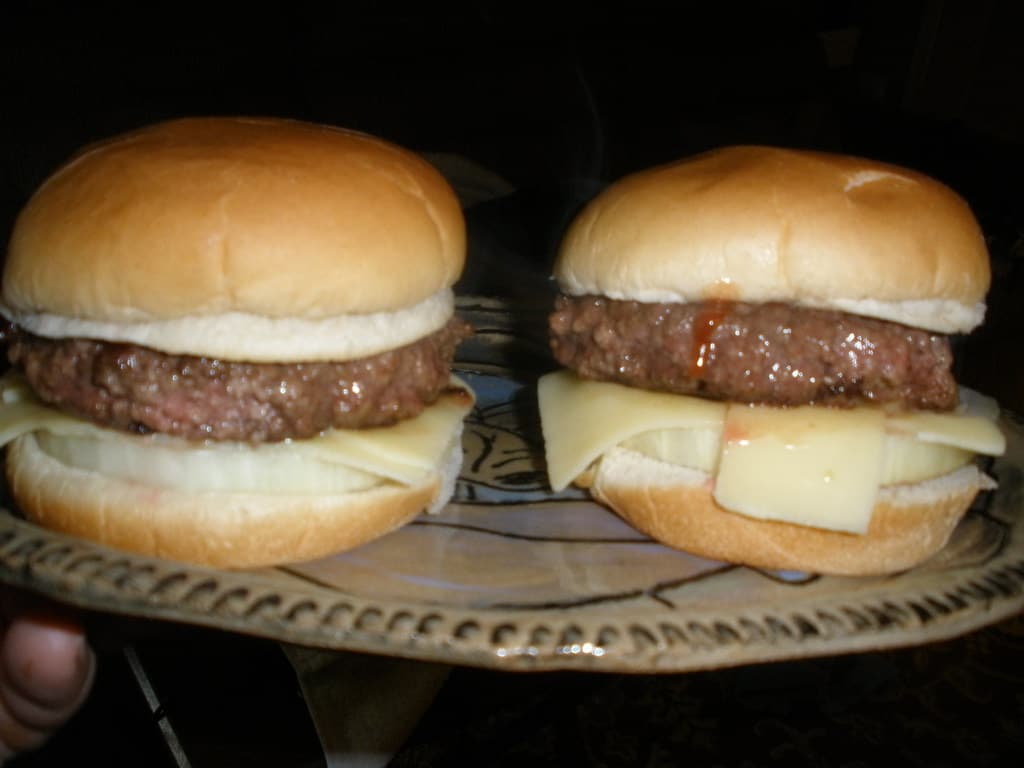
This moment works because American food culture is both regional and instantly accessible. A visitor can eat Texas brisket one day and a New Jersey bagel the next. They can try tacos, queso, nachos, hamburgers, barbecue ribs, chicken tenders, ranch dressing, and Buffalo wings without needing a reservation or a translator. The country's casual food is not less meaningful because it is easy to buy. Its ease is part of the meaning.
Fast food, in this story, is not only corporate sameness. For many visitors it is a pop-culture landmark. They have seen Taco Bell, Wendy's, Chick-fil-A, Popeyes, Buc-ee's, Waffle House, and giant soda cups in movies, memes, music videos, and travel clips for years. The first bite is partly food and partly recognition. A Baja Blast, a sauce cup, a drive-thru order, or a late-night booth can feel like stepping into a scene they already knew from a screen.
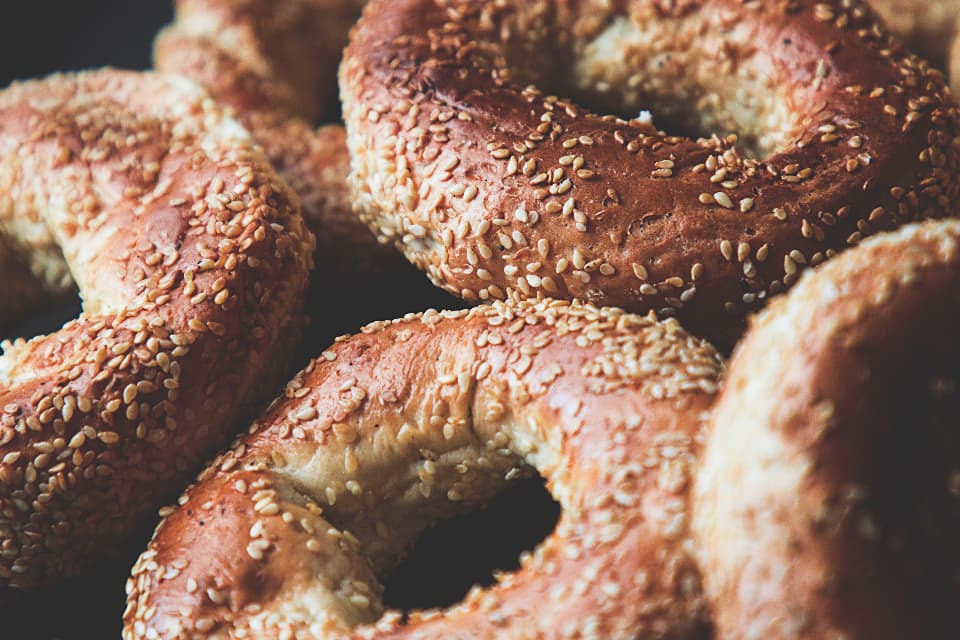
Local food has been carrying the deeper work. FOX 4 Dallas-Fort Worth followed England superfans trying Tex-Mex before an England match. CBS New York covered visitors seeking out New Jersey food, including bagels and deli sandwiches. Around the country, the pattern repeated: soccer fans arrived with scarves and flags, then learned a host city through its counter service, smokehouse, brewery, bodega, taco shop, diner, supermarket, food truck, or neighborhood bar.
The funniest clips often center on surprise, but the deeper pattern is recognition. Visitors are not only rating chicken tenders or marveling at portion size. They are discovering that American food culture is built around availability: late hours, roadside stops, takeout windows, bottomless drinks, stadium snacks, breakfast all day, and casual spaces where a family, a work crew, a tourist, and a group of fans can all sit down without ceremony.
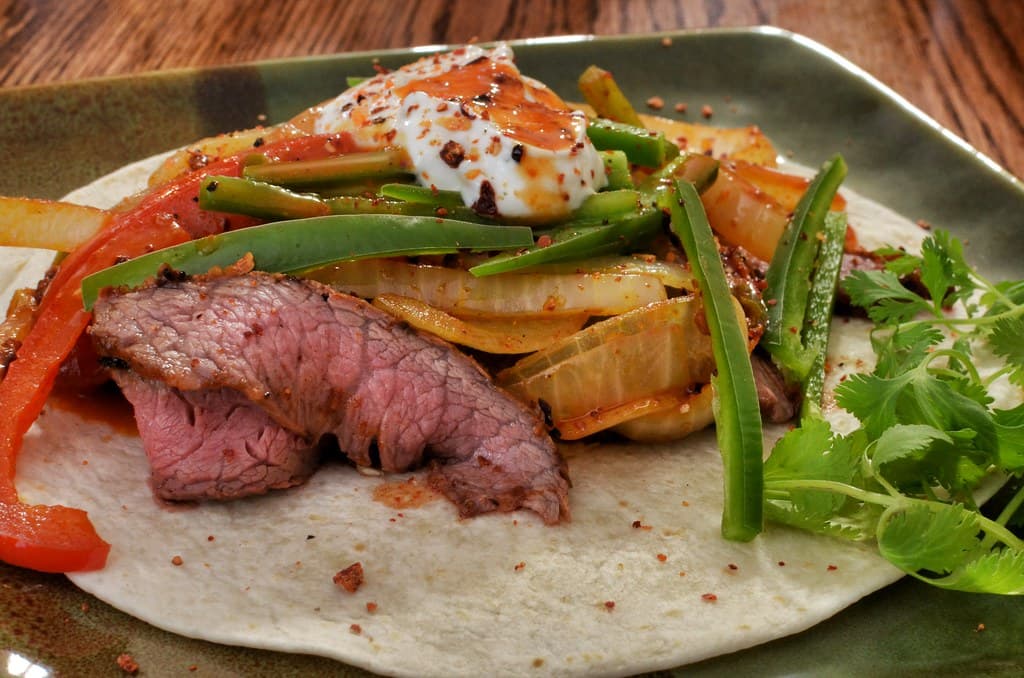
The World Cup also made the American table look like the country itself. International fans brought their own chants, jerseys, languages, rituals, and expectations. They met an American food landscape already shaped by migration: Mexican American tacos and fajitas, Jewish American bagels and deli counters, Black barbecue traditions, Southern fried chicken, immigrant-owned groceries, Asian American convenience foods, regional beer, and stadium snacks. The host was not one cuisine. It was a chorus.
There is humor in the viral clips, but the story is not a joke. Hospitality is a serious national strength when it is practiced well. A friendly clerk, generous portion, clean restroom, refill station, tailgate invitation, firehouse tour, or local recommendation can repair a traveler's assumptions more effectively than a tourism slogan. The World Cup gave Americans a chance to welcome strangers through the simplest language available: eat, drink, sit down, try this, let me help.
The proud lesson is direct. American food does not need to apologize for being abundant, casual, regional, messy, sweet, smoky, spicy, branded, homemade, immigrant, roadside, or served in a paper basket. At its best, it is generous. It meets people where they are. It gives them a story to take home.
When the tournament ends, the clips will keep circulating: first ranch dressing, first free refill, first plate of barbecue, first Waffle House booth, first bagel, first Tex-Mex platter, first tailgate conversation, first stranger who made the country feel warmer than expected. The World Cup table belongs in America's culinary history because it shows the national table doing what it has always done at its best: welcoming the world, feeding it well, and sending it home with a story.
From the archive
Listen and read deeper
ABC News
First U.S. food experiences go viral
ABC News collected examples of international fans trying American restaurants, fast food, free refills, regional groceries, and local beer culture during the 2026 World Cup.
Good Morning America
Everyday American life becomes the attraction
Good Morning America reported that visitors were reacting to supermarkets, ice machines, refill stations, large vehicles, customer service, and friendliness as cultural discoveries.
Axios Kansas City
Kansas City hospitality draws praise
Axios Kansas City reported that international fans praised local hospitality, with tourism leaders hoping the welcome lasts beyond the tournament.
Oxford Economics
Recipes from this story
Cook from the chapter
America's Melting Pot
Texas Brisket photo coming soon
mid-1800s-present
Texas Brisket
Texas Brisket is a slow-smoked beef brisket seasoned with a spice rub and cooked low and slow over wood smoke, a centerpiece of Texas barbecue culture. Its smoky flavor, tender texture, and bark crust showcase the deeply regional American barbecue tradition highly celebrated across the United States today.
1900-2026
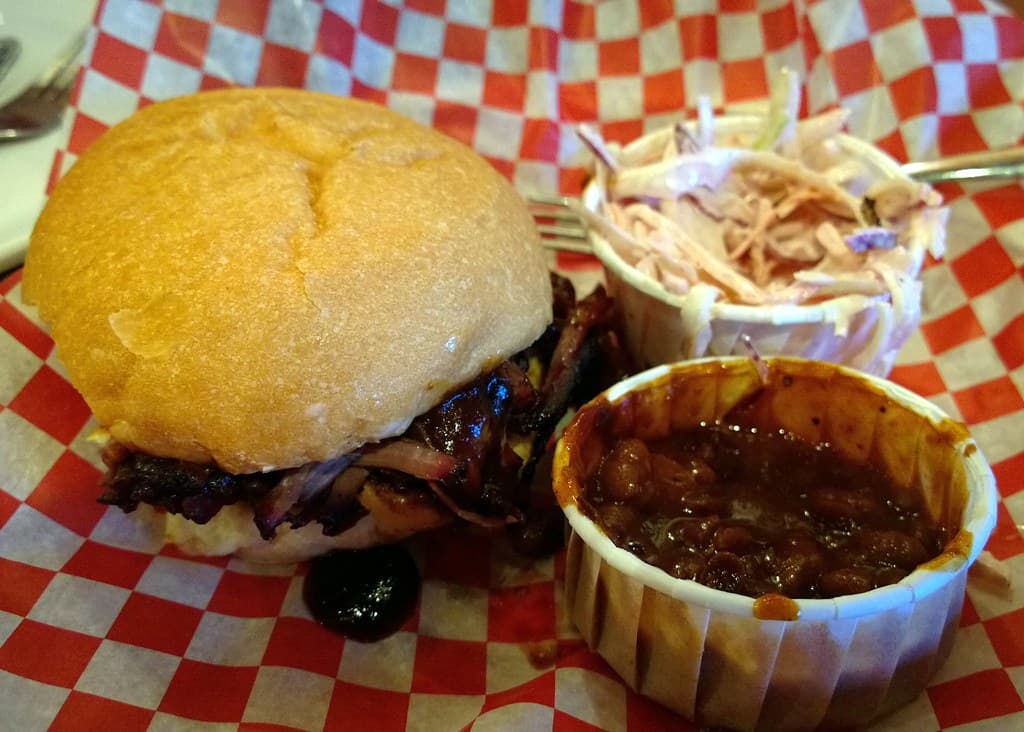
Brisket Sandwich
The brisket sandwich can come from two American lines: smoked barbecue brisket on a soft bun, or Jewish deli-style brisket on rye. Both turn slow-cooked beef into a handheld meal, with sharp pickles, mustard, slaw, or sauce balancing the richness.
Keep reading
Related stories
1880s-today
The Migrant Table Makes America Larger
Immigrant and migrant families kept home alive through food, then changed the country by sharing it. Delis, taquerias, noodle shops, fish fries, bakeries, church kitchens, bodegas, food trucks, farmers markets, and family restaurants made America bigger.
1950s-2000s
The Supermarket Age and the Television Kitchen
After 1950, supermarkets, frozen food, television kitchens, drive-ins, school lunches, backyard grills, diet culture, new appliances, and global migration changed daily eating.
2020-2021
COVID-19 and the Reinvention of Food Access
When COVID-19 closed restaurants, schools, and workplaces, Americans saw empty shelves and long food-bank lines, even as federal agencies stressed that the national food supply itself remained strong.