1880s-today
The Migrant Table Makes America Larger
Immigrant and migrant families kept home alive through food, then changed the country by sharing it. Delis, taquerias, noodle shops, fish fries, bakeries, church kitchens, bodegas, food trucks, farmers markets, and family restaurants made America bigger.
Migration changes a country through rail lines, neighborhoods, factories, farms, schools, and kitchens. Families who move often carry recipes because recipes are portable homeland. A pot of beans, a dumpling, a pickle jar, a noodle, a sausage, a tortilla, a spice blend, or a holiday bread can hold language, memory, religion, geography, and grief all at once.
American food has been remade again and again by immigrant and migrant tables. German brewers and bakers, Jewish delis, Italian red-sauce restaurants, Chinese American stir-fry traditions, Mexican American border cooking, Filipino, Vietnamese, Korean, Caribbean, Middle Eastern, West African, South Asian, and countless other communities have changed what Americans grow, buy, crave, and serve. This is not dilution. It is the American method.
The story is also economic. Immigrant families opened groceries, restaurants, bakeries, lunch counters, farms, canneries, and food trucks. They introduced ingredients, adapted to American markets, and fed neighbors who learned new tastes one meal at a time. Children carried lunchboxes between cultures. Holiday tables became bilingual. Regional food became more generous.
The migrant table often begins with substitution. A family arrives and cannot find the exact flour, chile, cheese, fish, greens, sausage, oil, or fruit used back home. Cooks adapt without surrendering the dish. They use what the new place offers, teach grocers what to stock, plant familiar herbs, trade with neighbors, and build new versions that become traditions in their own right.
Restaurants helped translate private memory into public American taste. A neighborhood bakery, deli, taqueria, diner, noodle shop, curry house, fish market, or food truck could become a bridge between home and city. Customers learned new words by ordering lunch. Children watched parents move between languages at the counter. Food became one of the gentlest and most durable introductions between communities.
Migration also changed American agriculture and labor. Immigrant and migrant workers planted, harvested, packed, processed, cooked, delivered, and served food that other Americans often took for granted. The national appetite depends on their work. Any patriotic account of American food has to honor not only the recipes that arrived, but the hands that kept farms, kitchens, markets, and restaurants running.
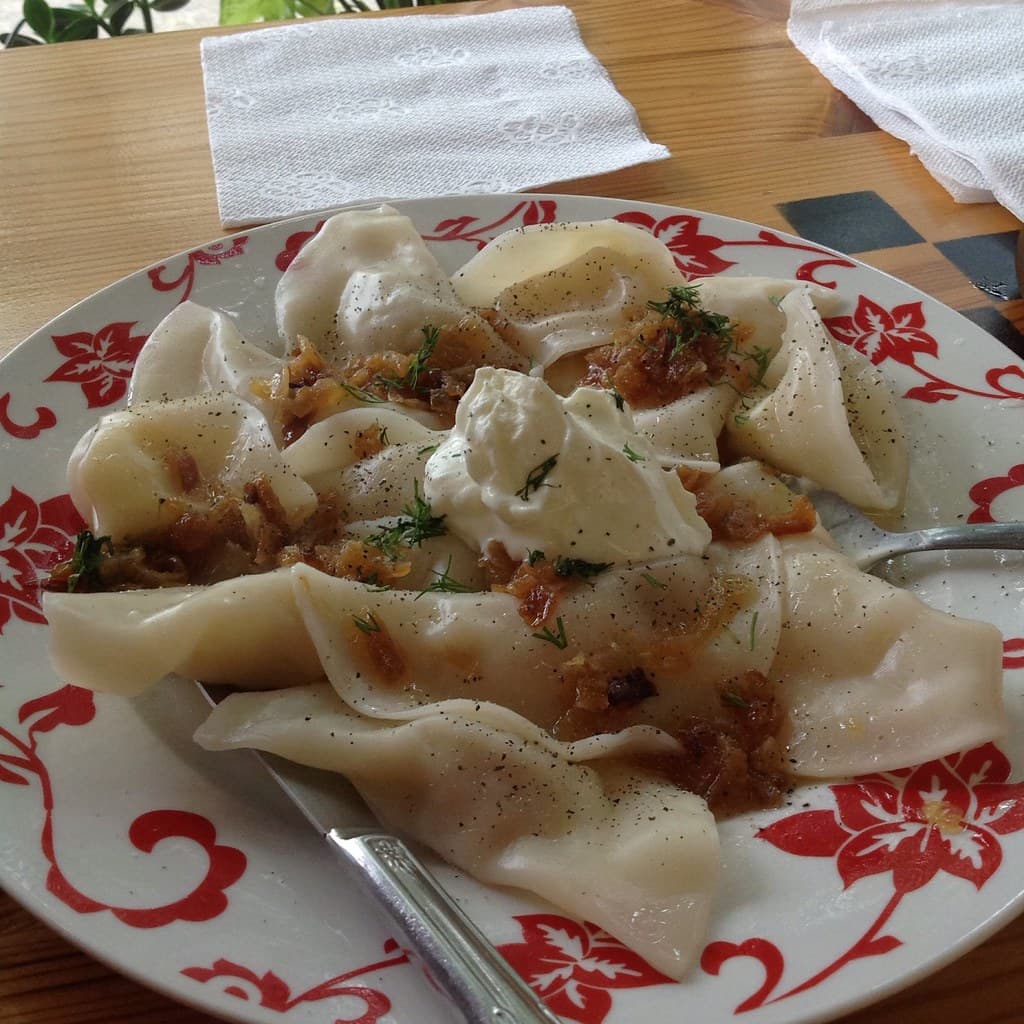
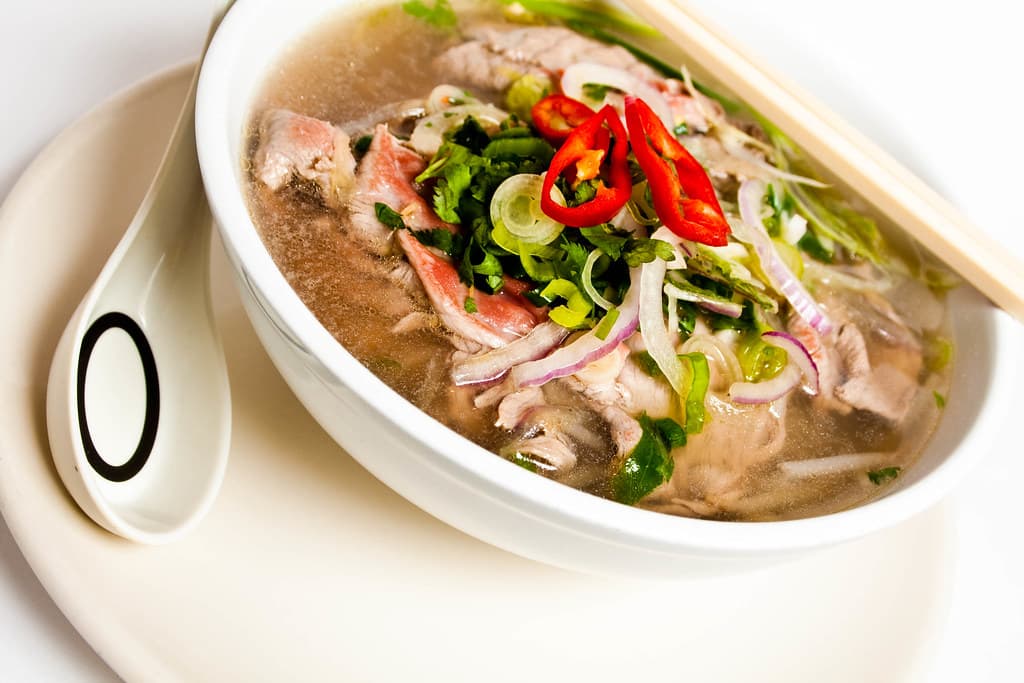
Over time, dishes once treated as foreign became local comfort. Pizza, tacos, bagels, fried rice, sushi rolls, pierogi, gyros, pho, hummus, arepas, curry, pupusas, and countless other foods entered American routines through patience, work, and appetite. The result is not a loss of identity. It is a larger country learning to make room.
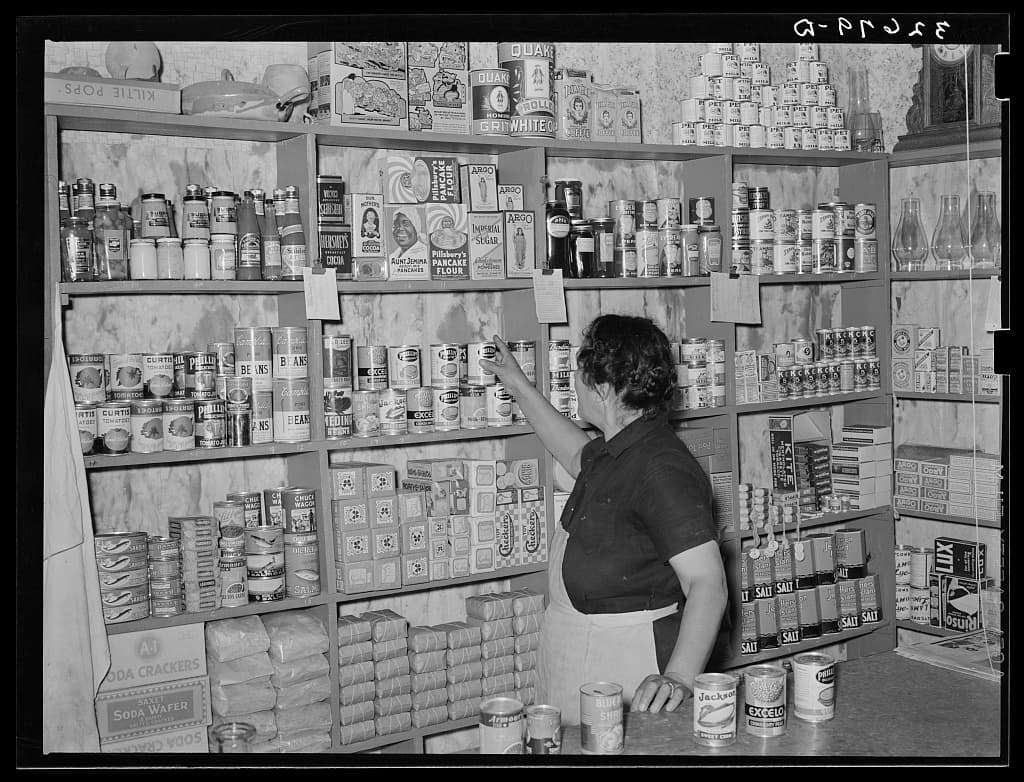
Migration often begins at the market shelf. A family looks for the flour, chile, fish sauce, sausage, tea, greens, cheese, oil, noodle, spice, or bean that made food taste like home. If it is missing, the dish changes. If a grocer learns to stock it, the neighborhood changes. American food has grown through those small negotiations between memory and availability.
Ports and borderlands made this process visible early. New Orleans, New York, San Francisco, Chicago, San Antonio, Los Angeles, Detroit, Miami, Honolulu, Seattle, and countless smaller towns became food crossroads. Markets sold familiar goods to newcomers and unfamiliar goods to neighbors willing to try them. A grocery shelf could become a map of migration.
Restaurants translated private food into public appetite. Italian red-sauce restaurants, Jewish delis, Chinese American chop suey houses, Mexican cafes, Greek diners, Filipino lunch counters, Vietnamese pho shops, Korean barbecue restaurants, Caribbean bakeries, Middle Eastern groceries, South Asian buffets, and food trucks did more than sell meals. They created meeting places where Americans learned one another through ordering.
The labor story is just as important as the recipe story. Immigrant and migrant workers planted, harvested, packed, canned, slaughtered, delivered, cooked, washed dishes, cleaned dining rooms, drove trucks, and opened businesses. American abundance has depended on people whose legal status, wages, housing, and safety were often precarious. A patriotic food history should honor the dishes and the work behind them together.
Children often carried the change fastest. A lunchbox could hold rice, tortillas, pierogi, noodles, plantains, curry, tamales, or sandwiches, and it could invite teasing, curiosity, trading, or pride. Over time, foods once treated as strange became school snacks, mall food, airport food, tailgate food, and weeknight comfort. The American palate widened through children as much as through restaurants.
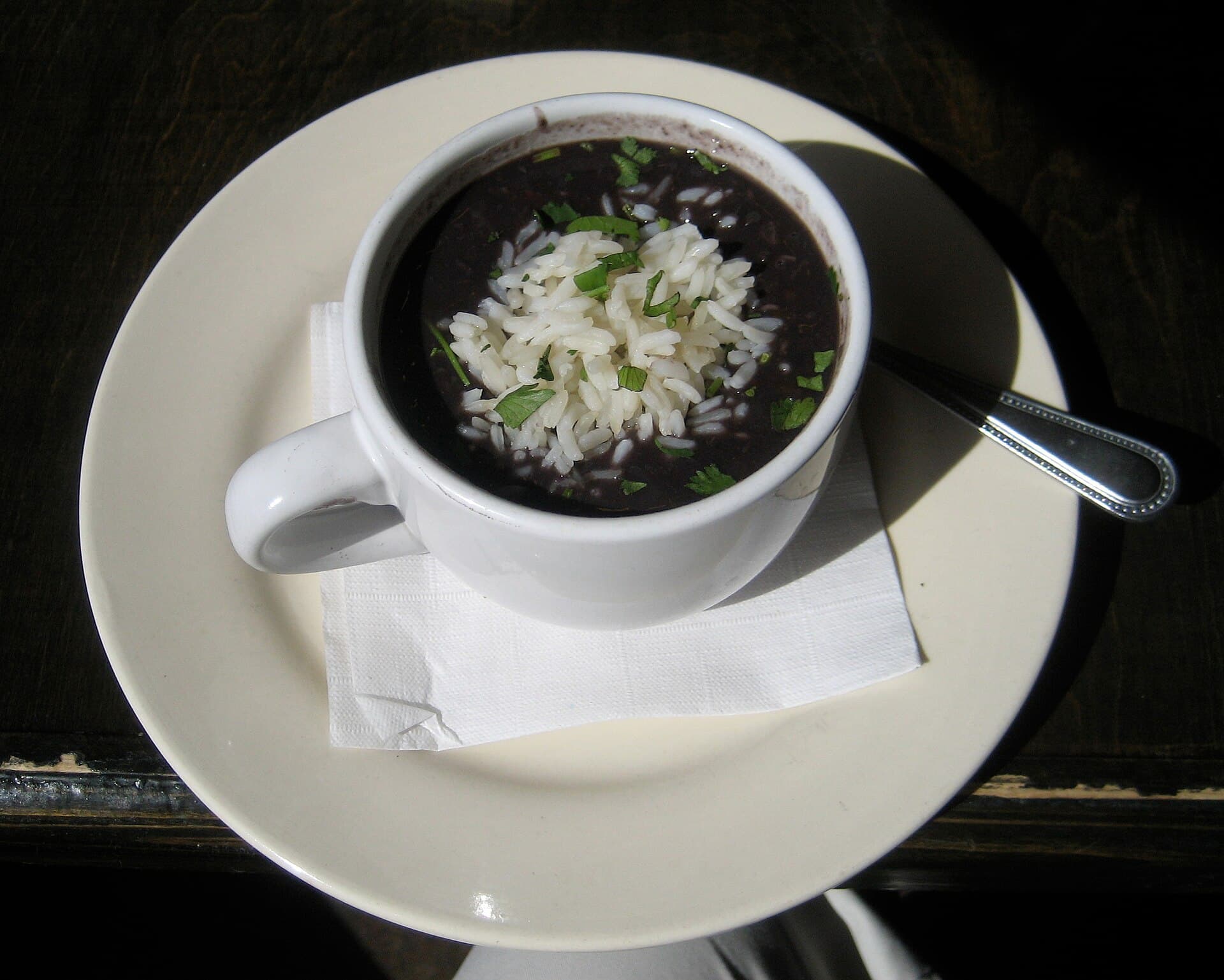
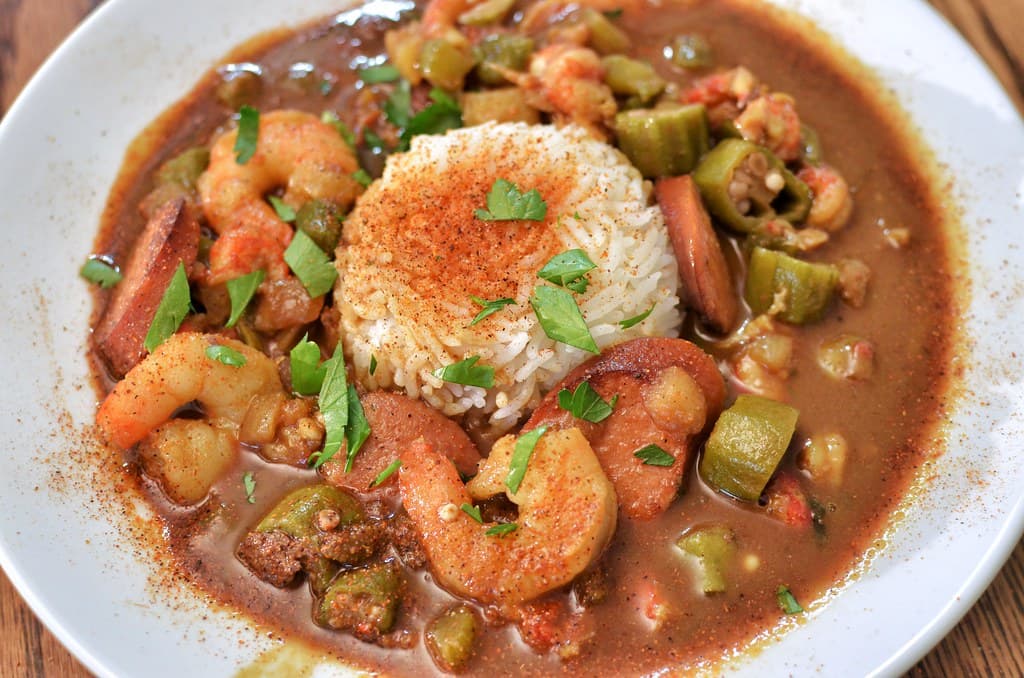
The migrant table enlarges the country without requiring anyone to surrender memory. Pizza, tacos, bagels, fried rice, pho, pierogi, arepas, gumbo, black bean soup, stuffed shells, noodles, curry, pupusas, and countless local hybrids became American because families kept cooking and neighbors kept eating. The nation became more itself by making room.
Italian American food shows how adaptation becomes tradition. Pasta, tomatoes, olive oil, cheese, sausage, bread, and wine came through migration, but American abundance changed portions and presentation. Red-sauce restaurants, pizza shops, bakeries, and Sunday gravy became part of city life and then suburban life. What began as immigrant food became celebration food, date-night food, ballpark food, and school-party food.
Mexican American food tells a border story older than many borders. Corn tortillas, beans, chiles, tamales, tacos, menudo, barbacoa, enchiladas, and regional stews belonged to communities whose foodways crossed what became the United States-Mexico line. Later migration, farm labor, restaurants, groceries, and home kitchens carried these foods across the country. The taco became national without losing its many local meanings.
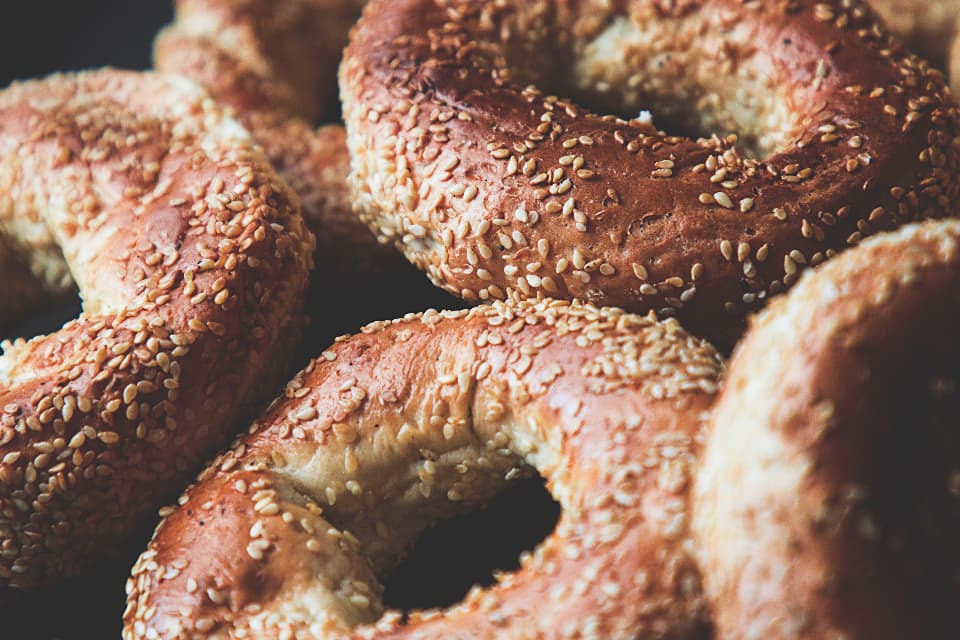
Jewish delis and bakeries changed American breakfast, lunch, and celebration. Bagels, rye bread, smoked fish, pastrami, pickles, knishes, challah, rugelach, and matzo ball soup fed immigrant neighborhoods and then entered a broader American vocabulary. A deli counter could hold memory, humor, argument, religious practice, adaptation, and appetite in the same line.
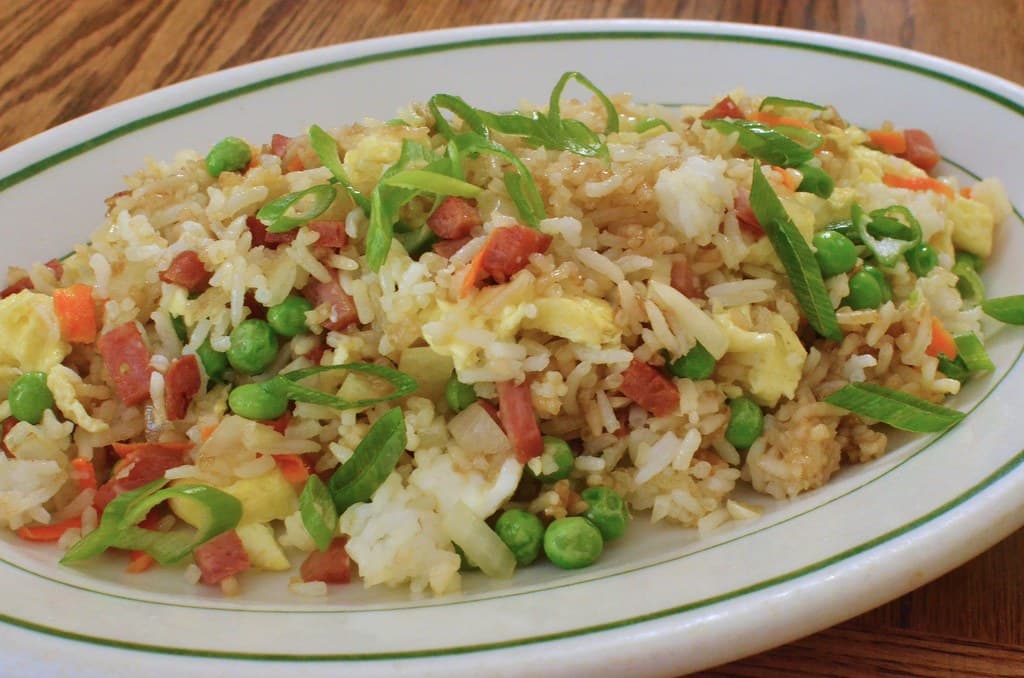
Asian American foodways show both welcome and exclusion. Chinese railroad workers, Japanese farmers, Filipino laborers, Korean communities, Vietnamese refugees, South Asian professionals and workers, and many others shaped farms, restaurants, home kitchens, and street food. Chop suey, fried rice, sushi rolls, pho, curry, Korean barbecue, lumpia, ramen, and countless regional dishes became American through labor, discrimination, creativity, and persistence.
Every migration story includes loss as well as gain. Some ingredients are unavailable. Some elders die before recipes are written down. Some children resist foods that mark them as different, then return to them later. Some restaurants simplify dishes for customers. Yet adaptation is not failure. It is how families keep memory alive in a new place.
Migrant food also reshaped American farming. Communities planted familiar crops when markets ignored them: chiles, Asian greens, bitter melon, cilantro, tomatillos, long beans, herbs, tropical fruits where climate allowed, and specialty grains. Farmers markets and small groceries often introduced these foods before national chains learned there was demand.
The result is a country where authenticity and adaptation live together. A dish can change because of local produce, customer taste, religious need, climate, cost, or children raised between cultures. That change does not weaken the dish. It records the journey.
The migrant table makes America larger because it insists that belonging can be cooked. A dish can remain true to family memory and still become part of a shared national appetite. The result is a country where the table is never finished, and that is one of its strengths.
From the archive
Listen and read deeper
Library of Congress
Small Mexican Grocery Store, San Antonio
Russell Lee's 1939 FSA photograph shows a neighborhood grocery as a place where migration, retail, pantry staples, and family business met.
Smithsonian National Museum of American History
The Migrant's Table
Smithsonian FOOD exhibition section on how migration changes American cooking and public taste.
Recipes from this story
Cook from the chapter
1990-2009
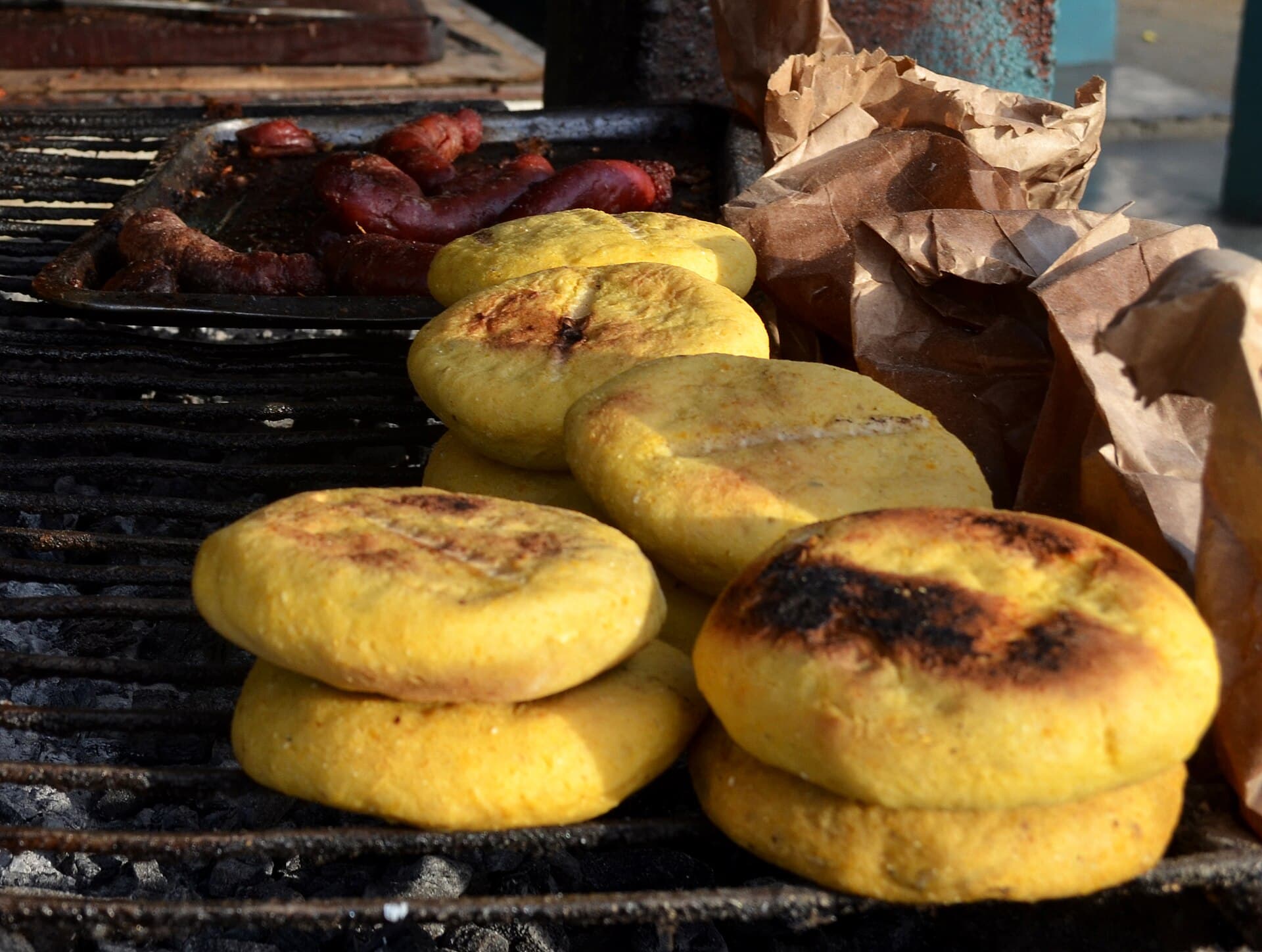
Arepas
A basic arepa recipe made with masarepa, water, salt, and a hot skillet, ready to eat plain, buttered, cheesed, or split for fillings.
1800-1860
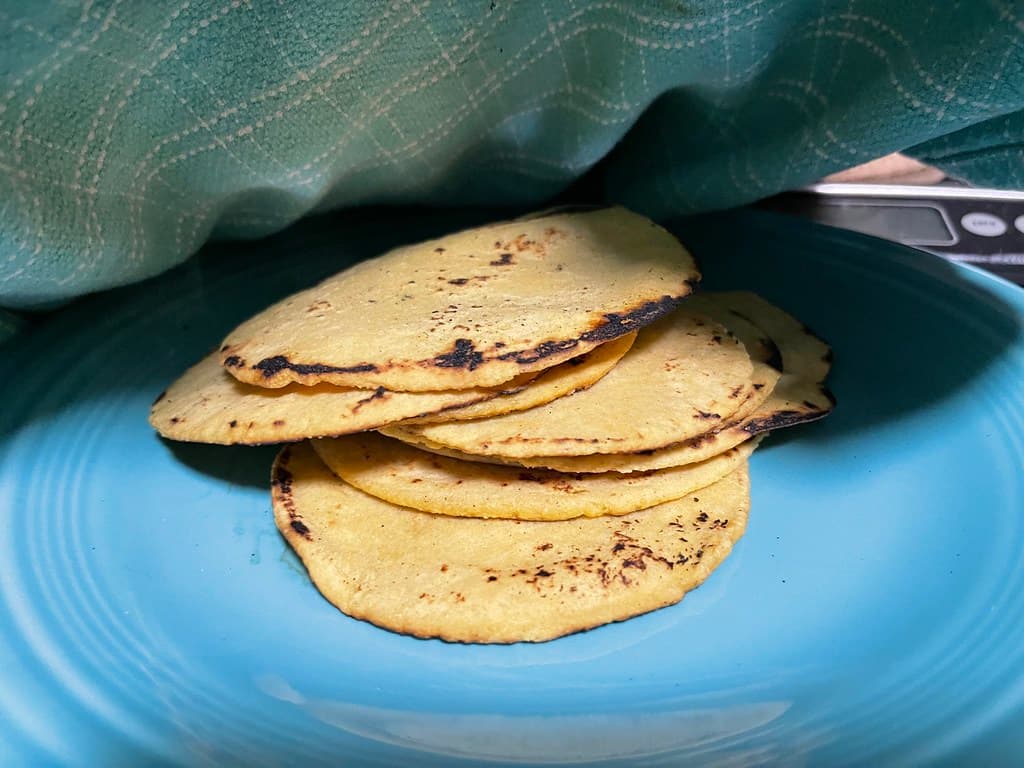
Corn Tortillas
Corn tortillas are a fundamental staple of Mexican and Southwestern cuisine, made from nixtamalized corn masa. In the early 19th century, these tortillas were widely consumed in Spanish borderlands and Mexican-American communities, providing a versatile bread substitute.
Keep reading
Related stories
1865-1930s
Black Foodways and the Taste of Freedom
Black foodways are central to the American table. Rice knowledge, field peas, greens, oysters, barbecue, red beans, baking, market vending, church suppers, and Juneteenth foods carry stories of survival, skill, enterprise, and celebration.
1950s-2000s
The Supermarket Age and the Television Kitchen
After 1950, supermarkets, frozen food, television kitchens, drive-ins, school lunches, backyard grills, diet culture, new appliances, and global migration changed daily eating.
2020-2021
COVID-19 and the Reinvention of Food Access
When COVID-19 closed restaurants, schools, and workplaces, Americans saw empty shelves and long food-bank lines, even as federal agencies stressed that the national food supply itself remained strong.