1950s-2000s
The Supermarket Age and the Television Kitchen
After 1950, supermarkets, frozen food, television kitchens, drive-ins, school lunches, backyard grills, diet culture, new appliances, and global migration changed daily eating.
After World War II, American food changed at remarkable speed. Supermarkets grew larger, suburbs spread, refrigerators and freezers became ordinary, and packaged foods promised convenience. Frozen dinners, boxed mixes, canned soups, breakfast cereals, soft drinks, and snack foods remade the pantry. For many families, modernity tasted like speed.
Television changed cooking too. Demonstration kitchens moved into living rooms, and cooks could learn technique, aspiration, and brand loyalty from a screen. Julia Child became a symbol of confidence and curiosity, showing that Americans could take pleasure in learning. At the same time, advertisements sold shortcuts and appliances that promised to make domestic work easier.
The era was not only about convenience. Highways built restaurant chains and regional road food. Backyard grills turned leisure into ritual. School cafeterias fed millions of children. Immigration after 1965 expanded restaurant culture and home cooking alike. Health movements, diet trends, organic farming, farmers markets, and local food activism all pushed back against one-size-fits-all eating.
The supermarket changed the geography of food. Instead of visiting separate bakers, butchers, produce sellers, and grocers, many shoppers moved through one bright building organized by aisles, brands, carts, coupons, and weekly specials. Choice expanded, but so did the power of packaging and advertising.
Convenience foods carried real appeal. A working parent, a large family, a new suburban household, or someone tired after a long shift could use canned soup, frozen vegetables, boxed mixes, and prepared sauces to get supper on the table. It is too easy to mock these foods from a distance. They often answered real pressures in American life.
Television made cooking aspirational and commercial at the same time. It taught technique, sold appliances, created celebrity cooks, and turned brand loyalty into entertainment. The kitchen became a stage where Americans learned both confidence and consumption.
The era also created backlash and renewal. Farmers markets, co-ops, organic growers, regional-food advocates, home bakers, barbecue obsessives, immigrant restaurateurs, and cookbook writers pushed Americans to ask where food came from and what had been lost in speed. Modern American cooking grew from that argument between convenience and connection.
The supermarket changed how Americans moved through food. Earlier shoppers often visited separate butchers, bakers, produce sellers, dairies, fishmongers, and grocers. The supermarket gathered those choices under one roof and added carts, wide aisles, fluorescent light, self-service, packaged brands, coupons, parking lots, and weekly specials. The trip became faster, larger, and more visual.
Packaging changed trust. A shopper learned to recognize labels, logos, mascots, nutrition claims, recipes on boxes, and brand promises. Canned soups, breakfast cereals, frozen vegetables, cake mixes, gelatin desserts, crackers, snack cakes, and soft drinks did not merely fill shelves. They taught households to see convenience as modern and consistency as value.
Television brought a second transformation. Demonstration kitchens entered living rooms through cooking shows, advertisements, and morning programs. Julia Child invited Americans to learn technique with curiosity and humor. At the same time, commercials sold appliances, mixes, frozen dinners, and branded shortcuts. The screen made cooking instructional, aspirational, and commercial all at once.
Convenience foods answered real pressure. Suburban commutes, women's paid labor, larger school systems, youth sports, shift work, military moves, and two-income households changed the time available for cooking. A casserole built from canned soup, frozen vegetables, rice, or tater tots could be mocked later, but at the time it often solved dinner for tired people.
The same era produced countercurrents. Farmers markets, co-ops, natural food stores, regional barbecue, community cookbooks, immigrant restaurants, gardening, diet movements, organic farming, and later local-food activism pushed Americans to ask where food came from. Convenience and craft did not simply replace one another. They argued across the same kitchen table.
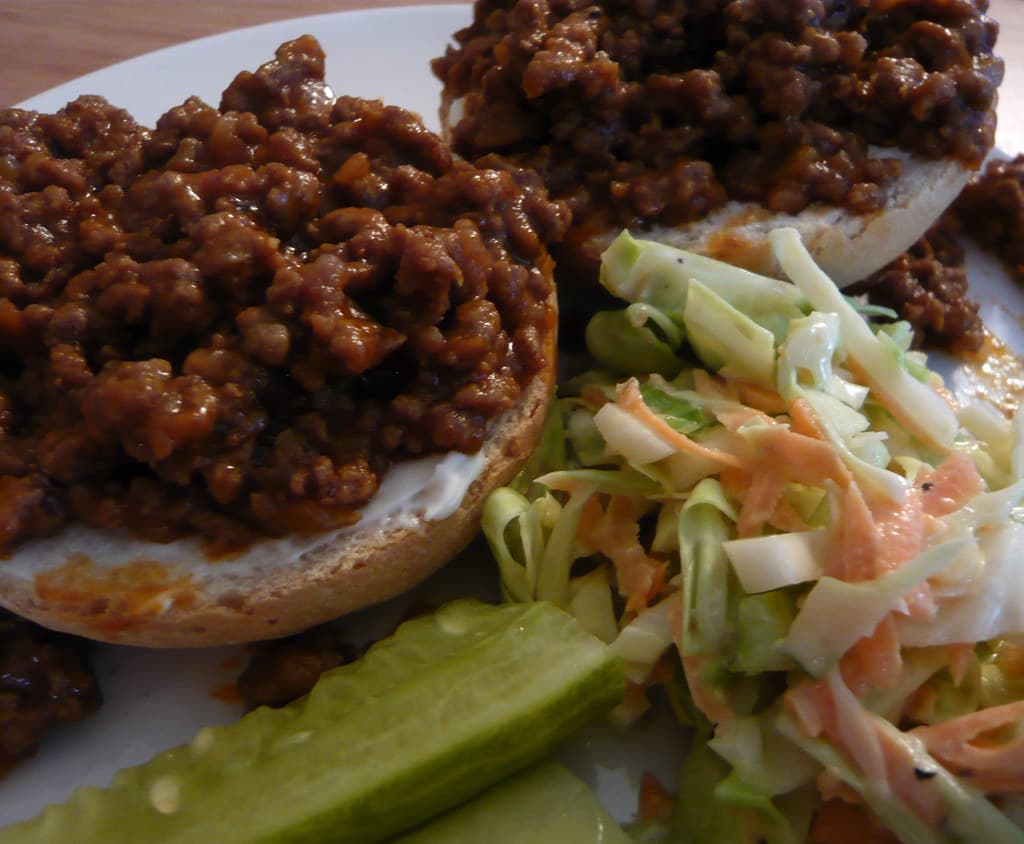
The supermarket age left Americans with abundance and distance. Food became easier to buy and harder to trace. The modern table learned to live between speed and memory: green bean casserole beside heirloom tomatoes, burgers beside pho, boxed cereal beside sourdough, school cafeteria sloppy joes beside farmers market pasta salad. That tension is still part of American cooking.
Frozen food changed time. Clarence Birdseye and later food companies helped turn freezing into a household expectation, and postwar freezers made storage feel modern. Vegetables, orange juice, fish sticks, TV dinners, pot pies, and ice cream could wait at home for the right night. The freezer made seasonality less visible and convenience more dependable.
The shopping cart changed buying habits. A hand basket limits ambition; a cart invites stocking up. Larger packages, family-size cereals, cases of soda, frozen multipacks, and weekly shopping trips all made sense in stores built for cars and suburbs. Parking lots and refrigerators were part of the same food system.
Advertising spoke directly to children. Cereal mascots, cartoon commercials, prizes in boxes, jingles, and Saturday morning television turned young viewers into shoppers-in-training. Breakfast became one of the places where nutrition, sugar, entertainment, and brand loyalty collided.
Television chefs offered a different kind of education. Julia Child, James Beard, Graham Kerr, Martin Yan, Jacques Pépin, and later public television and cable cooks showed technique, personality, travel, and aspiration. Viewers could learn to make French sauces, stir-fries, barbecue, pastries, or weeknight shortcuts without leaving home.
The era's convenience foods deserve a fair reading. Green bean casserole, tater tot hotdish, broccoli rice casserole, Rice Krispies treats, sloppy joes, and boxed cakes fed potlucks, school nights, church basements, Scout meetings, funerals, and family reunions. They were industrial, but they were also social.
School cafeterias became part of this modern food world. Centralized purchasing, commodity foods, lunch trays, milk cartons, rectangular pizza, sloppy joes, fruit cups, and cafeteria rolls gave millions of children a shared food memory. Some meals were beloved, some endured, but the cafeteria helped standardize what American children expected lunch to look like.
By the end of the twentieth century, the supermarket itself had absorbed many of the movements that once challenged it. Organic produce, salsa, tofu, sushi, hummus, tortillas, artisan bread, regional barbecue sauce, and international aisles entered mainstream stores. The aisles became a record of changing America: industrial convenience on one shelf, immigrant influence and local aspiration on the next.
The supermarket age is complicated because it gave Americans abundance and distance at the same time. Food became easier to buy and harder to trace. Yet Americans kept adapting. The modern table became a negotiation between speed and craft, national brands and family recipes, convenience and memory.
From the archive
Listen and read deeper
Library of Congress
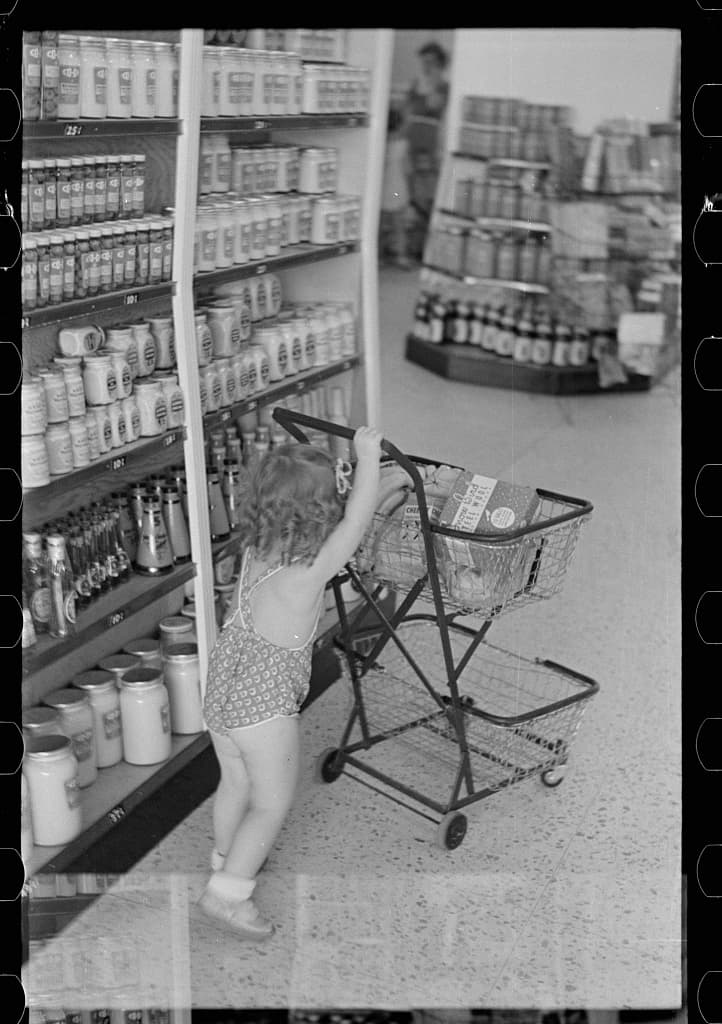
Shopping in Co-op Store, Greenbelt, Maryland
Marion Post Wolcott photographed shoppers in a Greenbelt co-op store in 1938, a useful bridge between older groceries and later supermarket habits.
Smithsonian National Museum of American History
FOOD: Transforming the American Table
Smithsonian exhibition on the broad changes in American food after 1950.
Recipes from this story
Cook from the chapter
1900-1929
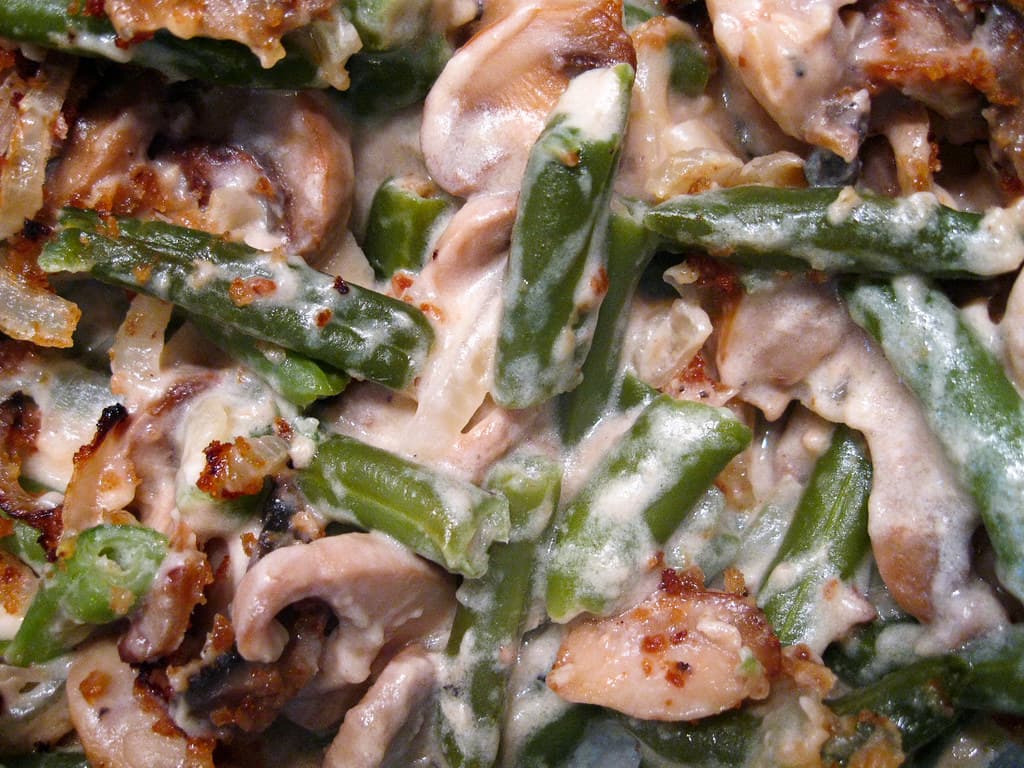
Green Bean Casserole
Green Bean Casserole is a staple side dish in Midwestern American holiday tables, church suppers, and school gatherings. Combining green beans, cream of mushroom soup, and crispy fried onions, it became widely popular in the early 20th century and remains a comforting, familiar casserole.
America's Melting Pot
Tater Tot Hotdish photo coming soon
1950s-1970s
Tater Tot Hotdish
A practical Upper Midwest casserole layered with seasoned beef, vegetables, creamy sauce, cheese, and crisp tater tots.
Keep reading
Related stories
1960s
The Lunch Counter as a Battleground for Citizenship
A lunch counter is an ordinary place until someone is told they cannot sit there. In 1960, four Black college students sat at a Greensboro Woolworth counter and asked to be served.
1880s-today
The Migrant Table Makes America Larger
Immigrant and migrant families kept home alive through food, then changed the country by sharing it. Delis, taquerias, noodle shops, fish fries, bakeries, church kitchens, bodegas, food trucks, farmers markets, and family restaurants made America bigger.
2020-2021
COVID-19 and the Reinvention of Food Access
When COVID-19 closed restaurants, schools, and workplaces, Americans saw empty shelves and long food-bank lines, even as federal agencies stressed that the national food supply itself remained strong.