
Recipe archive
Loading
Setting the table...
Fetching the latest recipes from the archive.
Loading
Fetching the latest recipes from the archive.
Recipe archive
America's Melting Pot
Boardwalk Fries hero image coming soon
1920s-present - Ocean City boardwalk concessionaires, especially J. T. Thrasher
Boardwalk fries are beach food stripped to essentials: fresh-cut potatoes, hot oil, salt, and vinegar. Ocean City made the style famous through Thrasher fries, opened in 1929, where ketchup is famously beside the point.
No featured photo yet. Upload a photo with your review. The highest-rated community photo may become this recipe's hero image.
Difficulty
Moderate
Prep time
25 minutes plus soaking
Cook time
20 minutes
Total time
45 minutes plus soaking
Servings
4 servings
Region
Mid-Atlantic boardwalks
Era introduced
1920s-present
Introduced by
Ocean City boardwalk concessionaires, especially J. T. Thrasher
Recipe tools
Log in to save this recipe to a collection.
Boardwalk fries are a Mid-Atlantic ritual as much as a recipe. J. T. Thrasher opened his Ocean City fry stand in 1929 and built a reputation on freshly cooked fries served with salt and vinegar rather than ketchup. The style spread through boardwalk memory: hot paper cups, ocean air, and vinegar sharp enough to cut through the oil. This home version uses soaked russet potatoes and a two-stage fry for a crisp exterior.
Share family changes, regional twists, or pantry-friendly adaptations as full community recipes.
Log in to submit a community recipe.
No community recipes yet. Submitted recipes are published right away.
Rate this recipe and share how it worked at your table.
Log in to review this recipe.
No reviews yet. Be the first to rate this recipe.
Recipes matched by era, region, occasion, ingredients, and cultural roots from the archive.
Same era
America's Melting Pot
Alabama White Sauce Chicken photo coming soon
1920s-present
Grilled or smoked chicken served with Alabama white barbecue sauce, a mayonnaise-and-vinegar sauce associated with Big Bob Gibson Bar-B-Q in Decatur.
America's Melting Pot
BBQ Pulled Pork Sandwich photo coming soon
1920-2026
The pulled pork sandwich carries Southern barbecue into a portable form. Pork shoulder is cooked low and slow until it can be pulled apart, then served chopped or shredded on a bun. In Memphis and the Carolinas, slaw on the sandwich is part of the experience; elsewhere the sauce and smoke take the lead.
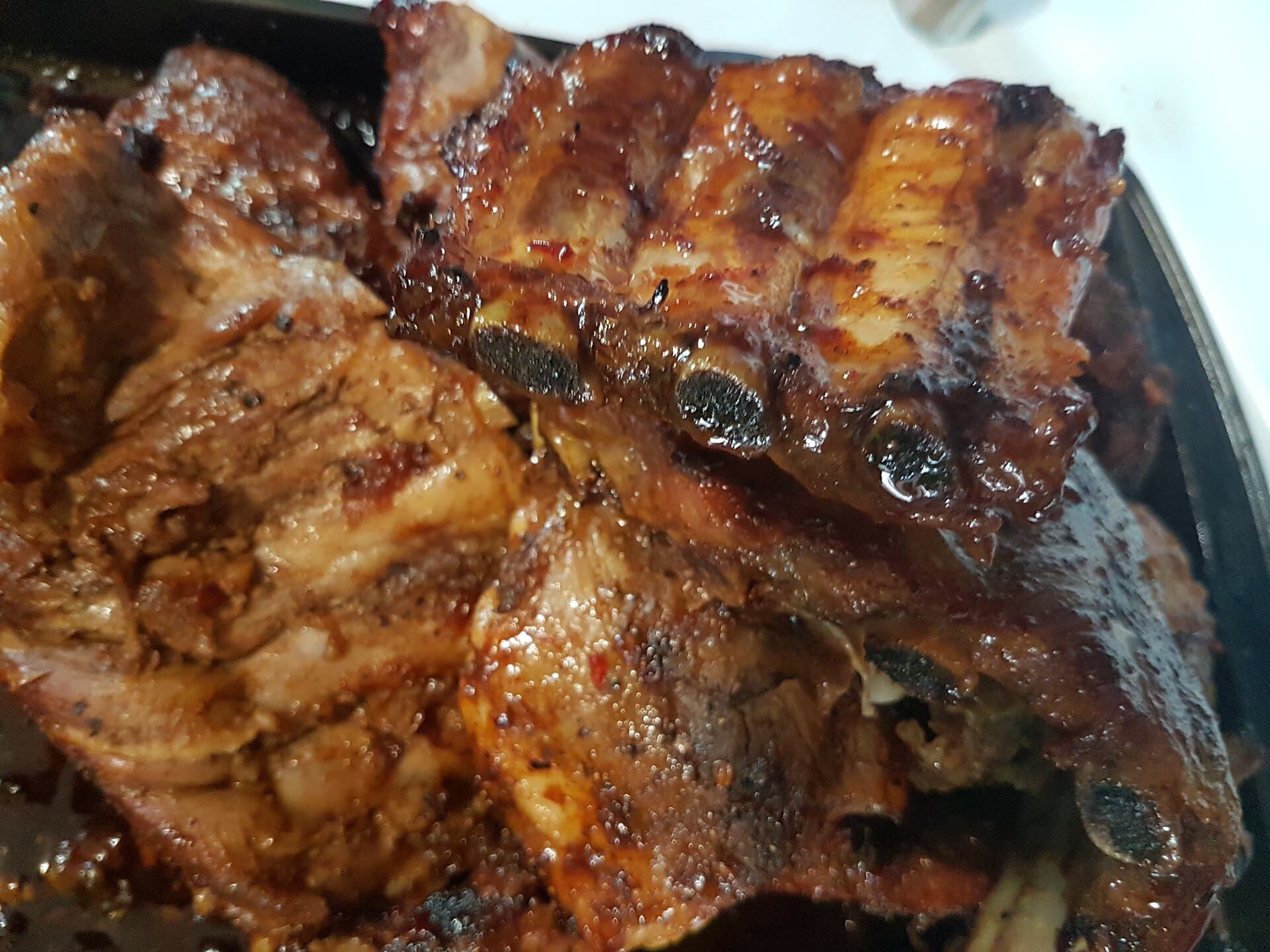
1920-2026
Modern barbecued ribs are newer than their old-fashioned reputation suggests. They rose with commercial meatpacking, refrigeration, barbecue stands, and postwar backyard grilling. Today ribs are a holiday and cookout centerpiece, especially when cooked gently and sauced near the end so the glaze sets instead of scorches.
Same region
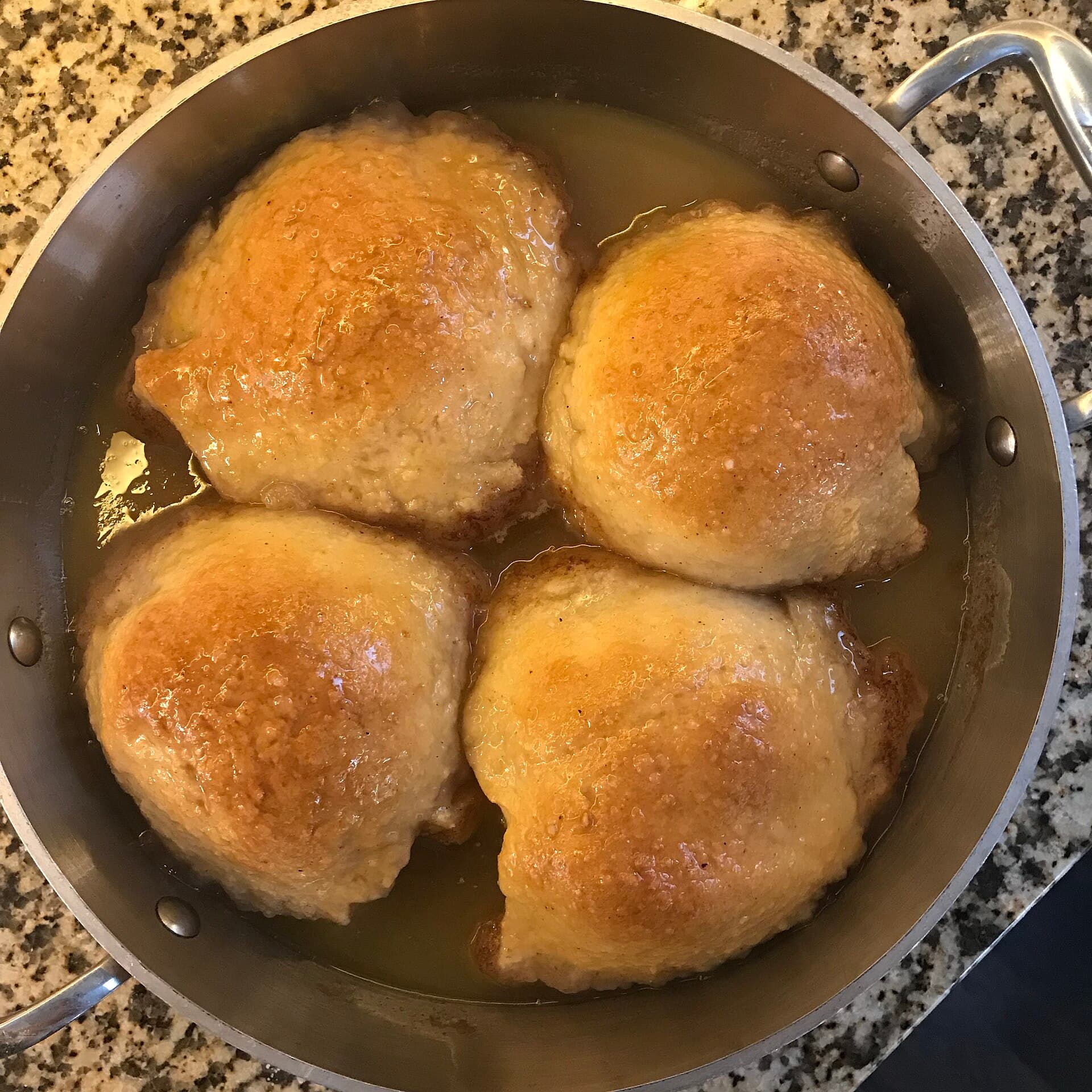
1800s-present
A Pennsylvania Dutch-style dessert of cored apples wrapped in dough and baked with brown sugar syrup.
America's Melting Pot
Black and White Shake photo coming soon
1940s-present
Black and White Shake pours old-school malt-shop cheer into a cold glass: Vanilla ice cream with chocolate syrup, especially New York diner style.
America's Melting Pot
Canned Oyster Stew photo coming soon
1860-2026
Oyster stew has long been part of American coastal, holiday, and Lenten cooking. Canned oysters made the dish possible far from oyster beds and useful for military, railroad, boardinghouse, and pantry meals.
Same table
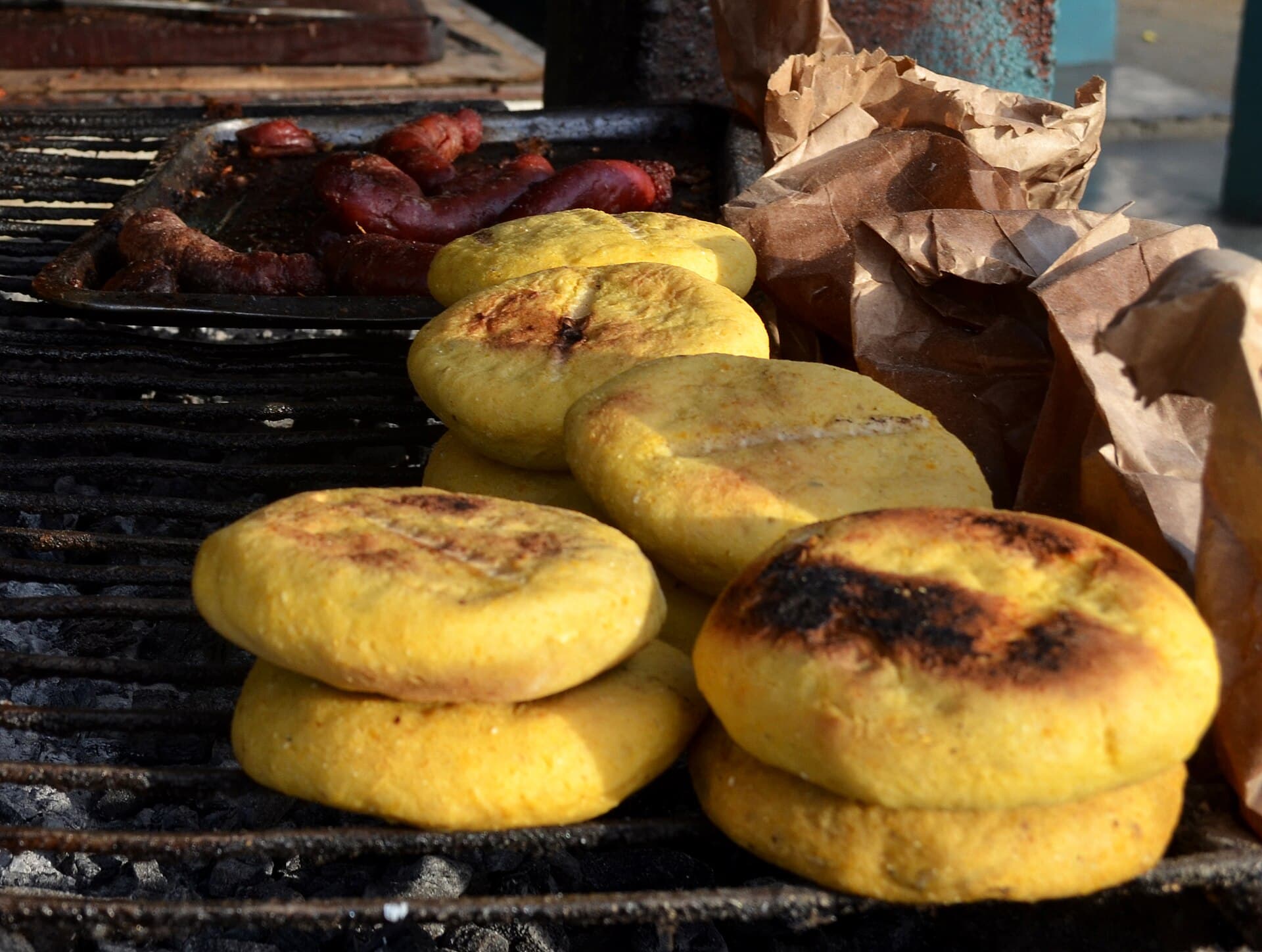
1990-2009
A basic arepa recipe made with masarepa, water, salt, and a hot skillet, ready to eat plain, buttered, cheesed, or split for fillings.
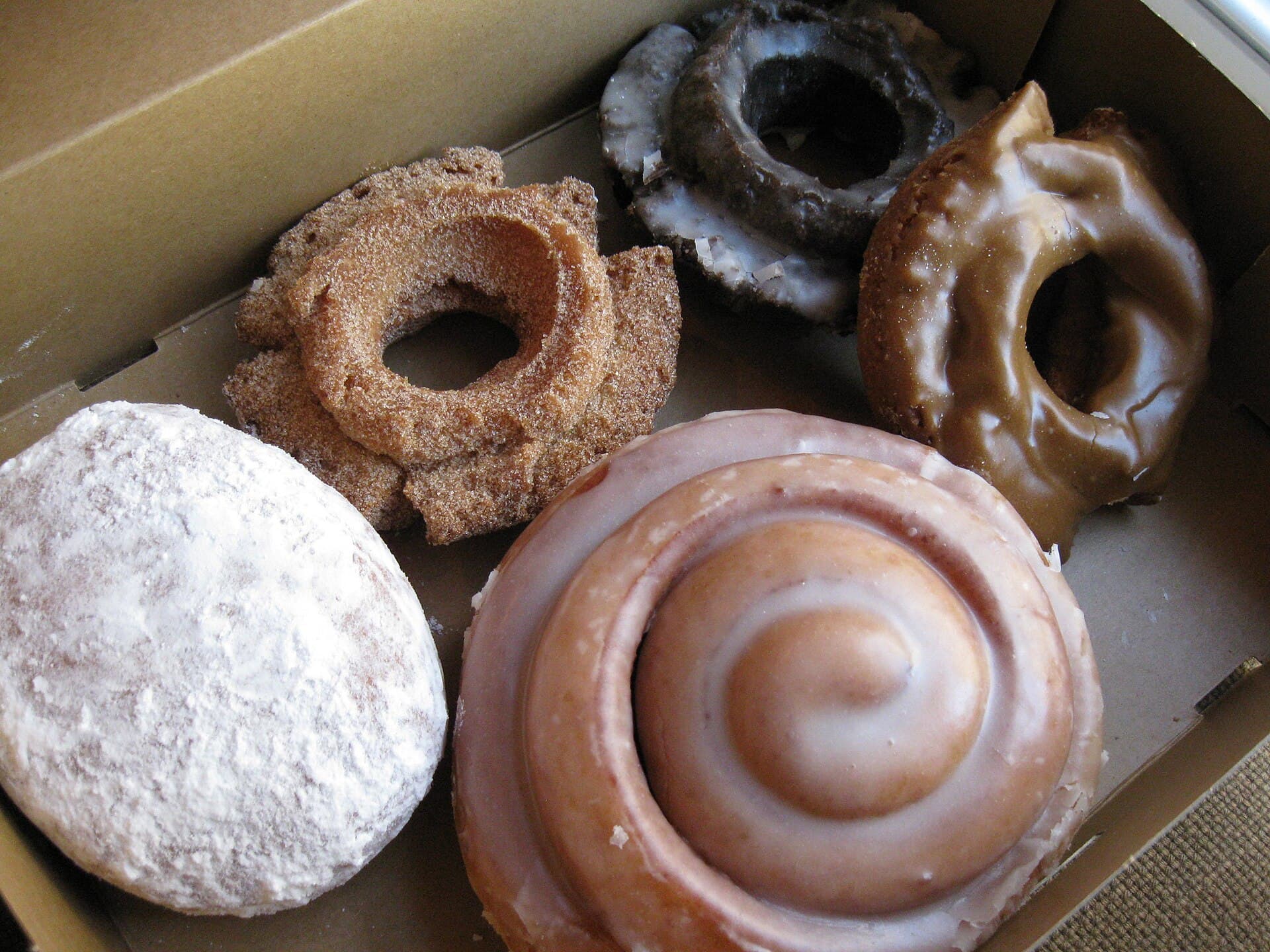
1700s-1800s
Doughnuts are a beloved American breakfast and snack originating from various immigrant influences, consisting of fried dough rings or balls coated in sugar or glaze. The recipe has evolved over centuries and become a cross-era staple with numerous regional variations.
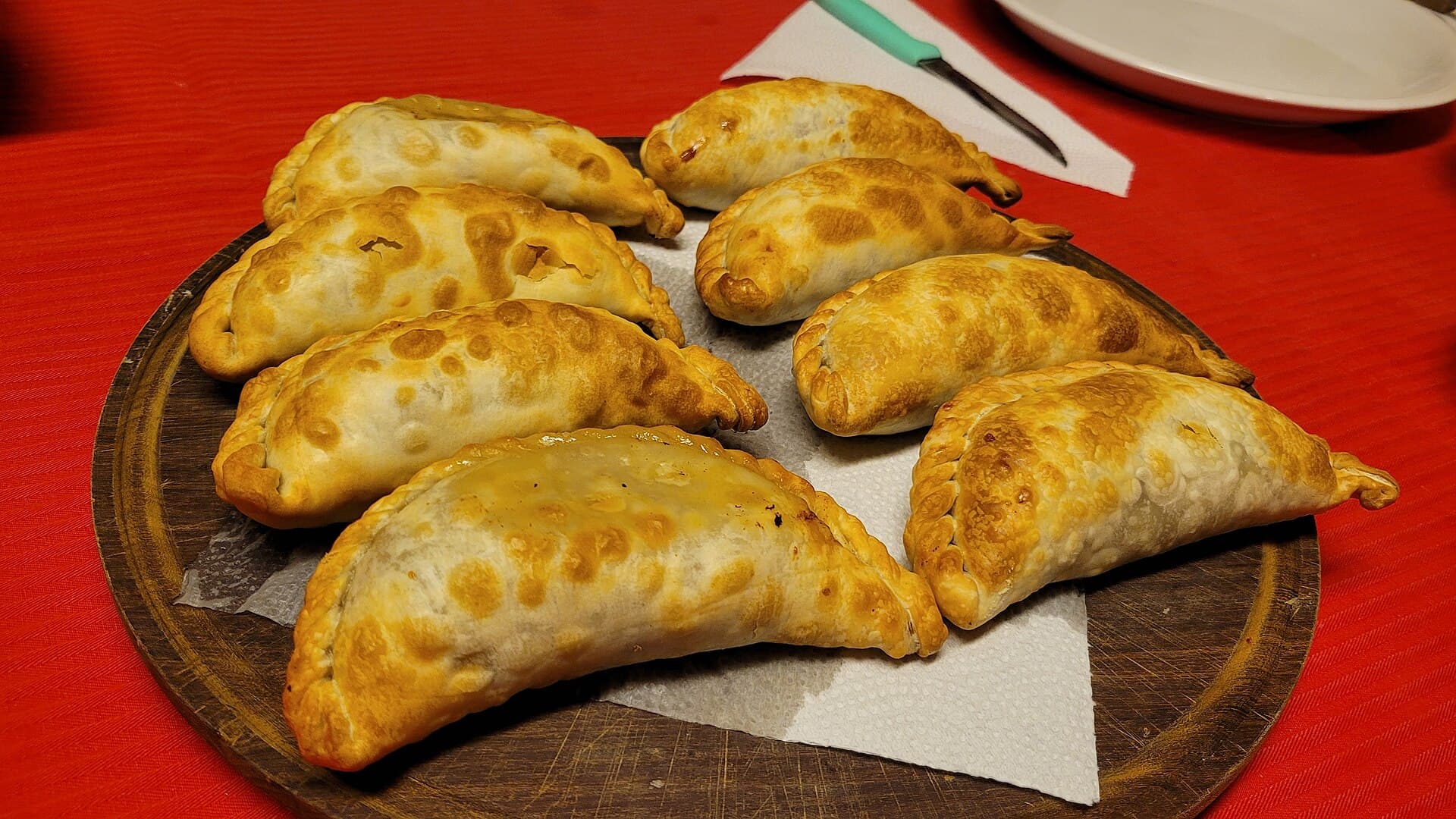
1990-2009
Empanadas are baked or fried dough pockets filled with savory or sweet mixtures, widely enjoyed in Puerto Rican, Chamorro, Filipino-American, and Virgin Islands communities across US territories and suburbs. They serve as portable meals or snacks showcasing diverse immigrant culinary heritages.