
Recipe archive
Loading
Setting the table...
Fetching the latest recipes from the archive.
Loading
Fetching the latest recipes from the archive.
Recipe archive
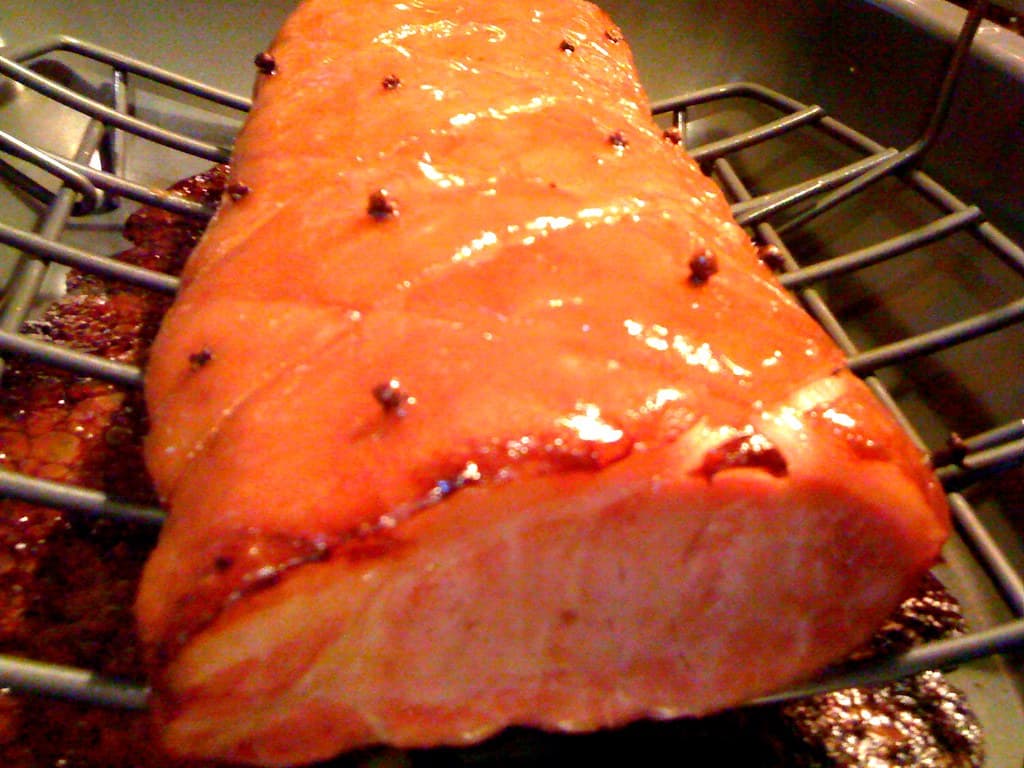
1900s-present - American meatpackers and holiday home cooks popularizing glazed ham
A Christmas and Easter baked ham glazed with brown sugar, mustard, cider vinegar, and cloves, baked until glossy and sliceable.
Community-powered photos. Reviewers can upload dish photos, and the highest-rated community image may be featured here.
Difficulty
Easy
Prep time
15 minutes
Cook time
2 hours
Total time
2 hours 15 minutes
Servings
12
Region
United States holiday tables
Era introduced
1900s-present
Introduced by
American meatpackers and holiday home cooks popularizing glazed ham
Recipe tools
Log in to save this recipe to a collection.
Baked ham has older roots in cured pork and holiday hospitality, but the modern American glazed holiday ham grew with 20th-century meatpacking, supermarket hams, and home recipes for sugar-and-mustard glaze. It became a reliable Christmas and Easter centerpiece because it could feed a crowd, slice neatly, and make leftovers. This version uses a fully cooked ham and focuses on warming it gently while building a glossy glaze.
Share family changes, regional twists, or pantry-friendly adaptations as full community recipes.
Log in to submit a community recipe.
No community recipes yet. Submitted recipes are published right away.
Rate this recipe and share how it worked at your table.
Log in to review this recipe.
No reviews yet. Be the first to rate this recipe.
Recipes matched by era, region, occasion, ingredients, and cultural roots from the archive.
Same era
America's Melting Pot
Almond Chicken photo coming soon
1900s-present
Crisp boneless chicken served over lettuce with brown gravy, scallions, and toasted almonds.
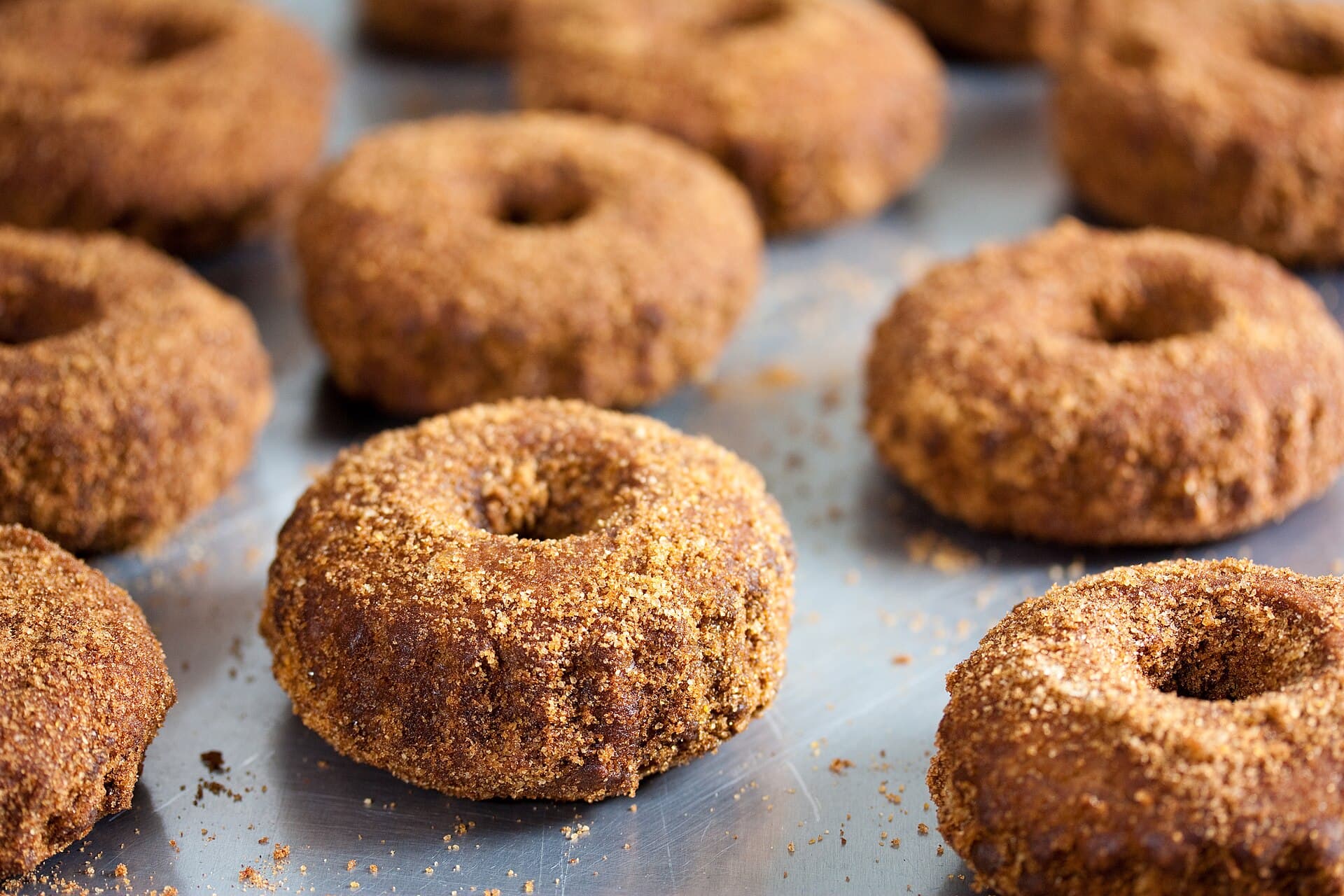
1900s-present
Cake doughnuts flavored with reduced apple cider and rolled in cinnamon sugar.
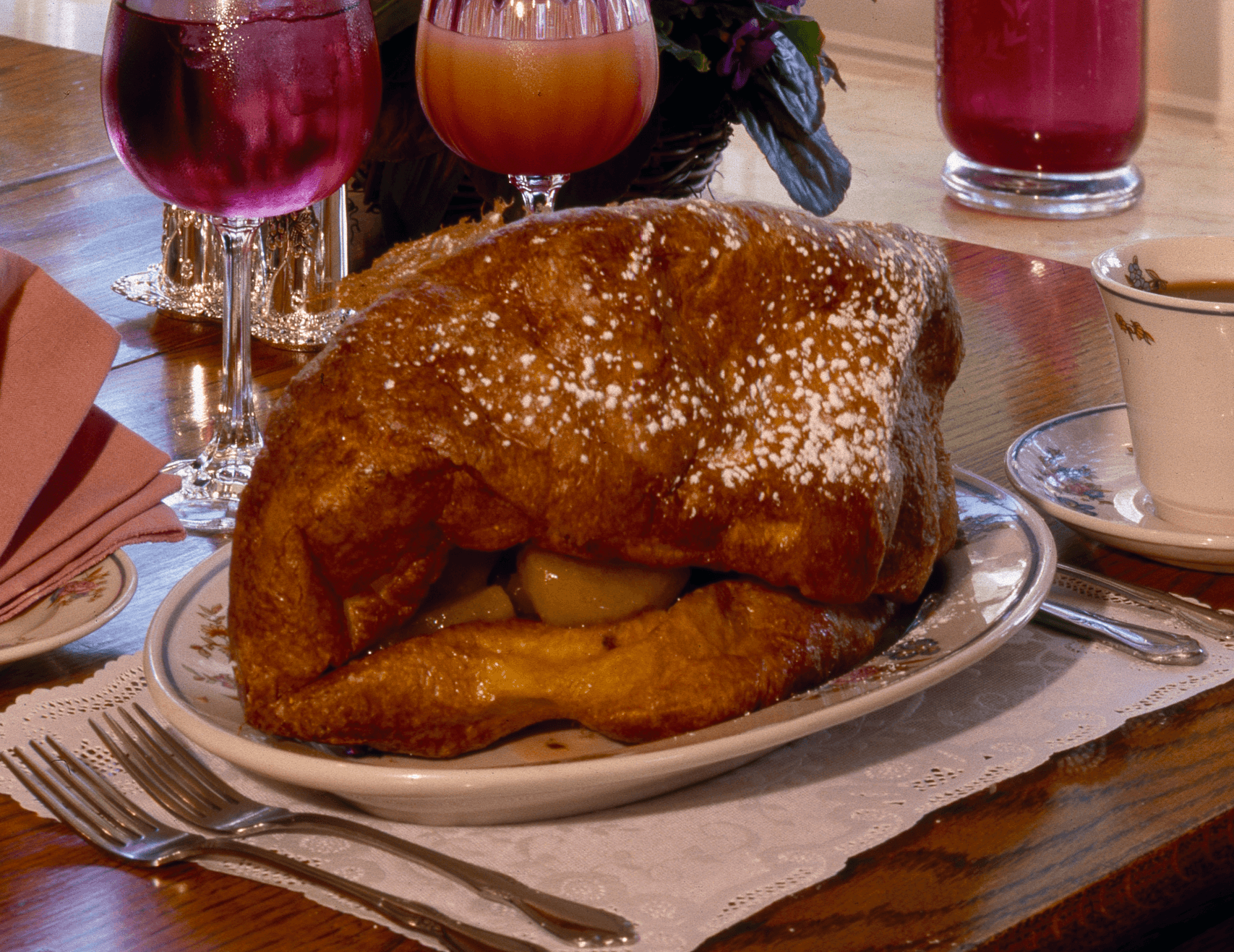
1900s-present
A German-American Dutch baby-style pancake baked over cinnamon apples in a hot skillet.
Same region
America's Melting Pot
Sally Lunn Bread photo coming soon
1800s-present
Sally Lunn bread is a large, rich, slightly sweet yeast bread similar to brioche, originally from England and adopted in early America. This bread was common in late 18th-century American kitchens as a breakfast or tea-time bread owing to its tender crumb and buttery flavor.
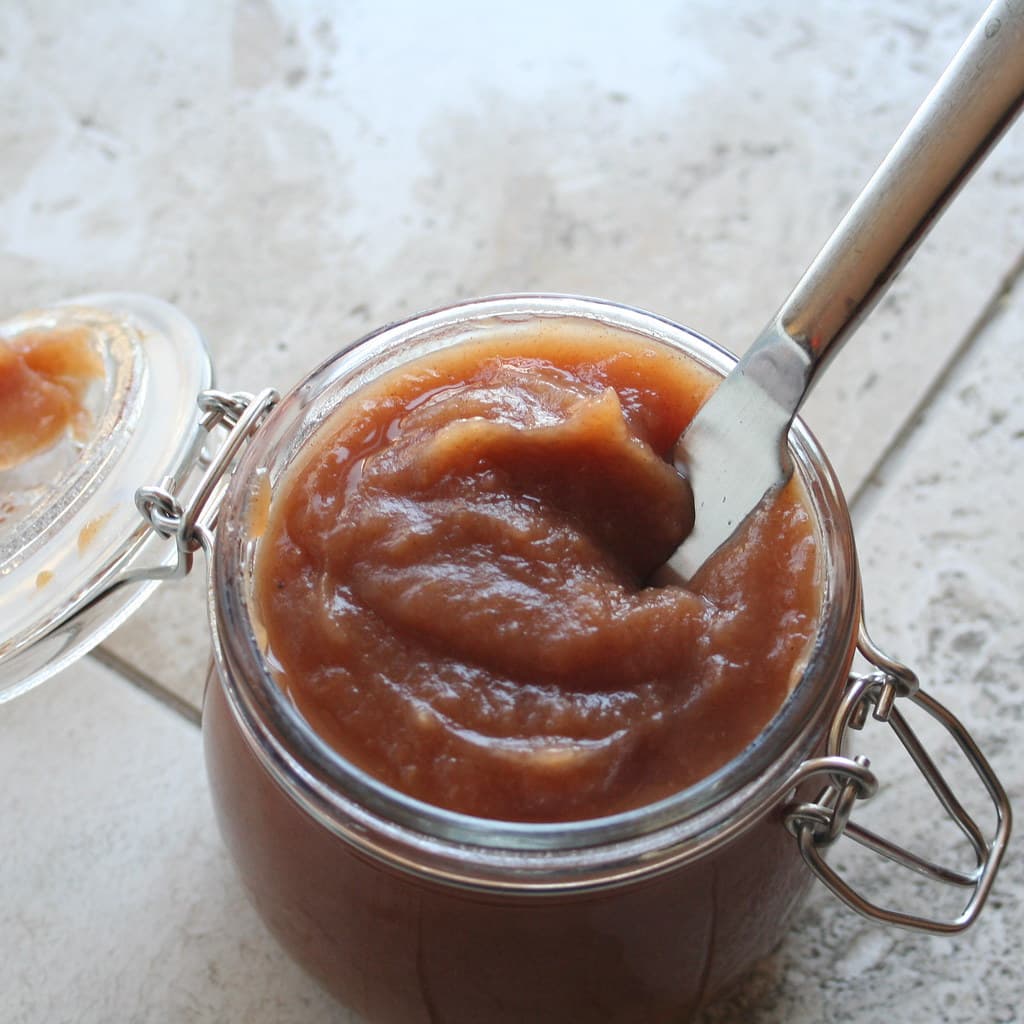
1700s-present
Apples cooked down with cider, sugar, and warm spices into a dark, spreadable fruit butter.
America's Melting Pot
Apple Butter on Biscuits photo coming soon
1700s-present
Warm buttermilk biscuits split and served with butter and spiced apple butter.
Same table
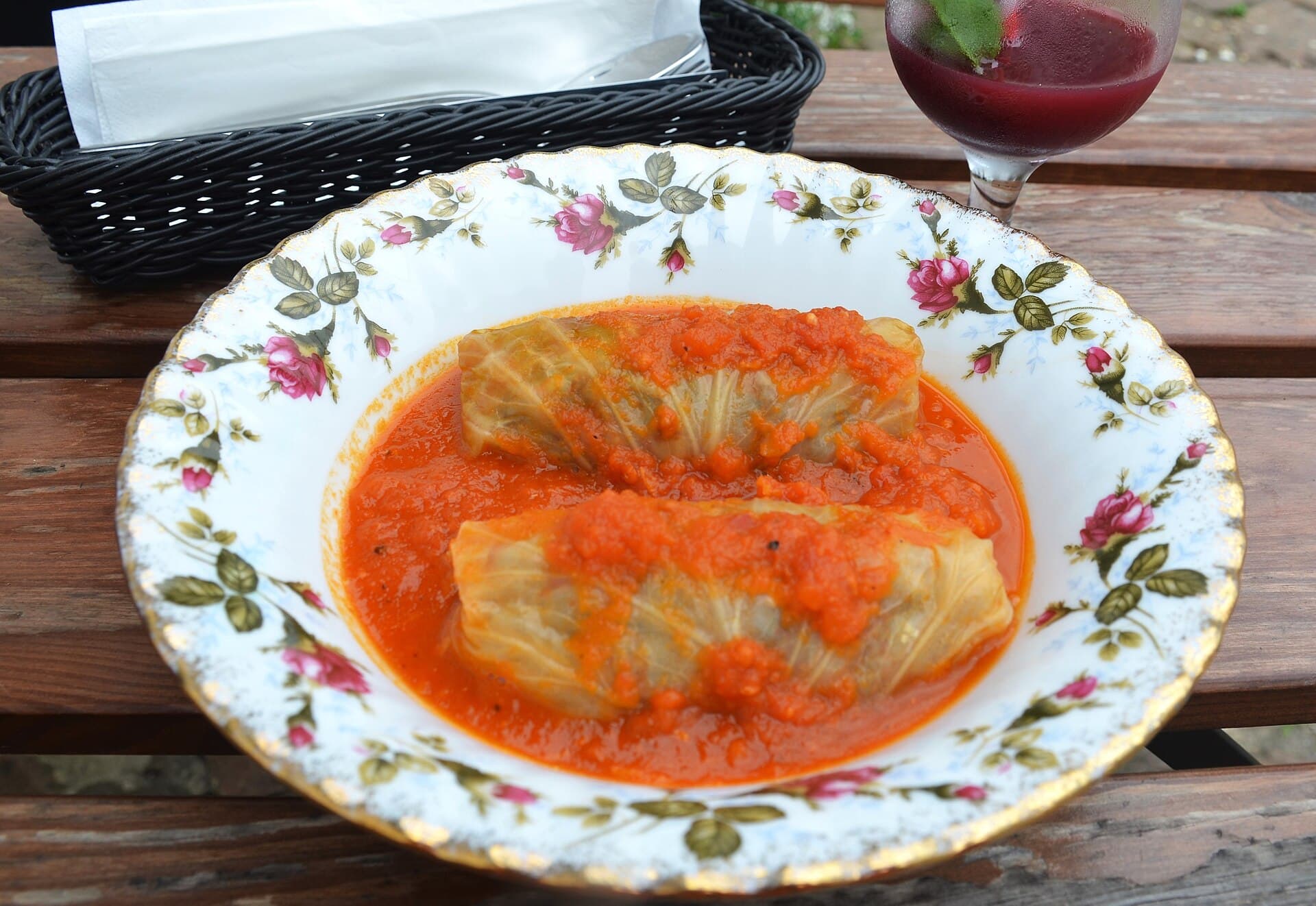
1900-2026
Cabbage rolls came to American tables through many Eastern European and Jewish immigrant communities. Polish golabki, Ukrainian holubtsi, Slovak holubky, Jewish holishkes, and related dishes all wrap humble cabbage around a filling that stretches meat with rice or grain.
America's Melting Pot
Breakfast Casserole photo coming soon
1950-2026
Breakfast casserole is built for mornings when the cook wants the work done early. Midcentury casserole culture, church cookbooks, and holiday hosting made the overnight egg, bread, sausage, and cheese bake a reliable American brunch dish.
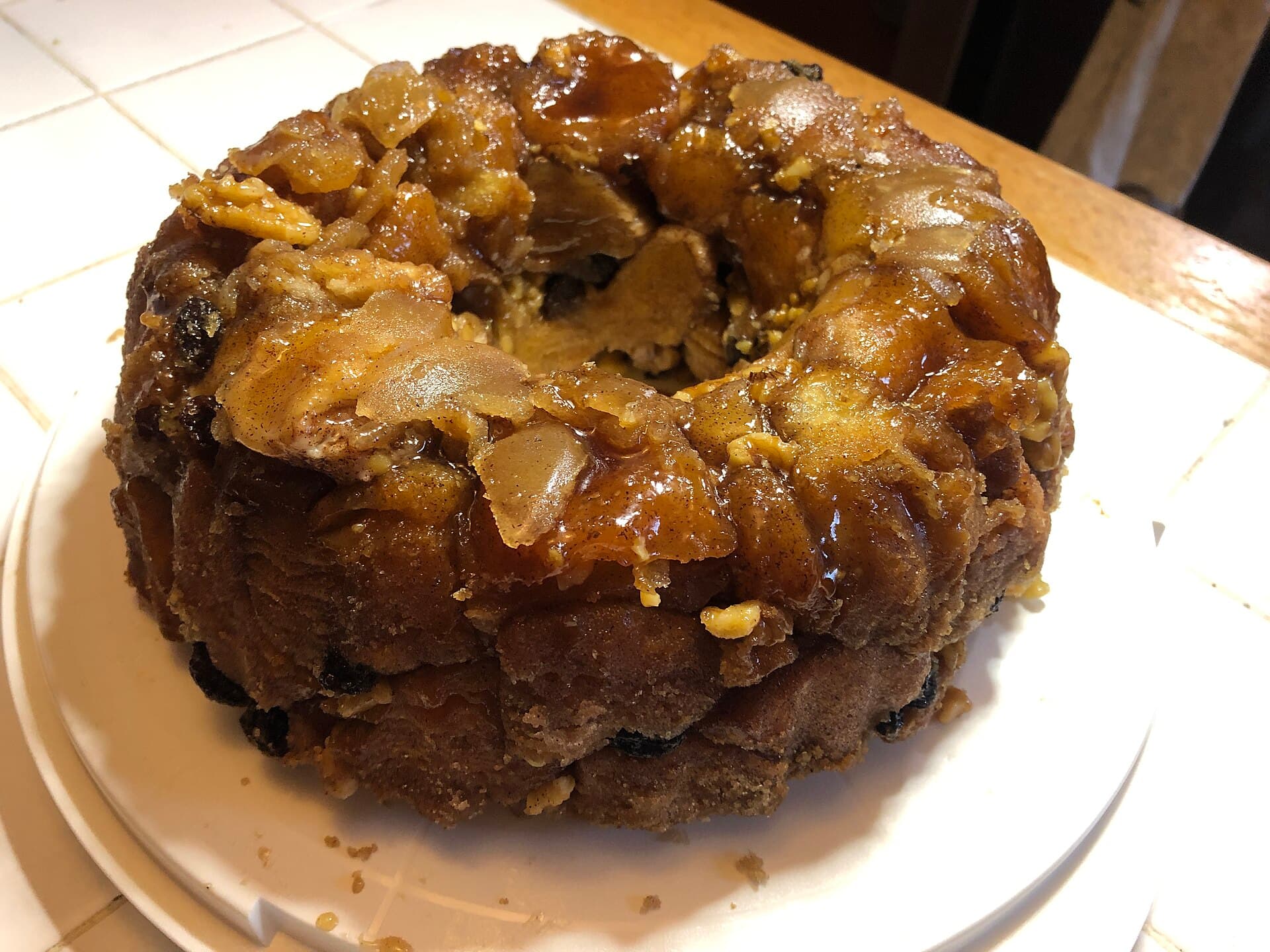
1940s-present
Monkey Bread is a sweet, sticky pull-apart bread made from individual dough pieces coated in cinnamon sugar and baked together. Though its precise origins are unclear, Monkey Bread became popular as a Christmas treat across the United States, embodying festive conviviality. Its interactive eating style and sweet, rich flavor capture the spirit of American holiday baking traditions.