
Recipe archive
Loading
Setting the table...
Fetching the latest recipes from the archive.
Loading
Fetching the latest recipes from the archive.
Recipe archive
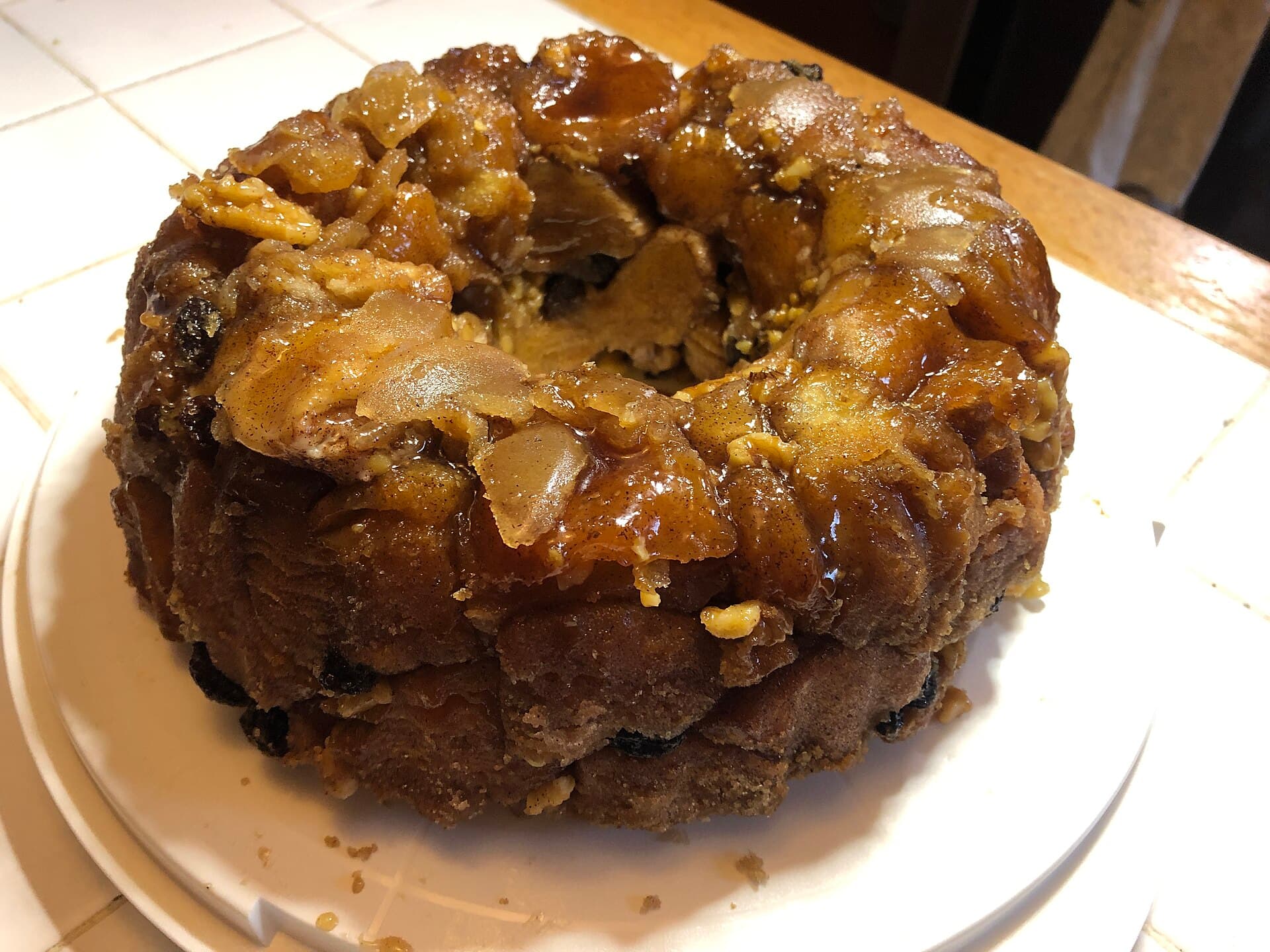
1946-1969 - American home bakers and holiday baking enthusiasts
Monkey Bread is a sweet, sticky pull-apart bread made from individual dough pieces coated in cinnamon sugar and baked together. Though its precise origins are unclear, Monkey Bread became popular as a Christmas treat across the United States, embodying festive conviviality. Its interactive eating style and sweet, rich flavor capture the spirit of American holiday baking traditions.
Community-powered photos. Reviewers can upload dish photos, and the highest-rated community image may be featured here.
Difficulty
Medium
Prep time
20 minutes plus dough rising
Cook time
35 minutes
Total time
1 hour 20 minutes
Servings
8 servings
Region
Hungarian Jewish American bakery, Hollywood, and White House entertaining kitchens
Era introduced
1946-1969
Introduced by
American home bakers and holiday baking enthusiasts
Recipe tools
Log in to save this recipe to a collection.
While the exact origins of Monkey Bread are debated, this sweet pull-apart bread rose to American holiday popularity during the 20th century, especially at Christmas. The sticky, cinnamon-sugar coated dough balls baked together provide a visually appealing and communal eating experience. Monkey Bread reflects the American penchant for novelty breads and festive treats during holiday celebrations, enjoyed in homes and community gatherings across the country.
Share family changes, regional twists, or pantry-friendly adaptations as full community recipes.
Log in to submit a community recipe.
No community recipes yet. Submitted recipes are published right away.
Rate this recipe and share how it worked at your table.
Log in to review this recipe.
No reviews yet. Be the first to rate this recipe.
Recipes matched by era, region, occasion, ingredients, and cultural roots from the archive.
Same era
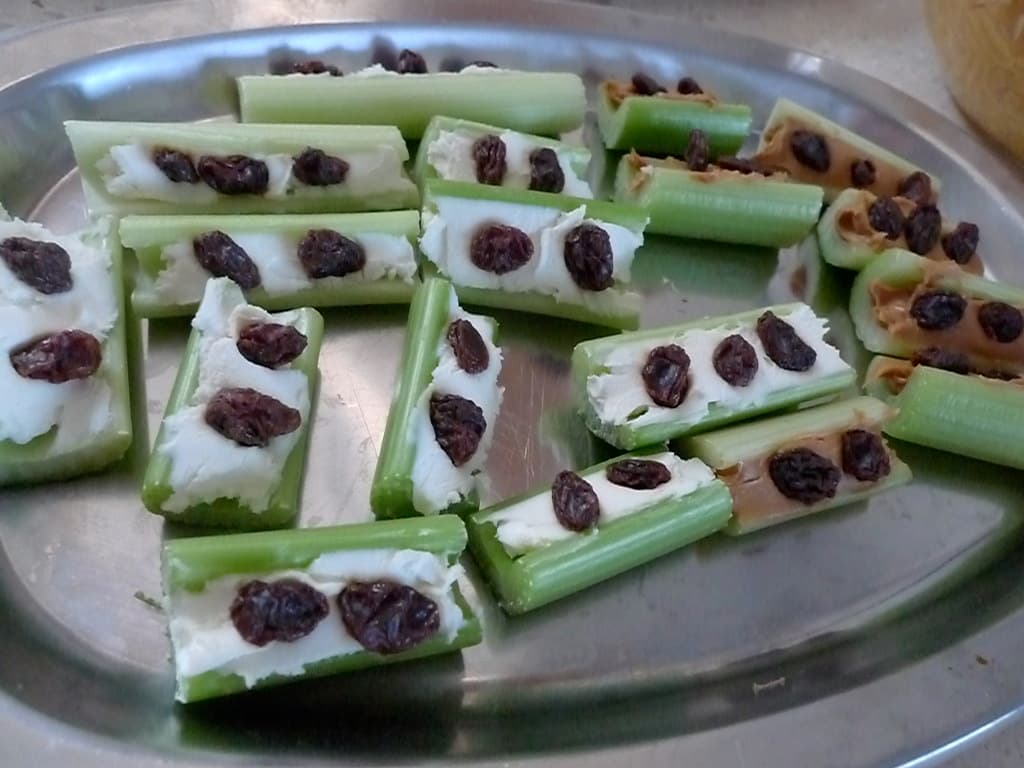
1950s-present
Celery sticks filled with peanut butter and topped with raisins, the classic American kid snack.
America's Melting Pot
Arby's-Style Horsey Sauce photo coming soon
1964-1970s
Arby's-Style Horsey Sauce is a sandwich sauce with real American table personality: Fast-food horseradish mayo tradition. It brings flavor from coast-to-coast American tables to cookouts, counters, lunch plates, potlucks, and weeknight suppers.
America's Melting Pot
Bacon-Wrapped Water Chestnuts photo coming soon
1946-1969
Crunchy water chestnuts wrapped in bacon, baked until crisp, and glazed with a brown sugar, soy, ketchup, and Worcestershire sauce.
Same region
America's Melting Pot
Acorn Bread photo coming soon
1800-1860
A nutty, lightly sweet quick bread made with properly leached acorn flour, cornmeal, and wheat flour.
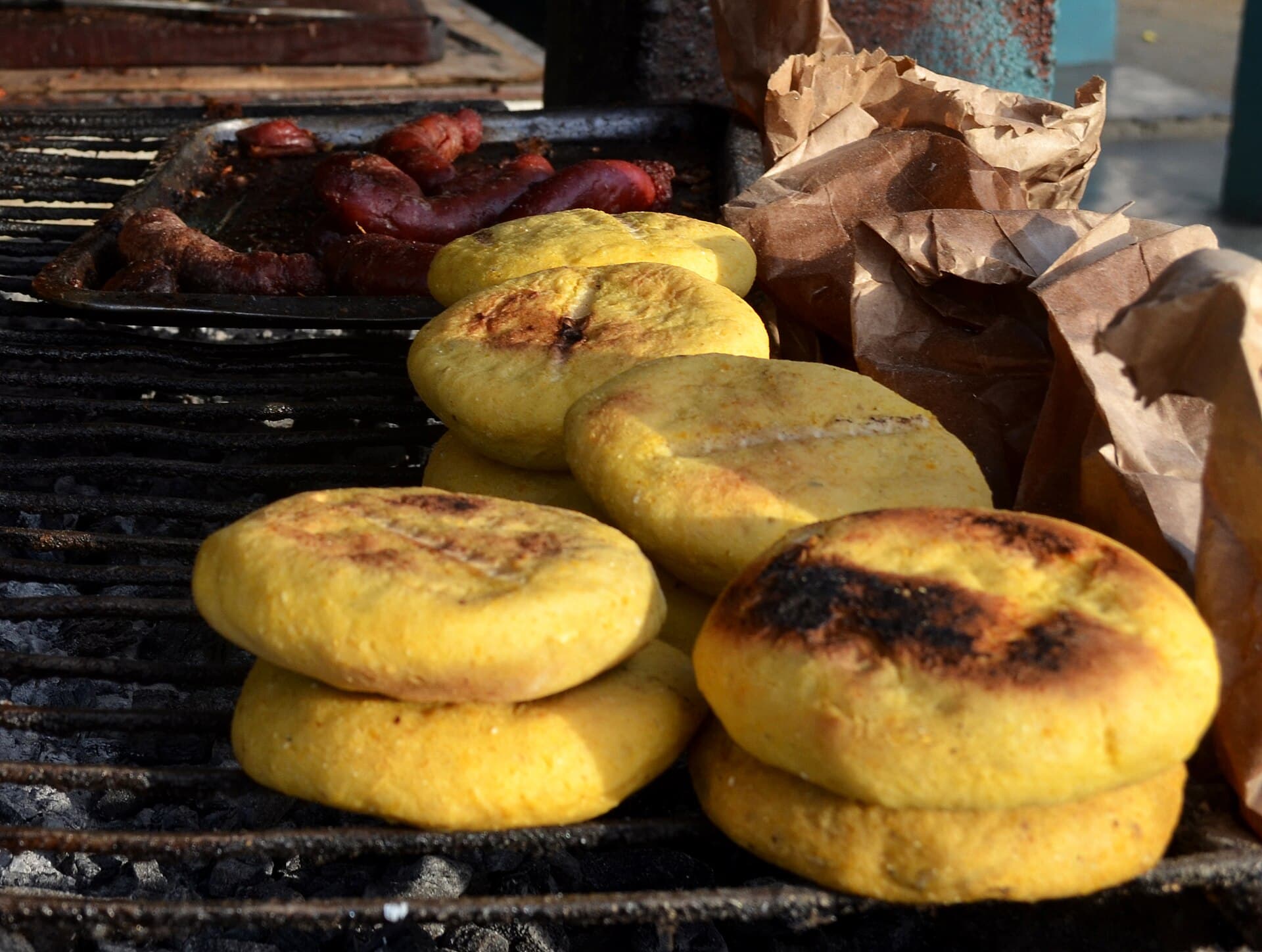
1990-2009
A basic arepa recipe made with masarepa, water, salt, and a hot skillet, ready to eat plain, buttered, cheesed, or split for fillings.
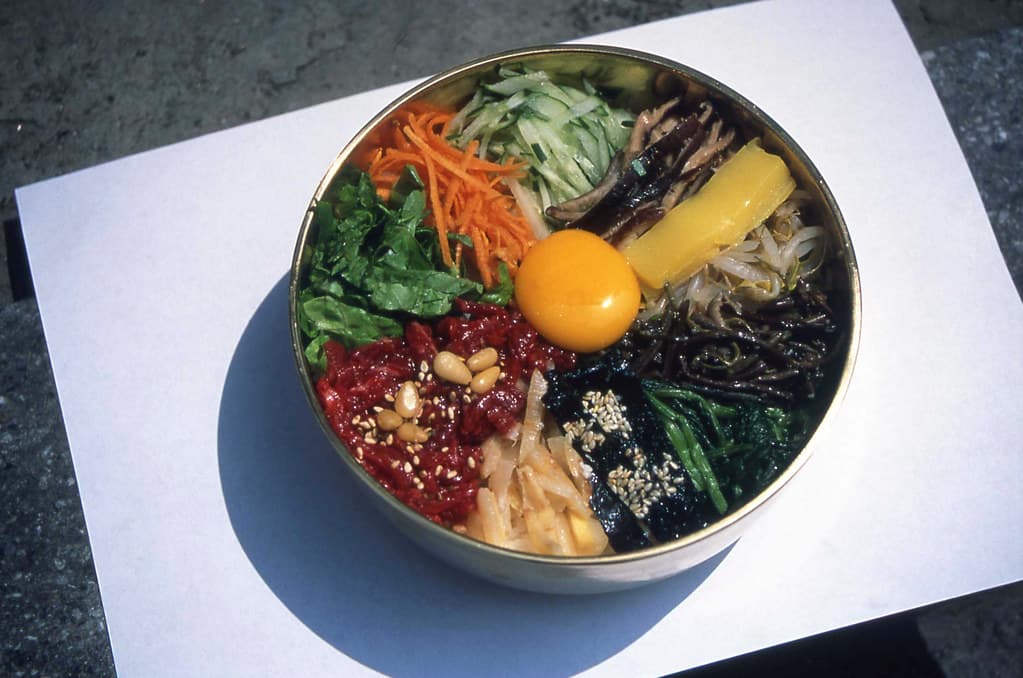
1960-2026
Bibimbap is a Korean classic with several origin stories, from palace meals to farmers mixing available vegetables. In the United States it became a Korean American restaurant and home-cooking staple because the format is flexible, colorful, and practical.
Same table
1900s-present
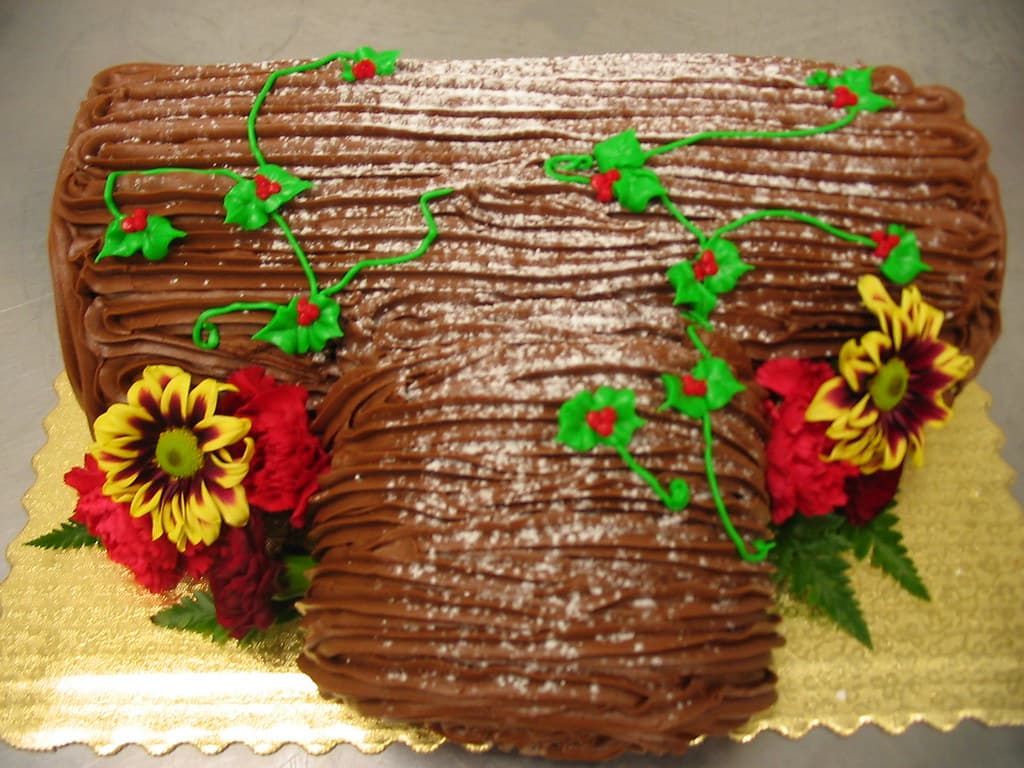
The Yule Log, or Buche de Noel, is a rolled sponge cake decorated to resemble a tree log, traditionally served at Christmas. This dessert's American adoption reflects European holiday customs, featuring chocolate sponge with cream filling and decorative frosting representing the winter season.
America's Melting Pot
Breakfast Casserole photo coming soon
1950-2026
Breakfast casserole is built for mornings when the cook wants the work done early. Midcentury casserole culture, church cookbooks, and holiday hosting made the overnight egg, bread, sausage, and cheese bake a reliable American brunch dish.
1700s-present
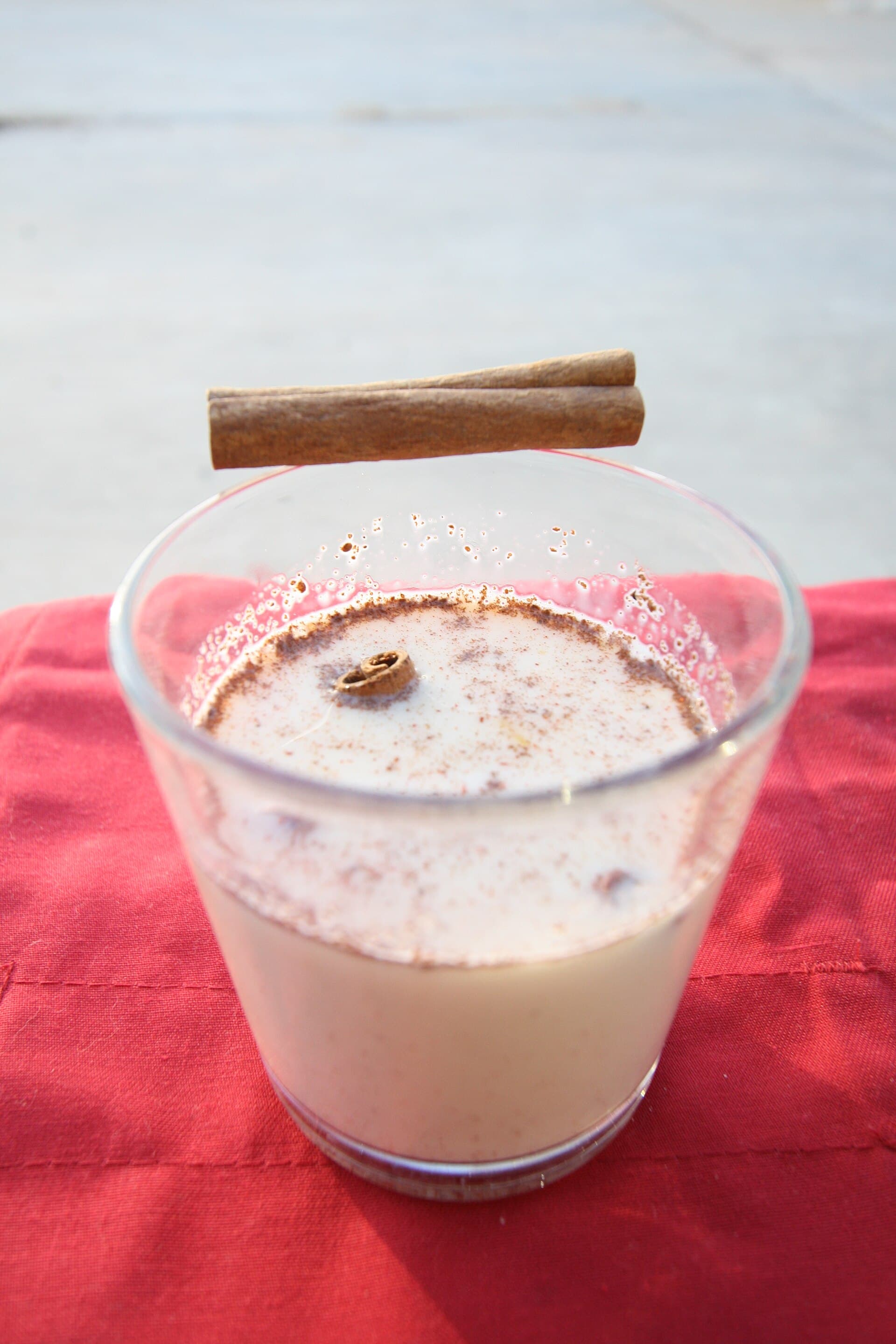
Eggnog is a rich, creamy holiday beverage made from milk or cream, beaten eggs, sugar, and often spiked with spirits such as brandy or rum. Served chilled, it is a festive treat deeply associated with Christmas celebrations across the United States, with colonial roots.