
Recipe archive
Loading
Setting the table...
Fetching the latest recipes from the archive.
Loading
Fetching the latest recipes from the archive.
Recipe archive
America's Melting Pot
Boston Brown Bread hero image coming soon
1700s-present - New England colonists adapting cornmeal, mixed grains, molasses, and steaming methods
Boston brown bread is the dark, tender partner to baked beans. Colonial New England cooks used mixed grains, cornmeal, and molasses, then steamed the batter because the bread had little gluten and home ovens were not always reliable.
No featured photo yet. Upload a photo with your review. The highest-rated community photo may become this recipe's hero image.
Difficulty
Moderate
Prep time
15 minutes
Cook time
2 hours
Total time
2 hours 15 minutes
Servings
1 loaf
Region
Boston and New England
Era introduced
1700s-present
Introduced by
New England colonists adapting cornmeal, mixed grains, molasses, and steaming methods
Recipe tools
Log in to save this recipe to a collection.
Boston brown bread shows how New England cooks made something memorable from practical ingredients. Cornmeal, rye or whole wheat flour, molasses, and sour milk or buttermilk create a dense batter that steams into a moist loaf. The cylindrical canned version made the bread famous in the 20th century, but the core idea is older: mixed grains, molasses sweetness, and a long covered steam. Serve it warm with butter, cream cheese, or baked beans.
Share family changes, regional twists, or pantry-friendly adaptations as full community recipes.
Log in to submit a community recipe.
No community recipes yet. Submitted recipes are published right away.
Rate this recipe and share how it worked at your table.
Log in to review this recipe.
No reviews yet. Be the first to rate this recipe.
Recipes matched by era, region, occasion, ingredients, and cultural roots from the archive.
Same era
1700s-present
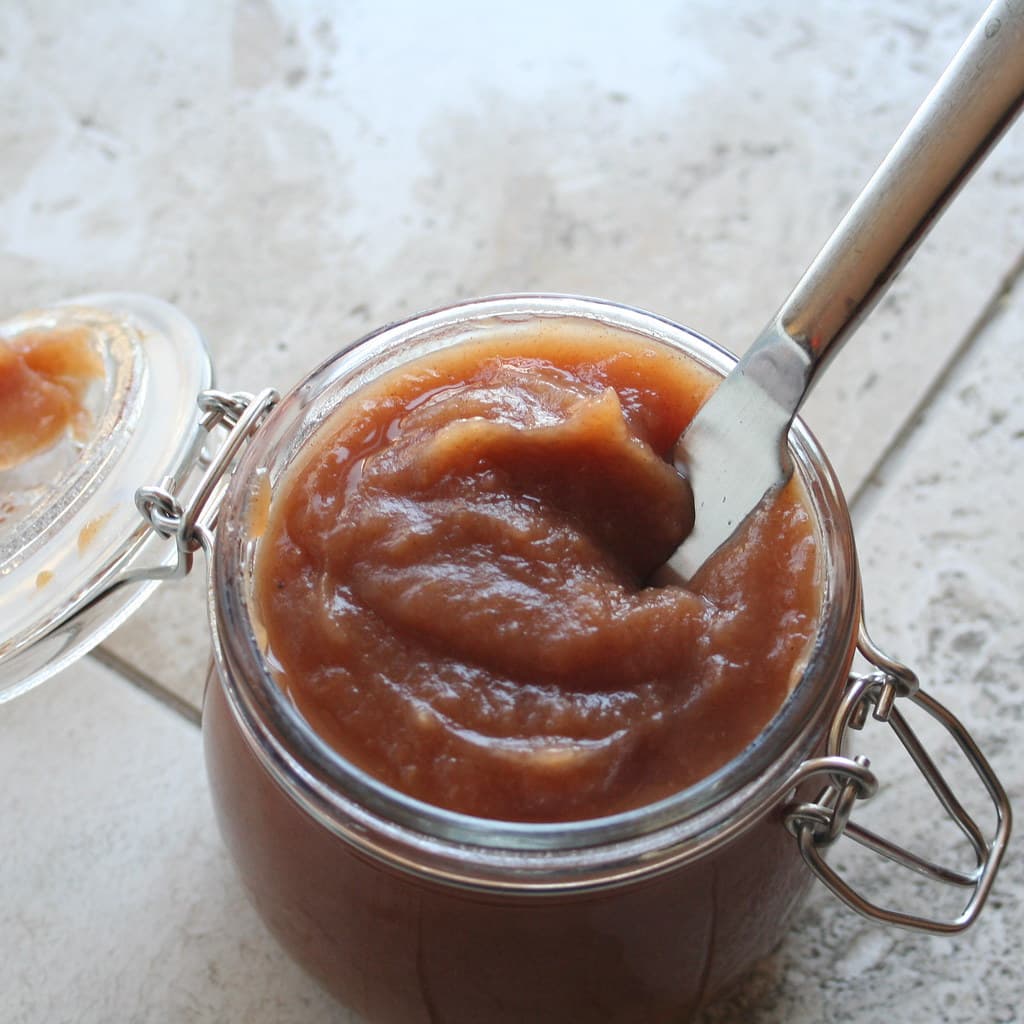
Apples cooked down with cider, sugar, and warm spices into a dark, spreadable fruit butter.
America's Melting Pot
Apple Butter on Biscuits photo coming soon
1700s-present
Warm buttermilk biscuits split and served with butter and spiced apple butter.
1700s-present
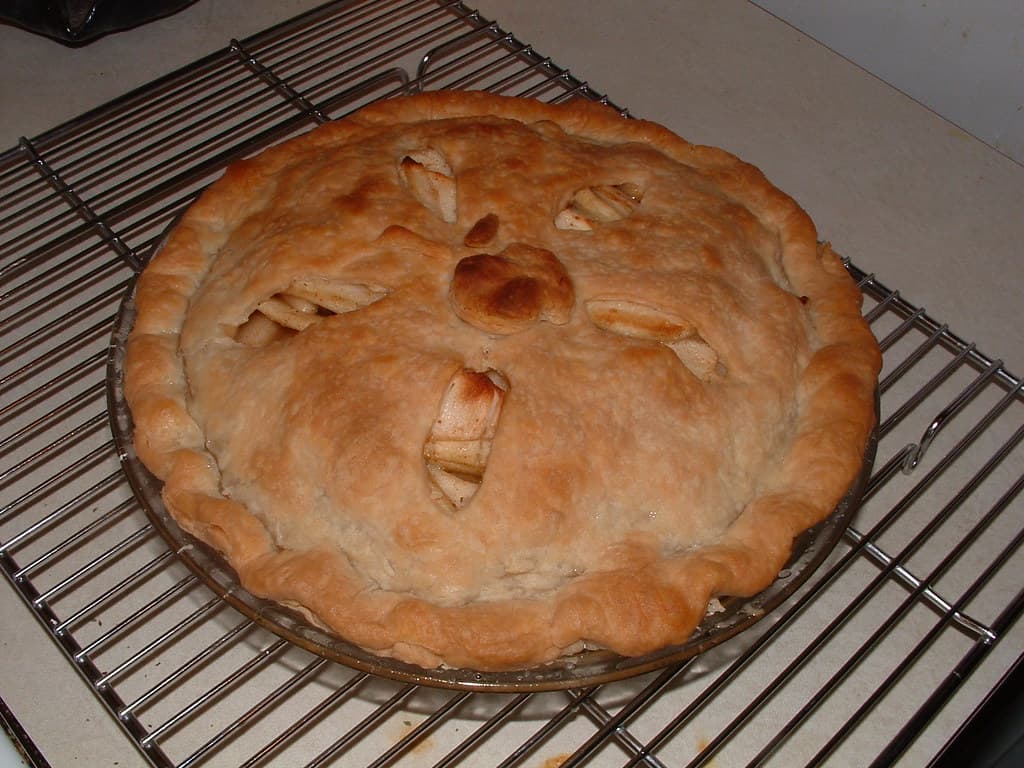
A double-crust apple pie with cinnamon-spiced apples and a flaky butter crust.
Same region
1600-2026
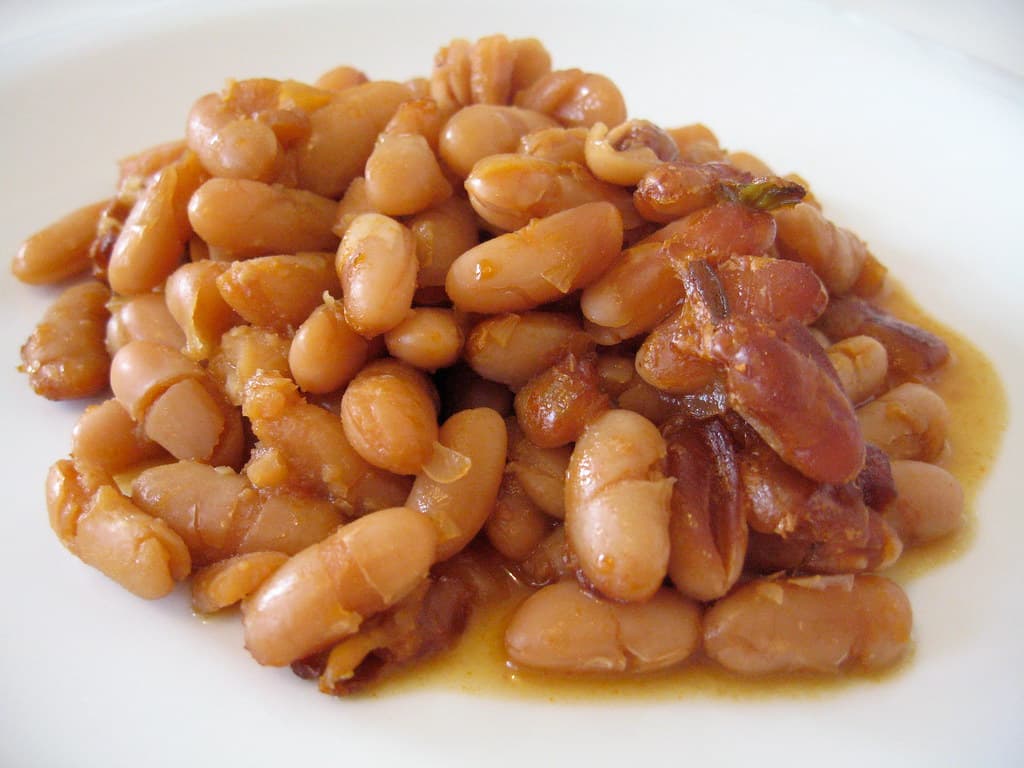
Boston baked beans grew from New England bean cookery, English pork-and-bean traditions, and the colonial availability of molasses through Atlantic trade. The long bake made practical sense for Sabbath observance and cold-weather kitchens, and the dish became one of Boston's defining foods.
America's Melting Pot
Acorn Bread photo coming soon
1800-1860
A nutty, lightly sweet quick bread made with properly leached acorn flour, cornmeal, and wheat flour.
1800s-present
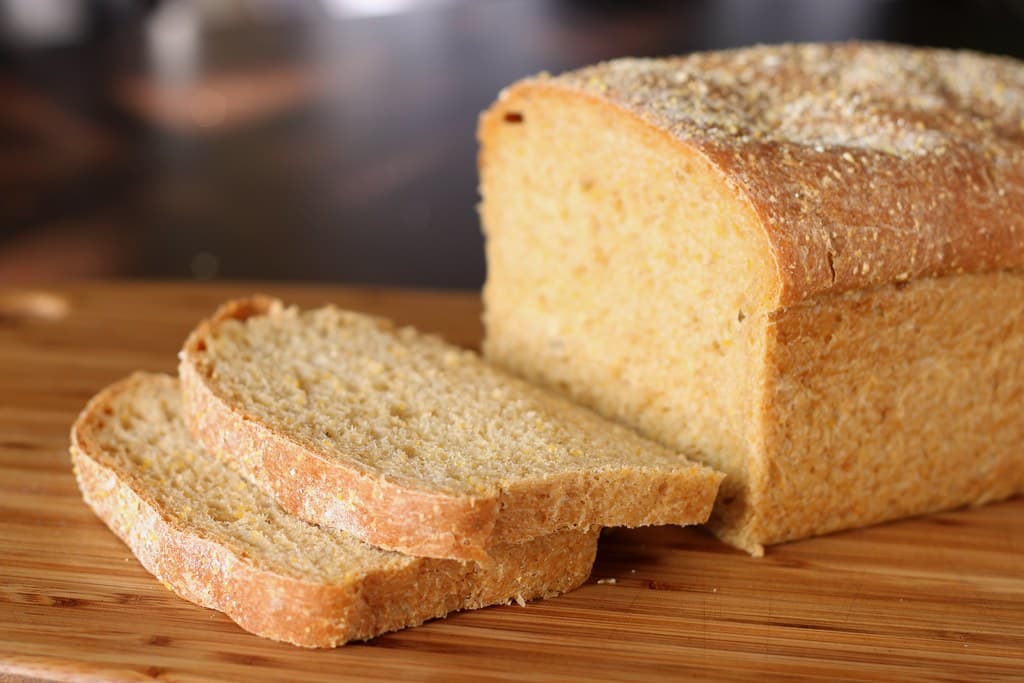
A lightly sweet New England loaf made with cornmeal, molasses, wheat flour, and yeast.
Same table
America's Melting Pot
Brown Bread photo coming soon
1800-2026
Irish brown bread is a daily table bread rather than a sweet holiday loaf. Irish immigrants and Irish American families carried versions of wholemeal soda bread into American kitchens, where buttermilk and baking soda made a quick, sturdy loaf possible without yeast.
1800s-present
A lightly sweet New England loaf made with cornmeal, molasses, wheat flour, and yeast.
America's Melting Pot
Biscuits with Molasses photo coming soon
1800-2026
Biscuits with molasses are less a formal recipe than a habit of American farm and Southern tables: make simple biscuits, split them hot, and drizzle on a dark sweetener that was cheaper and more available than refined treats.