
Recipe archive
Loading
Setting the table...
Fetching the latest recipes from the archive.
Loading
Fetching the latest recipes from the archive.
Recipe archive
America's Melting Pot
Brown Bread hero image coming soon
1800s-present - Irish immigrants and Irish American bakers adapting wholemeal soda bread
Irish brown bread is a daily table bread rather than a sweet holiday loaf. Irish immigrants and Irish American families carried versions of wholemeal soda bread into American kitchens, where buttermilk and baking soda made a quick, sturdy loaf possible without yeast.
No featured photo yet. Upload a photo with your review. The highest-rated community photo may become this recipe's hero image.
Difficulty
Easy
Prep time
15 minutes
Cook time
45 minutes
Total time
1 hour
Servings
1 loaf
Region
Irish American kitchens and New England
Era introduced
1800s-present
Introduced by
Irish immigrants and Irish American bakers adapting wholemeal soda bread
Recipe tools
Log in to save this recipe to a collection.
This brown bread is not Boston brown bread, which is steamed and molasses-rich. Irish brown bread is a wholemeal soda bread: quick, rough, wholesome, and best eaten fresh with butter. Irish flour differs from many American whole wheat flours, so an American kitchen often blends whole wheat and all-purpose flour for a loaf that is hearty but not heavy.
Share family changes, regional twists, or pantry-friendly adaptations as full community recipes.
Log in to submit a community recipe.
No community recipes yet. Submitted recipes are published right away.
Rate this recipe and share how it worked at your table.
Log in to review this recipe.
No reviews yet. Be the first to rate this recipe.
Recipes matched by era, region, occasion, ingredients, and cultural roots from the archive.
Same era
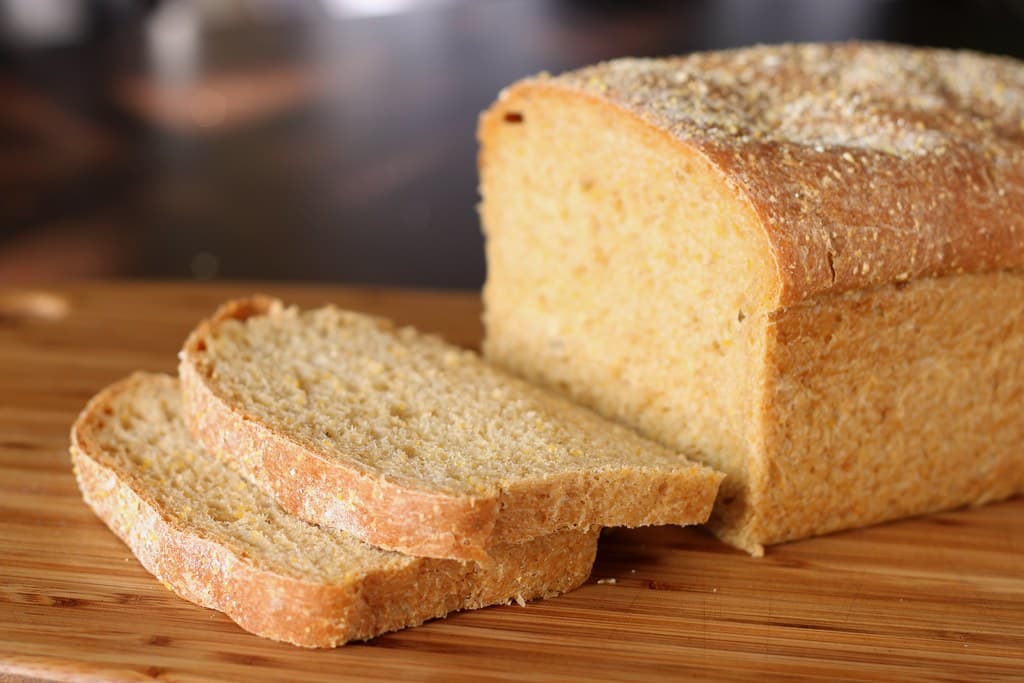
1800s-present
A lightly sweet New England loaf made with cornmeal, molasses, wheat flour, and yeast.
America's Melting Pot
Apple Cake photo coming soon
1800s-present
A tender apple-studded cake with cinnamon, butter, and a simple crumb topping.
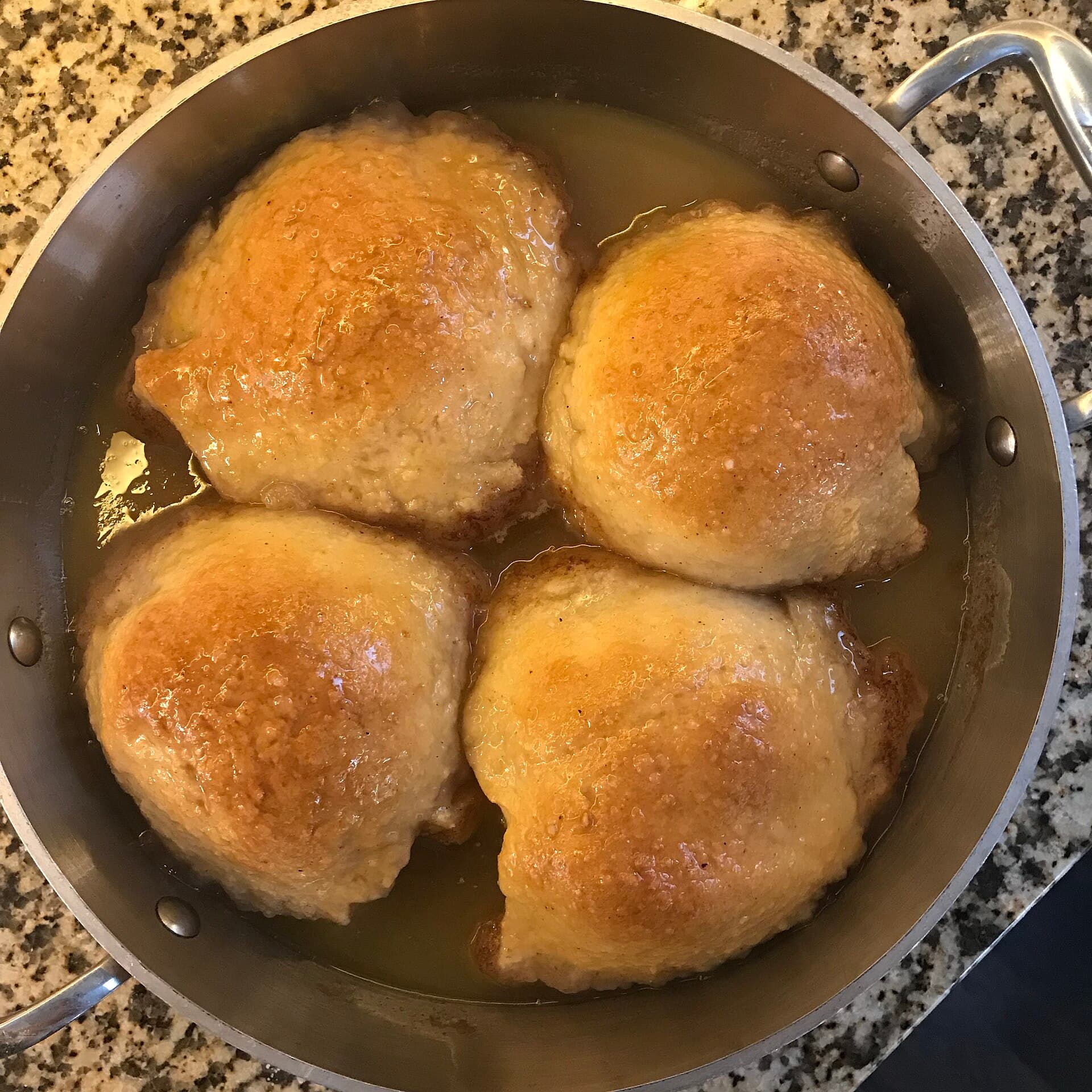
1800s-present
A Pennsylvania Dutch-style dessert of cored apples wrapped in dough and baked with brown sugar syrup.
Same region
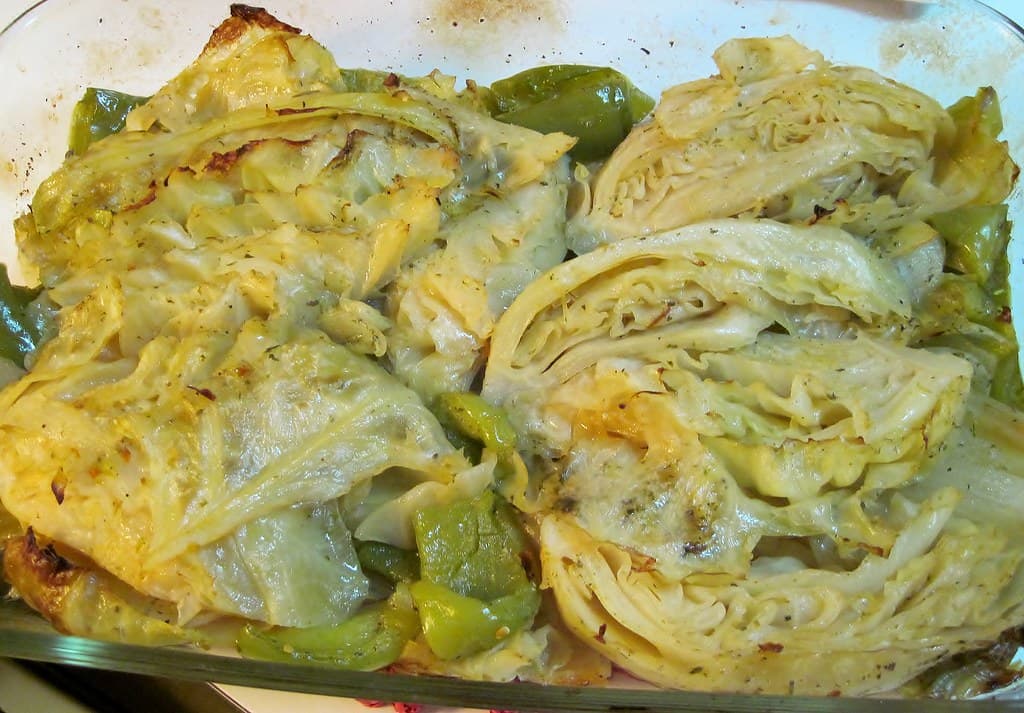
1700-2026
Braised cabbage is an old, practical side dish because cabbage stores well, feeds many, and softens beautifully with slow moist heat. American versions draw from British, German, Irish, and Eastern European cabbage cookery as well as plain farm-table thrift.
America's Melting Pot
Cabbage and Bacon photo coming soon
1800-2026
Cabbage and bacon points back to Irish bacon-and-cabbage traditions more directly than corned beef and cabbage does. Irish American cooks adapted the pairing with the bacon available in American markets, turning it into a quick skillet or boiled side.
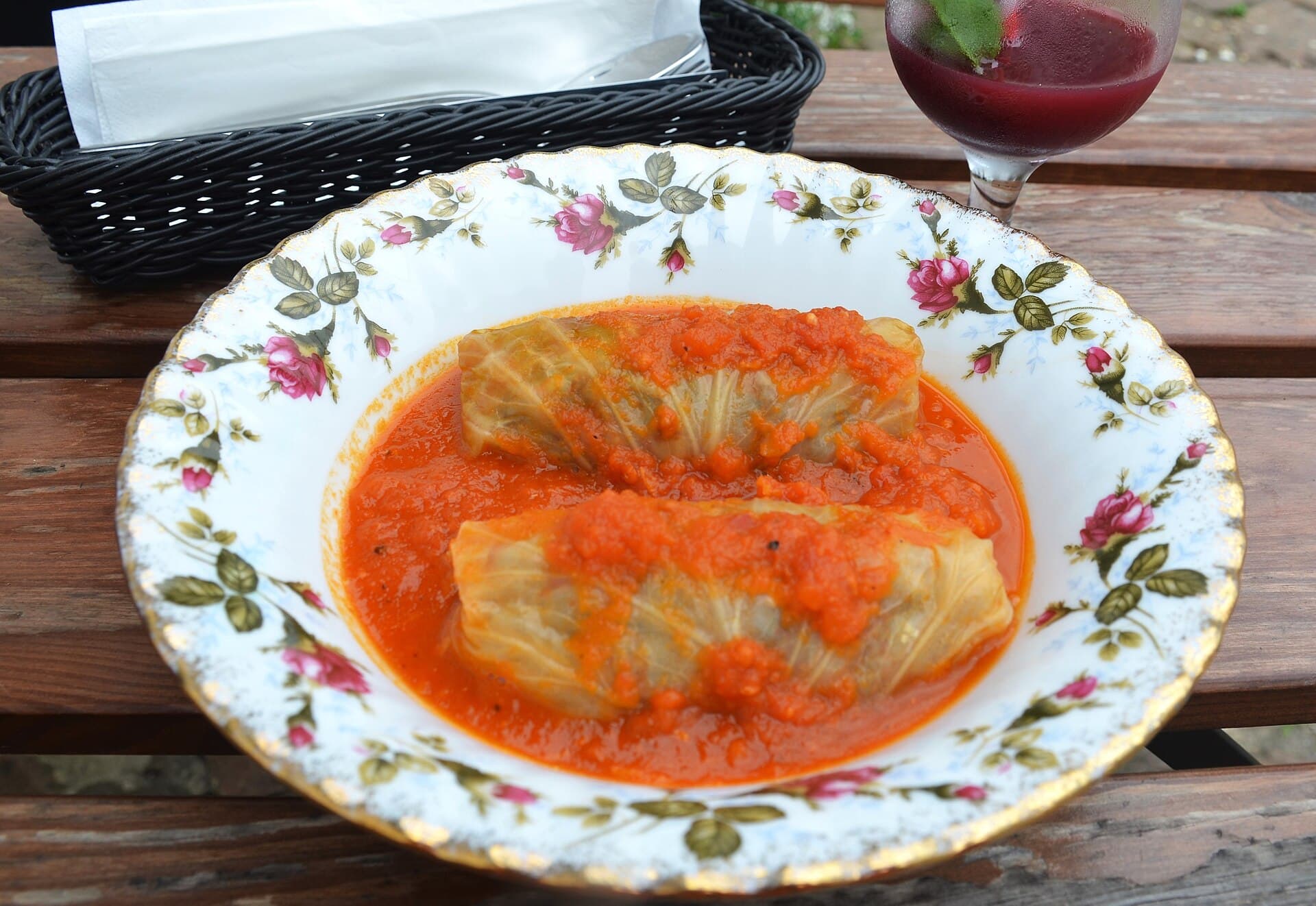
1900-2026
Cabbage rolls came to American tables through many Eastern European and Jewish immigrant communities. Polish golabki, Ukrainian holubtsi, Slovak holubky, Jewish holishkes, and related dishes all wrap humble cabbage around a filling that stretches meat with rice or grain.
Same table
America's Melting Pot
Boxty photo coming soon
1800-2026
Boxty is a traditional Irish potato pancake especially associated with north Connacht, the north Midlands, and Ulster. Irish immigrants brought potato cookery with them to America, where boxty fits naturally beside other Irish American breakfast and supper dishes.
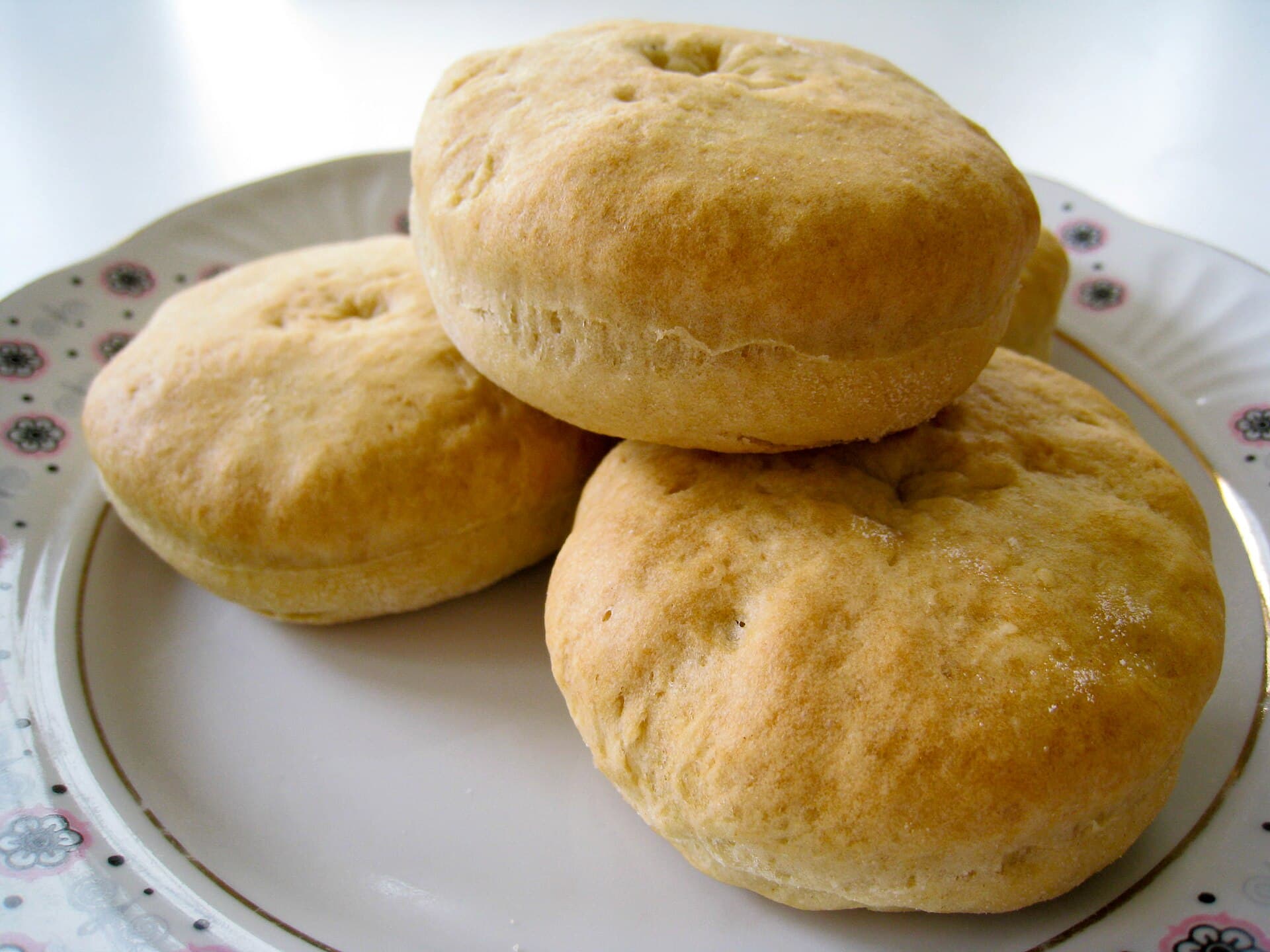
1800-2026
Buttermilk biscuits are a cornerstone of Southern breakfast and supper tables. Their tenderness depends on soft wheat flour, cold butter or shortening, and a light hand, and they became especially identified with Southern brands such as White Lily.
America's Melting Pot
Boston Brown Bread photo coming soon
1700-2026
Boston brown bread is the dark, tender partner to baked beans. Colonial New England cooks used mixed grains, cornmeal, and molasses, then steamed the batter because the bread had little gluten and home ovens were not always reliable.