
Recipe archive
Loading
Setting the table...
Fetching the latest recipes from the archive.
Loading
Fetching the latest recipes from the archive.
Recipe archive
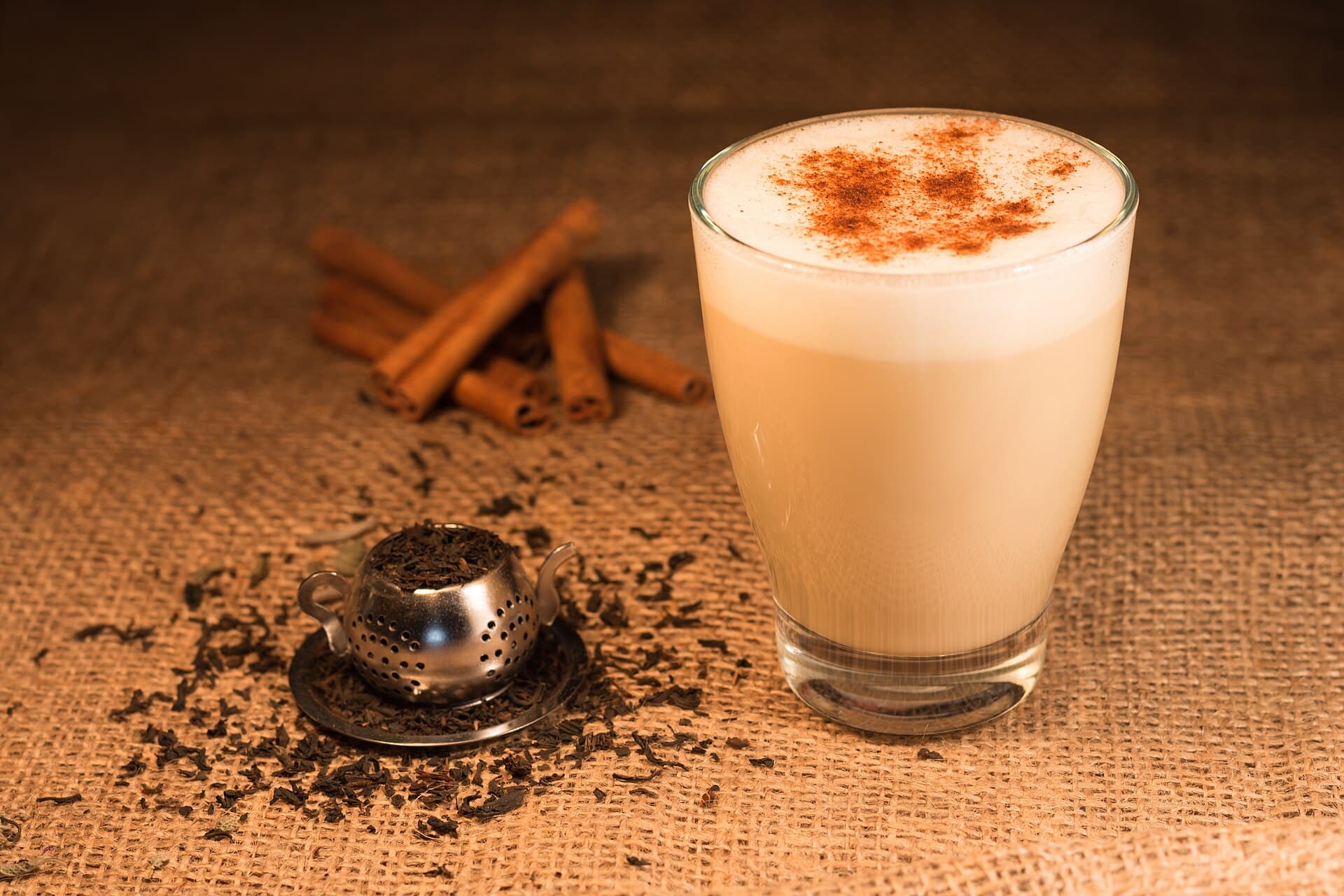
1990s-present - South Asian tea traditions and American coffee-shop chains adapting masala chai for cafe menus
Chai latte is an American coffee-shop adaptation of South Asian masala chai. Starbucks introduced a chai tea latte in 1999, and the sweet, milky, cinnamon-cardamom drink became a standard cafe order even as it differed from everyday chai made in South Asian homes and stalls.
Community-powered photos. Reviewers can upload dish photos, and the highest-rated community image may be featured here.
Difficulty
Easy
Prep time
10 minutes
Cook time
10 minutes
Total time
20 minutes
Servings
2 drinks
Region
United States coffee shops and Indian American kitchens
Era introduced
1990s-present
Introduced by
South Asian tea traditions and American coffee-shop chains adapting masala chai for cafe menus
Recipe tools
Log in to save this recipe to a collection.
The phrase chai tea is redundant because chai means tea in several languages, but the American menu term chai latte has stuck. The cafe version often uses a sweet concentrate and steamed milk; a more direct home version simmers black tea with ginger, cardamom, cinnamon, cloves, pepper, milk, and sugar. This entry treats the drink as an American cafe adaptation while clearly naming its South Asian roots.
Share family changes, regional twists, or pantry-friendly adaptations as full community recipes.
Log in to submit a community recipe.
No community recipes yet. Submitted recipes are published right away.
Rate this recipe and share how it worked at your table.
Log in to review this recipe.
No reviews yet. Be the first to rate this recipe.
Recipes matched by era, region, occasion, ingredients, and cultural roots from the archive.
Same era
America's Melting Pot
Breakfast Pizza photo coming soon
1990-2026
Breakfast pizza turns pizza into a convenience-store and school-morning breakfast. In the Midwest, Casey's helped make the style famous with slices topped with gravy or cheese sauce, eggs, sausage or bacon, and plenty of cheese.
1990-2026
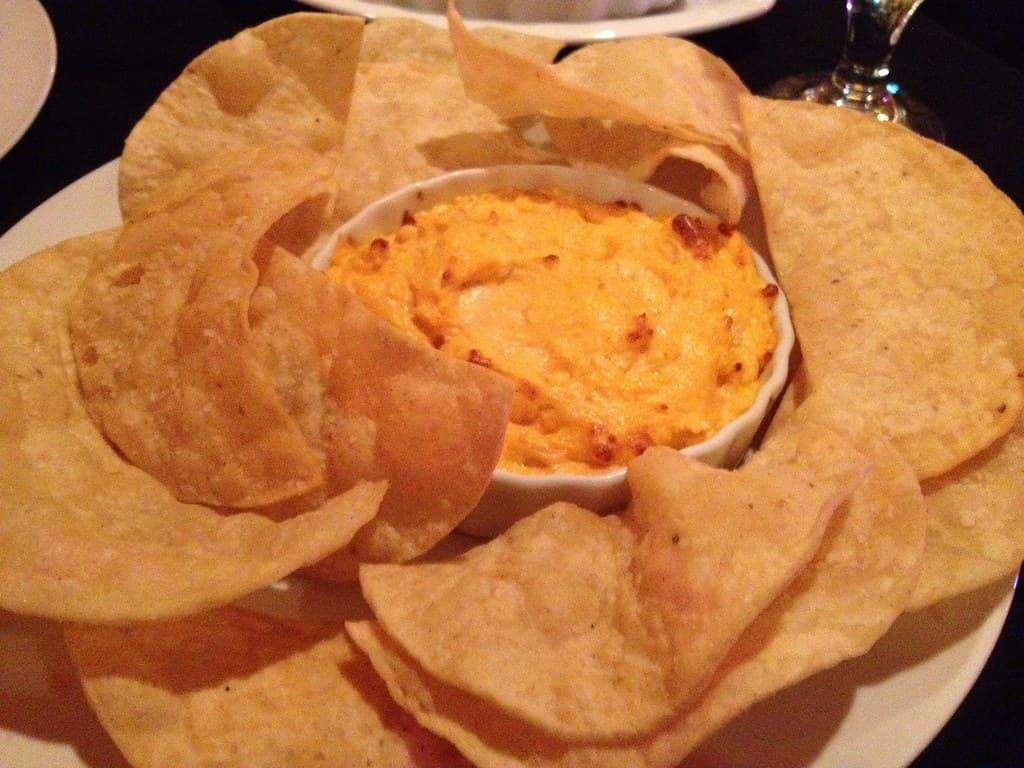
Buffalo chicken dip turns Buffalo wing flavors into a scoopable party dish. It belongs to the Super Bowl and tailgate era of American entertaining, with Frank's RedHot, cream cheese, shredded chicken, and ranch or blue cheese becoming the familiar formula.
1990-2026
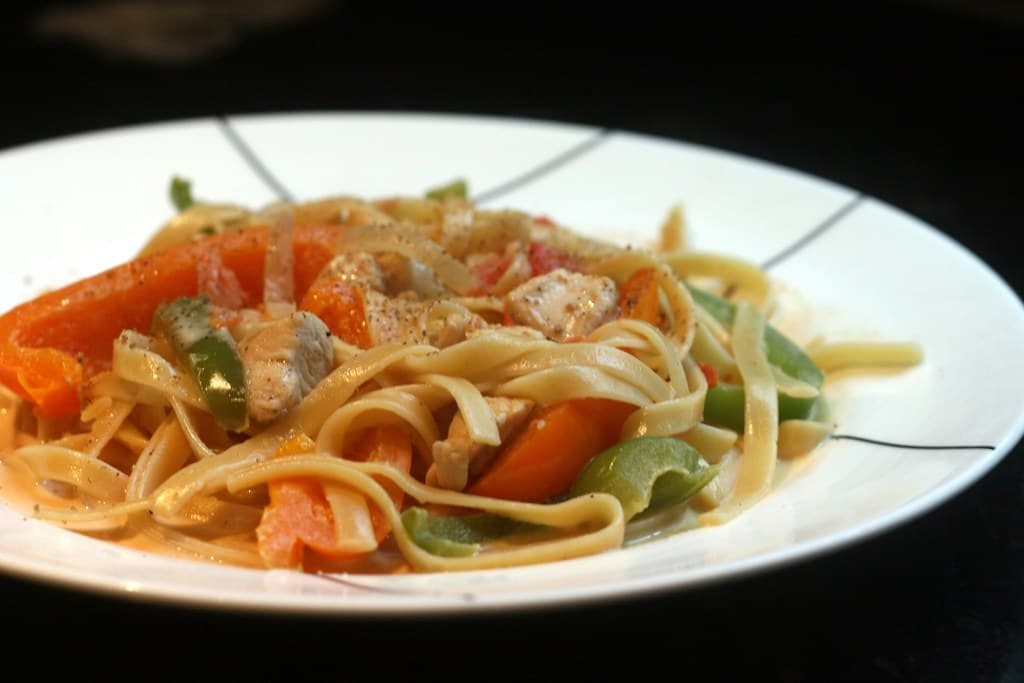
Cajun chicken pasta is American fusion in family-restaurant form. It borrows the spice profile and blackening language popularized by Cajun restaurant cooking, then folds it into creamy pasta for a 1990s-style chain and mall-restaurant favorite.
Same region
America's Melting Pot
Butter Chicken photo coming soon
1975-2026
Butter chicken, or murgh makhani, is associated with Moti Mahal and Punjabi cooks who turned tandoori chicken into a rich tomato-butter gravy. In the United States, Indian restaurants, immigrant cooks, supermarket sauces, and suburban takeout made it one of the best-known Indian dishes for American diners.
1800s-present
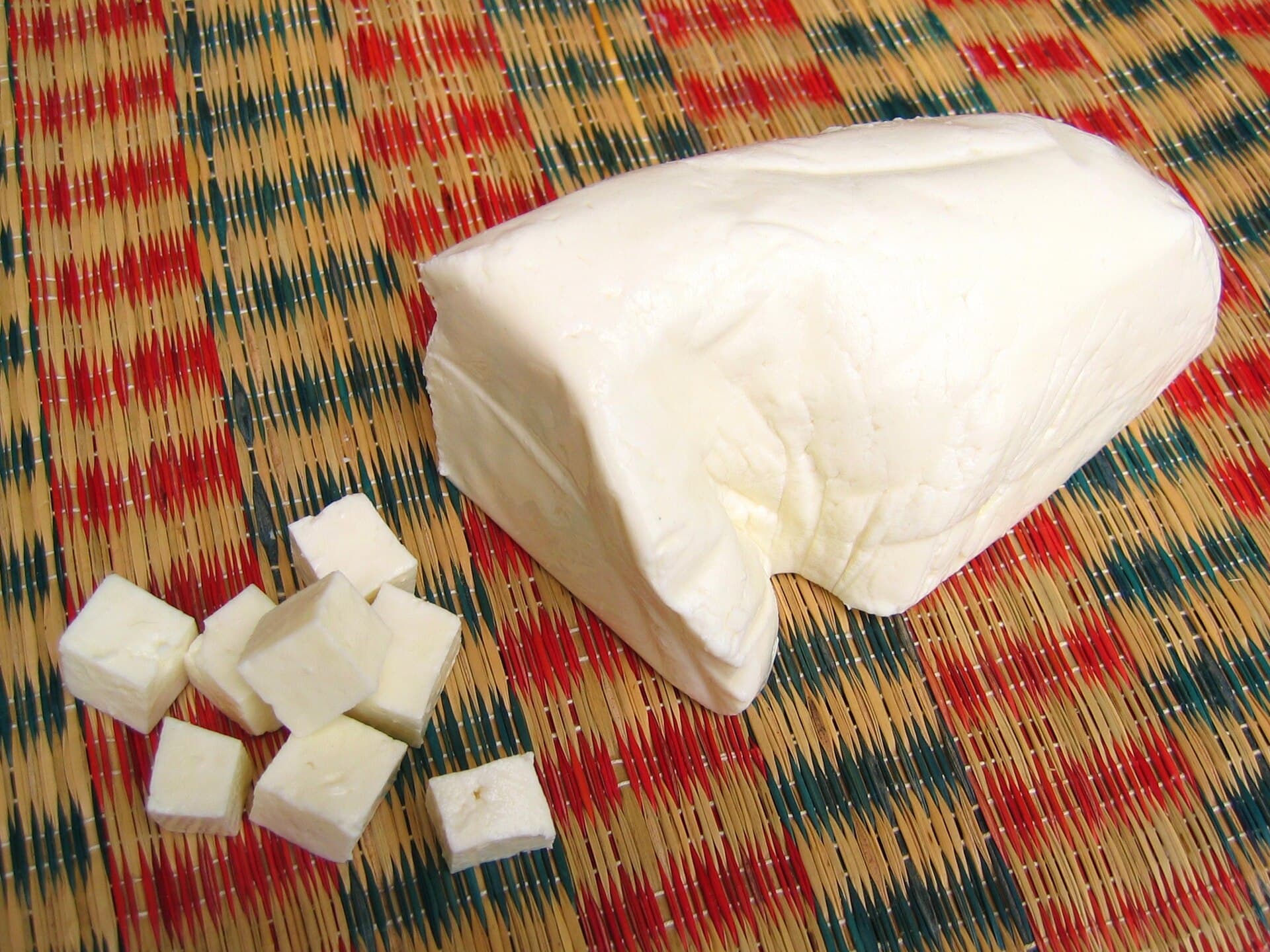
Paneer, Indian-American Home Cheese is a fresh Indian-American home cheese made by acid-setting pasteurized milk, draining, pressing, chilling, and cooking within a few days.
America's Melting Pot
Acorn Bread photo coming soon
1800-1860
A nutty, lightly sweet quick bread made with properly leached acorn flour, cornmeal, and wheat flour.
Same table
1700s-present
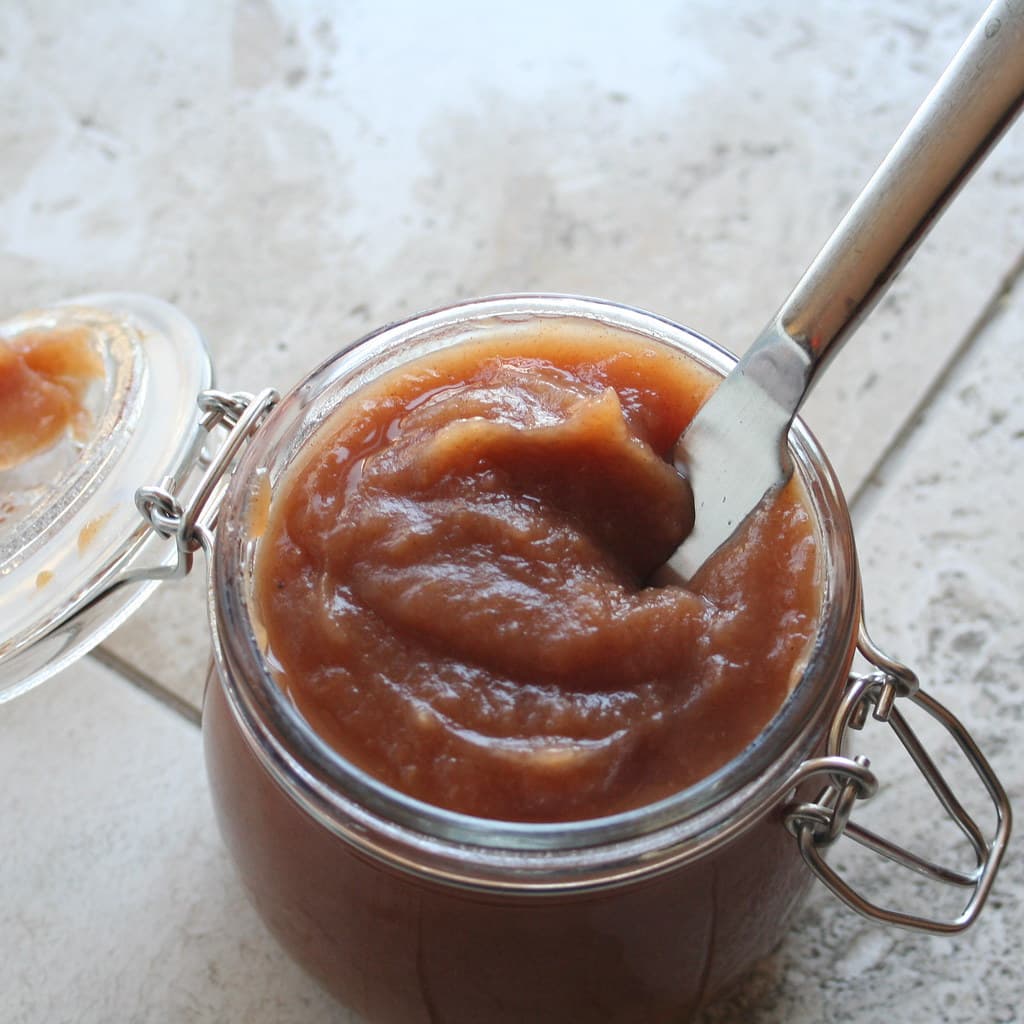
Apples cooked down with cider, sugar, and warm spices into a dark, spreadable fruit butter.
1800s-present
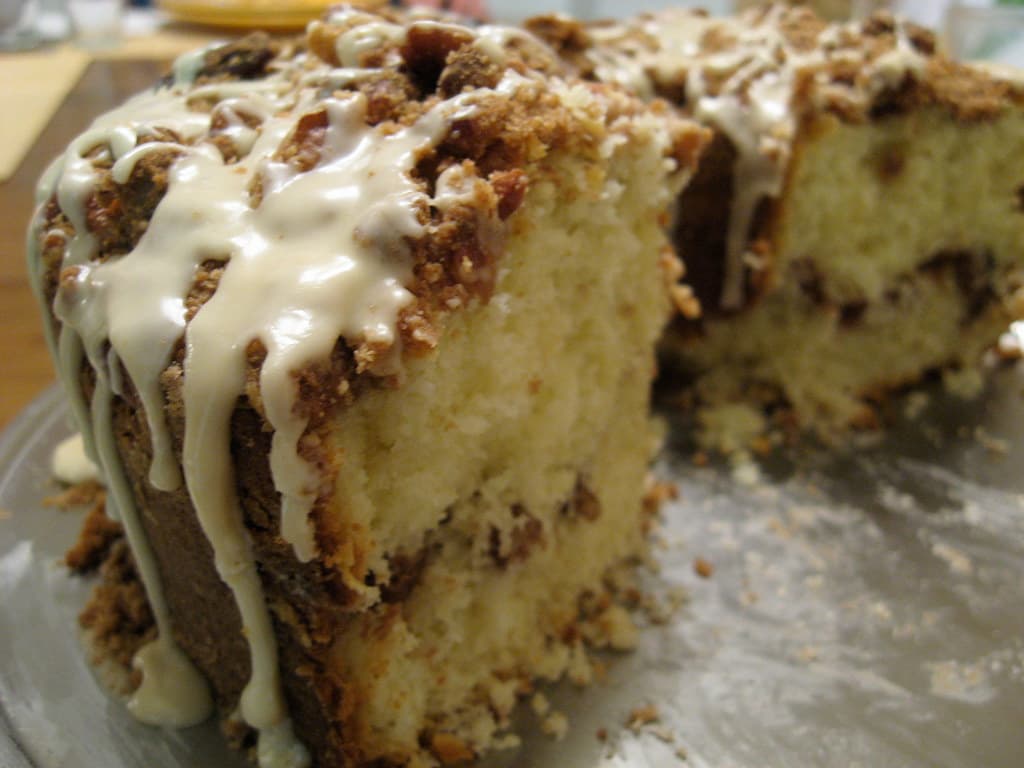
Coffee cake is a moist, sweet cake often topped with cinnamon sugar streusel, enjoyed in schools, churches, and diners during the early 1900s. This American breakfast favorite embodies community gathering traditions and immigrant influences melding into everyday comfort food.
1900-2026
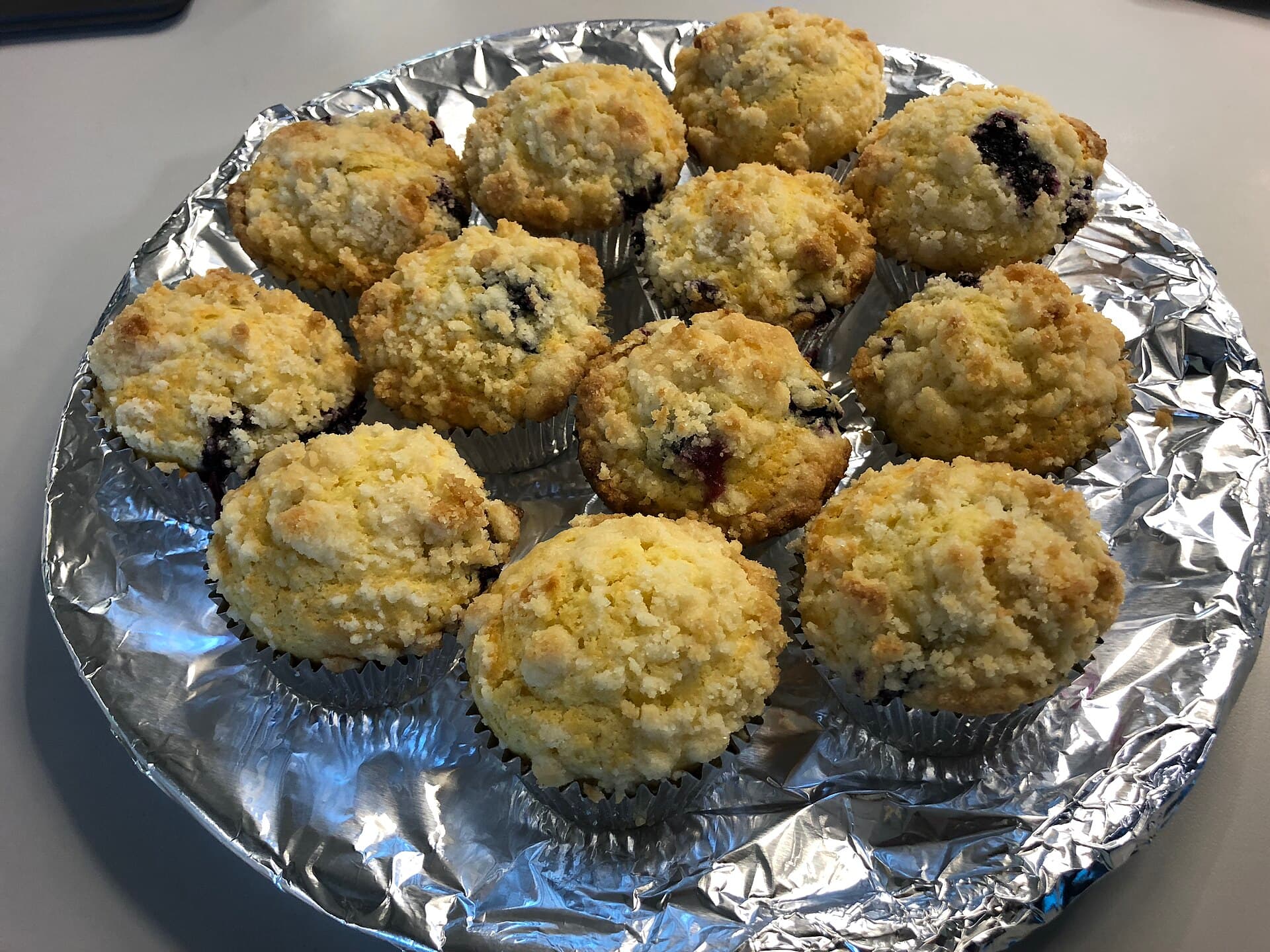
Blueberry muffins are everyday American breakfast baking, but Boston gave them a particular legend through Jordan Marsh department store. The oversized, sugar-topped muffin became a coffee-shop and bakery standard long after the department store disappeared.