
Recipe archive
Loading
Setting the table...
Fetching the latest recipes from the archive.
Loading
Fetching the latest recipes from the archive.
Recipe archive
America's Melting Pot
Chile con Carne hero image coming soon
1800-1860 - Texas and Southwestern ranchers and settlers
Chile con Carne is a robust stew combining beef, chili peppers, tomatoes, and spices that became emblematic of Southwestern and Texas cooking in the 19th century. Its roots trace to Mexican-American and Spanish borderlands culinary traditions, adapted by settlers, cowboys, and ranchers. A filling, one-pot meal suited to frontier life, it holds a lasting place in regional American cuisine as a symbol of rustic, spicy comfort food.
No featured photo yet. Upload a photo with your review. The highest-rated community photo may become this recipe's hero image.
Difficulty
Medium
Prep time
20 minutes
Cook time
2 hours
Total time
2 hours 20 minutes
Servings
6
Region
Southwest, South
Era introduced
1800-1860
Introduced by
Texas and Southwestern ranchers and settlers
Recipe tools
Log in to save this recipe to a collection.
Chile con Carne emerged in the 1800s as a hearty stew popular among Texas cowboys, settlers, and Southwestern communities. Incorporating beef, dried or fresh chili peppers, tomatoes, and other spices, it reflects a blending of Mexican-American and Spanish borderlands culinary practices adapted to frontier needs. The dish's slow simmering method and simple, robust ingredients made it an ideal, warming meal well-suited to the demands of ranch and cattle trail life, which influenced its enduring popularity across the American Southwest and South.
Share family changes, regional twists, or pantry-friendly adaptations as full community recipes.
Log in to submit a community recipe.
No community recipes yet. Submitted recipes are published right away.
Rate this recipe and share how it worked at your table.
Log in to review this recipe.
No reviews yet. Be the first to rate this recipe.
Recipes matched by era, region, occasion, ingredients, and cultural roots from the archive.
Same era
America's Melting Pot
Acorn Bread photo coming soon
1800-1860
A nutty, lightly sweet quick bread made with properly leached acorn flour, cornmeal, and wheat flour.
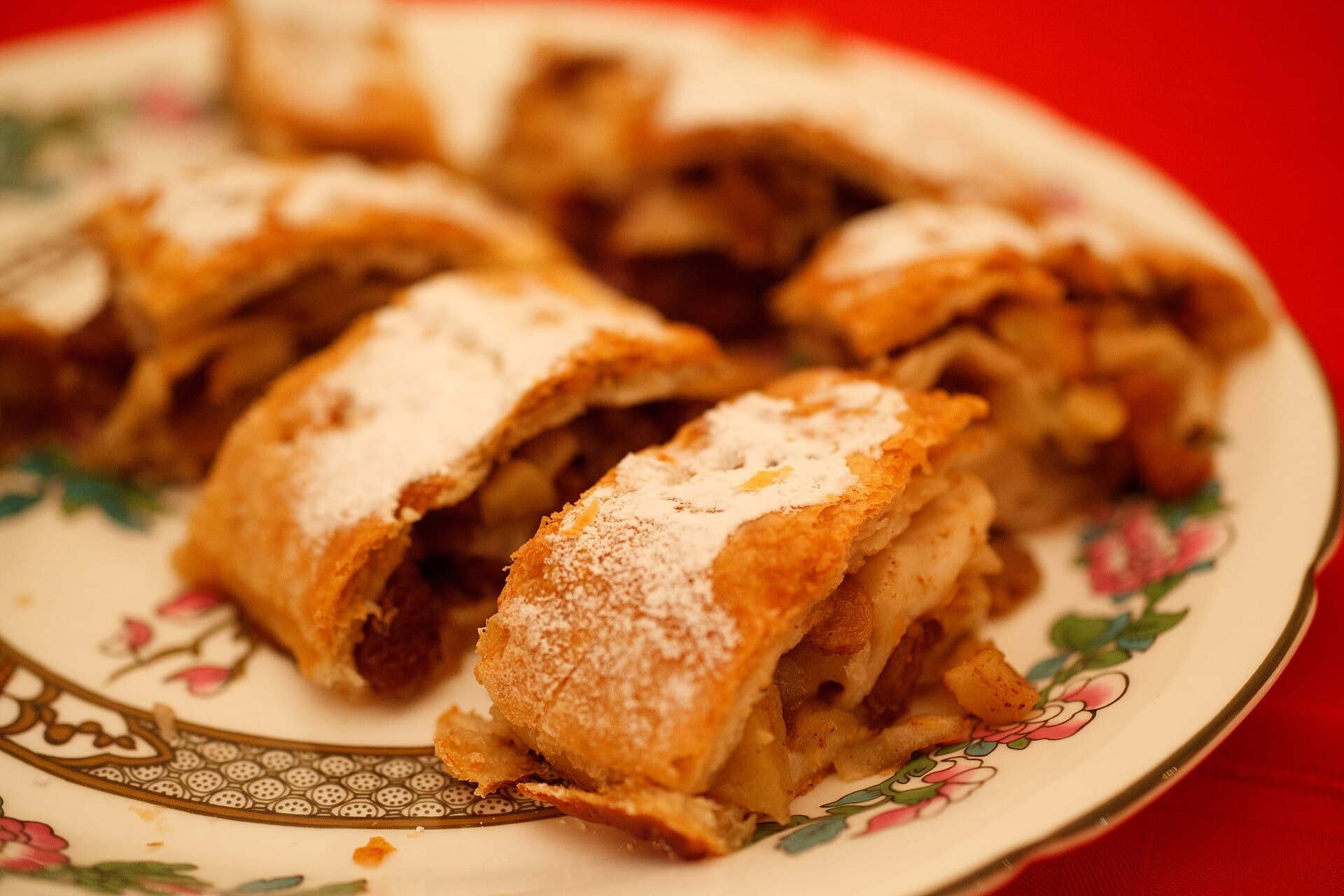
1800-1860
A German-American apple strudel made with crisp apples, raisins, cinnamon, buttered crumbs, and flaky phyllo for a practical home version of a Central European pastry.
America's Melting Pot
Asparagus photo coming soon
1800s/early 1900s-present
A bright American Easter asparagus side, quickly cooked and dressed with lemon butter, herbs, and hard-cooked egg in the spirit of old spring-table recipes.
Same region
America's Melting Pot
Enchiladas photo coming soon
1800-1860
Classic enchiladas consist of rolled corn tortillas filled with seasoned fillings and covered in chili sauce and cheese. Rooted in Mexican and Spanish borderlands cuisine, enchiladas evolved in the American Southwest during the 19th century blending indigenous and European influences into a favorite regional dish.
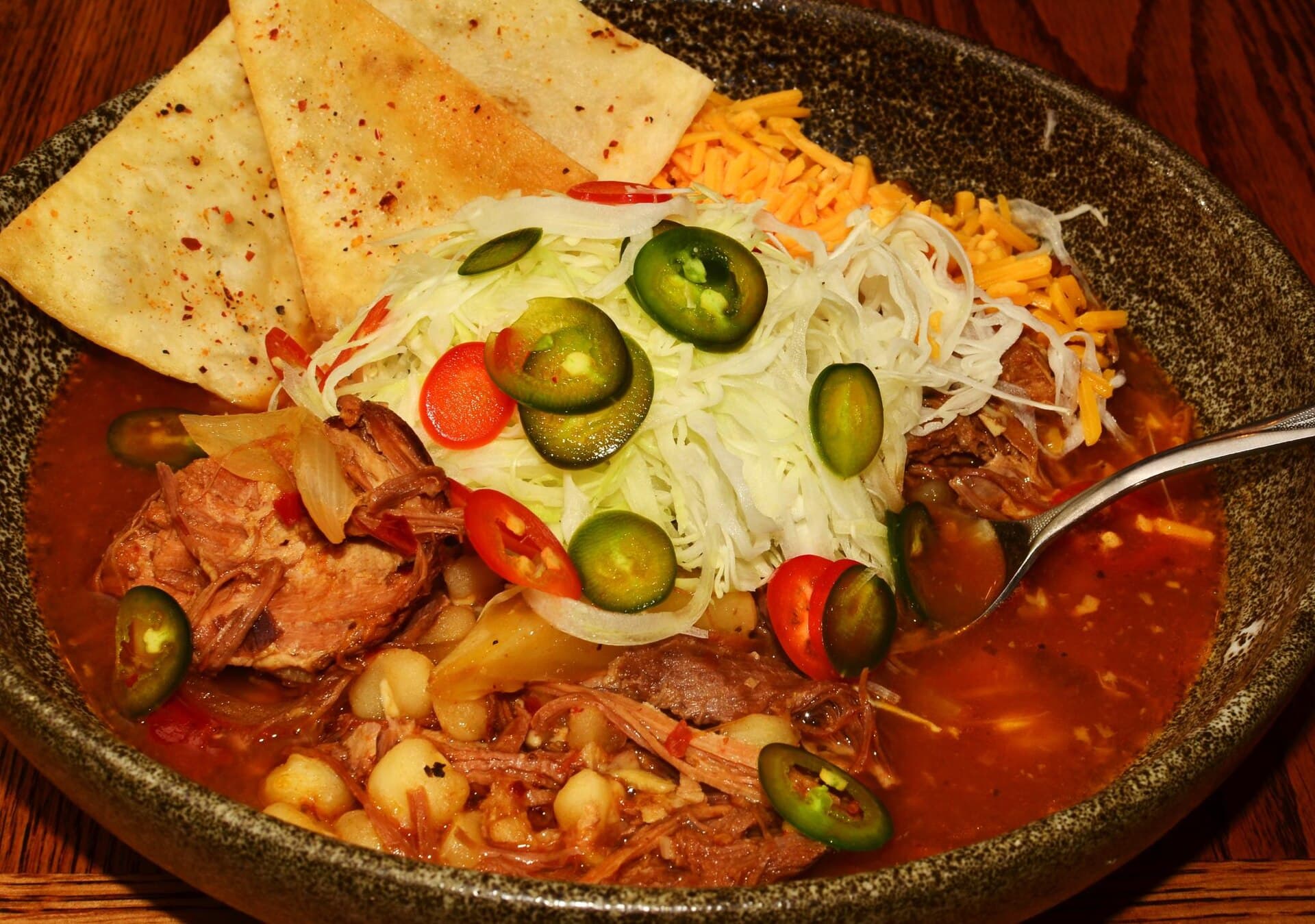
1800-1860
Posole is a hearty and spicy Mexican and Southwestern stew featuring hominy corn, pork, and chili peppers. It derives from pre-Columbian indigenous cuisine and became widely adopted in the U.S. Southwest and Southern regions, reflecting Mexican and Spanish borderlands culinary heritage.
America's Melting Pot
Red Chile Sauce photo coming soon
1800-1860
Red Chile Sauce is a vibrant, spicy sauce made from dried red chiles and seasonings, traditionally used in Mexican, Spanish, and Southwestern U.S. cuisines. This sauce embodies centuries-old culinary practices brought by Spanish settlers and Mexican heritage in the borderlands during the early 19th century, adding distinctive heat and flavor to many dishes.
Same table
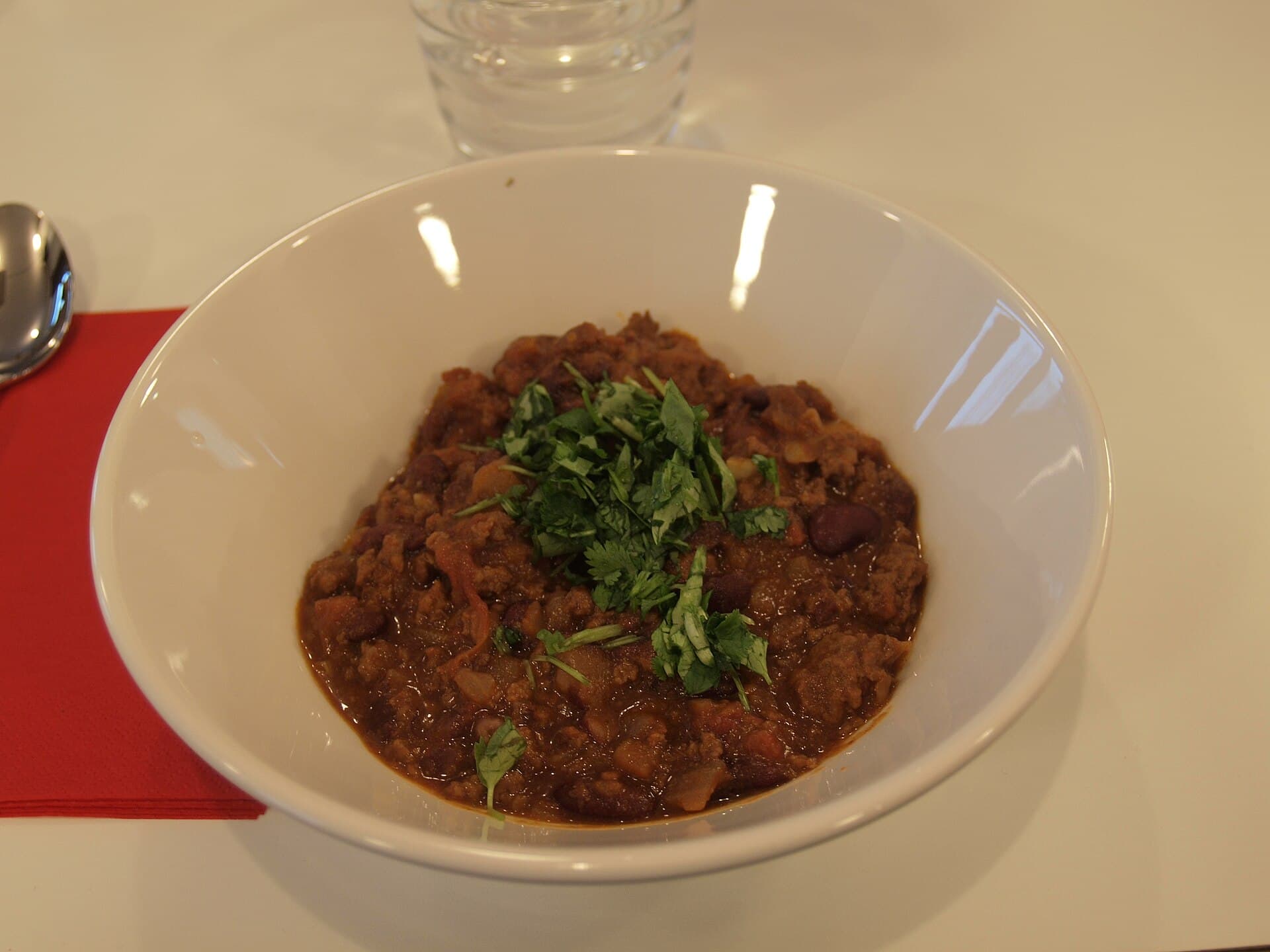
1861-1900
Chili con Carne is a spicy stew of beef, chili peppers, and seasonings integral to Great Plains cuisine post-Civil War. Popular among cattle drivers, settlers, and ranch communities during the late 19th century, this dish represents frontier culinary innovation blending Mexican-American and Southwestern flavors adapted to the rugged Great Plains environment. It remains a symbol of regional food heritage reflecting the era's settlement and cattle trail culture.
America's Melting Pot
Machaca photo coming soon
1800-1860
Machaca is a traditional dried and shredded beef dish originating from the Mexican borderlands and adapted by Southwestern US communities. Often rehydrated then cooked with eggs, peppers, or served in tortillas, machaca represents resourceful preservation of meat in frontier economies, combining Spanish and Indigenous culinary techniques prevalent prior to and during early American expansion.
America's Melting Pot
Red Chile Sauce photo coming soon
1800-1860
Red Chile Sauce is a vibrant, spicy sauce made from dried red chiles and seasonings, traditionally used in Mexican, Spanish, and Southwestern U.S. cuisines. This sauce embodies centuries-old culinary practices brought by Spanish settlers and Mexican heritage in the borderlands during the early 19th century, adding distinctive heat and flavor to many dishes.