
Recipe archive
Loading
Setting the table...
Fetching the latest recipes from the archive.
Loading
Fetching the latest recipes from the archive.
Recipe archive
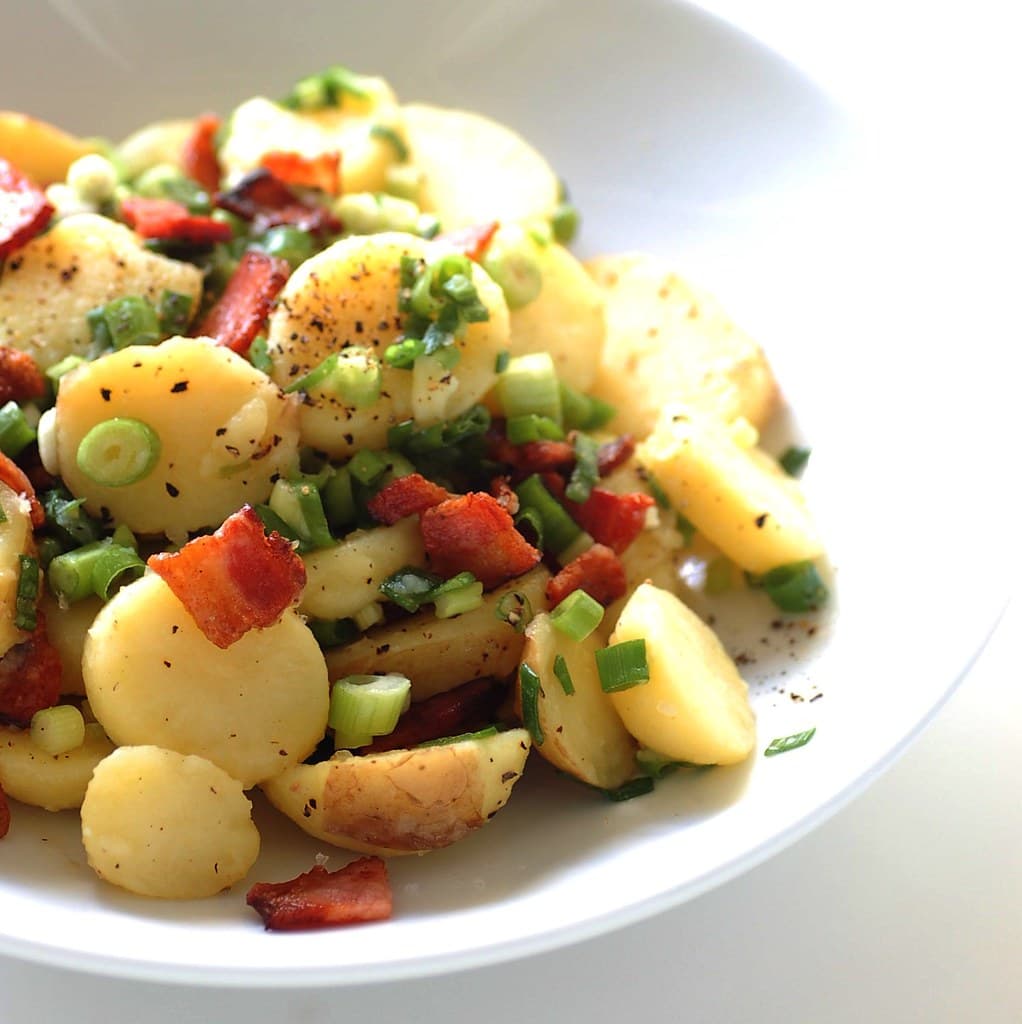
1800-1860 - German-American immigrant families in the Midwest and Northeast
German potato salad is a tangy and warm side dish featuring sliced potatoes dressed with vinegar, bacon, onions, and herbs. Introduced by German-American immigrants during the 19th century, this salad contrasts with creamy mayonnaise versions and remains a staple in traditional American gatherings and barbecues.
Community-powered photos. Reviewers can upload dish photos, and the highest-rated community image may be featured here.
Difficulty
Easy
Prep time
15 minutes
Cook time
20 minutes
Total time
35 minutes
Servings
6 servings
Region
Appalachia and Pennsylvania Dutch country
Era introduced
1800-1860
Introduced by
German-American immigrant families in the Midwest and Northeast
Recipe tools
Log in to save this recipe to a collection.
German potato salad arrived in the United States via German immigrants settling during the early to mid-1800s, particularly in the Midwest and Pennsylvania. Unlike the mayonnaise-based potato salad common in other regions, the German-American style uses a warm dressing of vinegar, sugar, and bacon drippings, yielding a tangy flavor and moist texture. This dish became popular at family dinners, church suppers, and outdoor barbecues, enduring as a flavorful alternative potato salad variety.
Share family changes, regional twists, or pantry-friendly adaptations as full community recipes.
Log in to submit a community recipe.
No community recipes yet. Submitted recipes are published right away.
Rate this recipe and share how it worked at your table.
Log in to review this recipe.
No reviews yet. Be the first to rate this recipe.
Recipes matched by era, region, occasion, ingredients, and cultural roots from the archive.
Same era
America's Melting Pot
Acorn Bread photo coming soon
1800-1860
A nutty, lightly sweet quick bread made with properly leached acorn flour, cornmeal, and wheat flour.
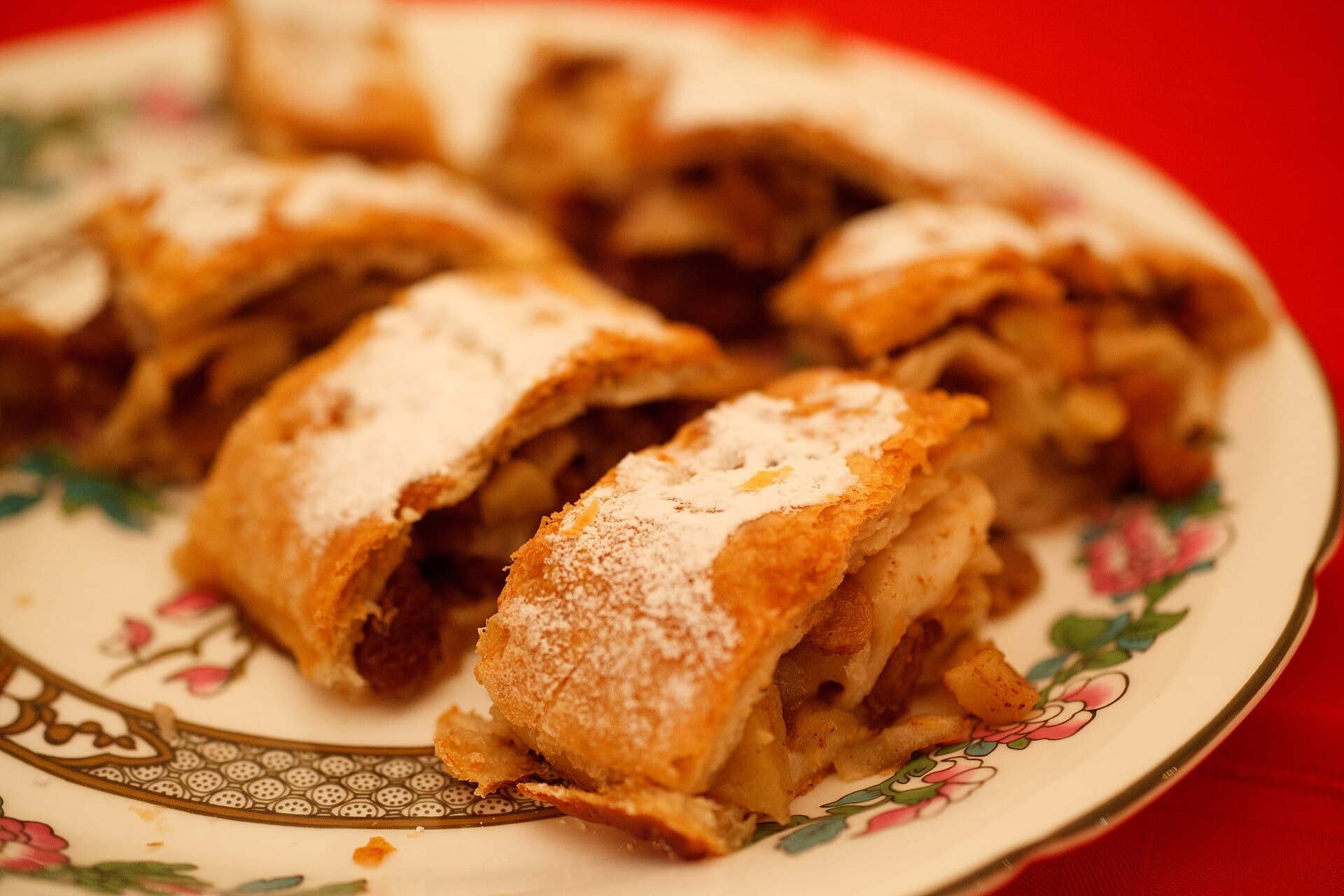
1800-1860
A German-American apple strudel made with crisp apples, raisins, cinnamon, buttered crumbs, and flaky phyllo for a practical home version of a Central European pastry.
America's Melting Pot
Asparagus photo coming soon
1800s/early 1900s-present
A bright American Easter asparagus side, quickly cooked and dressed with lemon butter, herbs, and hard-cooked egg in the spirit of old spring-table recipes.
Same region
America's Melting Pot
Fastnachts photo coming soon
1800-1860
Fastnachts are dense, fried doughnuts traditionally prepared by German-American communities in the U.S. during the 19th century, especially for Shrove Tuesday. These simple pastries reflect German immigrant influence on American regional baking traditions during early expansion and immigration periods.
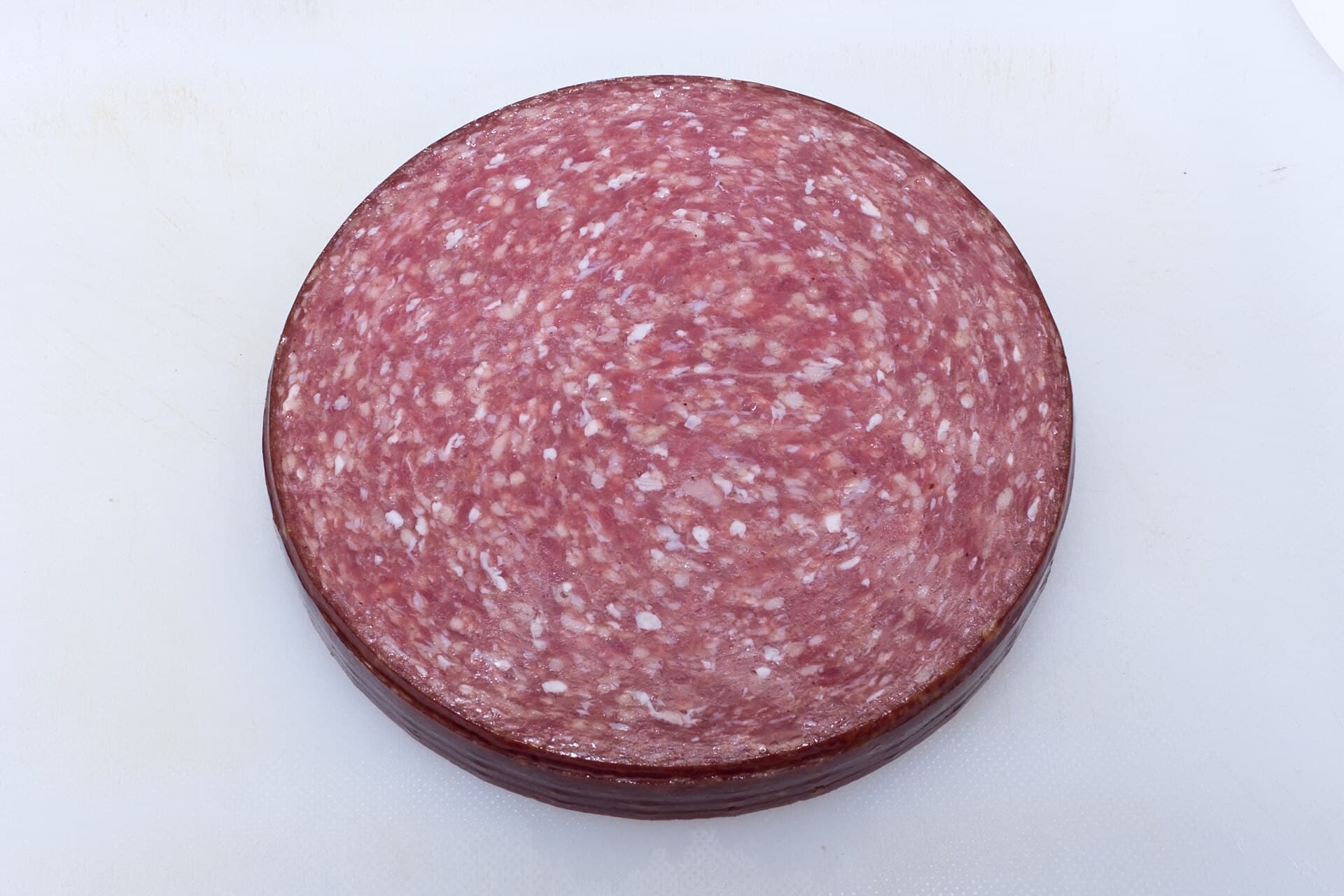
1800-1860
Lebanon Bologna is a smoked, cured sausage traditionally produced by German-American communities, particularly in Pennsylvania, since the 19th century. Known for its spiced flavor and fine texture, it is typically sliced and served cold or fried, representing German sausage-making techniques adapted in America.
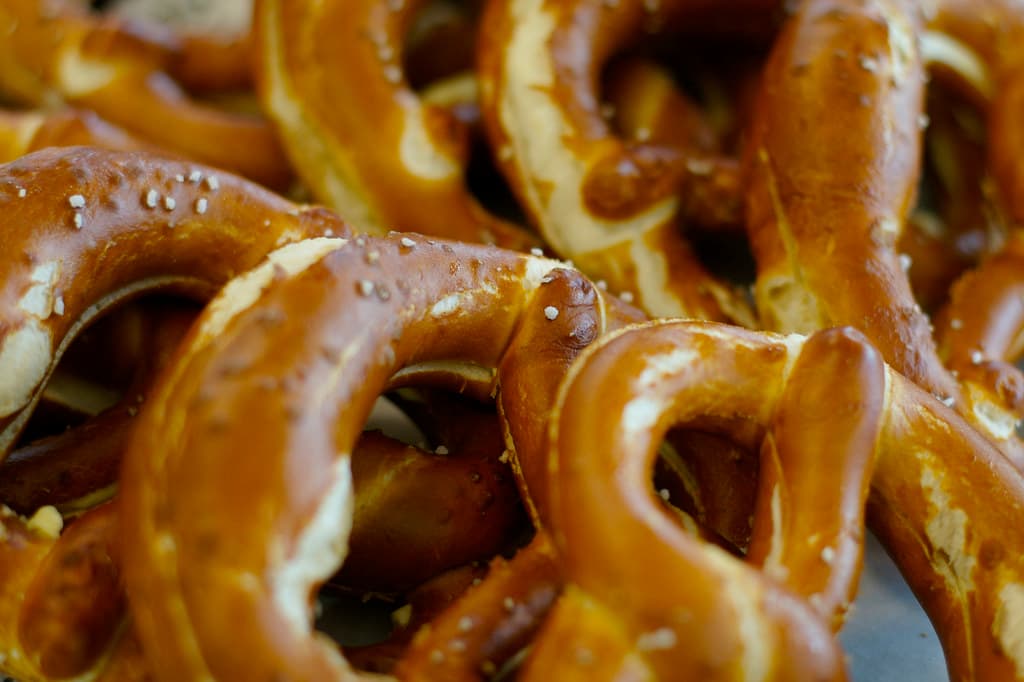
1800-1860
Pretzels, brought by German immigrants to the United States in the 1800s, became a beloved baked good in American urban centers and towns. These soft, twisted breads exemplify immigrant culinary influence blending with local tastes.
Same table
America's Melting Pot
Pasta Salad photo coming soon
1950s-present
Pasta salad is a chilled side dish combining cooked pasta with vegetables, herbs, and a tangy dressing. Widely popular in American cookouts and casual gatherings, it exemplifies late 20th-century trends toward convenient, make-ahead side dishes.
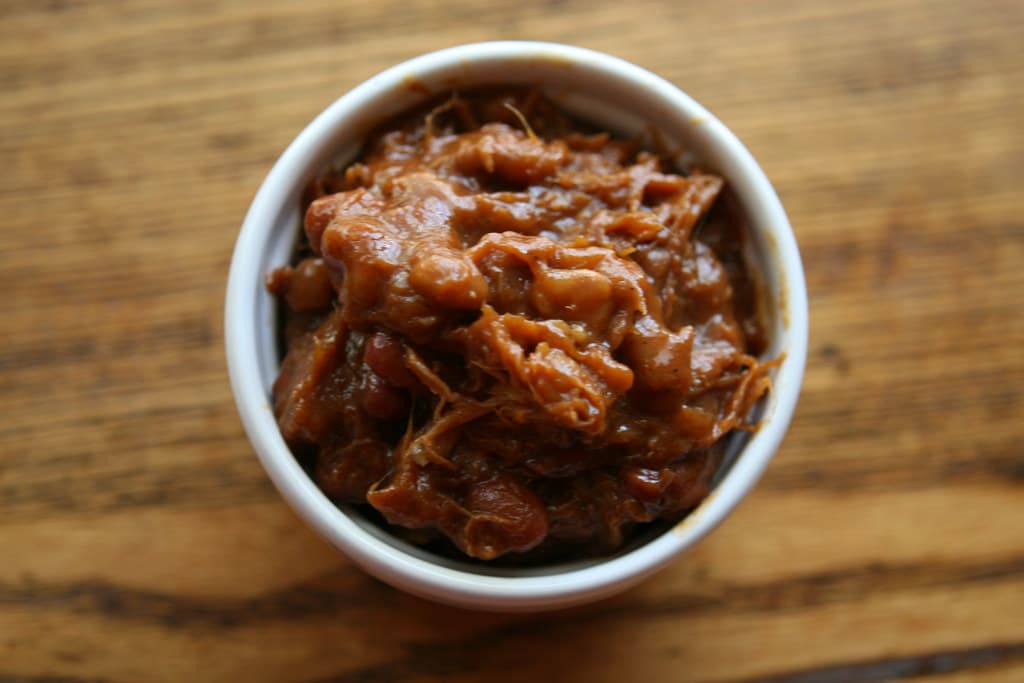
1900-2026
A barbecue side dish of beans baked with bacon, onion, molasses, tomato, brown sugar, mustard, and barbecue sauce until thick and smoky.
America's Melting Pot
Coleslaw photo coming soon
1600s-present
Coleslaw is a popular American salad made from shredded cabbage and carrots tossed in a creamy mayonnaise-based dressing. It became widespread in the postwar period as a favorite side for barbecues, picnics, and holidays such as the Fourth of July. Refreshing and versatile, coleslaw complements grilled meats and sandwiches in American backyard dining traditions.