
Recipe archive
Loading
Setting the table...
Fetching the latest recipes from the archive.
Loading
Fetching the latest recipes from the archive.
Recipe archive

1800-1860 - German-American sausage makers from Pennsylvania German immigrant communities.
Lebanon Bologna is a smoked, cured sausage traditionally produced by German-American communities, particularly in Pennsylvania, since the 19th century. Known for its spiced flavor and fine texture, it is typically sliced and served cold or fried, representing German sausage-making techniques adapted in America.
Community-powered photos. Reviewers can upload dish photos, and the highest-rated community image may be featured here.
Difficulty
Hard
Prep time
15 minutes (preparing ground meat)
Cook time
several days (curing and smoking)
Total time
multiple days
Servings
Varies
Region
Appalachia and Pennsylvania Dutch country
Era introduced
1800-1860
Introduced by
German-American sausage makers from Pennsylvania German immigrant communities.
Recipe tools
Log in to save this recipe to a collection.
Lebanon Bologna originated among Pennsylvania German (Pennsylvania Dutch) immigrant communities in the 1800s as a form of smoked sausage suited to local tastes and preservation methods. The recipe involves careful curing, fermenting, and smoking processes, reflecting transatlantic tradition adapted to American conditions and ingredients, and remains a regional specialty prized for its unique flavor.
Share family changes, regional twists, or pantry-friendly adaptations as full community recipes.
Log in to submit a community recipe.
No community recipes yet. Submitted recipes are published right away.
Rate this recipe and share how it worked at your table.
Log in to review this recipe.
No reviews yet. Be the first to rate this recipe.
Recipes matched by era, region, occasion, ingredients, and cultural roots from the archive.
Same era
America's Melting Pot
Acorn Bread photo coming soon
1800-1860
A nutty, lightly sweet quick bread made with properly leached acorn flour, cornmeal, and wheat flour.
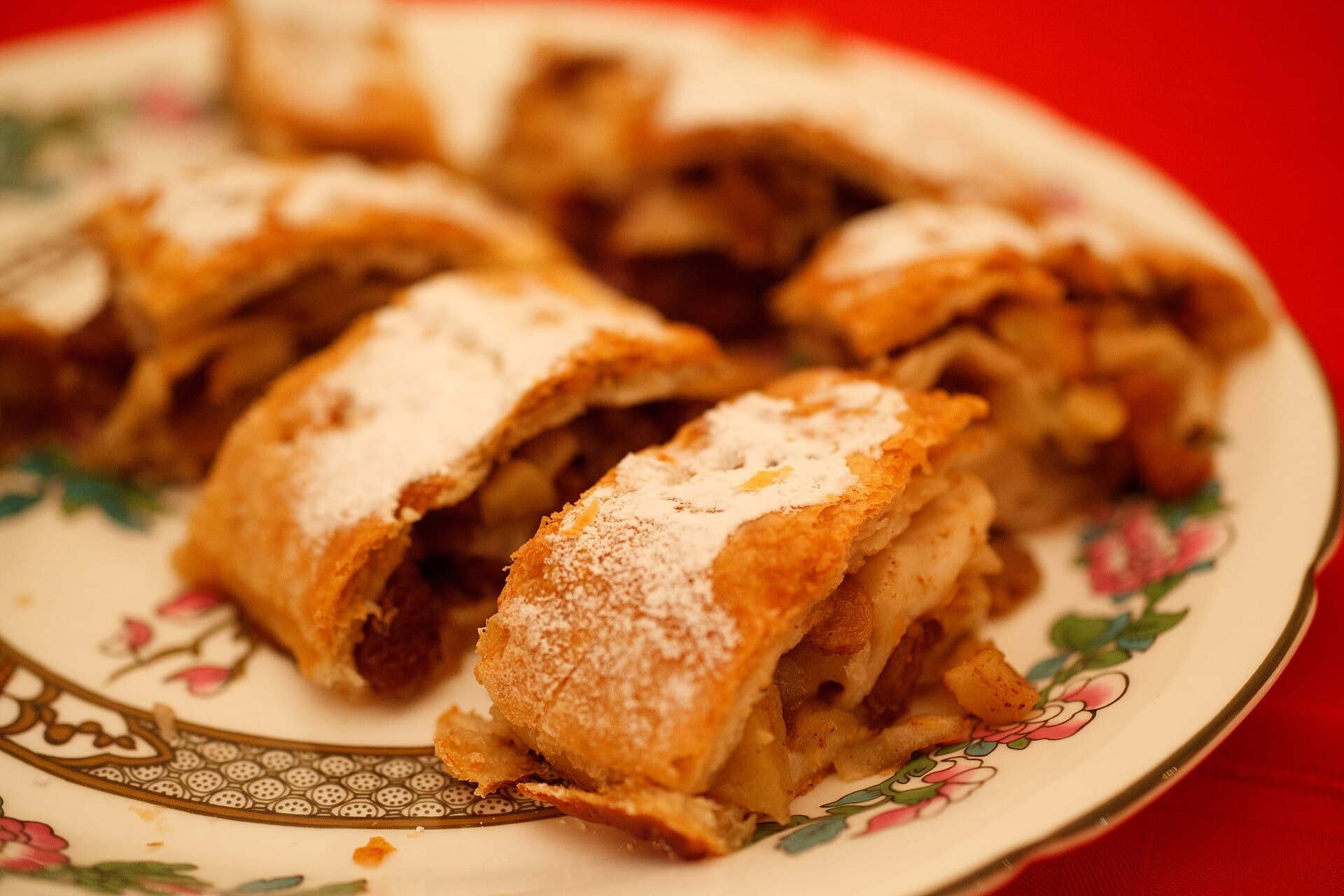
1800-1860
A German-American apple strudel made with crisp apples, raisins, cinnamon, buttered crumbs, and flaky phyllo for a practical home version of a Central European pastry.
America's Melting Pot
Asparagus photo coming soon
1800s/early 1900s-present
A bright American Easter asparagus side, quickly cooked and dressed with lemon butter, herbs, and hard-cooked egg in the spirit of old spring-table recipes.
Same region
America's Melting Pot
Fastnachts photo coming soon
1800-1860
Fastnachts are dense, fried doughnuts traditionally prepared by German-American communities in the U.S. during the 19th century, especially for Shrove Tuesday. These simple pastries reflect German immigrant influence on American regional baking traditions during early expansion and immigration periods.
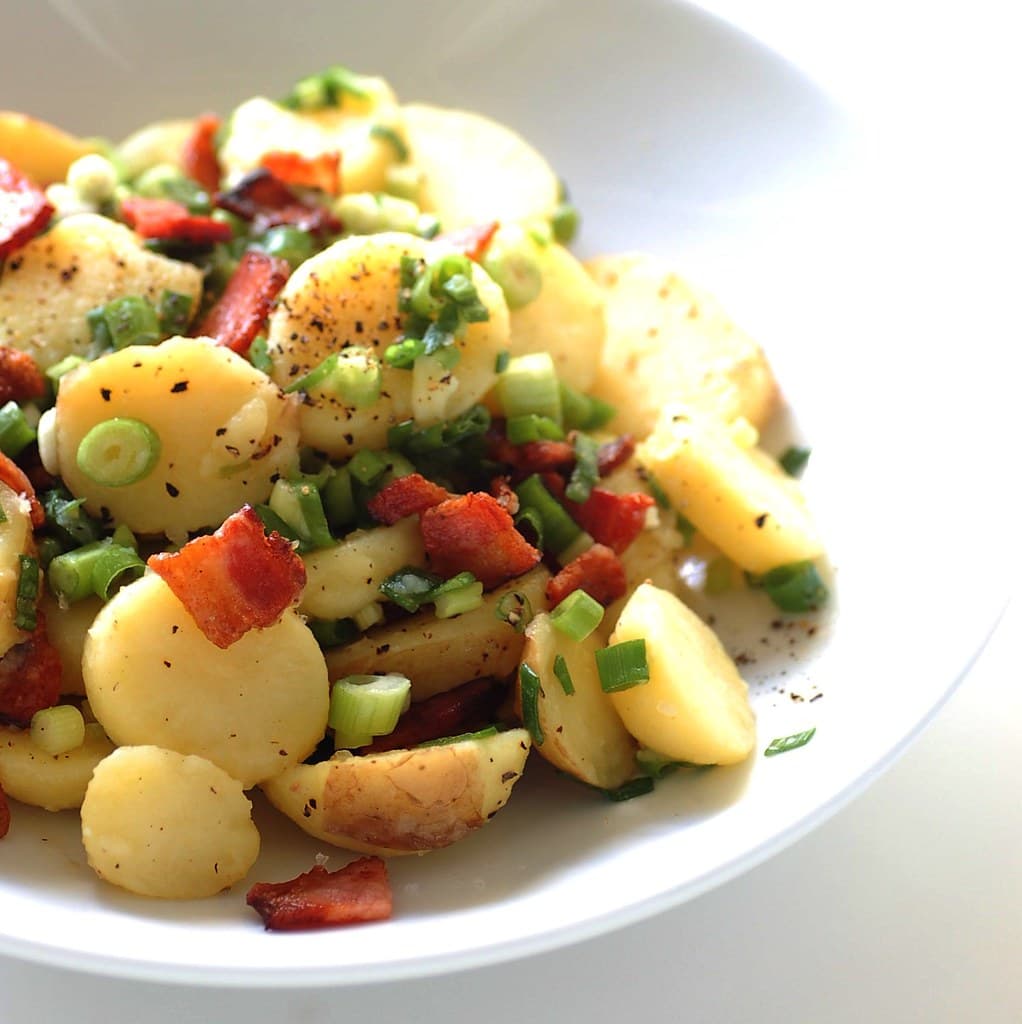
1800-1860
German potato salad is a tangy and warm side dish featuring sliced potatoes dressed with vinegar, bacon, onions, and herbs. Introduced by German-American immigrants during the 19th century, this salad contrasts with creamy mayonnaise versions and remains a staple in traditional American gatherings and barbecues.

1800-1860
Pretzels, brought by German immigrants to the United States in the 1800s, became a beloved baked good in American urban centers and towns. These soft, twisted breads exemplify immigrant culinary influence blending with local tastes.
Same table
America's Melting Pot
Burgoo photo coming soon
1800-2026
Burgoo is Kentucky gathering food, cooked in big kettles for barbecues, political events, church fundraisers, Derby parties, and camps. Its origins are murky, with links to frontier stews, ragout, and communal cooking, but its identity is unmistakably Kentucky.
America's Melting Pot
Chile con Carne photo coming soon
1800-1860
Chile con Carne is a robust stew combining beef, chili peppers, tomatoes, and spices that became emblematic of Southwestern and Texas cooking in the 19th century. Its roots trace to Mexican-American and Spanish borderlands culinary traditions, adapted by settlers, cowboys, and ranchers. A filling, one-pot meal suited to frontier life, it holds a lasting place in regional American cuisine as a symbol of rustic, spicy comfort food.
America's Melting Pot
Chili photo coming soon
1860s/1880s-present
Chili is a spicy stew typically featuring meat, beans, chili peppers, and aromatic spices, standing as a quintessential American comfort food with roots in Mexican-American and Southwestern traditions. Its adaptability and richness have made it a popular one-pot meal enjoyed across the United States throughout multiple eras. Chili showcases the blending of frontier and immigrant culinary influences into a hearty, communal dish.