
Recipe archive
Loading
Setting the table...
Fetching the latest recipes from the archive.
Loading
Fetching the latest recipes from the archive.
Recipe archive
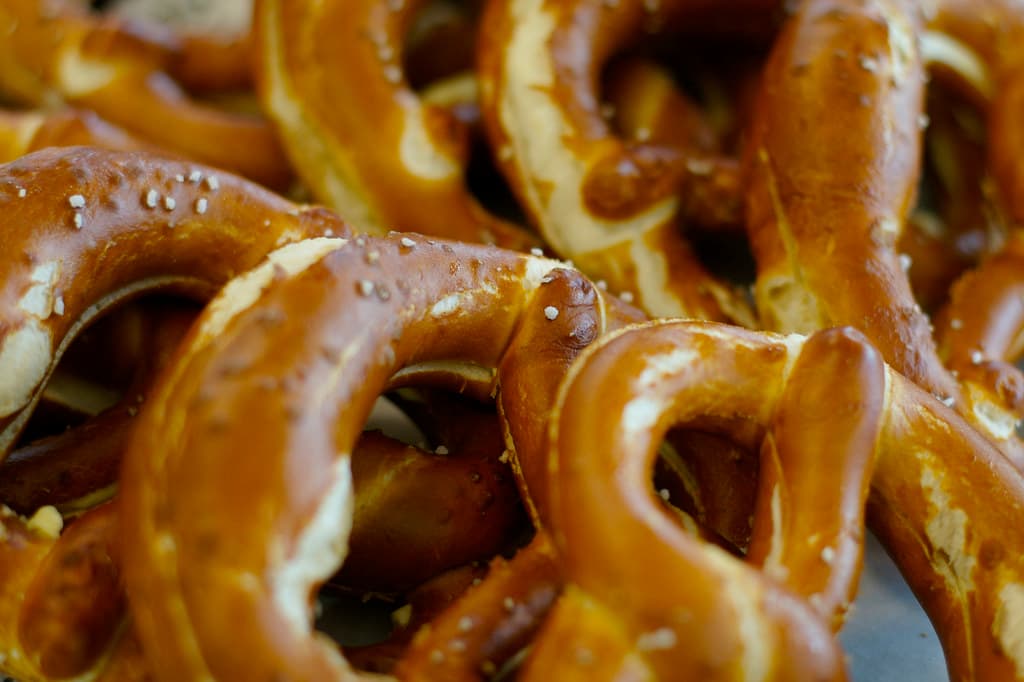
1800-1860 - German-American immigrant bakers in 19th century America.
Pretzels, brought by German immigrants to the United States in the 1800s, became a beloved baked good in American urban centers and towns. These soft, twisted breads exemplify immigrant culinary influence blending with local tastes.
Community-powered photos. Reviewers can upload dish photos, and the highest-rated community image may be featured here.
Difficulty
Medium
Prep time
30 minutes
Cook time
15 minutes
Total time
1 hour 15 minutes
Servings
8 pretzels
Region
Appalachia and Pennsylvania Dutch country
Era introduced
1800-1860
Introduced by
German-American immigrant bakers in 19th century America.
Recipe tools
Log in to save this recipe to a collection.
Dating from Germany's immigration waves in the early 19th century, pretzels became widely enjoyed among German-American communities, especially in cities like Cincinnati and Milwaukee. The recipe traveled from Old World traditions, adapted to locally available ingredients. Their characteristic shape and baking method symbolize cultural continuity and have since become an iconic part of American snack food culture, from street vendors to Oktoberfest celebrations.
Share family changes, regional twists, or pantry-friendly adaptations as full community recipes.
Log in to submit a community recipe.
No community recipes yet. Submitted recipes are published right away.
Rate this recipe and share how it worked at your table.
Log in to review this recipe.
No reviews yet. Be the first to rate this recipe.
Recipes matched by era, region, occasion, ingredients, and cultural roots from the archive.
Same era
America's Melting Pot
Acorn Bread photo coming soon
1800-1860
A nutty, lightly sweet quick bread made with properly leached acorn flour, cornmeal, and wheat flour.
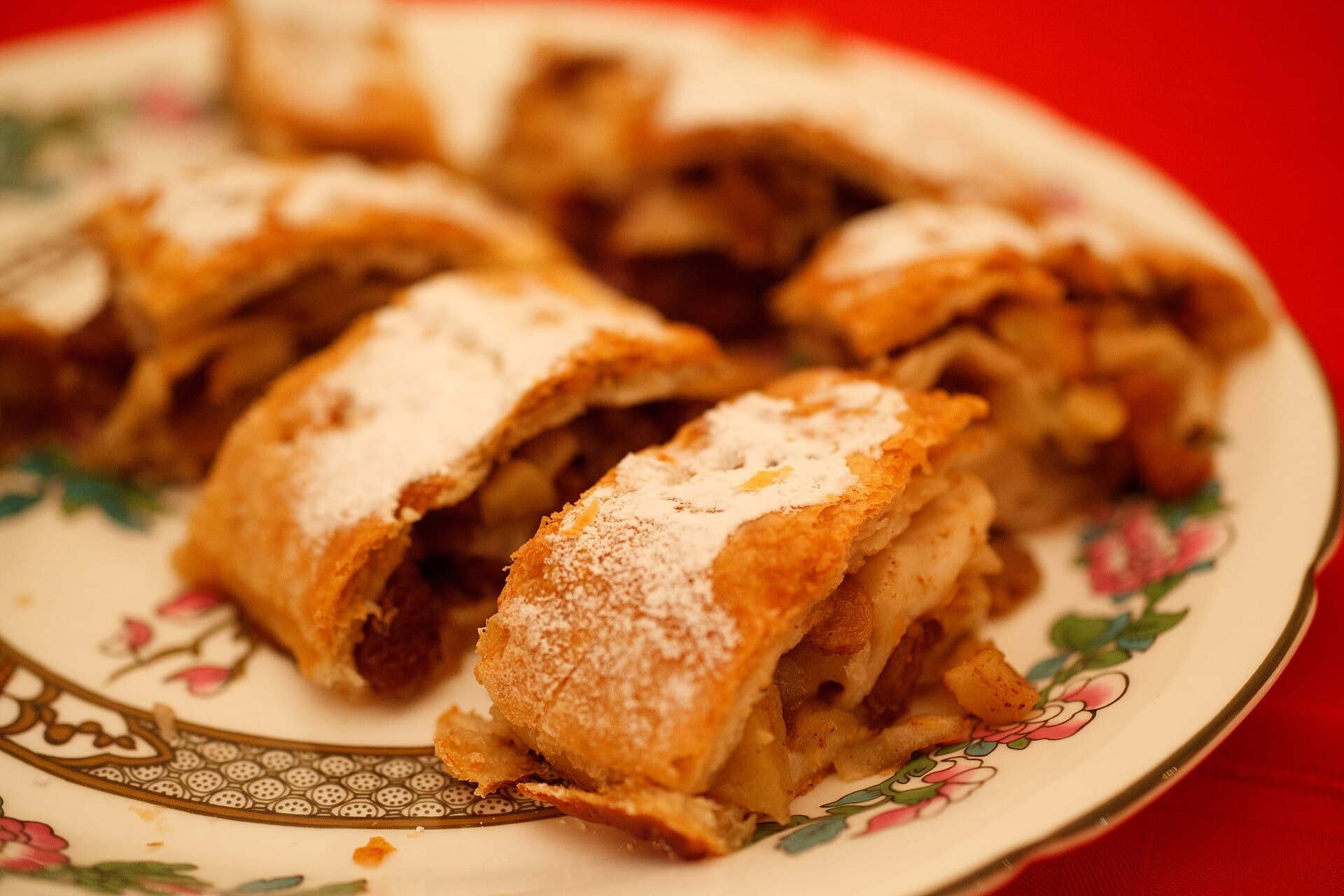
1800-1860
A German-American apple strudel made with crisp apples, raisins, cinnamon, buttered crumbs, and flaky phyllo for a practical home version of a Central European pastry.
America's Melting Pot
Asparagus photo coming soon
1800s/early 1900s-present
A bright American Easter asparagus side, quickly cooked and dressed with lemon butter, herbs, and hard-cooked egg in the spirit of old spring-table recipes.
Same region
America's Melting Pot
Fastnachts photo coming soon
1800-1860
Fastnachts are dense, fried doughnuts traditionally prepared by German-American communities in the U.S. during the 19th century, especially for Shrove Tuesday. These simple pastries reflect German immigrant influence on American regional baking traditions during early expansion and immigration periods.
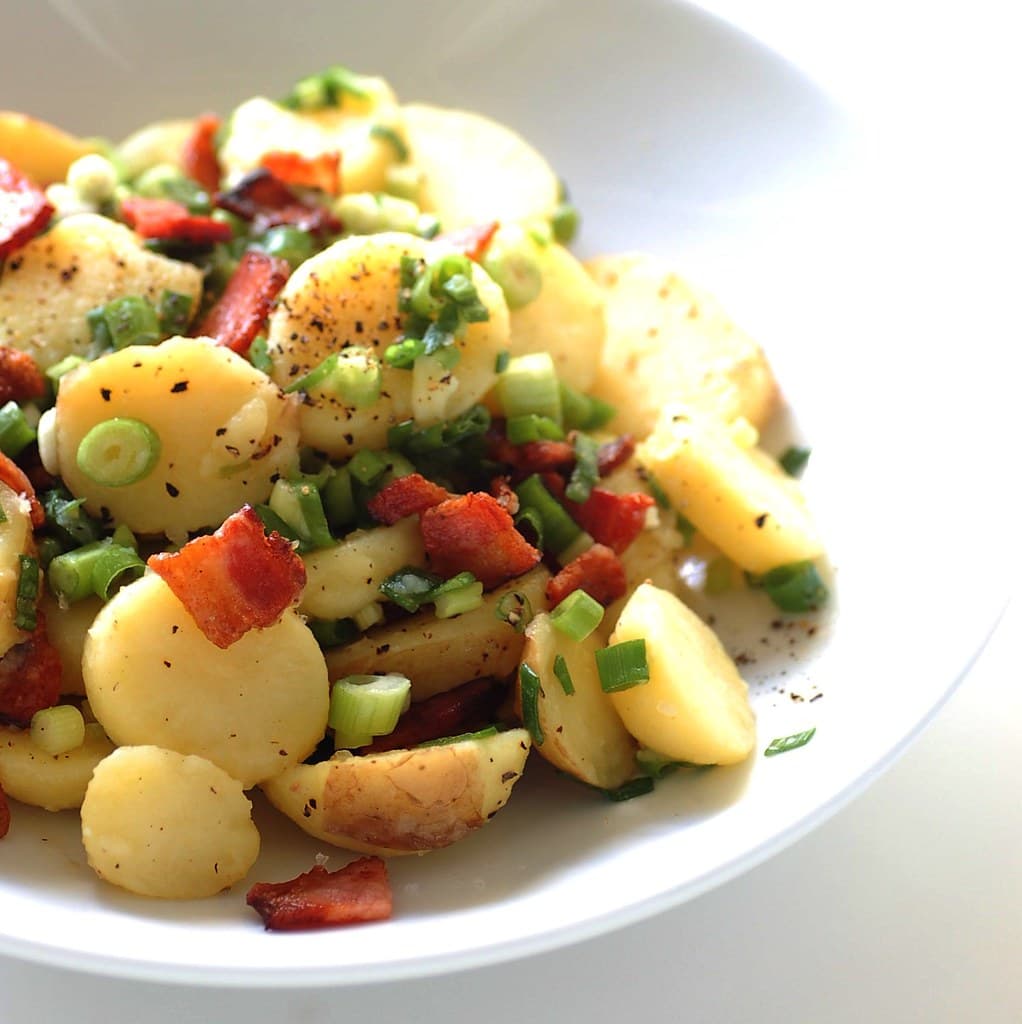
1800-1860
German potato salad is a tangy and warm side dish featuring sliced potatoes dressed with vinegar, bacon, onions, and herbs. Introduced by German-American immigrants during the 19th century, this salad contrasts with creamy mayonnaise versions and remains a staple in traditional American gatherings and barbecues.
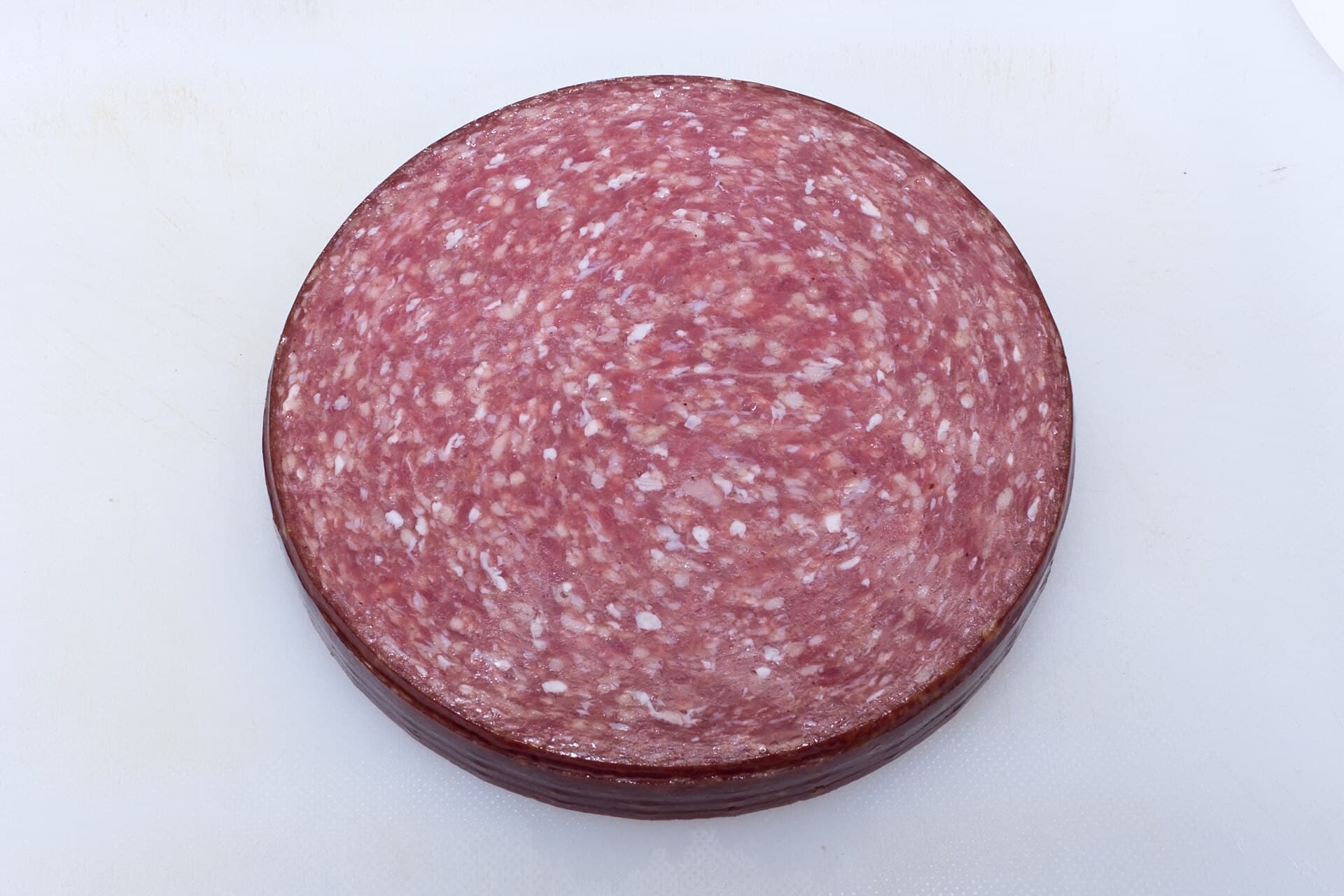
1800-1860
Lebanon Bologna is a smoked, cured sausage traditionally produced by German-American communities, particularly in Pennsylvania, since the 19th century. Known for its spiced flavor and fine texture, it is typically sliced and served cold or fried, representing German sausage-making techniques adapted in America.
Same table
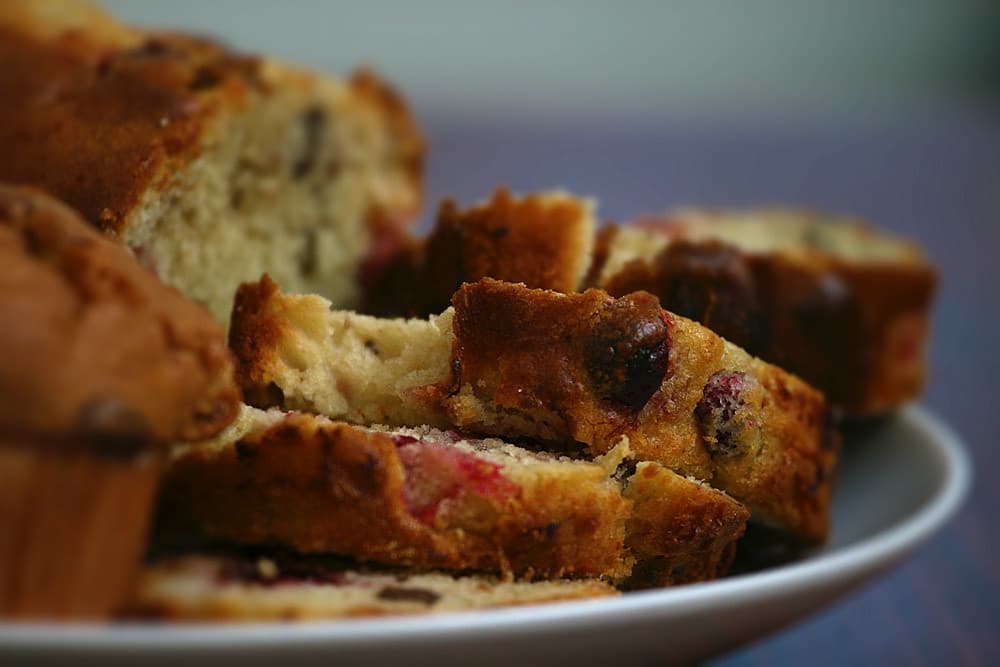
1800-1860
Moist quick bread studded with fresh cranberries, offering a balance of tart and sweet flavors. A traditional New England baked good enjoyed during the fall and winter months.
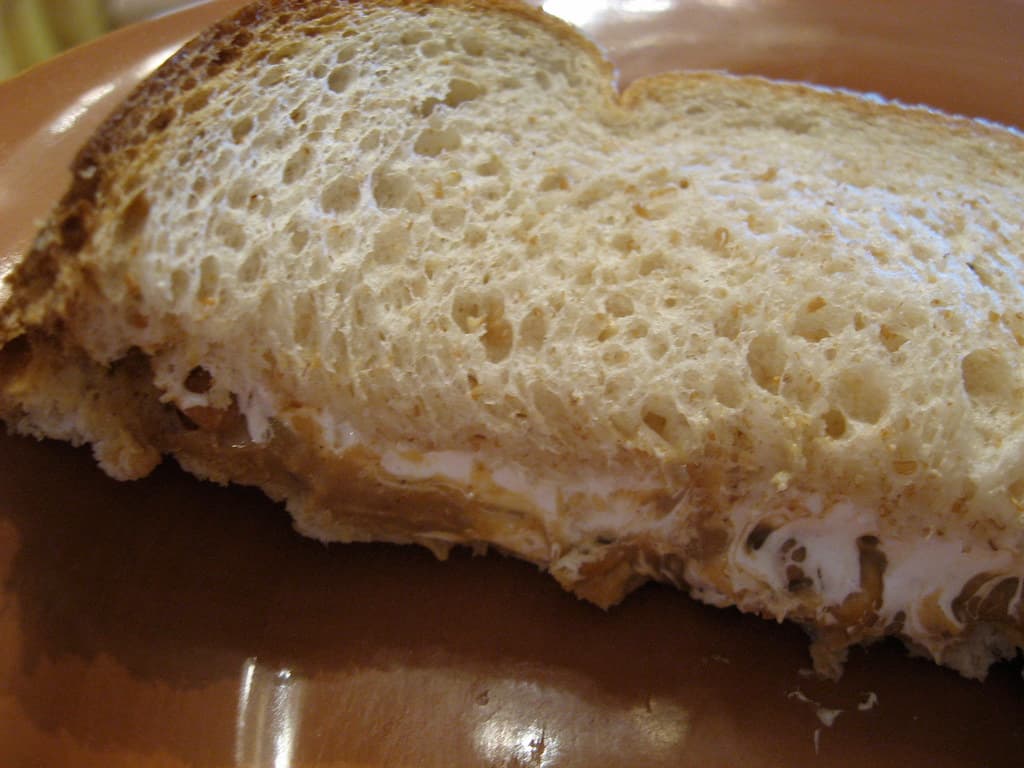
1918/1960-present
Fluffernutter sandwiches combine creamy peanut butter with sweet marshmallow fluff spread between slices of white bread. Originating in the Northeastern United States, this simple sandwich became a beloved comfort food symbolizing childhood nostalgia.
America's Melting Pot
Fried Bologna Sandwich photo coming soon
1930s-present
The fried bologna sandwich consists of slices of bologna pan-fried until browned, served on white bread with condiments. A simple, nostalgic sandwich commonly found in American delis and home kitchens throughout the 20th century.