
Recipe archive
Loading
Setting the table...
Fetching the latest recipes from the archive.
Loading
Fetching the latest recipes from the archive.
Recipe archive
America's Melting Pot
Green Chile Stew hero image coming soon
Before 1776 - Southwestern and Southern regional cooks and home kitchens.
Green Chile Stew is a traditional one-pot dish from the Southwest and South, combining local green chiles with meats and vegetables. Its history spans multiple eras and reflects a melding of Native American, Mexican, and Anglo culinary influences, helping define regional stew traditions.
No featured photo yet. Upload a photo with your review. The highest-rated community photo may become this recipe's hero image.
Difficulty
Medium
Prep time
20 minutes
Cook time
1 hour
Total time
1 hour 20 minutes
Servings
6
Region
New Mexico
Era introduced
Before 1776
Introduced by
Southwestern and Southern regional cooks and home kitchens.
Recipe tools
Log in to save this recipe to a collection.
Green Chile Stew has longstanding roots in Southwestern and Southern American cuisine. It combines the regional staple of green chiles with proteins like pork or beef, simmered with potatoes, corn, and other vegetables. This stew embodies regional resourcefulness and flavors passed through Native American, Mexican, and Anglo-American cooking traditions that have evolved over centuries.
Share family changes, regional twists, or pantry-friendly adaptations as full community recipes.
Log in to submit a community recipe.
No community recipes yet. Submitted recipes are published right away.
Rate this recipe and share how it worked at your table.
Log in to review this recipe.
No reviews yet. Be the first to rate this recipe.
Recipes matched by era, region, occasion, ingredients, and cultural roots from the archive.
Same era
America's Melting Pot
Coleslaw photo coming soon
1600s-present
Coleslaw is a popular American salad made from shredded cabbage and carrots tossed in a creamy mayonnaise-based dressing. It became widespread in the postwar period as a favorite side for barbecues, picnics, and holidays such as the Fourth of July. Refreshing and versatile, coleslaw complements grilled meats and sandwiches in American backyard dining traditions.

1600s-present
Cornmeal pancakes were a practical and hearty breakfast staple during the Depression and Dust Bowl years, offering an affordable, nourishing start to the day in rural and urban kitchens alike. Using simple pantry staples like cornmeal and flour, these pancakes sustained families through hard economic times and food shortages.
America's Melting Pot
Country Ham and Eggs photo coming soon
1607/1700s-present
A traditional Southern breakfast featuring salty country ham paired with perfectly cooked eggs. This dish reflects rural American morning fare, combining hearty protein with simple preparation for an energizing start to the day.
Same region
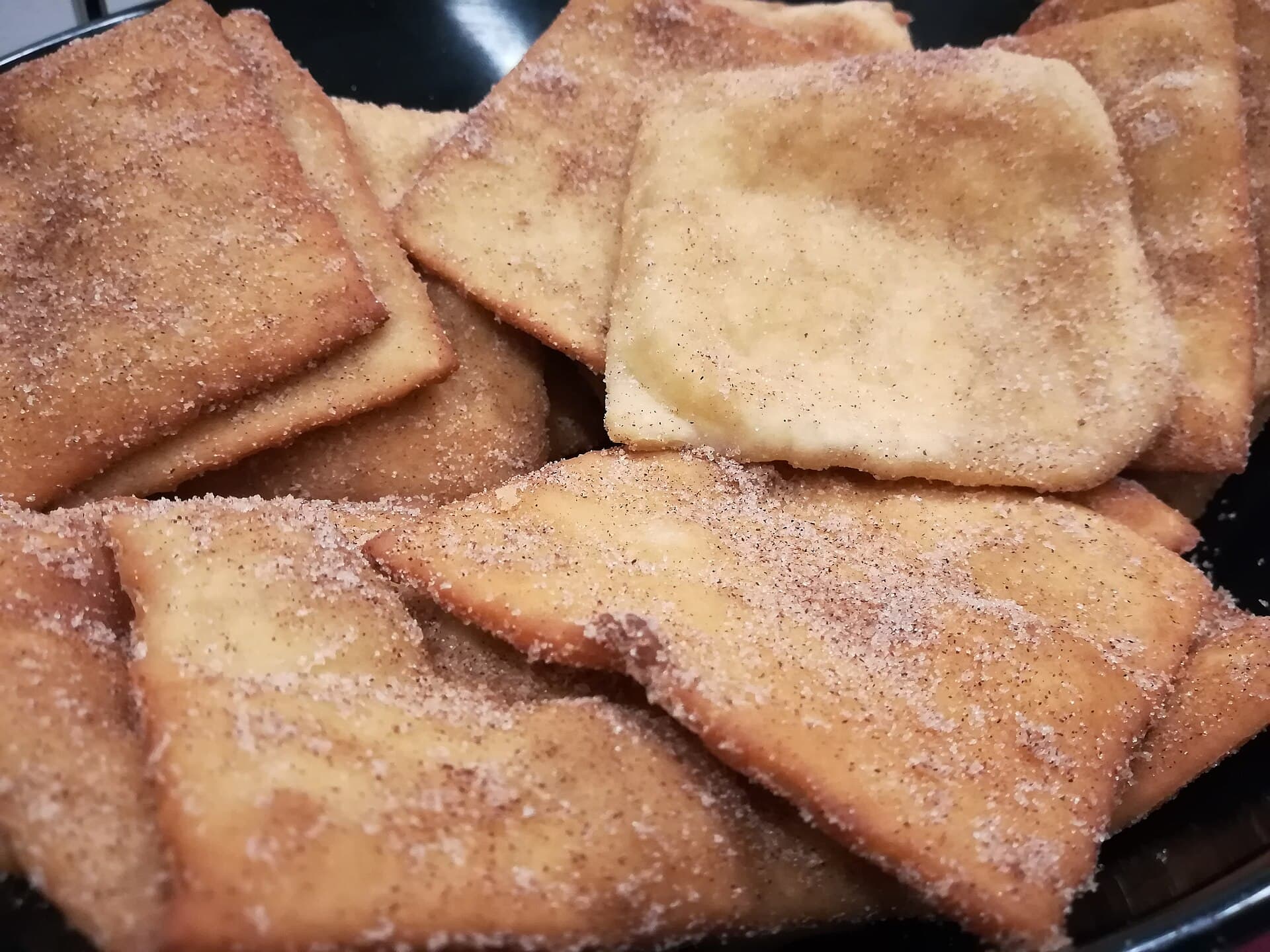
1800s-present
Sopapillas are puffy, fried dough pastries that puff up when cooked, creating a hollow interior perfect for stuffing or drizzling with honey. Enjoyed in Southwestern and Southern cuisines, they are versatile for savory or sweet preparations, reflecting cultural exchanges in these regions.
America's Melting Pot
Blue Corn Mush photo coming soon
precontact-present
Blue corn mush is a Din? and Southwestern Indigenous staple made from roasted blue cornmeal, water, and juniper ash. The ash is not a gimmick: it contributes minerals and helps unlock nutrients in the corn.
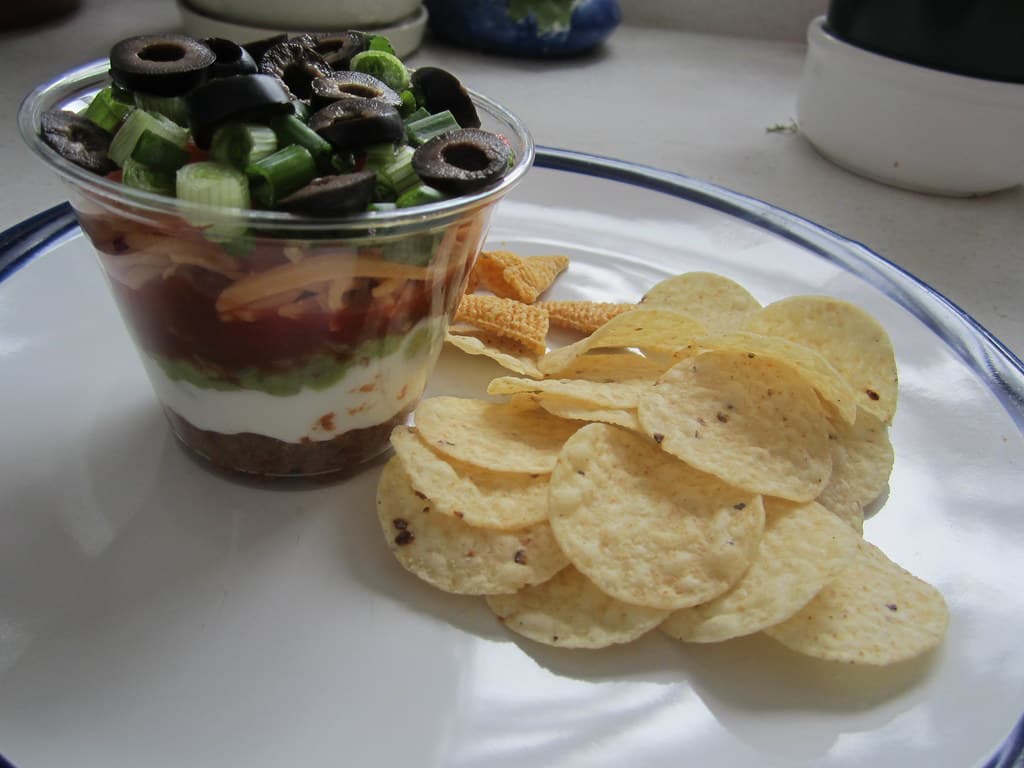
1900s-present
7-Layer Dip is a party dip with real American table personality: Tex-Mex party dish. It brings flavor from Texas and the Southwest to cookouts, counters, lunch plates, potlucks, and weeknight suppers.
Same table
America's Melting Pot
New Mexico Green Chile Stew photo coming soon
1800-1860
New Mexico Green Chile Stew is a traditional hearty stew made with pork, green chiles, potatoes, and spices, reflecting the culinary influences of Mexican-American and Southwestern cultures in the 19th century. It remains a popular regional comfort food known for its distinctive heat and flavor.
America's Melting Pot
Squirrel Stew photo coming soon
1700s-present
Squirrel stew is a rustic one-pot dish combining wild squirrel meat with vegetables and broth, common in late 18th century American cooking. It exemplifies use of game in colonial and revolutionary-era diets.
America's Melting Pot
Troop Ship Stew photo coming soon
1860s-1940s
Troop Ship Stew is a practical, hearty stew made from available ingredients to feed large groups during wartime deployments. Common in the U.S. military mess halls from the Great Depression through World War II, this stew reflects the resourceful, filling meals necessary for soldiers during challenging periods.