
Recipe archive
Loading
Setting the table...
Fetching the latest recipes from the archive.
Loading
Fetching the latest recipes from the archive.
Recipe archive
America's Melting Pot
Squirrel Stew hero image coming soon
1776-1800 - Colonial American and early United States households
Squirrel stew is a rustic one-pot dish combining wild squirrel meat with vegetables and broth, common in late 18th century American cooking. It exemplifies use of game in colonial and revolutionary-era diets.
No featured photo yet. Upload a photo with your review. The highest-rated community photo may become this recipe's hero image.
Difficulty
Medium
Prep time
20 minutes
Cook time
1 hour 15 minutes
Total time
1 hour 35 minutes
Servings
6
Region
Virginia, Kentucky, and Appalachian backcountry game kitchens
Era introduced
1776-1800
Introduced by
Colonial American and early United States households
Recipe tools
Log in to save this recipe to a collection.
Squirrel stew was a typical meal in American kitchens during the Revolutionary era (1776-1800), utilizing wild game that was readily available. Simmered with root vegetables and herbs, this stew provided nourishment and warmth to rural households. The recipe showcases early American reliance on hunting and seasonal produce for sustenance, blending European stew traditions with New World ingredients.
Share family changes, regional twists, or pantry-friendly adaptations as full community recipes.
Log in to submit a community recipe.
No community recipes yet. Submitted recipes are published right away.
Rate this recipe and share how it worked at your table.
Log in to review this recipe.
No reviews yet. Be the first to rate this recipe.
Recipes matched by era, region, occasion, ingredients, and cultural roots from the archive.
Same era
America's Melting Pot
Deviled Egg Filling photo coming soon
1700s-present
Deviled Egg Filling is a spread with real American table personality: Not exactly a sauce, but a condiment-like American picnic food. It brings flavor from coast-to-coast American tables to cookouts, counters, lunch plates, potlucks, and weeknight suppers.

1700s-1800s
Doughnuts are a beloved American breakfast and snack originating from various immigrant influences, consisting of fried dough rings or balls coated in sugar or glaze. The recipe has evolved over centuries and become a cross-era staple with numerous regional variations.
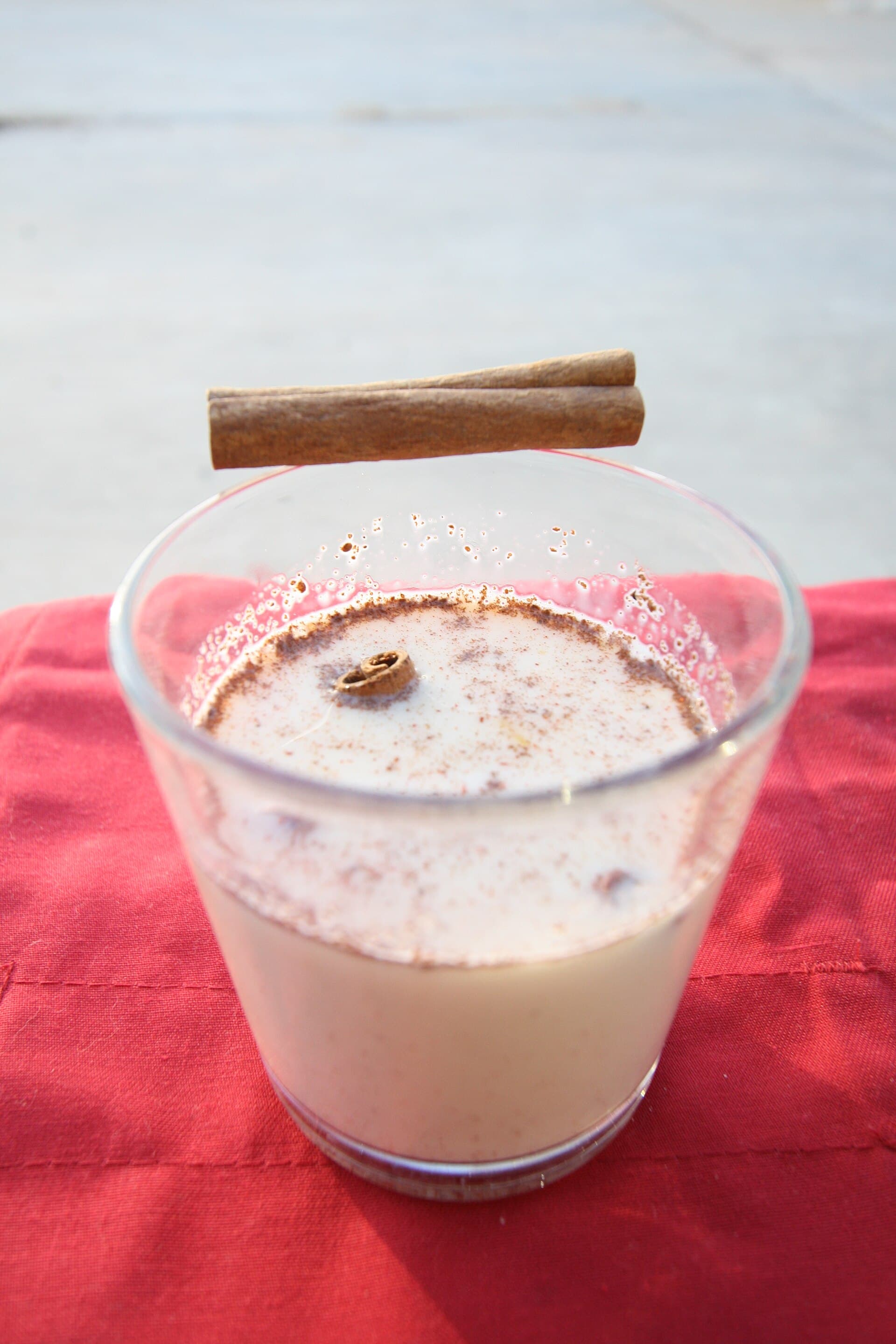
1700s-present
Eggnog is a rich, creamy holiday beverage made from milk or cream, beaten eggs, sugar, and often spiked with spirits such as brandy or rum. Served chilled, it is a festive treat deeply associated with Christmas celebrations across the United States, with colonial roots.
Same region
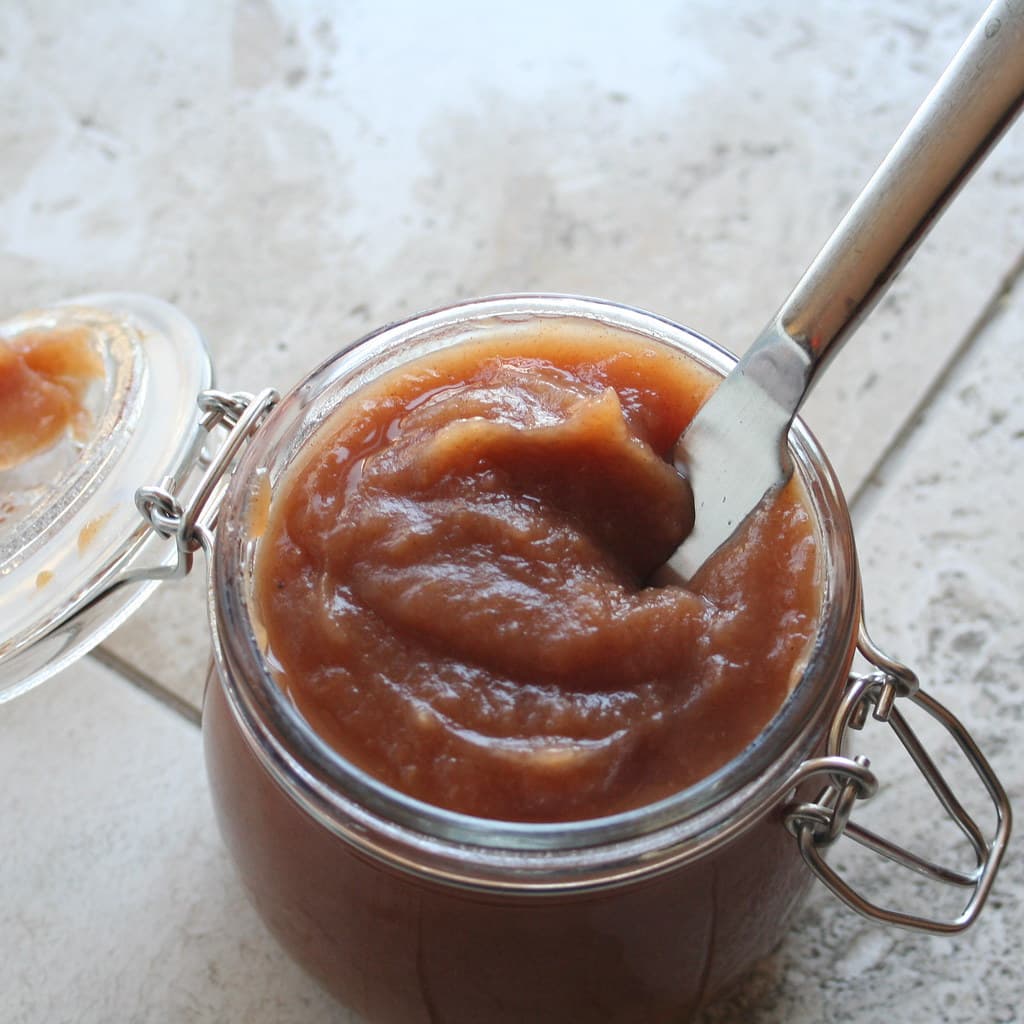
1700s-present
Apples cooked down with cider, sugar, and warm spices into a dark, spreadable fruit butter.
America's Melting Pot
Apple Butter on Biscuits photo coming soon
1700s-present
Warm buttermilk biscuits split and served with butter and spiced apple butter.
America's Melting Pot
Biscuits and Gravy photo coming soon
1800-2026
Biscuits and gravy grew from practical working food: cheap flour biscuits, pork drippings, milk, and enough richness to carry a hard morning. Modern sausage gravy is the familiar diner version, but older versions often used salt pork or any available pork fat.
Same table
America's Melting Pot
Green Chile Stew photo coming soon
1600s-present
Green Chile Stew is a traditional one-pot dish from the Southwest and South, combining local green chiles with meats and vegetables. Its history spans multiple eras and reflects a melding of Native American, Mexican, and Anglo culinary influences, helping define regional stew traditions.
America's Melting Pot
Venison Stew photo coming soon
1700s-present
A comforting stew featuring venison and root vegetables slowly simmered to tender perfection. Stewing was a common method in early America to maximize flavor and stretch limited game meat supplies.
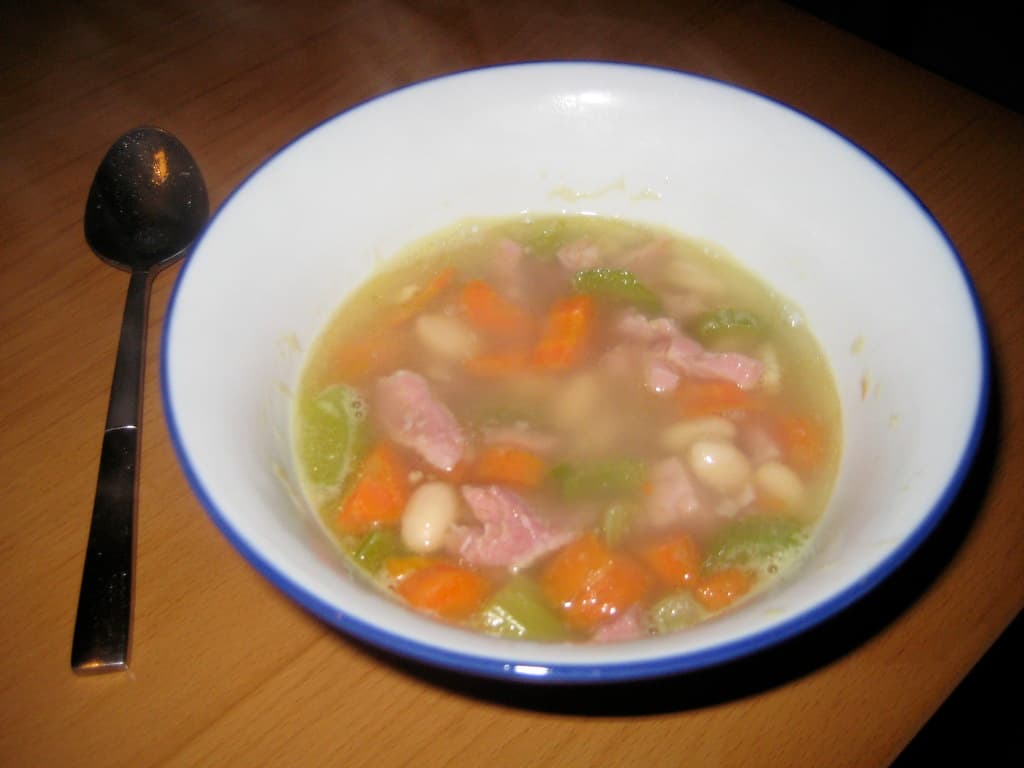
1800s-present
Ham and bean soup is a hearty, economical stew that sustained workers in American railroads, mining camps, and boardinghouses during the late 19th century. Utilizing leftover ham and dried beans, it embodies practical, resourceful cooking of the Reconstruction and settlement era.