
Recipe archive
Loading
Setting the table...
Fetching the latest recipes from the archive.
Loading
Fetching the latest recipes from the archive.
Recipe archive
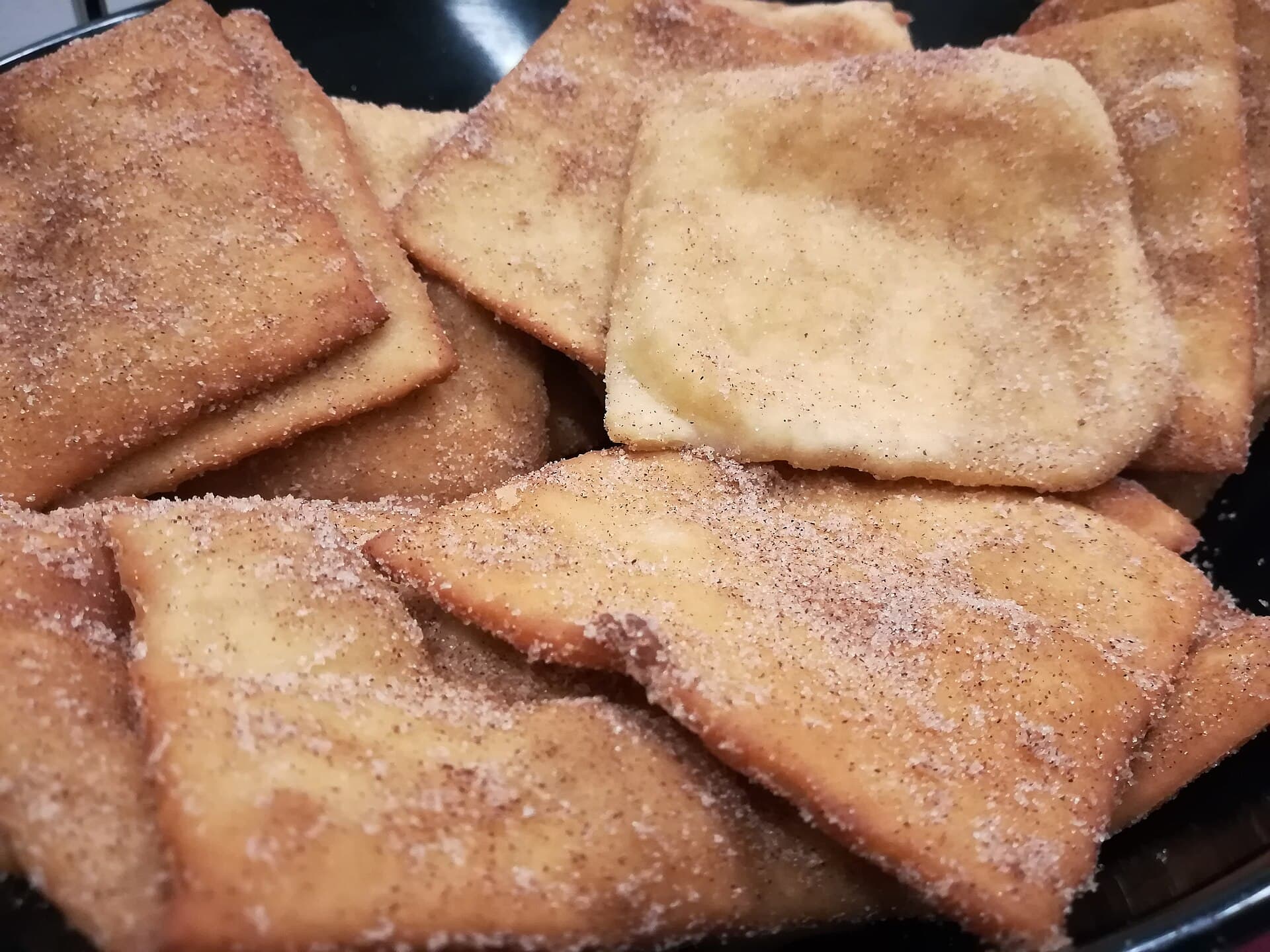
1800-1860 - Southwestern and Southern Hispanic and Native American communities
Sopapillas are puffy, fried dough pastries that puff up when cooked, creating a hollow interior perfect for stuffing or drizzling with honey. Enjoyed in Southwestern and Southern cuisines, they are versatile for savory or sweet preparations, reflecting cultural exchanges in these regions.
Community-powered photos. Reviewers can upload dish photos, and the highest-rated community image may be featured here.
Difficulty
Medium
Prep time
20 minutes
Cook time
10 minutes
Total time
30 minutes
Servings
6-8
Region
New Mexico
Era introduced
1800-1860
Introduced by
Southwestern and Southern Hispanic and Native American communities
Recipe tools
Log in to save this recipe to a collection.
Sopapillas have roots in Spanish colonial and Native American culinary traditions, evolving across Southwestern and Southern communities. Their characteristic puffiness and hollow center have allowed for diverse uses-either stuffed with savory fillings or enjoyed as sweet pastries topped with honey or sugar. They symbolize the blending of cultures and adaptation to local tastes during and after the 19th century in these regions.
Share family changes, regional twists, or pantry-friendly adaptations as full community recipes.
Log in to submit a community recipe.
No community recipes yet. Submitted recipes are published right away.
Rate this recipe and share how it worked at your table.
Log in to review this recipe.
No reviews yet. Be the first to rate this recipe.
Recipes matched by era, region, occasion, ingredients, and cultural roots from the archive.
Same era
America's Melting Pot
Acorn Bread photo coming soon
1800-1860
A nutty, lightly sweet quick bread made with properly leached acorn flour, cornmeal, and wheat flour.
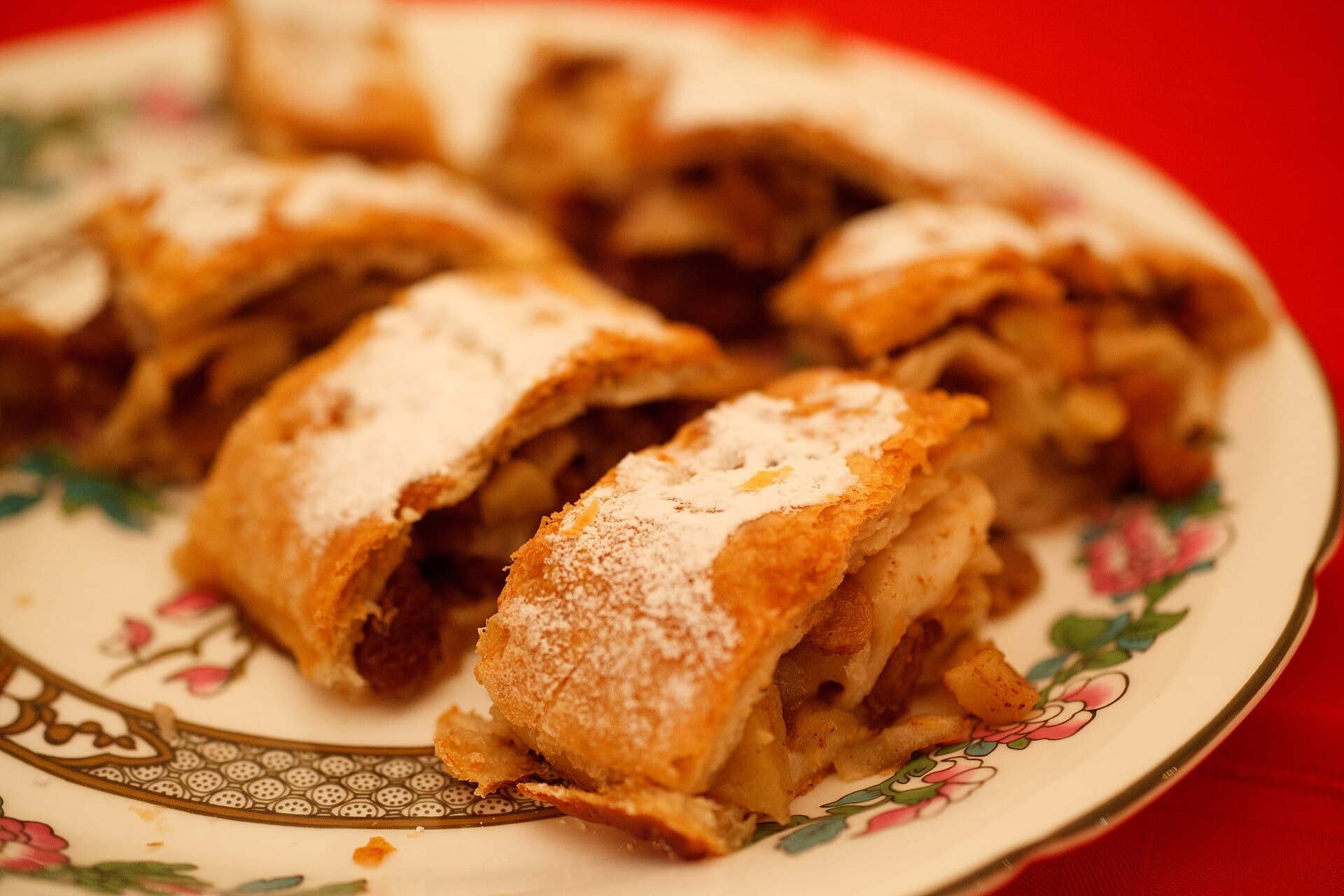
1800-1860
A German-American apple strudel made with crisp apples, raisins, cinnamon, buttered crumbs, and flaky phyllo for a practical home version of a Central European pastry.
America's Melting Pot
Asparagus photo coming soon
1800s/early 1900s-present
A bright American Easter asparagus side, quickly cooked and dressed with lemon butter, herbs, and hard-cooked egg in the spirit of old spring-table recipes.
Same region
America's Melting Pot
Green Chile Stew photo coming soon
1600s-present
Green Chile Stew is a traditional one-pot dish from the Southwest and South, combining local green chiles with meats and vegetables. Its history spans multiple eras and reflects a melding of Native American, Mexican, and Anglo culinary influences, helping define regional stew traditions.
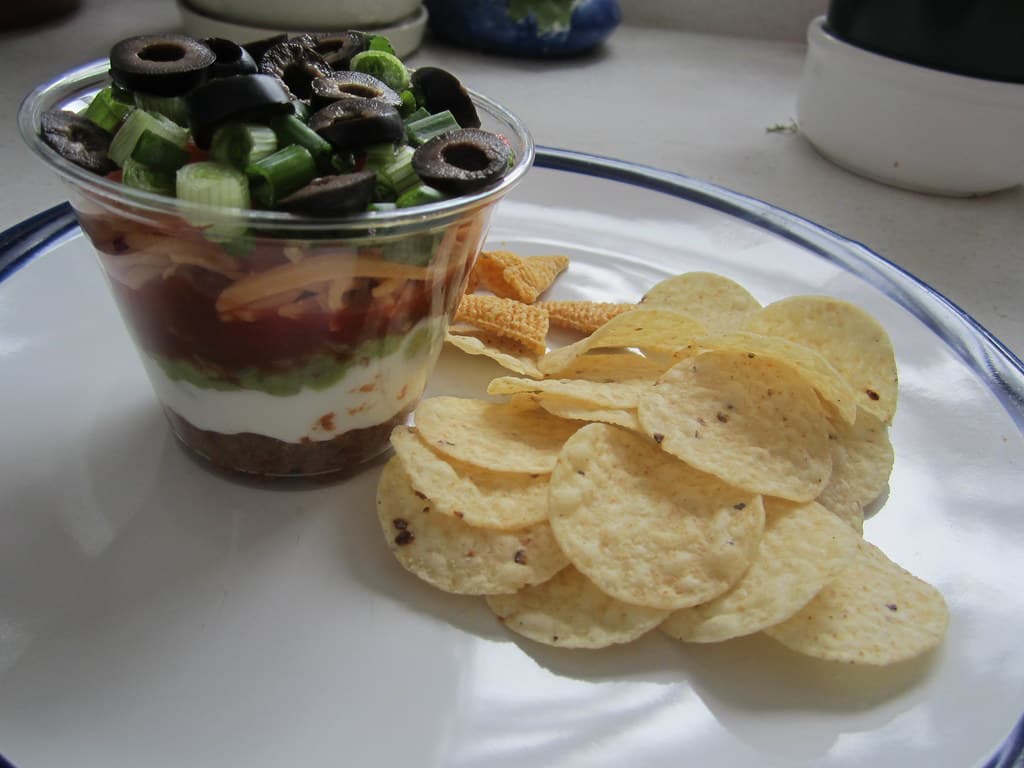
1900s-present
7-Layer Dip is a party dip with real American table personality: Tex-Mex party dish. It brings flavor from Texas and the Southwest to cookouts, counters, lunch plates, potlucks, and weeknight suppers.
America's Melting Pot
American Cocktail Sauce photo coming soon
1900s-present
American Cocktail Sauce is a seafood sauce with real American table personality: Ketchup/chili sauce plus horseradish; shrimp cocktail, oysters, crab claws. It brings flavor from Texas and the Southwest to cookouts, counters, lunch plates, potlucks, and weeknight suppers.
Same table
America's Melting Pot
Crumbl-Style Cookies photo coming soon
2017-present
Crumbl-Style Cookies are soft-centered, thick cookies popularized by the Crumbl cookie chain, featuring a variety of rotating flavors but united by a chewy, buttery texture. These bakery-inspired cookies capture recent American dessert trends emphasizing shareability and novelty.
America's Melting Pot
Pudding Cups photo coming soon
1968-present
Pudding Cups are simple, individually served creamy desserts popular in American lunchboxes and casual dining from the post-war era, embodying convenience and childhood nostalgia.
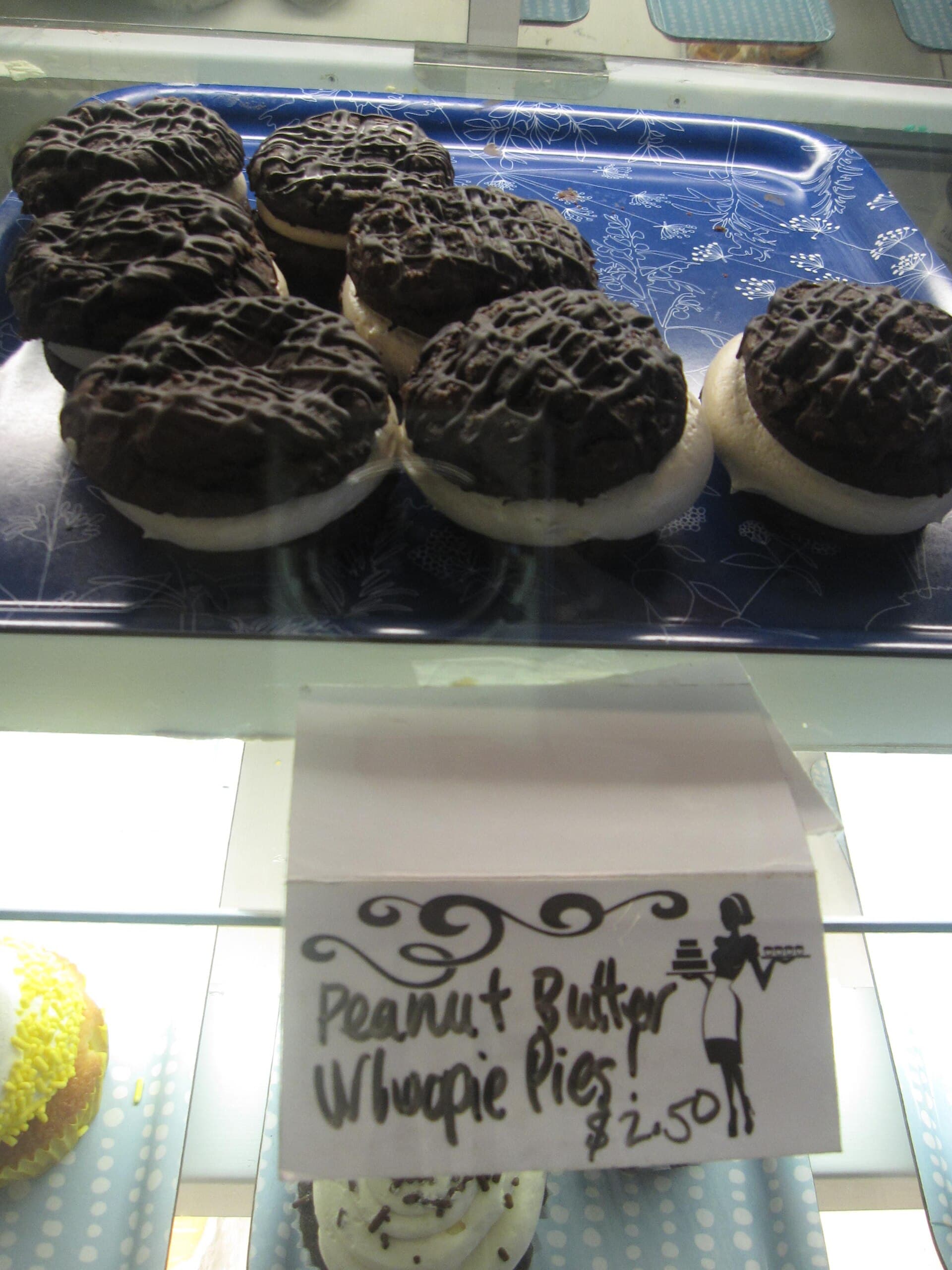
1920s-present
Whoopie Pies are traditional New England treats featuring two soft chocolate or cake-like cookies sandwiching a fluffy sweet cream filling. Popular across generations, these desserts are a regional icon representing Northeastern American baking traditions.