
Recipe archive
Loading
Setting the table...
Fetching the latest recipes from the archive.
Loading
Fetching the latest recipes from the archive.
Recipe archive
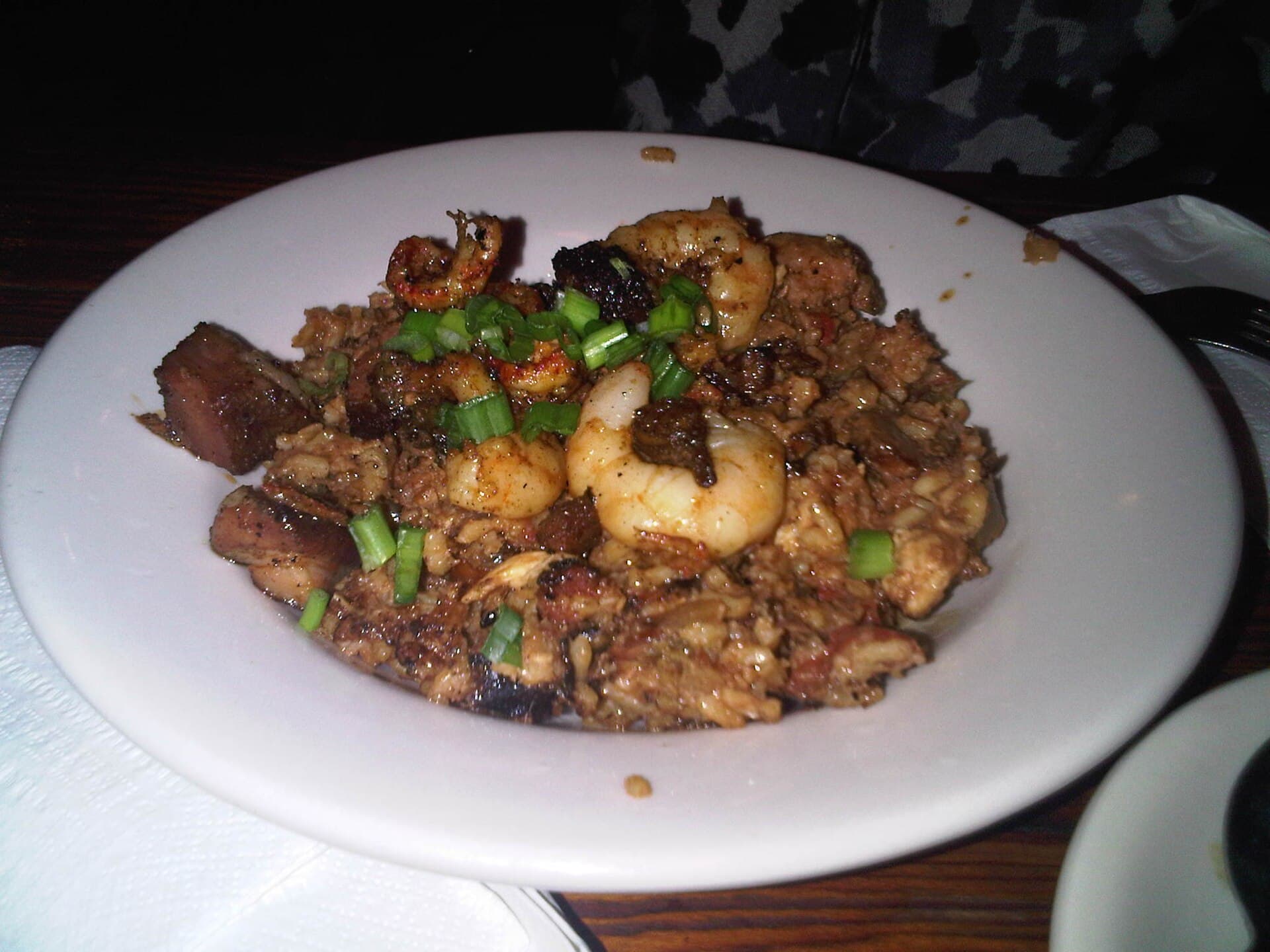
1800-1860 - Louisiana Creole Home Cooks and Community Kitchens
Jambalaya is a flavorful, hearty rice dish originating in Louisiana, blending Spanish, French, and Creole culinary influences. Traditionally made with meats such as sausage, chicken, and seafood, along with the "holy trinity" of Creole vegetables-onions, celery, and bell pepper-this dish reflects the cultural melting pot of the American South during the early 19th century.
Community-powered photos. Reviewers can upload dish photos, and the highest-rated community image may be featured here.
Difficulty
Medium
Prep time
20 minutes
Cook time
1 hour
Total time
1 hour 20 minutes
Servings
6
Region
South
Era introduced
1800-1860
Introduced by
Louisiana Creole Home Cooks and Community Kitchens
Recipe tools
Log in to save this recipe to a collection.
Jambalaya emerged in Louisiana between 1800 and 1860 as French, Spanish, and African American culinary traditions converged. This dish embodies the resourceful use of local ingredients-rice, smoked sausage, chicken, and seafood-combined in a single pot, making it a staple of Creole home cooking and community gatherings. It reflects the diverse heritage of the South and the cultural fusion that defines much of American cuisine.
Share family changes, regional twists, or pantry-friendly adaptations as full community recipes.
Log in to submit a community recipe.
No community recipes yet. Submitted recipes are published right away.
Rate this recipe and share how it worked at your table.
Log in to review this recipe.
No reviews yet. Be the first to rate this recipe.
Recipes matched by era, region, occasion, ingredients, and cultural roots from the archive.
Same era
America's Melting Pot
Acorn Bread photo coming soon
1800-1860
A nutty, lightly sweet quick bread made with properly leached acorn flour, cornmeal, and wheat flour.
1800-1860
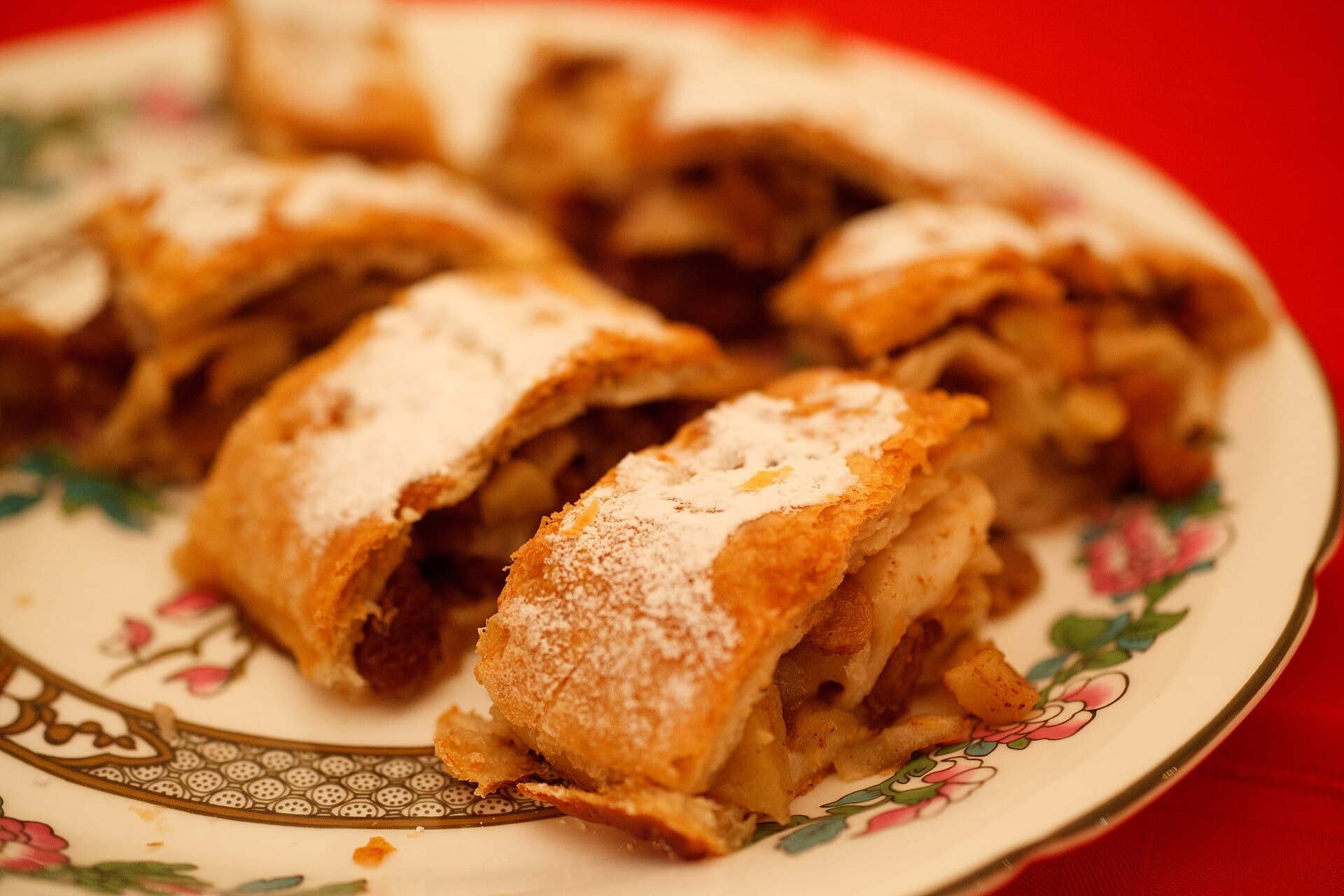
A German-American apple strudel made with crisp apples, raisins, cinnamon, buttered crumbs, and flaky phyllo for a practical home version of a Central European pastry.
America's Melting Pot
Asparagus photo coming soon
1800s/early 1900s-present
A bright American Easter asparagus side, quickly cooked and dressed with lemon butter, herbs, and hard-cooked egg in the spirit of old spring-table recipes.
Same region
1800-1860
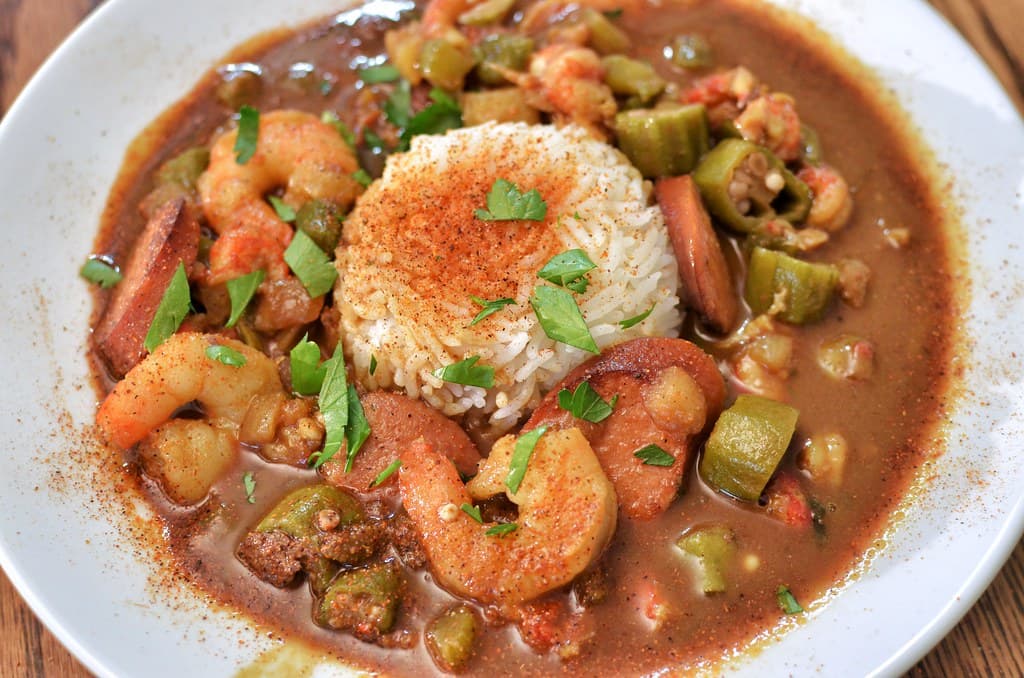
Gumbo is a renowned stew from Louisiana, combining West African, French Creole, and Native American culinary traditions. Dating between 1800 and 1860, gumbo integrates local seafood, sausage, and the 'holy trinity' of vegetables into a thickened, flavorful stew emblematic of Southern and Creole identity.
America's Melting Pot
Gumbo Z'Herbes photo coming soon
1970-1989
Gumbo Z'Herbes is a green vegetable variation of traditional gumbo favored in Louisiana, especially during the 1970s-1980s. It is a hearty stew of assorted greens and herbs, often served during festive events and tailgate gatherings reflecting regional pride and culinary diversity.
1800-1860
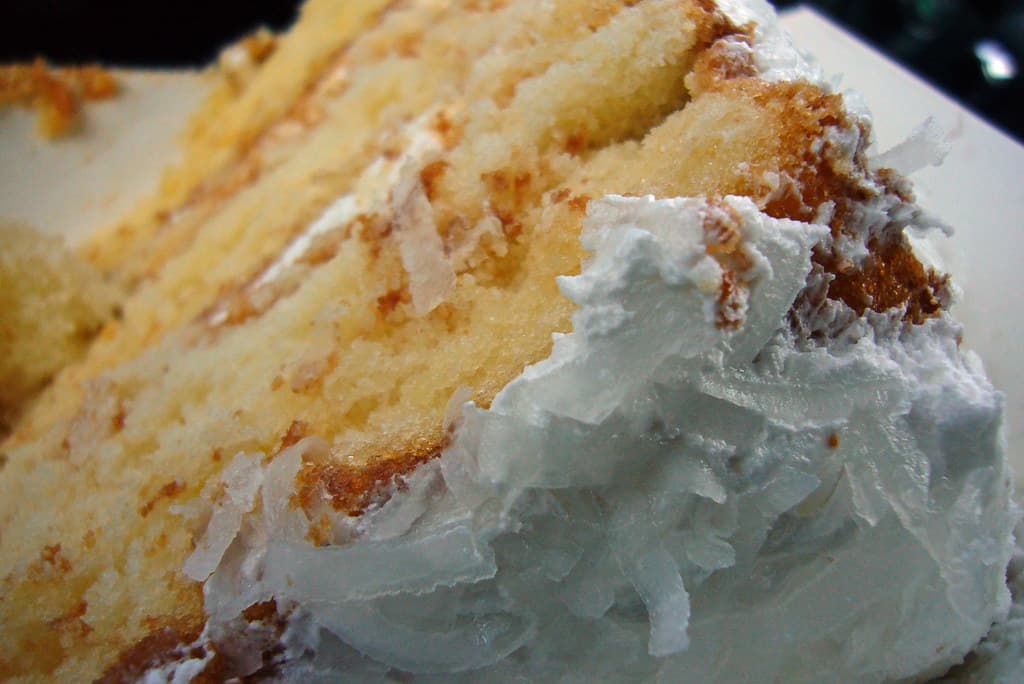
Coconut Cake is a beloved Southern dessert featuring moist layers of vanilla or yellow cake frosted with rich coconut-flavored icing and topped with shredded coconut. Dating back to early 19th-century Southern United States, it gained particular popularity in holiday and Easter celebrations, reflecting the region's fondness for coconut and festive cakes between 1800 and 1860.
Same table
1800-1860
Gumbo is a renowned stew from Louisiana, combining West African, French Creole, and Native American culinary traditions. Dating between 1800 and 1860, gumbo integrates local seafood, sausage, and the 'holy trinity' of vegetables into a thickened, flavorful stew emblematic of Southern and Creole identity.
America's Melting Pot
Country Ham photo coming soon
1800-1860
Country ham is a dry-cured, aged ham typical of Southern United States foodways dating back to the early 19th century. It is preserved with salt and aging, resulting in a salty, flavorful meat served in traditional Southern meals.
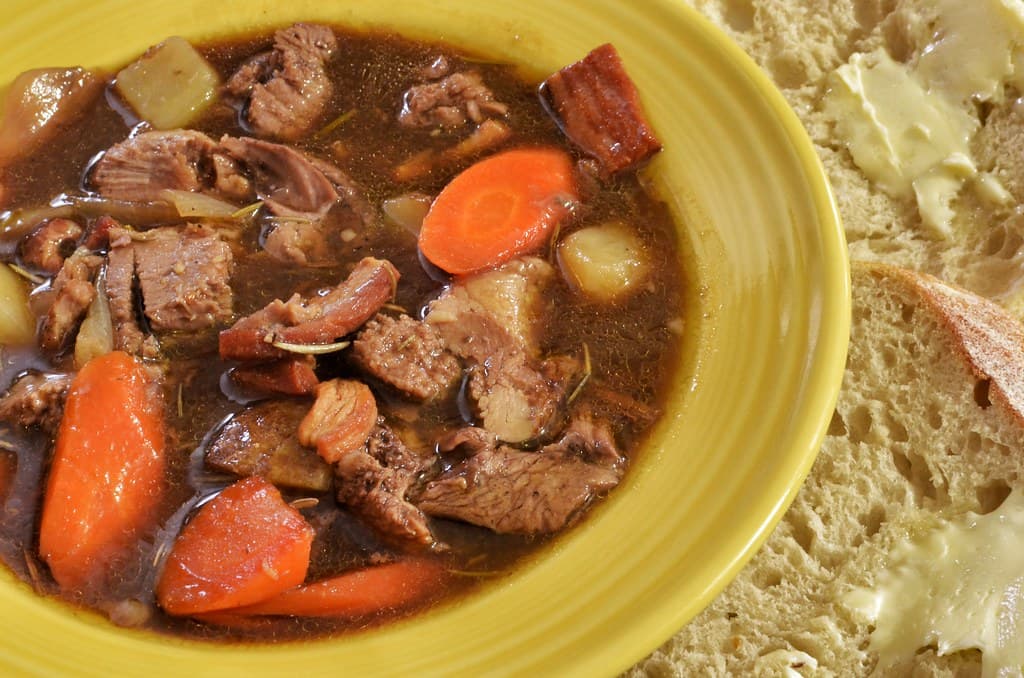
1840s-present
Lamb stew is a savory dish featuring tender lamb pieces simmered with root vegetables and herbs. Irish immigrants brought such recipes to the United States during the early 19th century, adapting them to American ingredients. The stew reflects sustenance cooking suited to family gatherings and everyday meals in immigrant households.