
Recipe archive
Loading
Setting the table...
Fetching the latest recipes from the archive.
Loading
Fetching the latest recipes from the archive.
Recipe archive
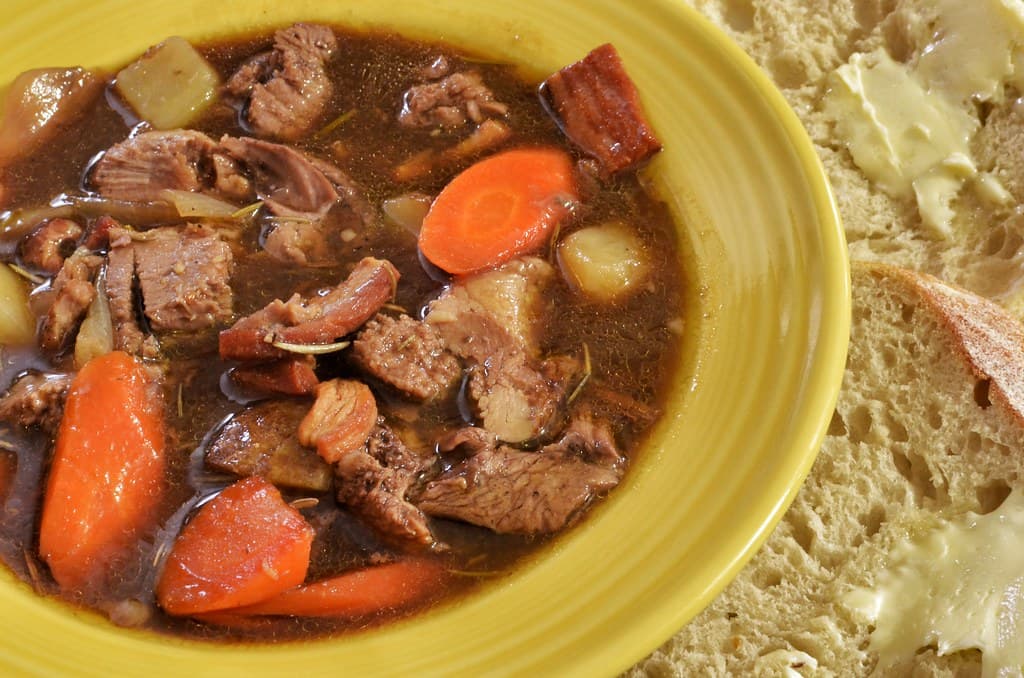
1800-1860 - Irish-American immigrant families in the United States.
Lamb stew is a savory dish featuring tender lamb pieces simmered with root vegetables and herbs. Irish immigrants brought such recipes to the United States during the early 19th century, adapting them to American ingredients. The stew reflects sustenance cooking suited to family gatherings and everyday meals in immigrant households.
Community-powered photos. Reviewers can upload dish photos, and the highest-rated community image may be featured here.
Difficulty
Easy
Prep time
20 minutes
Cook time
2 hours
Total time
2 hours 20 minutes
Servings
6 servings
Region
New York and Boston Irish immigrant home kitchens
Era introduced
1800-1860
Introduced by
Irish-American immigrant families in the United States.
Recipe tools
Log in to save this recipe to a collection.
Irish immigrants settling in the United States during the 1800-1860 period brought with them recipes for lamb stew-a practical and hearty meal reflecting their rural roots. Using available American vegetables and lamb, families adapted this dish for comfort and sustenance during colder months. Lamb stew exemplifies immigrant ingenuity in maintaining food traditions amid new surroundings.
Share family changes, regional twists, or pantry-friendly adaptations as full community recipes.
Log in to submit a community recipe.
No community recipes yet. Submitted recipes are published right away.
Rate this recipe and share how it worked at your table.
Log in to review this recipe.
No reviews yet. Be the first to rate this recipe.
Recipes matched by era, region, occasion, ingredients, and cultural roots from the archive.
Same era
America's Melting Pot
Acorn Bread photo coming soon
1800-1860
A nutty, lightly sweet quick bread made with properly leached acorn flour, cornmeal, and wheat flour.
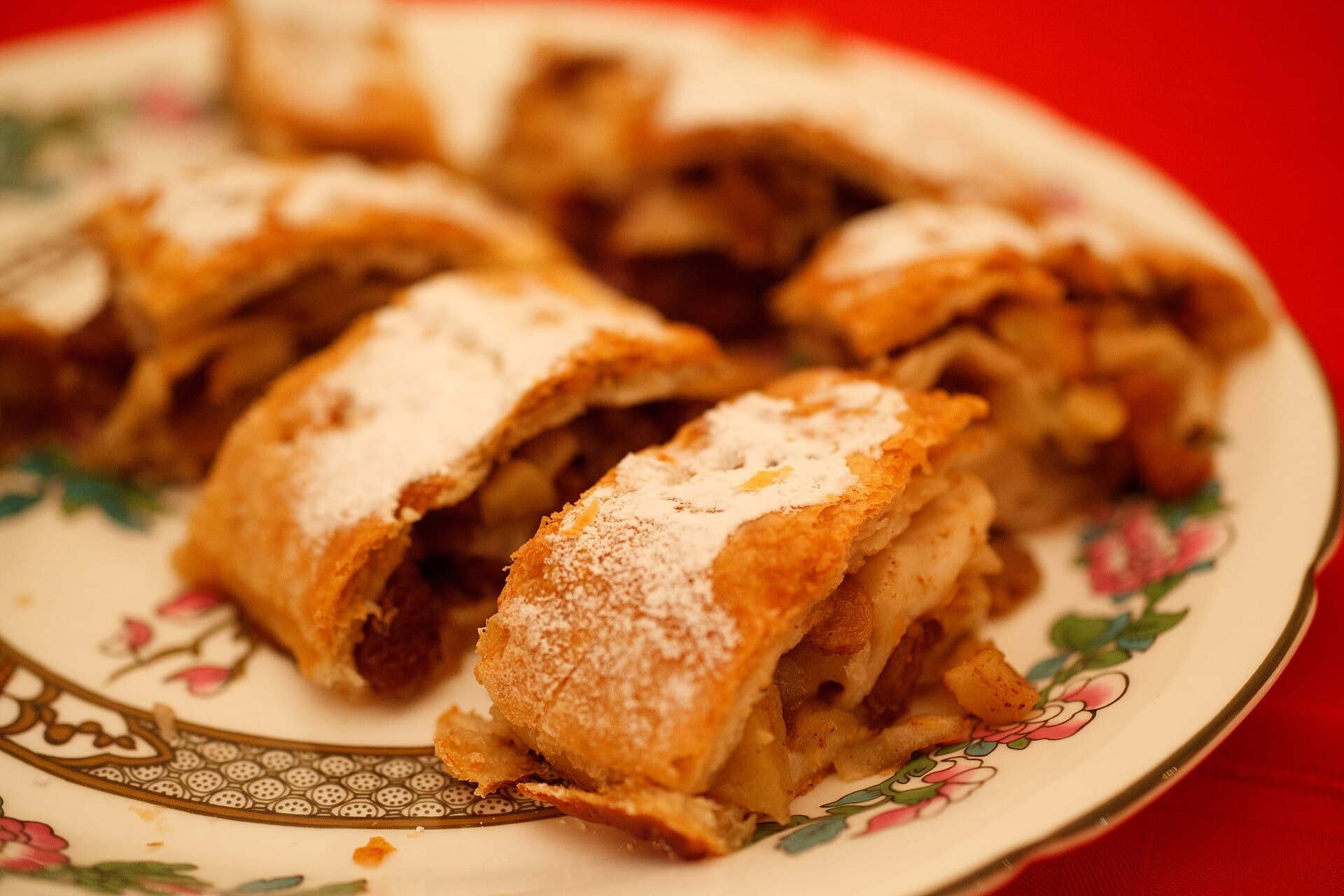
1800-1860
A German-American apple strudel made with crisp apples, raisins, cinnamon, buttered crumbs, and flaky phyllo for a practical home version of a Central European pastry.
America's Melting Pot
Asparagus photo coming soon
1800s/early 1900s-present
A bright American Easter asparagus side, quickly cooked and dressed with lemon butter, herbs, and hard-cooked egg in the spirit of old spring-table recipes.
Same region
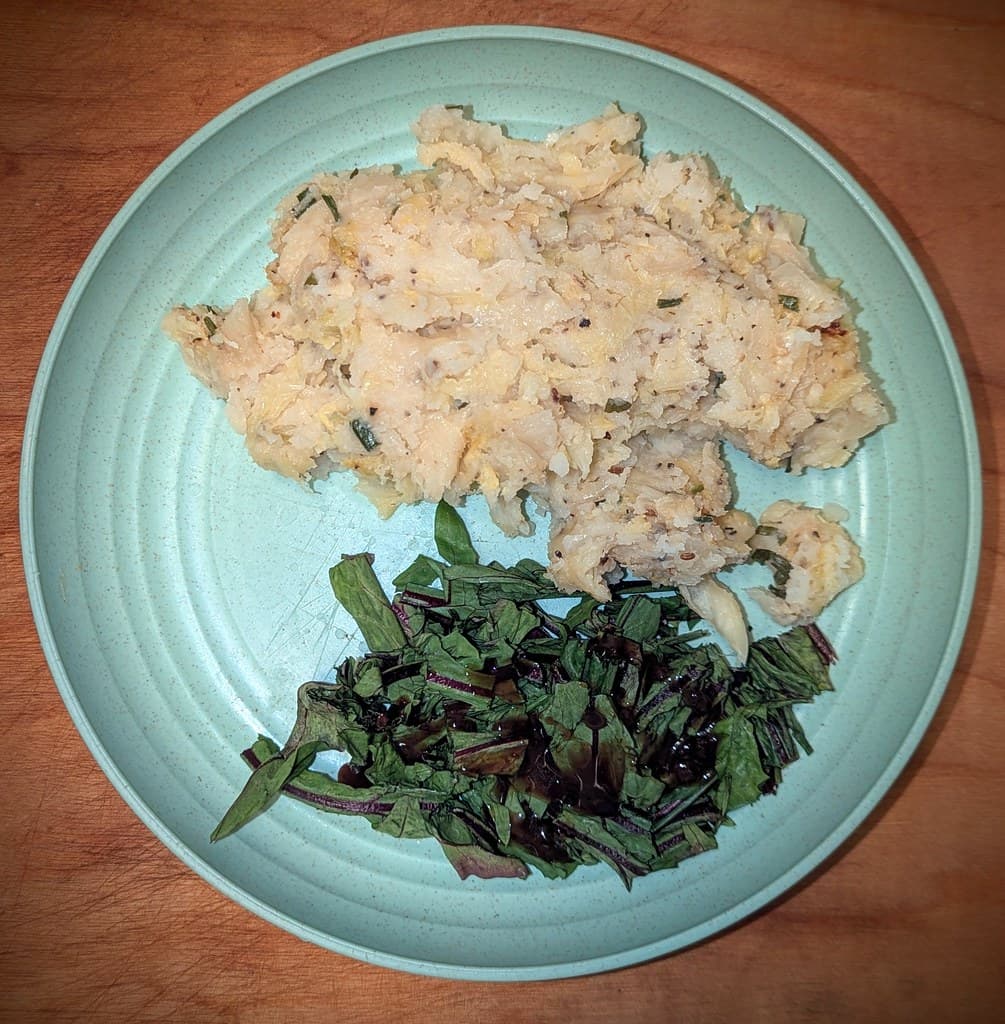
1840s-present
Colcannon is a hearty Irish-American side dish blending mashed potatoes with cabbage or kale, butter, and scallions. Popular among Irish immigrants in the United States during the 19th century, it reflects adaptations of traditional Irish cooking to available American ingredients. This rustic dish remains a comforting staple in Irish-American households and celebrations.
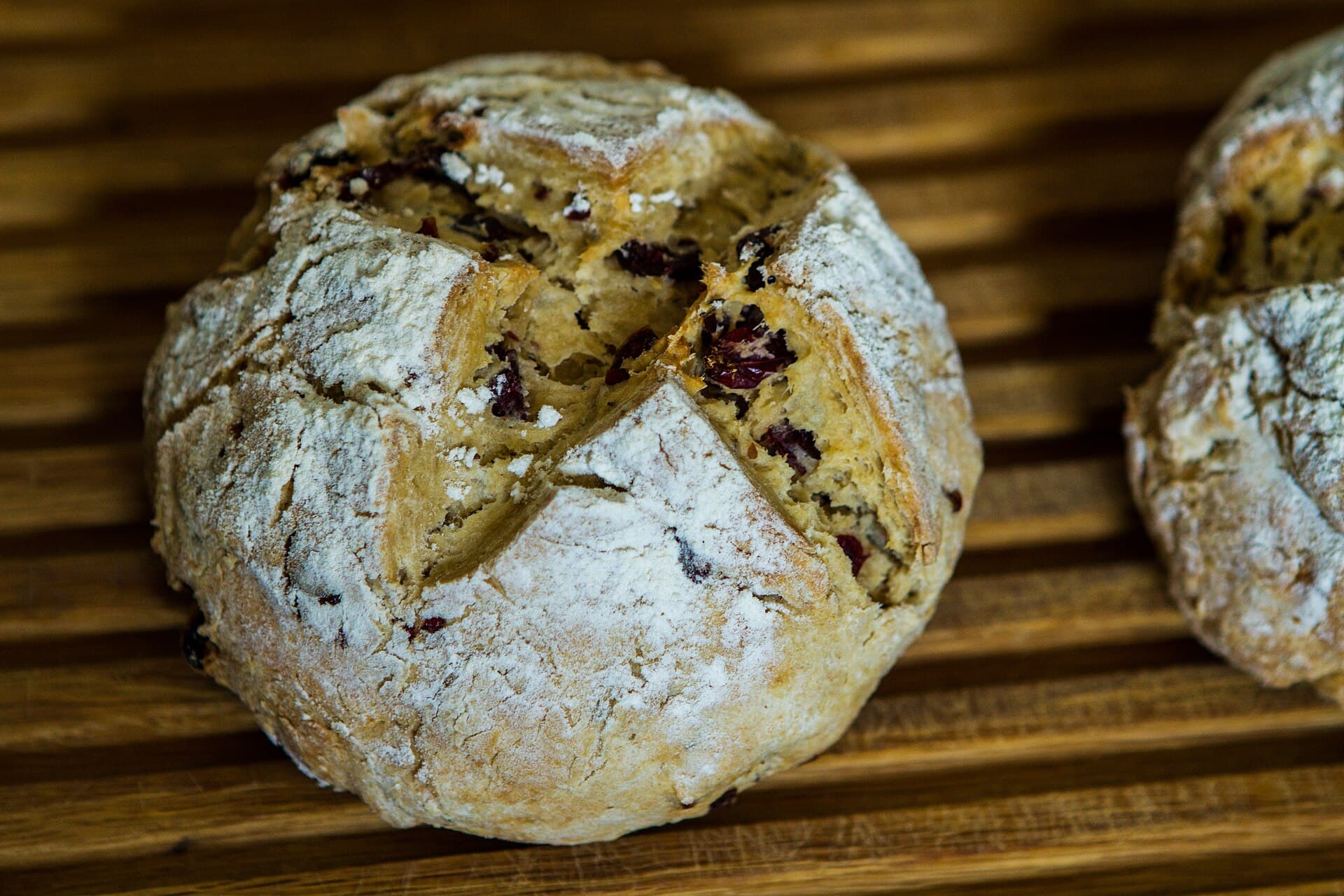
1840s-present
This Irish soda bread recipe uses baking soda as a leavening agent, reflecting a practical bread-making tradition brought by Irish immigrants to America in the 19th century, adapted for home kitchens today.
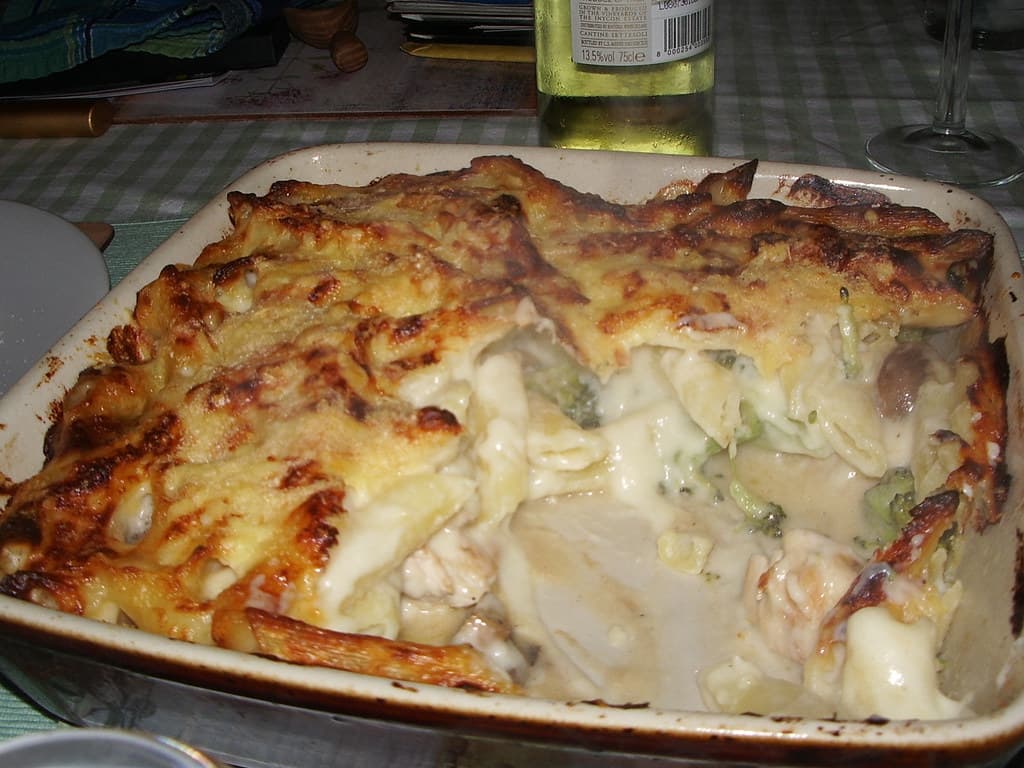
1840s-present
Fish Pie combines cooked fish and creamy sauce topped with mashed potatoes, baked into a savory pie. Brought by Irish immigrants to America during the 19th century, it represents adaptation of traditional Irish comfort foods using available seafood and pantry staples.
Same table
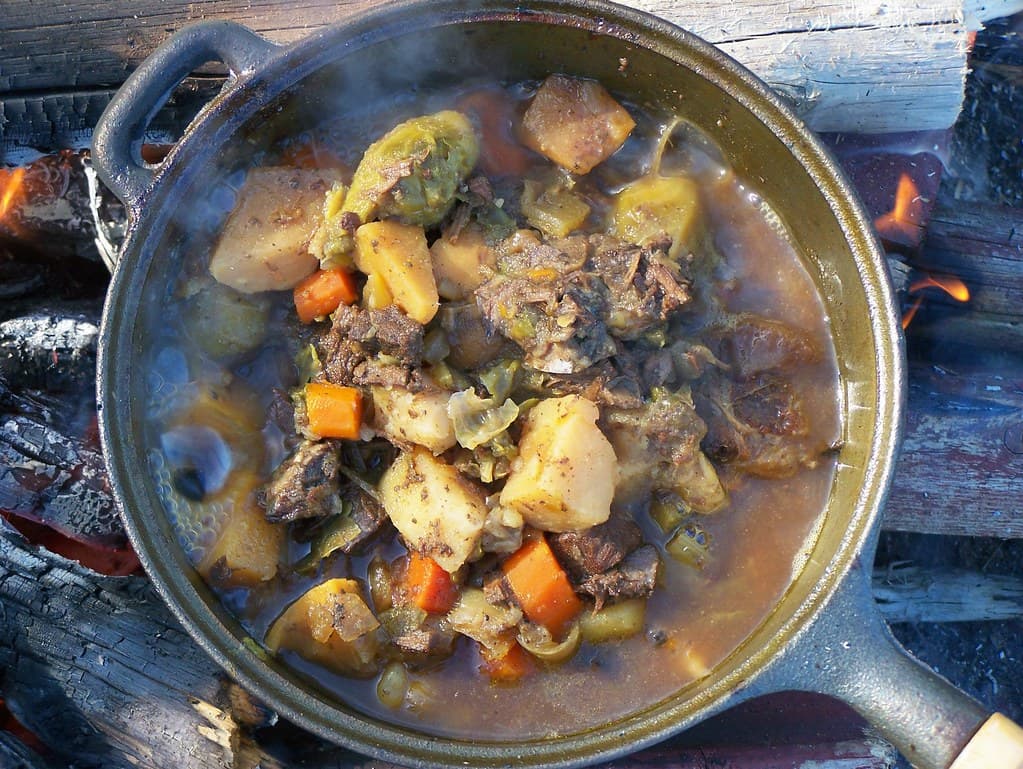
precontact-present
Moose Stew is a nourishing, slow-cooked stew featuring moose meat and root vegetables, traditional in Alaska's hunting and subsistence cultures. Its preparation embraces rustic methods suited to remote environments, offering warmth and sustenance year-round. This dish represents Alaska's regional food heritage and resourceful use of local wildlife across eras.
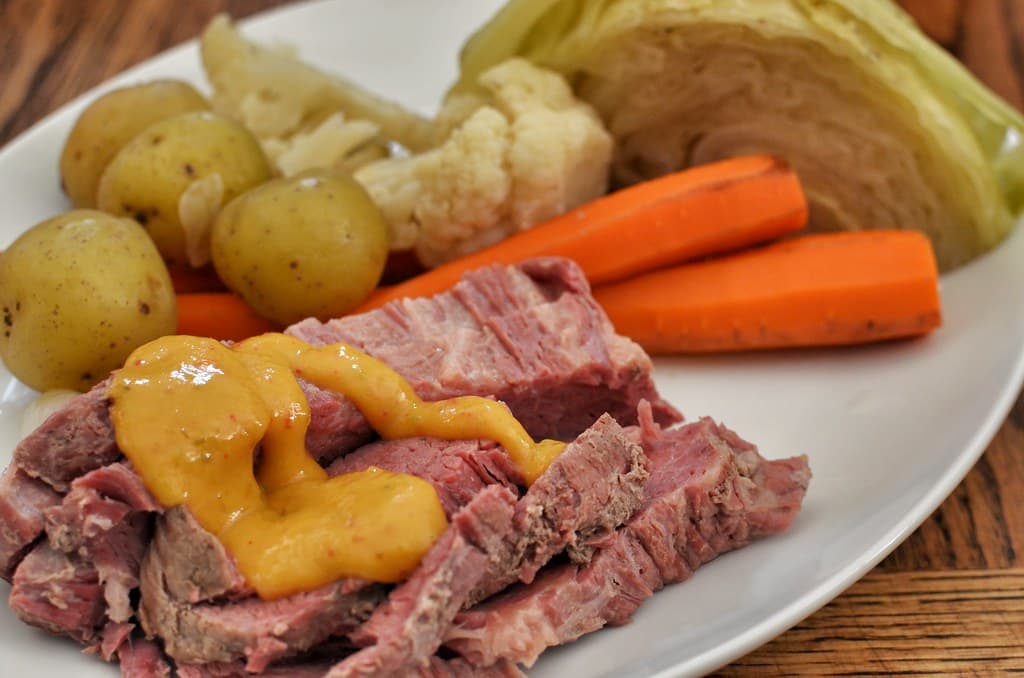
1800s-present
Corned beef and cabbage is a staple Irish-American dish popularized in the United States during the early 19th century, especially among immigrant communities.
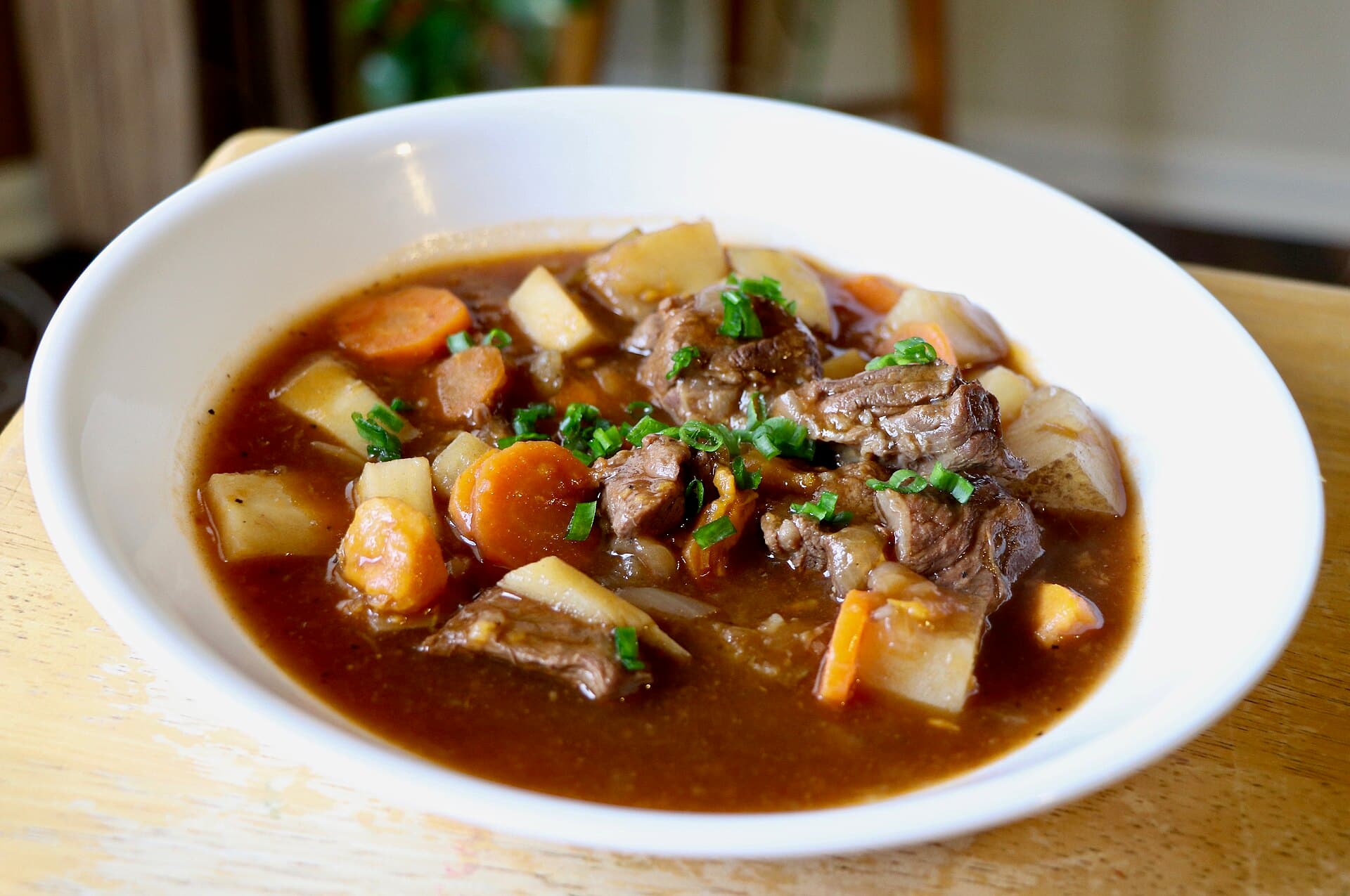
1800-2026
Beef stew is old-world pot cooking adapted to American beef country, boardinghouses, and family kitchens. Browning the meat, simmering it gently, and adding vegetables in stages turns inexpensive chuck into a cold-weather meal.