
Recipe archive
Loading
Setting the table...
Fetching the latest recipes from the archive.
Loading
Fetching the latest recipes from the archive.
Recipe archive
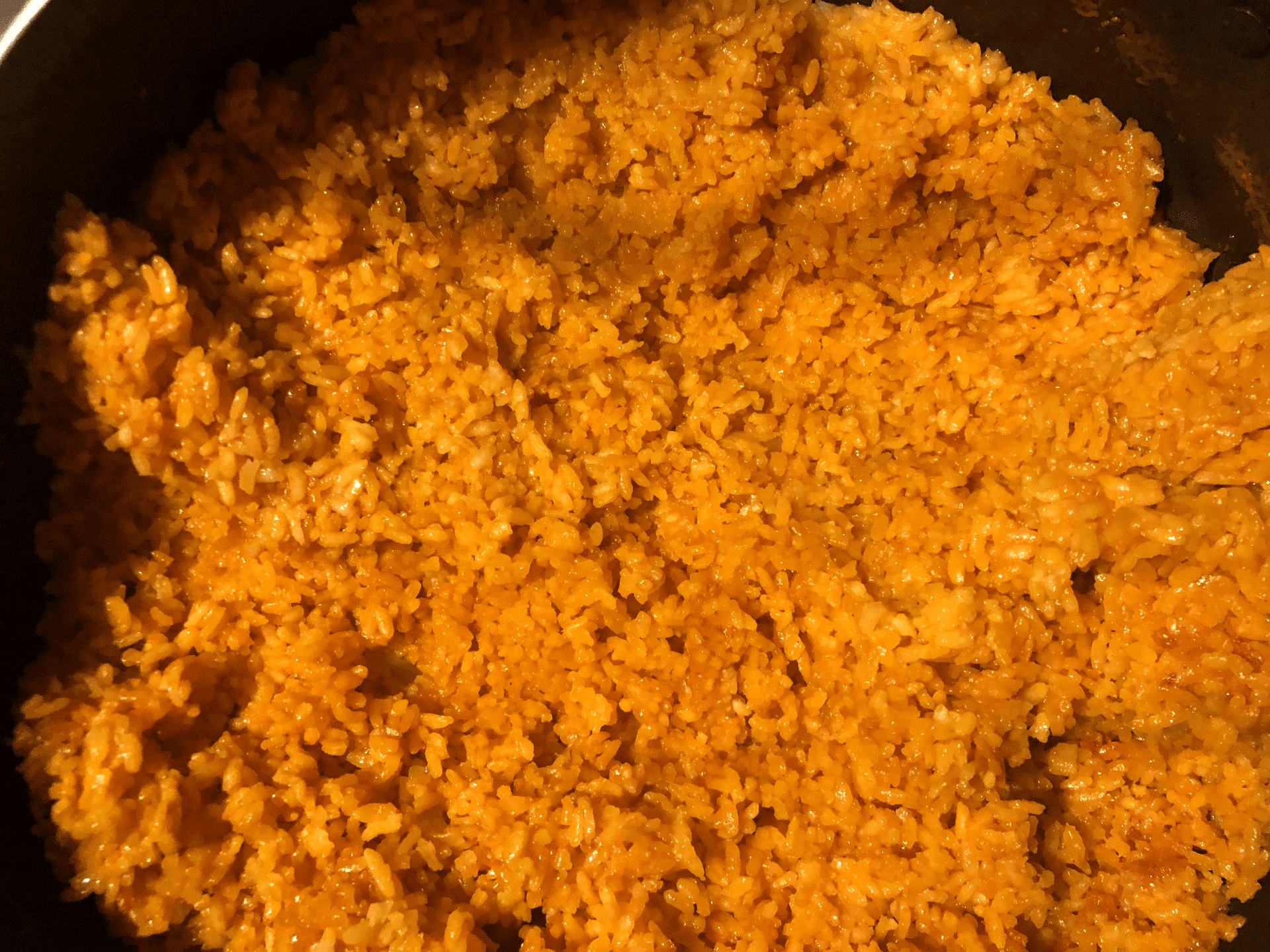
1800-1860 - Puerto Rican, Chamorro, Filipino-American, and Virgin Islands Communities
Red Rice is a colorful, savory rice dish cooked with tomatoes, seasonings, and broth, common in Southern and U.S. territories' cuisines. It reflects the culinary blending of Puerto Rican, Chamorro, Filipino-American, and Virgin Islands food traditions during the early 19th century expansion and immigration period.
Community-powered photos. Reviewers can upload dish photos, and the highest-rated community image may be featured here.
Difficulty
Medium
Prep time
15 minutes
Cook time
45 minutes
Total time
1 hour
Servings
6
Region
South, Territories and Island America
Era introduced
1800-1860
Introduced by
Puerto Rican, Chamorro, Filipino-American, and Virgin Islands Communities
Recipe tools
Log in to save this recipe to a collection.
Between 1800 and 1860, migration and expansion shaped the culinary landscape of Southern U.S. and island territories like Puerto Rico and the Virgin Islands. This red rice dish blends influences from diverse cultures, preparing rice with tomato sauce, aromatic vegetables, and broth. Variations arose in different communities, symbolizing shared culinary heritage across distant places and the importance of rice as a staple food in regional diets.
Share family changes, regional twists, or pantry-friendly adaptations as full community recipes.
Log in to submit a community recipe.
No community recipes yet. Submitted recipes are published right away.
Rate this recipe and share how it worked at your table.
Log in to review this recipe.
No reviews yet. Be the first to rate this recipe.
Recipes matched by era, region, occasion, ingredients, and cultural roots from the archive.
Same era
America's Melting Pot
Acorn Bread photo coming soon
1800-1860
A nutty, lightly sweet quick bread made with properly leached acorn flour, cornmeal, and wheat flour.
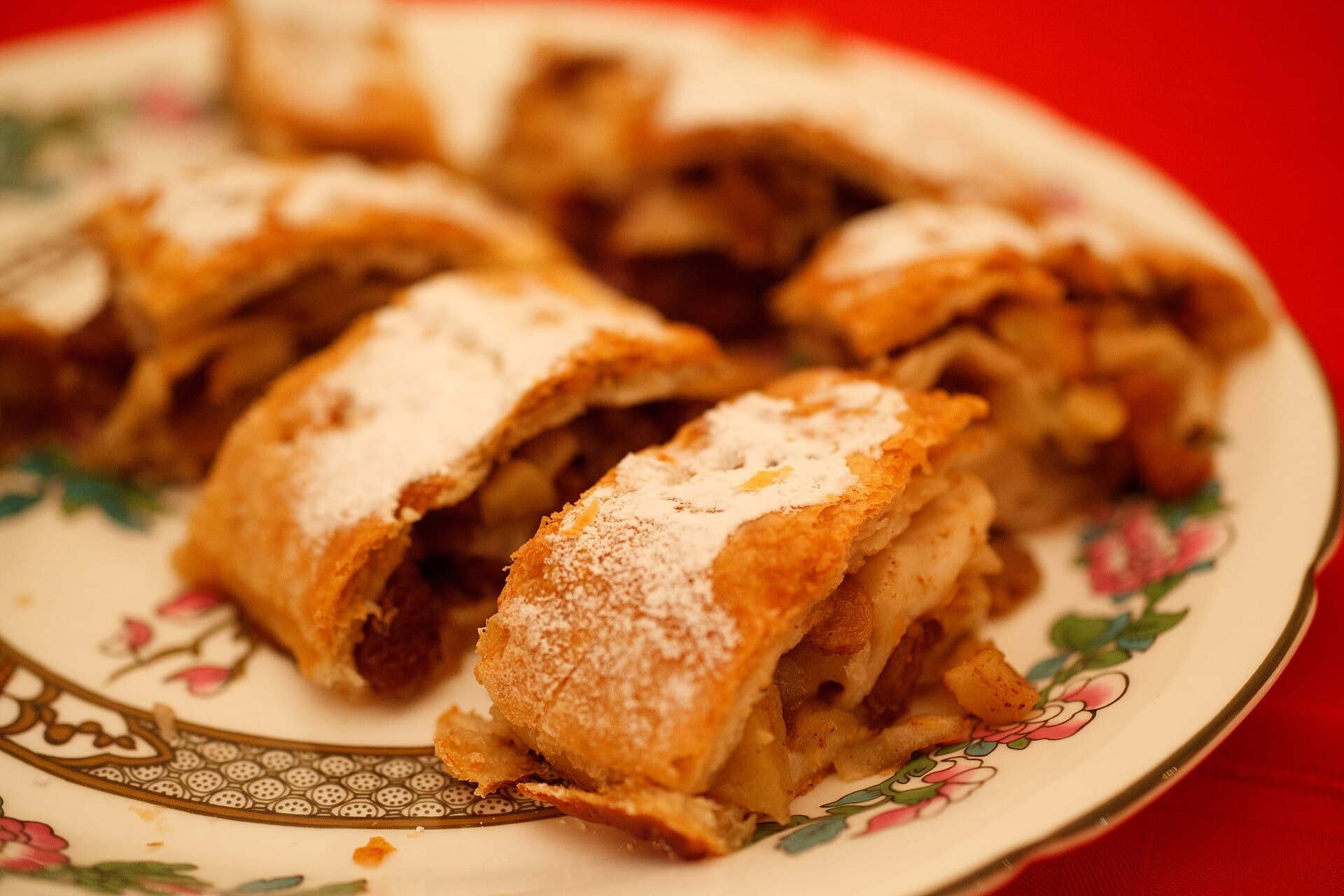
1800-1860
A German-American apple strudel made with crisp apples, raisins, cinnamon, buttered crumbs, and flaky phyllo for a practical home version of a Central European pastry.
America's Melting Pot
Asparagus photo coming soon
1800s/early 1900s-present
A bright American Easter asparagus side, quickly cooked and dressed with lemon butter, herbs, and hard-cooked egg in the spirit of old spring-table recipes.
Same region
America's Melting Pot
Ambrosia photo coming soon
Late 1800s-present
A simple old-fashioned ambrosia of oranges, pineapple, coconut, and a little sugar, chilled until juicy.
America's Melting Pot
Cajun Boil Butter photo coming soon
1900s-present
Cajun Boil Butter is a spread with real American table personality: Gulf Coast seafood boil table sauce. It brings flavor from the American South to cookouts, counters, lunch plates, potlucks, and weeknight suppers.
America's Melting Pot
Canned Oyster Stew photo coming soon
1860-2026
Oyster stew has long been part of American coastal, holiday, and Lenten cooking. Canned oysters made the dish possible far from oyster beds and useful for military, railroad, boardinghouse, and pantry meals.
Same table
America's Melting Pot
Swiss Steak Casserole photo coming soon
1946-1969
Swiss steak casserole is a comforting American casserole popular in the Midwest during postwar suburban expansion. Featuring tenderized beef cooked in tomatoes and baked with toppings, it became common in home kitchens, reflecting convenience and frugality of the era.
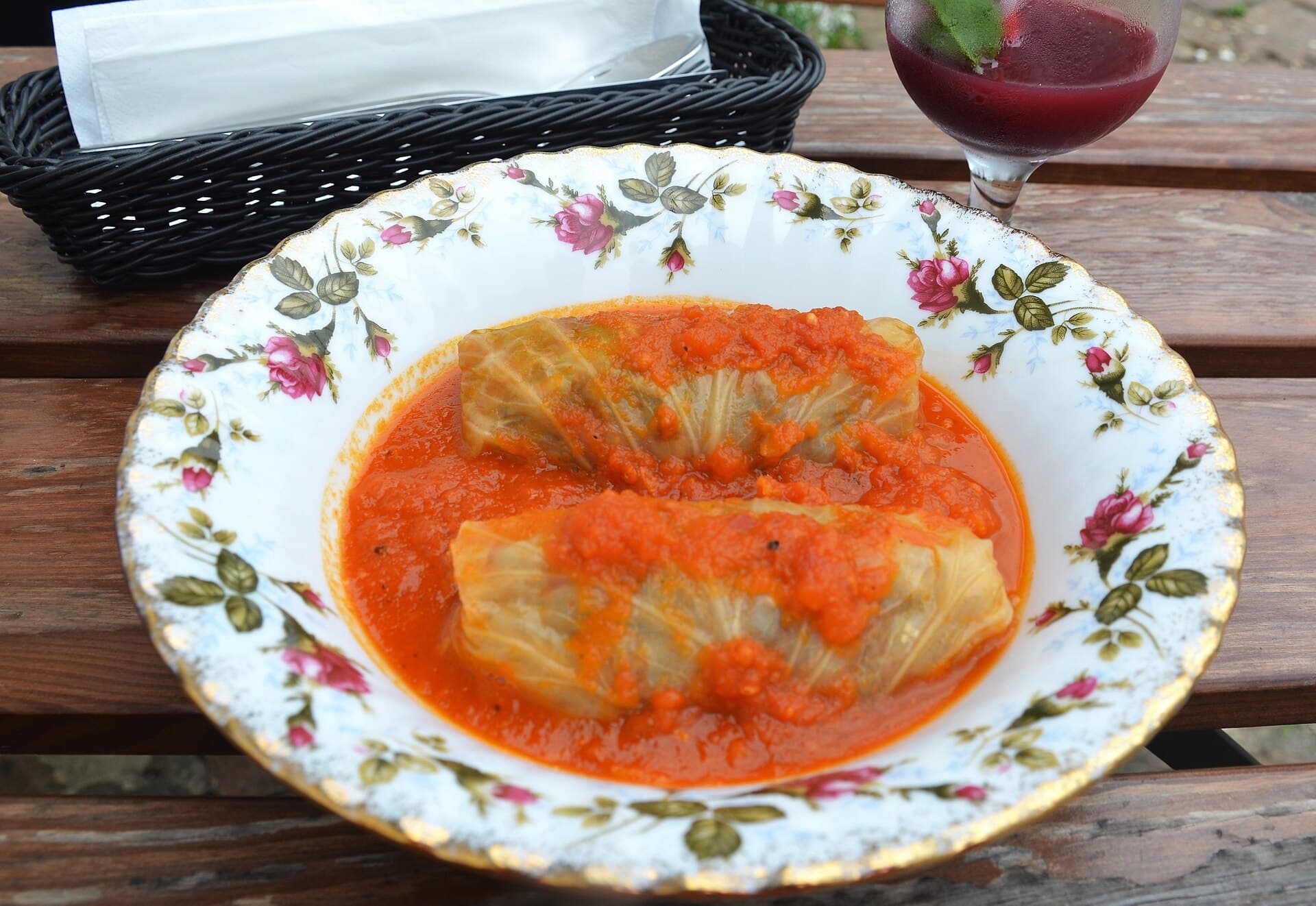
1880s-present
Stuffed cabbage is a beloved dish among Polish, Czech, Slovak, and Eastern European immigrants to America in the early 20th century. Cabbage leaves are filled with a mixture of ground meat, rice, and seasonings, then simmered in a tangy tomato sauce, commonly served at state fairs, diners, and holiday tables.
America's Melting Pot
Porcupine Meatballs photo coming soon
1946-1969
Porcupine Meatballs are a Midwestern casserole dish featuring ground beef meatballs studded with uncooked rice, simmered in a tangy tomato sauce. Popular in America's postwar suburbs from 1946 to 1969, they embody practical comfort food of the era.