
Recipe archive
Loading
Setting the table...
Fetching the latest recipes from the archive.
Loading
Fetching the latest recipes from the archive.
Recipe archive
America's Melting Pot
Leather Britches Beans hero image coming soon
1800-1860 - Appalachian and frontier American settlers in the early 19th century.
Leather Britches Beans are dried beans soaked and slow-cooked until tender, a staple in Appalachian and frontier American diets. Dating from the early 19th century, this simple yet hearty side dish reflects the resourcefulness of settlers and mountain communities using preserved legumes and basic seasonings.
No featured photo yet. Upload a photo with your review. The highest-rated community photo may become this recipe's hero image.
Difficulty
Easy
Prep time
12 hours (soaking)
Cook time
3 hours
Total time
15 hours
Servings
6 servings
Region
Appalachia
Era introduced
1800-1860
Introduced by
Appalachian and frontier American settlers in the early 19th century.
Recipe tools
Log in to save this recipe to a collection.
Emerging from Appalachian and frontier cooking traditions in the early 1800s, Leather Britches Beans are dried beans slowly cooked after soaking to provide sustenance throughout the year. Often seasoned with fatback or bacon and simple aromatics, this dish exemplifies frontier resourcefulness and simplicity, remaining a regional favorite side dish in Appalachian households.
Share family changes, regional twists, or pantry-friendly adaptations as full community recipes.
Log in to submit a community recipe.
No community recipes yet. Submitted recipes are published right away.
Rate this recipe and share how it worked at your table.
Log in to review this recipe.
No reviews yet. Be the first to rate this recipe.
Recipes matched by era, region, occasion, ingredients, and cultural roots from the archive.
Same era
America's Melting Pot
Acorn Bread photo coming soon
1800-1860
A nutty, lightly sweet quick bread made with properly leached acorn flour, cornmeal, and wheat flour.
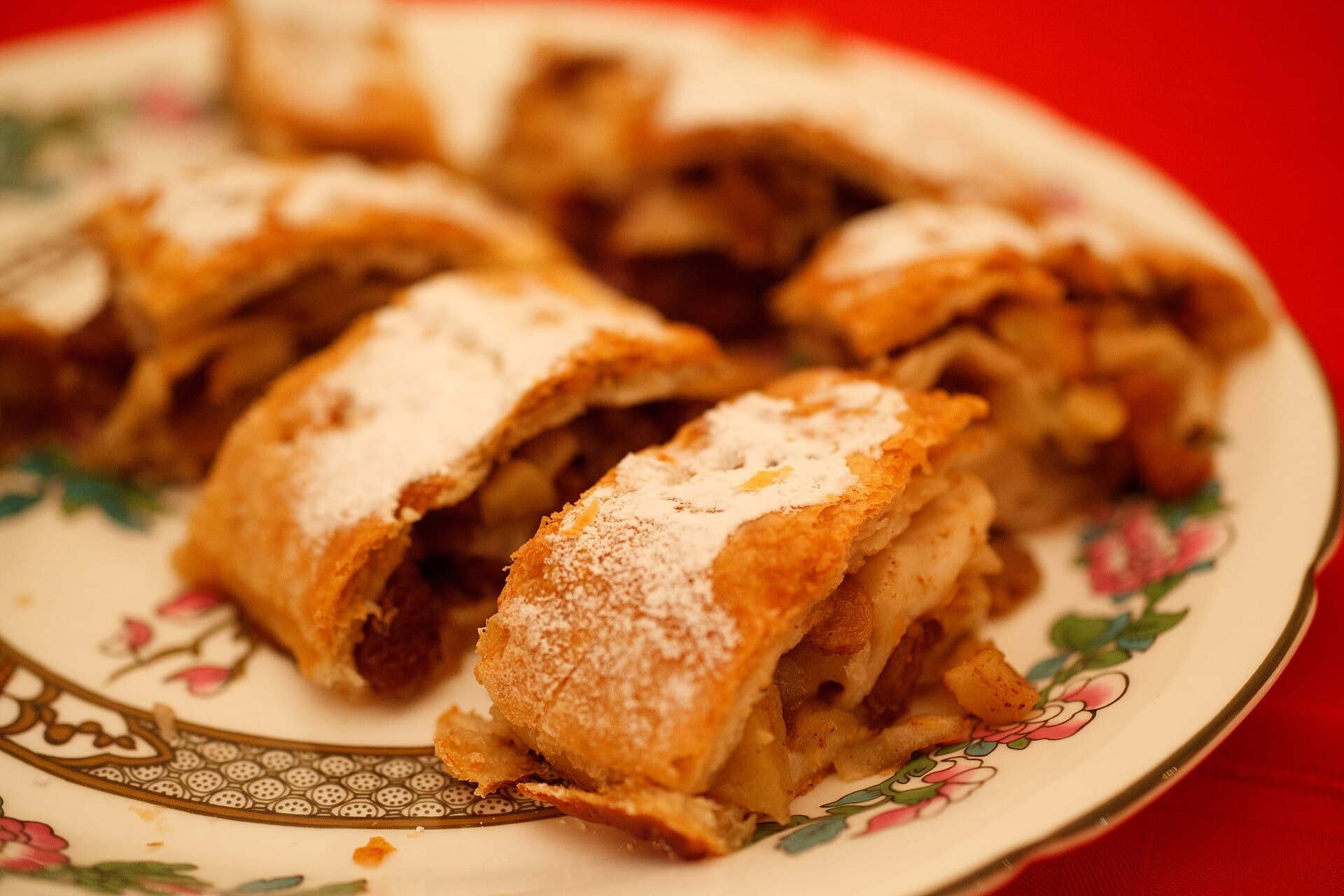
1800-1860
A German-American apple strudel made with crisp apples, raisins, cinnamon, buttered crumbs, and flaky phyllo for a practical home version of a Central European pastry.
America's Melting Pot
Asparagus photo coming soon
1800s/early 1900s-present
A bright American Easter asparagus side, quickly cooked and dressed with lemon butter, herbs, and hard-cooked egg in the spirit of old spring-table recipes.
Same region
America's Melting Pot
Cornbread and Milk photo coming soon
1800-1860
Cornbread and milk represent a modest, nourishing staple from Appalachian frontier kitchens between 1800 and 1860. This pairing reflects the daily diets of settlers who relied on readily available cornmeal and dairy.
America's Melting Pot
Cornmeal Mush photo coming soon
1800-1860
Cornmeal mush is a soft, cooked porridge made from cornmeal boiled in water or milk, often served sliced and fried or with syrup, common in Appalachian diets before and through the Civil War.
America's Melting Pot
Country Sausage photo coming soon
1800-1860
A simple, flavorful country-style pork sausage widely made in Appalachian and frontier communities during the early 19th century. This sausage uses traditional seasoning and curing techniques for a hearty, rustic sausage link.
Same table
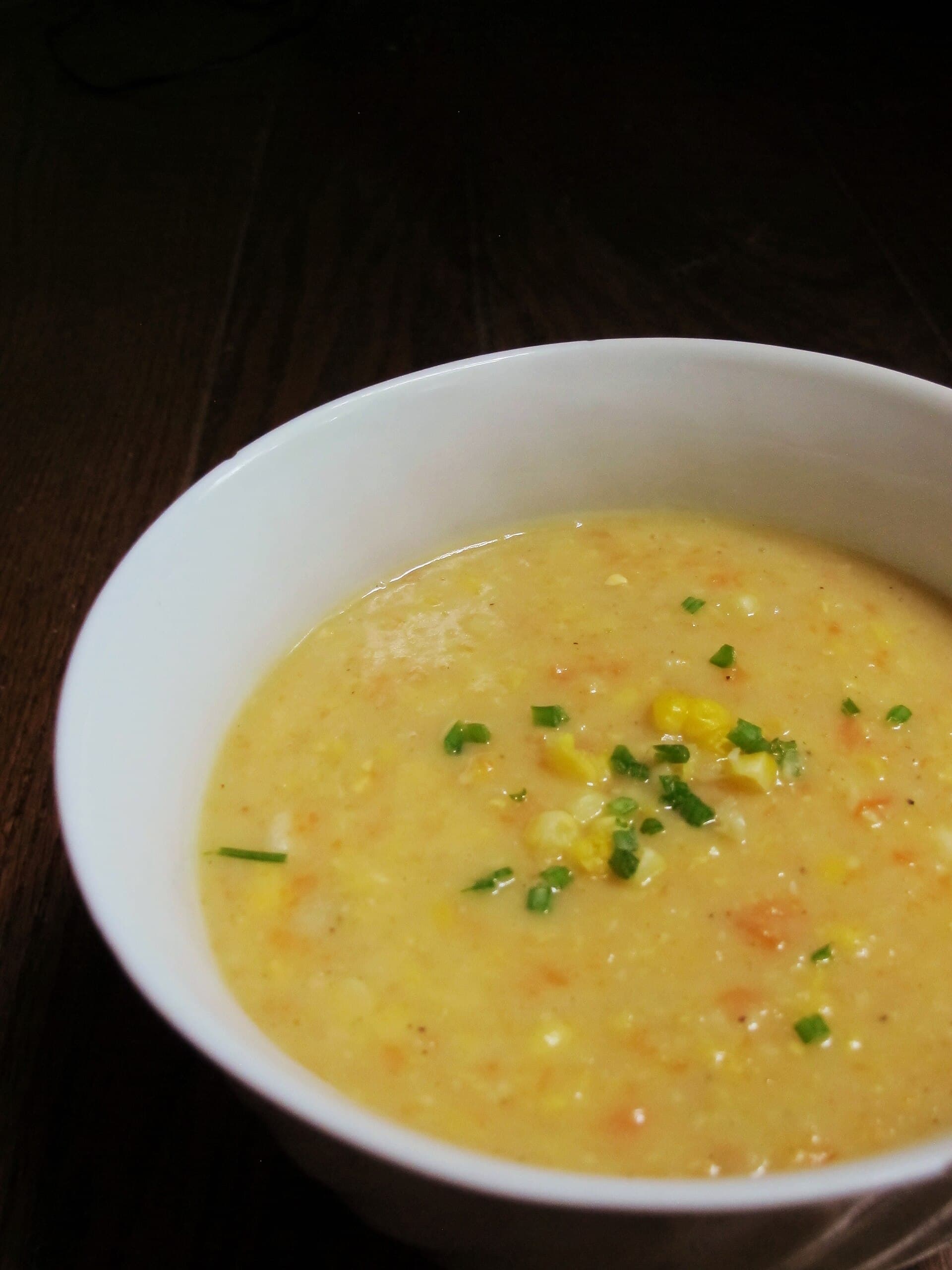
1700s-present
Corn chowder is a creamy and filling soup showcasing fresh or canned corn with potatoes, onions, and occasionally bacon or salt pork, enjoyed across the United States over multiple eras.
America's Melting Pot
Egg Noodles photo coming soon
1800s-present
Egg noodles are thin, flat pasta made with flour and eggs, common in various American and immigrant cuisines. During the Depression and Dust Bowl, egg noodles were easy to prepare and adaptable to many meals, from soups to casseroles, featuring prominently in farm and wartime kitchens.
America's Melting Pot
Cabbage and Bacon photo coming soon
1800-2026
Cabbage and bacon points back to Irish bacon-and-cabbage traditions more directly than corned beef and cabbage does. Irish American cooks adapted the pairing with the bacon available in American markets, turning it into a quick skillet or boiled side.