
Recipe archive
Loading
Setting the table...
Fetching the latest recipes from the archive.
Loading
Fetching the latest recipes from the archive.
Recipe archive
America's Melting Pot
Malt-O-Meal hero image coming soon
1900-1929 - American packaged cereal manufacturers and home cooks.
Malt-O-Meal is a hot breakfast cereal made from toasted wheat, known for its quick cooking and comforting, malty flavor. Positioned as a convenient alternative to traditional oatmeal or cream of wheat, this cereal reflects American adaptations of grain-based breakfast porridges and the rise of packaged breakfast convenience foods across the 20th century.
No featured photo yet. Upload a photo with your review. The highest-rated community photo may become this recipe's hero image.
Difficulty
Easy
Prep time
3 minutes
Cook time
5 minutes
Total time
8 minutes
Servings
1
Region
Owatonna and Northfield, Minnesota cereal mills
Era introduced
1900-1929
Introduced by
American packaged cereal manufacturers and home cooks.
Recipe tools
Log in to save this recipe to a collection.
Emerging in the 20th century alongside growing demand for quick, nutritious breakfast options, Malt-O-Meal offered a toasted wheat cereal that cooks rapidly and delivers a sweet malt flavor. Its convenience and heartiness made it a breakfast staple for many American households seeking alternatives to oats or cream of wheat. Packaged cereals like Malt-O-Meal illustrate the commercialization and modernization of the American breakfast table.
Share family changes, regional twists, or pantry-friendly adaptations as full community recipes.
Log in to submit a community recipe.
No community recipes yet. Submitted recipes are published right away.
Rate this recipe and share how it worked at your table.
Log in to review this recipe.
No reviews yet. Be the first to rate this recipe.
Recipes matched by era, region, occasion, ingredients, and cultural roots from the archive.
Same era
America's Melting Pot
American French Dressing photo coming soon
1900s-present
American French Dressing is a dressing with real American table personality: The bright orange-red, sweet, tomatoey bottled dressing Americans call "French." Not very French, very American. It brings flavor from coast-to-coast American tables to cookouts, counters, lunch plates, potlucks, and weeknight suppers.
America's Melting Pot
Apple Pie Shake photo coming soon
1922-present
Apple Pie Shake brings drive-in, carhop, and fast-food dessert-counter energy to the table: Diner pie a la mode in a cup.
America's Melting Pot
Avgolemono Soup photo coming soon
1900-1929
A silky Greek-American chicken, rice, egg, and lemon soup made by tempering eggs into hot broth for a creamy dairy-free finish.
Same region
1985-present
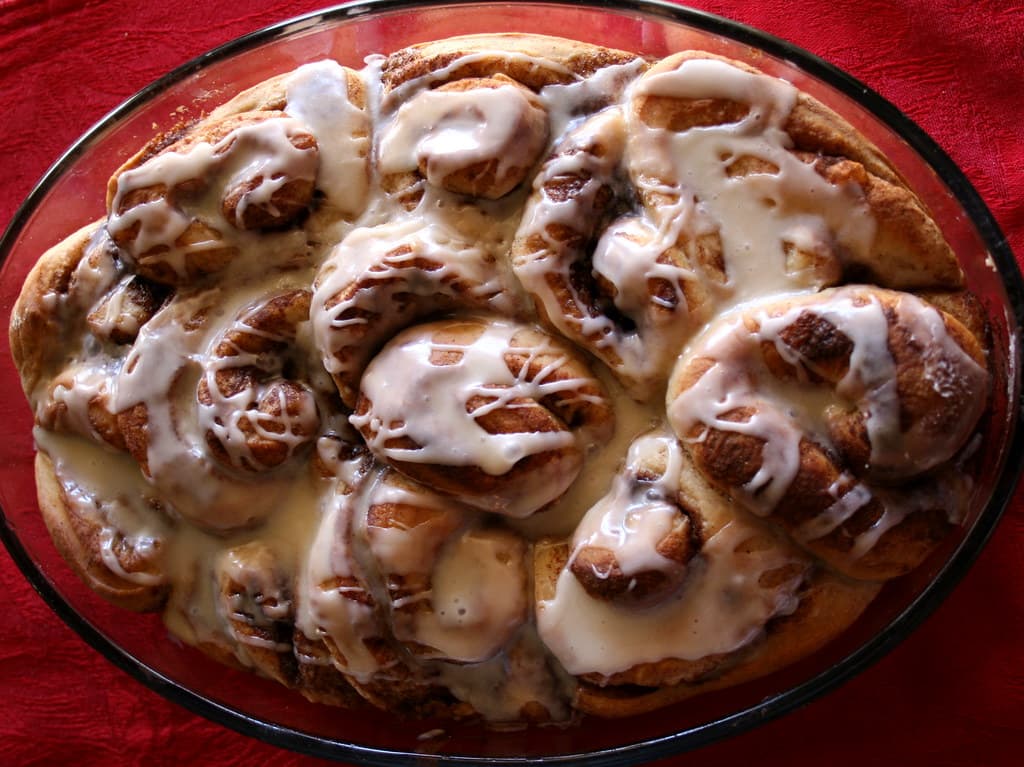
Classic American breakfast sweet rolls featuring a soft, fluffy dough swirled with cinnamon sugar and topped with a sweet glaze. Cinnamon rolls became popular as convenient and comforting treats at tailgate parties, booster clubs, and concession stands in late 20th-century America, especially from the 1970s through the 1980s. Their warm spices and sweetness mark them as a festive favorite around Christmas and other cold-weather celebrations.
America's Melting Pot
Giant Cookies photo coming soon
1990s-present
Giant cookies are oversized versions of classic cookies, popularized in American coffee shops during the 1990s and early 2000s. Featuring a variety of flavors from chocolate chip to oatmeal raisin, these cookies offer a shareable dessert experience characterized by a soft, chewy texture and crisp edges.
1900-1929
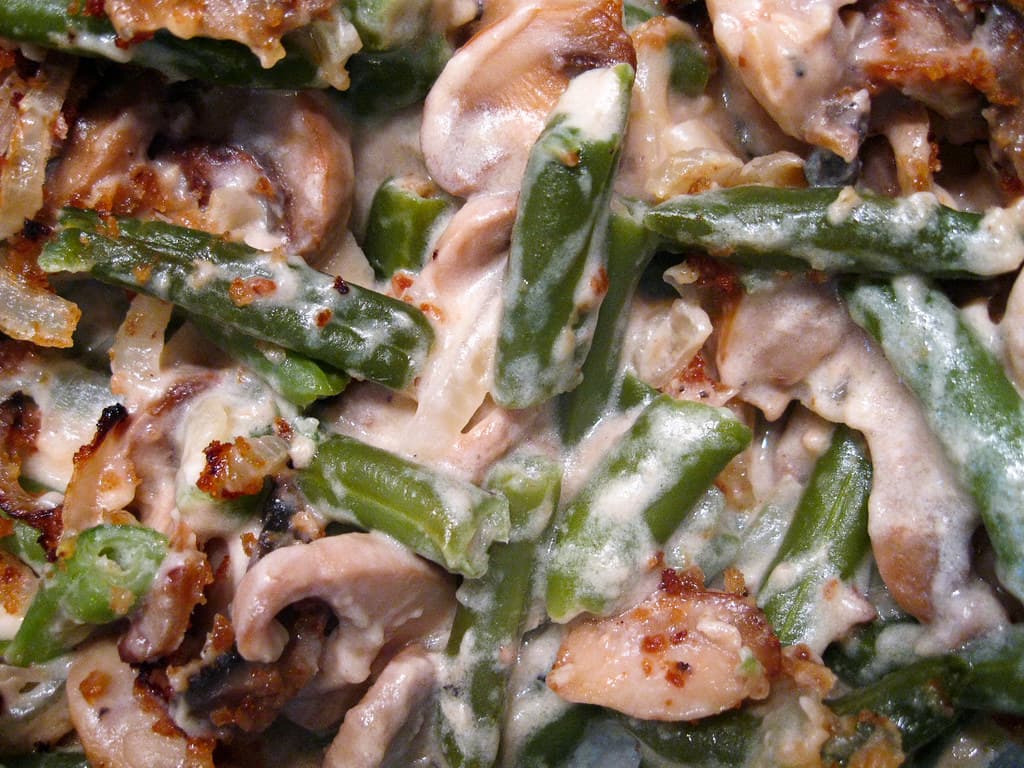
Green Bean Casserole is a staple side dish in Midwestern American holiday tables, church suppers, and school gatherings. Combining green beans, cream of mushroom soup, and crispy fried onions, it became widely popular in the early 20th century and remains a comforting, familiar casserole.
Same table
America's Melting Pot
Hash Browns photo coming soon
1880s-present
Hash browns are shredded or diced potatoes pan-fried until golden and crisp, popularized in American diners and lunch counters during the early 20th century. Served primarily at breakfast, they embody simple, rustic comfort food.
America's Melting Pot
Hoecakes photo coming soon
1600s-present
Hoecakes are simple cornmeal flatbreads or pancakes cooked on a griddle. Dating to the Revolutionary era, they provided a quick, hearty breakfast or side dish using native grains with minimal ingredients.
1900s-present
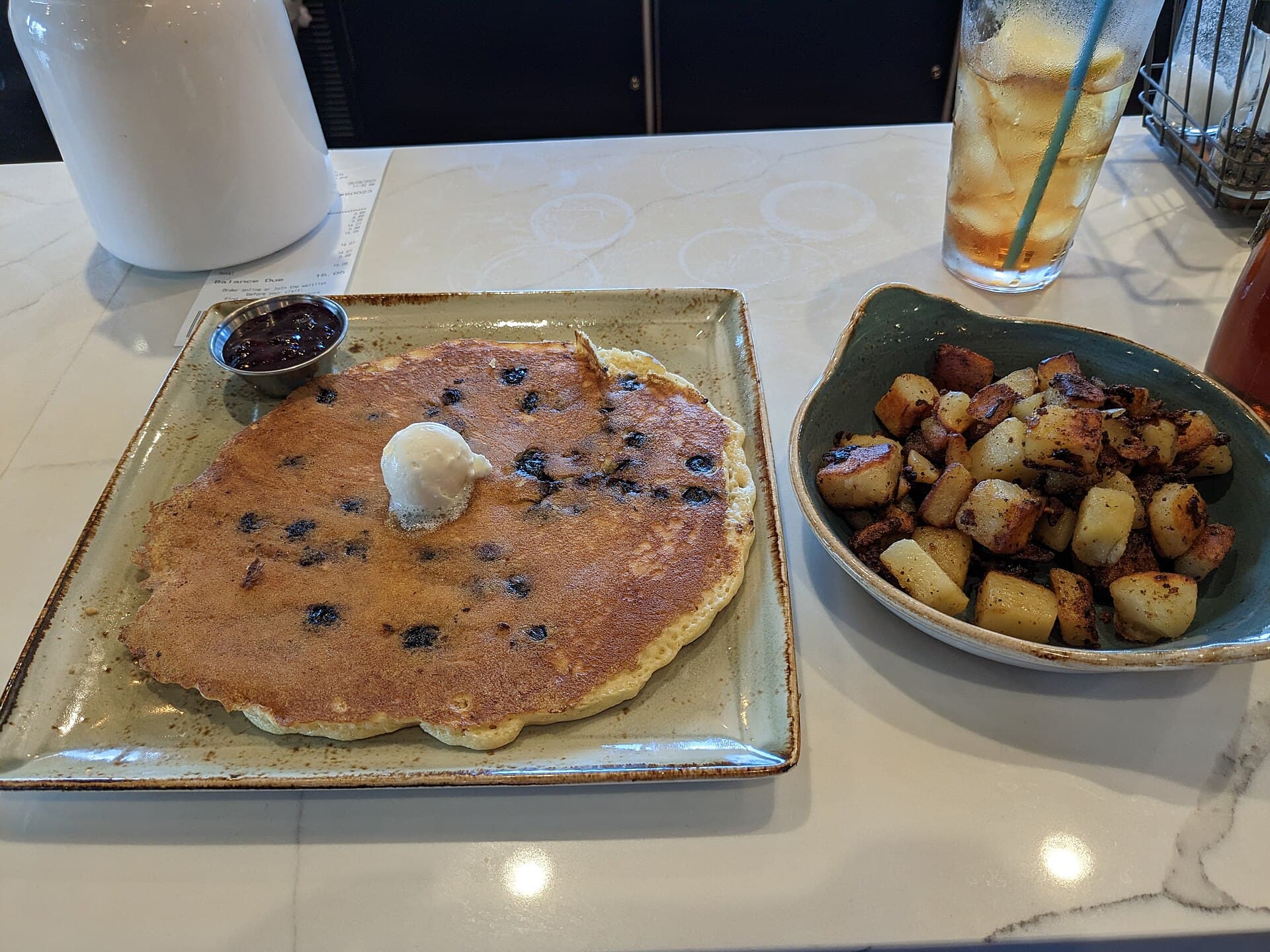
Home fries are diced or sliced potatoes pan-fried with onions and seasoning, commonly served at American diners with breakfast. Emerging in early 20th-century immigrant cities, they offer a warm and crispy potato side dish.