
Recipe archive
Loading
Setting the table...
Fetching the latest recipes from the archive.
Loading
Fetching the latest recipes from the archive.
Recipe archive
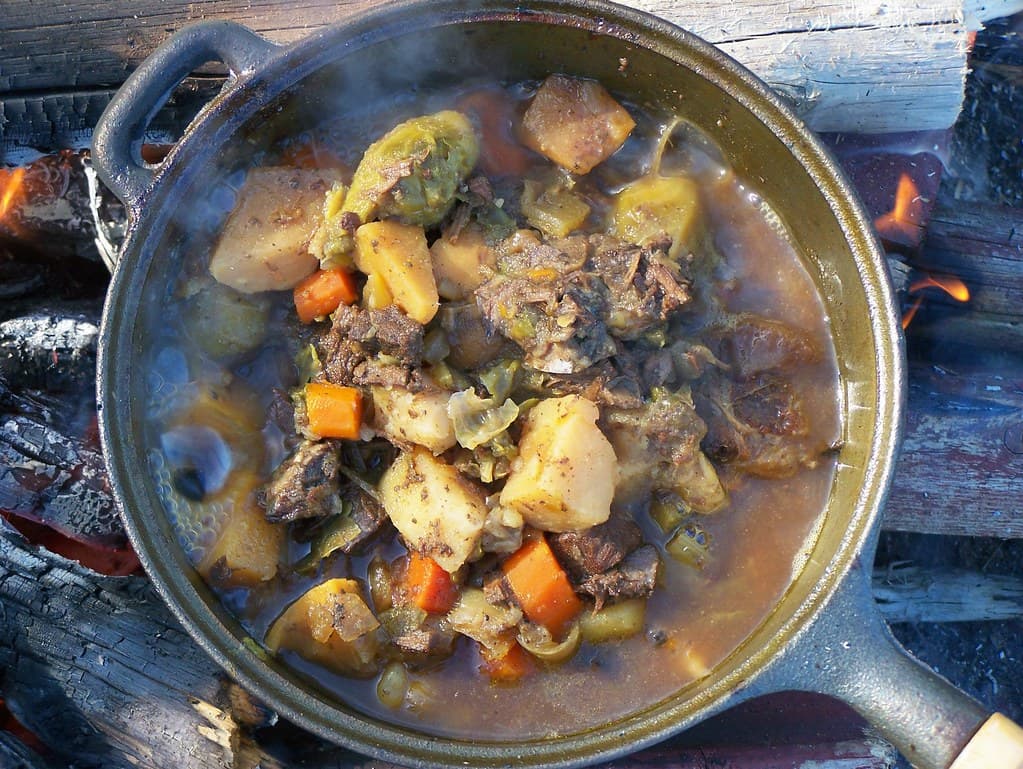
Native Foodways and Continuity - Alaskan native and subsistence hunting communities
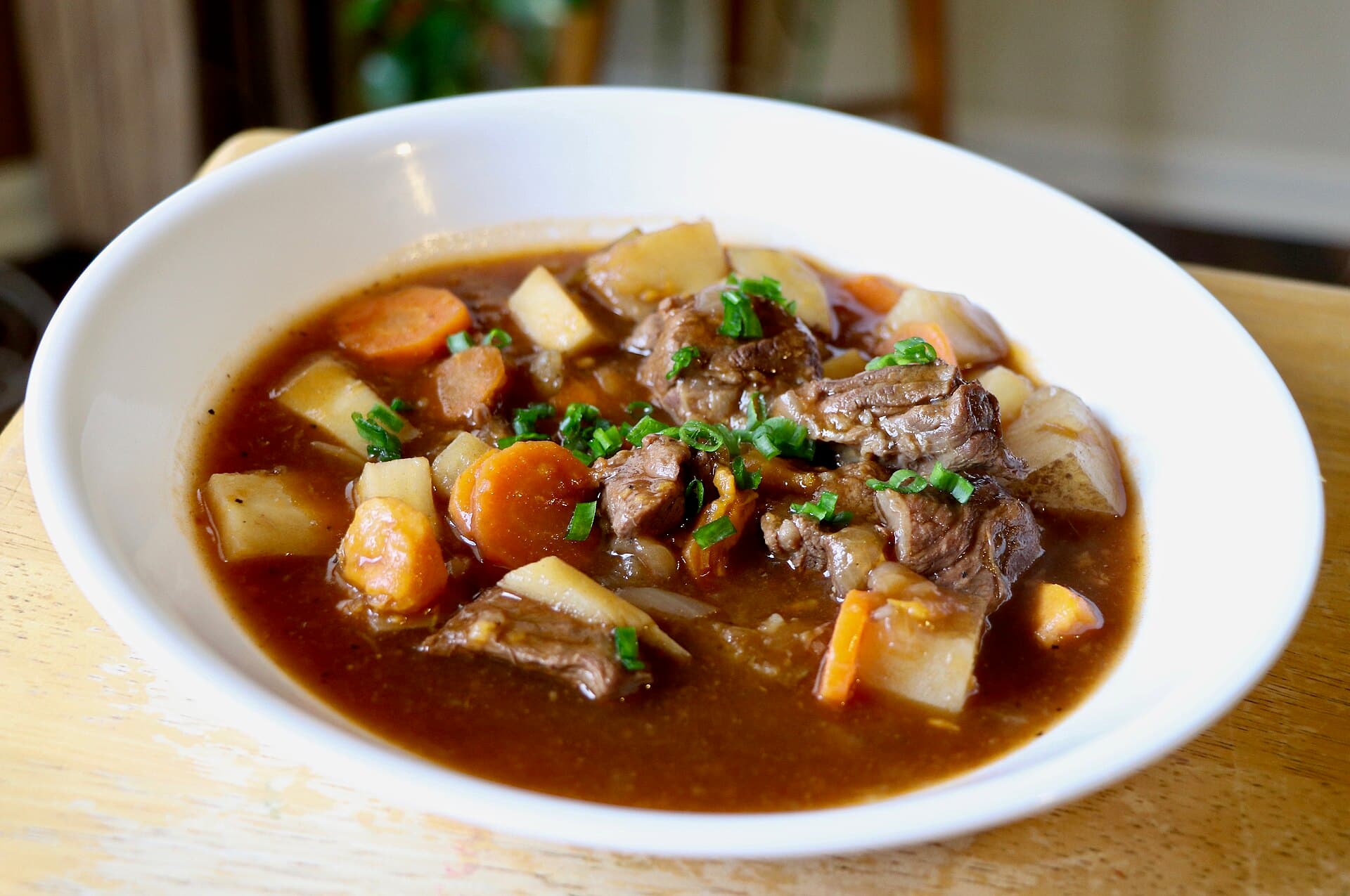
Moose Stew is a nourishing, slow-cooked stew featuring moose meat and root vegetables, traditional in Alaska's hunting and subsistence cultures. Its preparation embraces rustic methods suited to remote environments, offering warmth and sustenance year-round. This dish represents Alaska's regional food heritage and resourceful use of local wildlife across eras.
Community-powered photos. Reviewers can upload dish photos, and the highest-rated community image may be featured here.
Difficulty
Medium
Prep time
20 minutes
Cook time
2 hours
Total time
2 hours 20 minutes
Servings
6 servings
Region
Alaska Native, homestead, and hunting-camp kitchens
Era introduced
Native Foodways and Continuity
Introduced by
Alaskan native and subsistence hunting communities
Recipe tools
Log in to save this recipe to a collection.
Moose Stew reflects the culinary traditions of Alaska's hunter-gatherer and subsistence cultures, relying on large game like moose for protein. Slowly cooked with hearty root vegetables and aromatic herbs, this stew provides vital nourishment during long winters. It exemplifies the rugged, self-sufficient cooking necessary in Alaska's remote regions. Moose Stew remains an enduring regional specialty, celebrated by indigenous and settler communities alike as a symbol of resourcefulness and connection to the land.
Share family changes, regional twists, or pantry-friendly adaptations as full community recipes.
Log in to submit a community recipe.
No community recipes yet. Submitted recipes are published right away.
Rate this recipe and share how it worked at your table.
Log in to review this recipe.
No reviews yet. Be the first to rate this recipe.
Recipes matched by era, region, occasion, ingredients, and cultural roots from the archive.
Same era
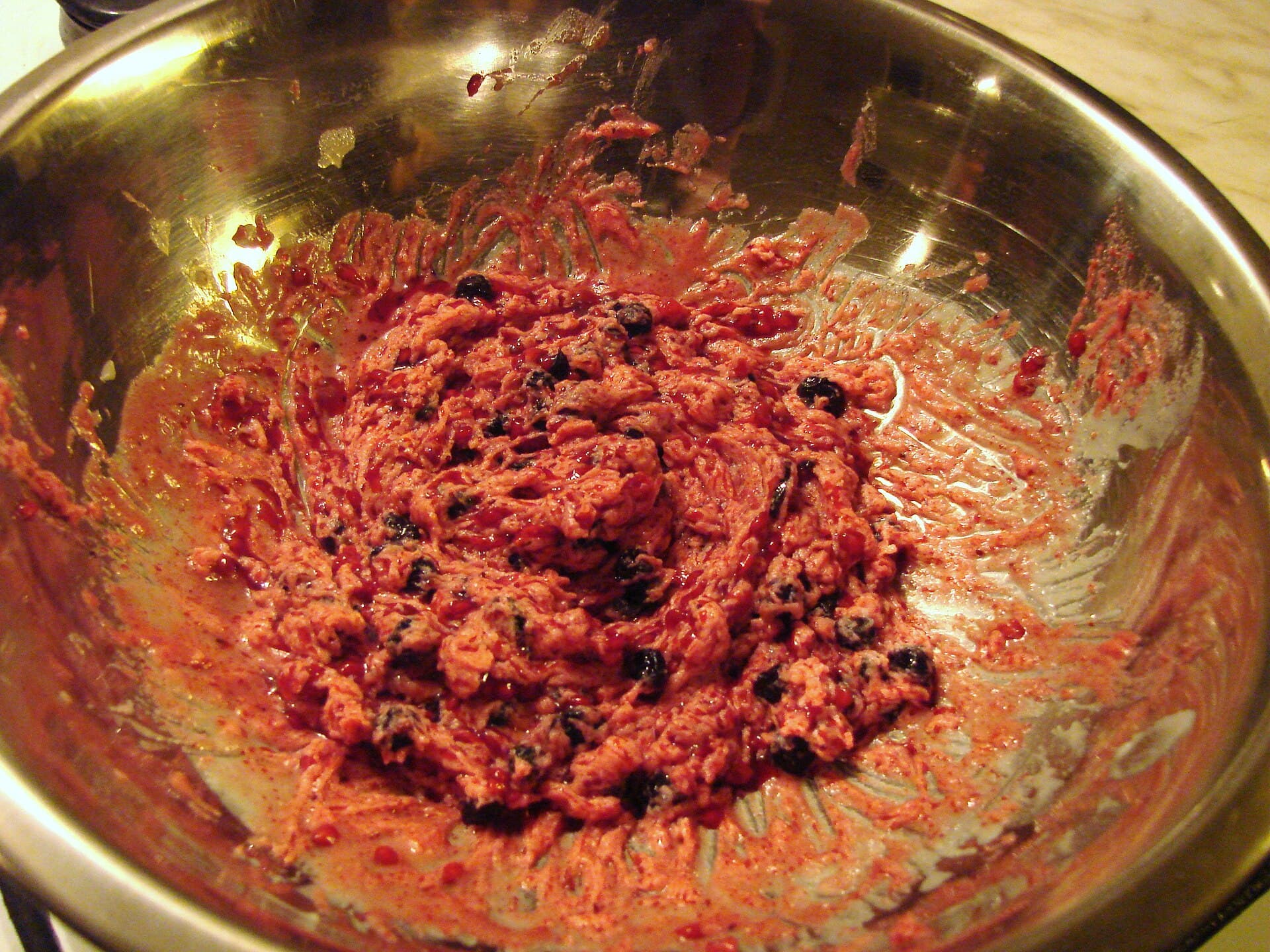
precontact-present
A researched archive entry for akutaq, a family- and region-specific Alaska Native mixed fat-and-berry dish often translated as Alaska Native ice cream.
America's Melting Pot
Alaska Grilled Whale Steak photo coming soon
precontact-present
This archive entry records grilled whale steak as part of Alaska Native subsistence food history, with a clear note that lawful access is governed by cultural rights, conservation rules, and marine mammal law.
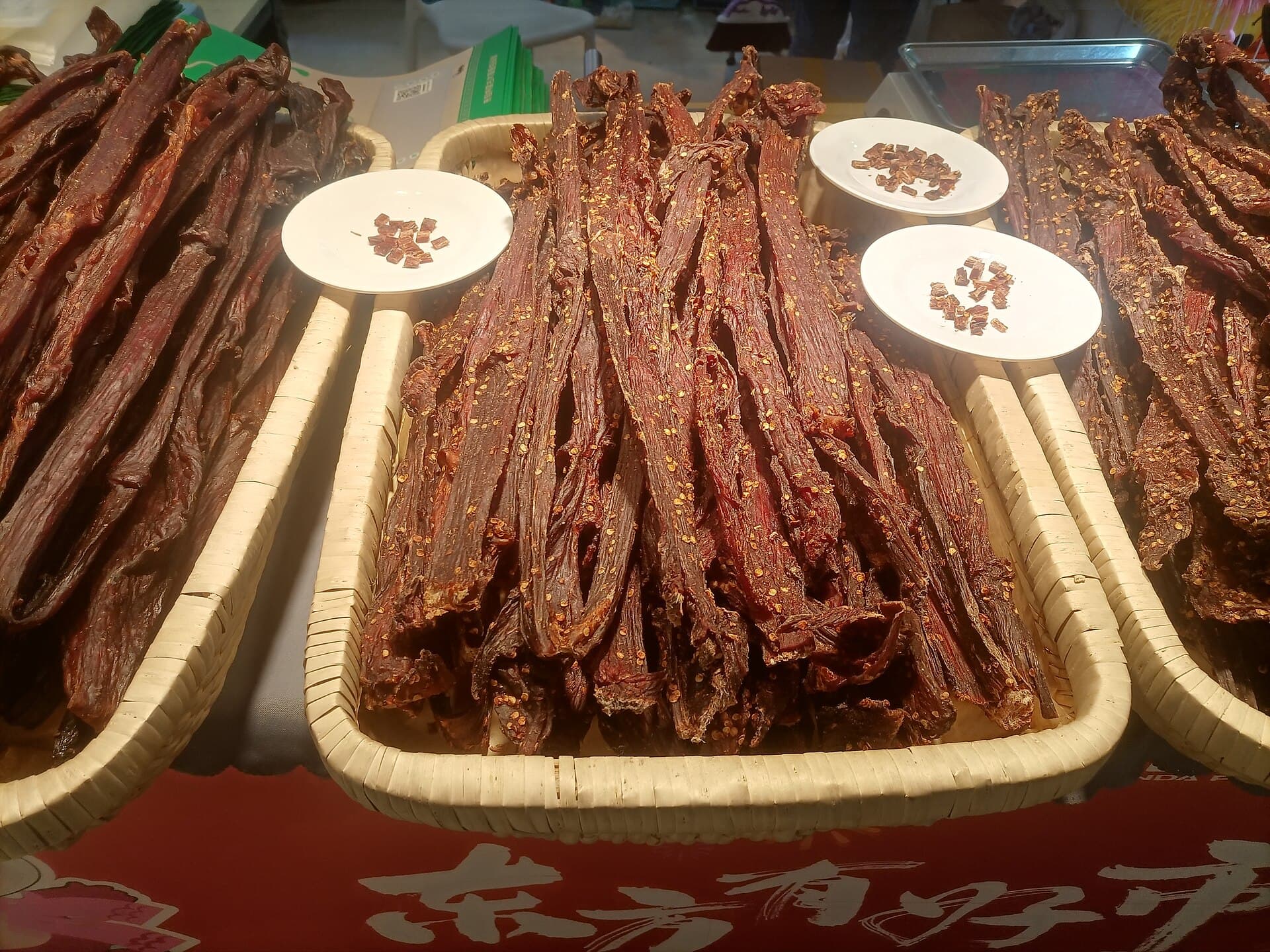
precontact-present
Jerky is preservation food before it is snack food. Indigenous drying traditions, pemmican, pioneer travel, soldiers, cowboys, and later road-trip convenience all helped make dried meat part of American food culture.
Same region
precontact-present
A researched archive entry for akutaq, a family- and region-specific Alaska Native mixed fat-and-berry dish often translated as Alaska Native ice cream.
America's Melting Pot
Reindeer Sausage photo coming soon
1892/20th century-present
Reindeer Sausage is a smoked, seasoned sausage made from reindeer or caribou meat, commonly found in Alaska. It is a hearty, flavorful protein often enjoyed grilled or pan-fried, reflecting indigenous and local food traditions unique to the region's environment.
America's Melting Pot
Smoked Salmon photo coming soon
precontact-present
Smoked salmon is a time-honored food of Alaska, where indigenous and local peoples have long used smoking as a preservation method. This recipe showcases classic methods combining curing with cold and hot smoking techniques that impart rich flavor and increased shelf life, integral to Alaskan regional identity.
Same table
America's Melting Pot
Brisket photo coming soon
1800-2026
Before brisket became a barbecue shorthand, it was a holiday braise in many Jewish American homes. The tough cut becomes tender with long moist cooking, making it practical for Rosh Hashanah, Passover, Hanukkah, Shabbat, and make-ahead family meals.
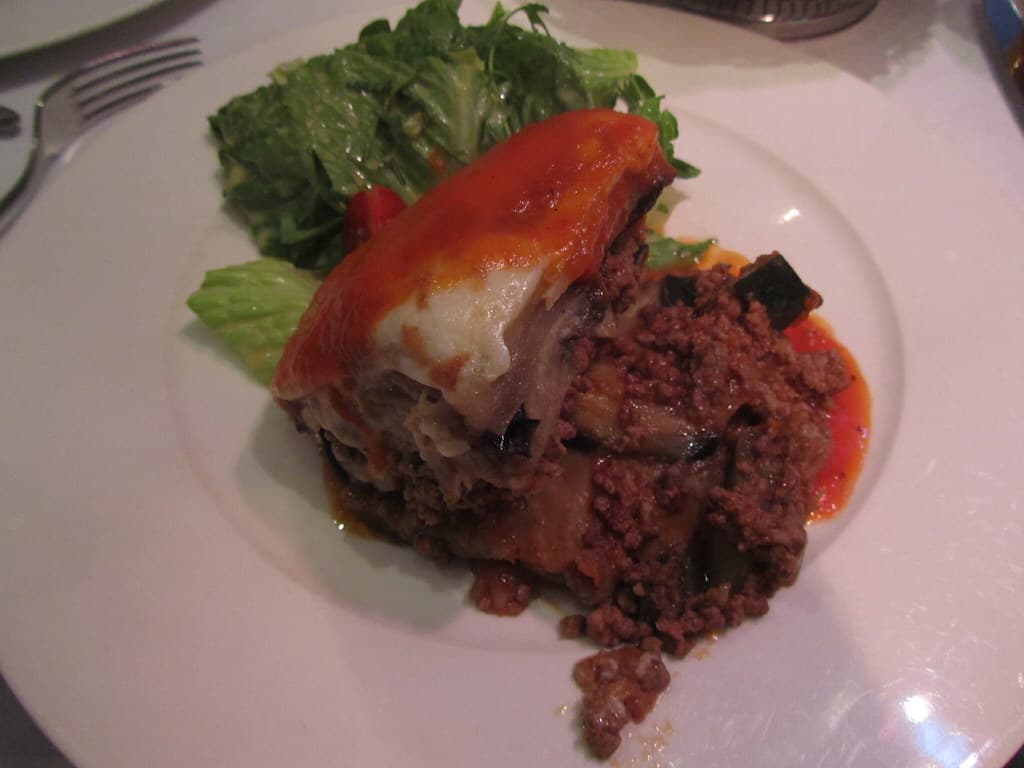
1900s-present
Moussaka is a layered casserole combining eggplant, ground meat, tomato sauce, and creamy bechamel, introduced to American diners by Greek immigrants in the early 20th century. It became popular in immigrant cities and lunch counters, blending Mediterranean traditions with American comfort food culture. This hearty dish is a hallmark of Greek-American cuisine and diner fare.
1800-2026
Beef stew is old-world pot cooking adapted to American beef country, boardinghouses, and family kitchens. Browning the meat, simmering it gently, and adding vegetables in stages turns inexpensive chuck into a cold-weather meal.