
Recipe archive
Loading
Setting the table...
Fetching the latest recipes from the archive.
Loading
Fetching the latest recipes from the archive.
Recipe archive
America's Melting Pot
Brisket hero image coming soon
1800s-present - Ashkenazi Jewish immigrants and Jewish American holiday cooks
Before brisket became a barbecue shorthand, it was a holiday braise in many Jewish American homes. The tough cut becomes tender with long moist cooking, making it practical for Rosh Hashanah, Passover, Hanukkah, Shabbat, and make-ahead family meals.
No featured photo yet. Upload a photo with your review. The highest-rated community photo may become this recipe's hero image.
Difficulty
Moderate
Prep time
30 minutes
Cook time
4 hours
Total time
4 hours 30 minutes
Servings
8 to 10 servings
Region
Jewish American homes and holiday tables
Era introduced
1800s-present
Introduced by
Ashkenazi Jewish immigrants and Jewish American holiday cooks
Recipe tools
Log in to save this recipe to a collection.
Brisket is a hardworking cut from the breast of the steer, full of connective tissue that rewards patience. Jewish American brisket is usually braised rather than smoked: seared, surrounded with onions and vegetables, covered with a savory-sweet or tomato-rich liquid, and cooked until sliceable and tender. It is often better the next day, which makes it especially useful for holidays and large family meals.
Share family changes, regional twists, or pantry-friendly adaptations as full community recipes.
Log in to submit a community recipe.
No community recipes yet. Submitted recipes are published right away.
Rate this recipe and share how it worked at your table.
Log in to review this recipe.
No reviews yet. Be the first to rate this recipe.
Recipes matched by era, region, occasion, ingredients, and cultural roots from the archive.
Same era
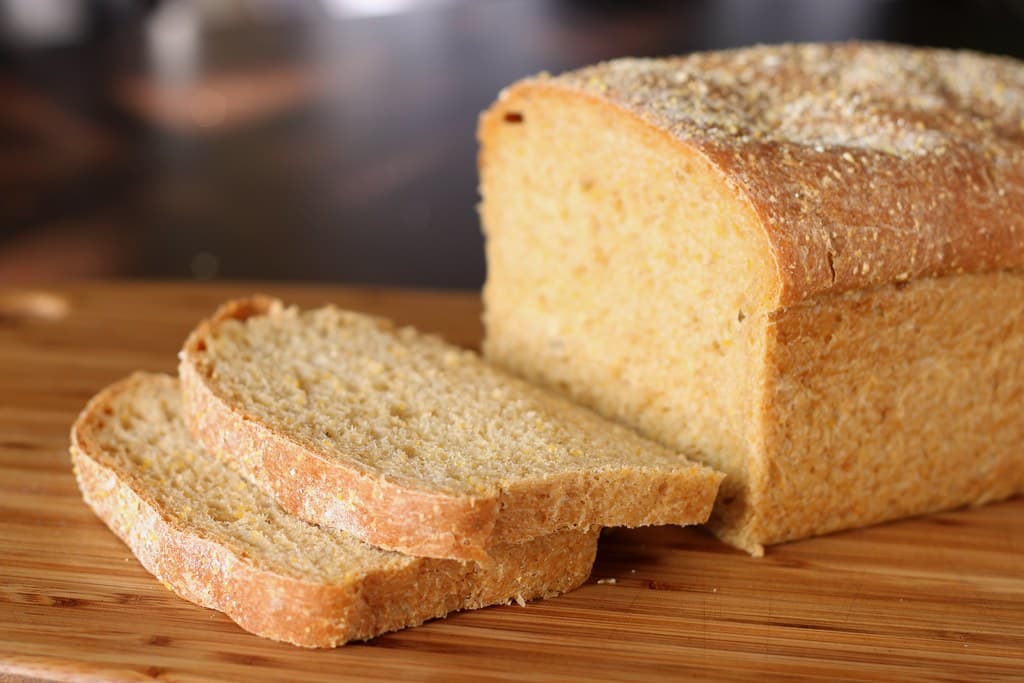
1800s-present
A lightly sweet New England loaf made with cornmeal, molasses, wheat flour, and yeast.
America's Melting Pot
Apple Cake photo coming soon
1800s-present
A tender apple-studded cake with cinnamon, butter, and a simple crumb topping.
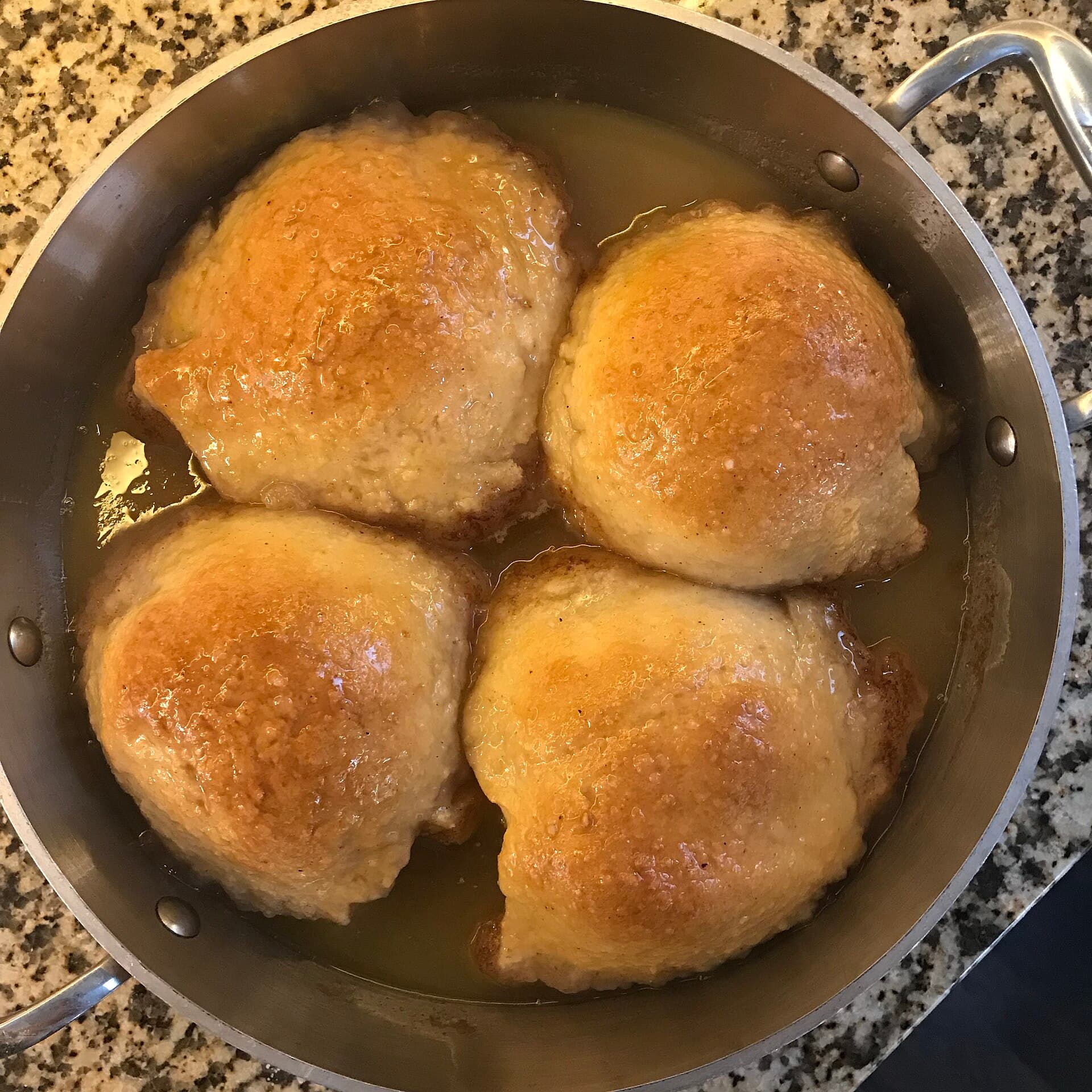
1800s-present
A Pennsylvania Dutch-style dessert of cored apples wrapped in dough and baked with brown sugar syrup.
Same region
America's Melting Pot
Acorn Bread photo coming soon
1800-1860
A nutty, lightly sweet quick bread made with properly leached acorn flour, cornmeal, and wheat flour.
America's Melting Pot
Bialys photo coming soon
1880-2026
Bialys are not bagels without holes. They are their own Ashkenazi bread: baked rather than boiled, dimpled in the center, and traditionally filled with onion and sometimes poppy seeds. Polish Jewish immigrants brought them to New York, where bakeries kept the tradition alive.

1900-2026
Black and white cookies are New York bakery icons, commonly linked to Glaser Bake Shop in Yorkville and to German Jewish bakery traditions. Their half-vanilla, half-chocolate tops made them instantly recognizable on deli and bakery counters.
Same table
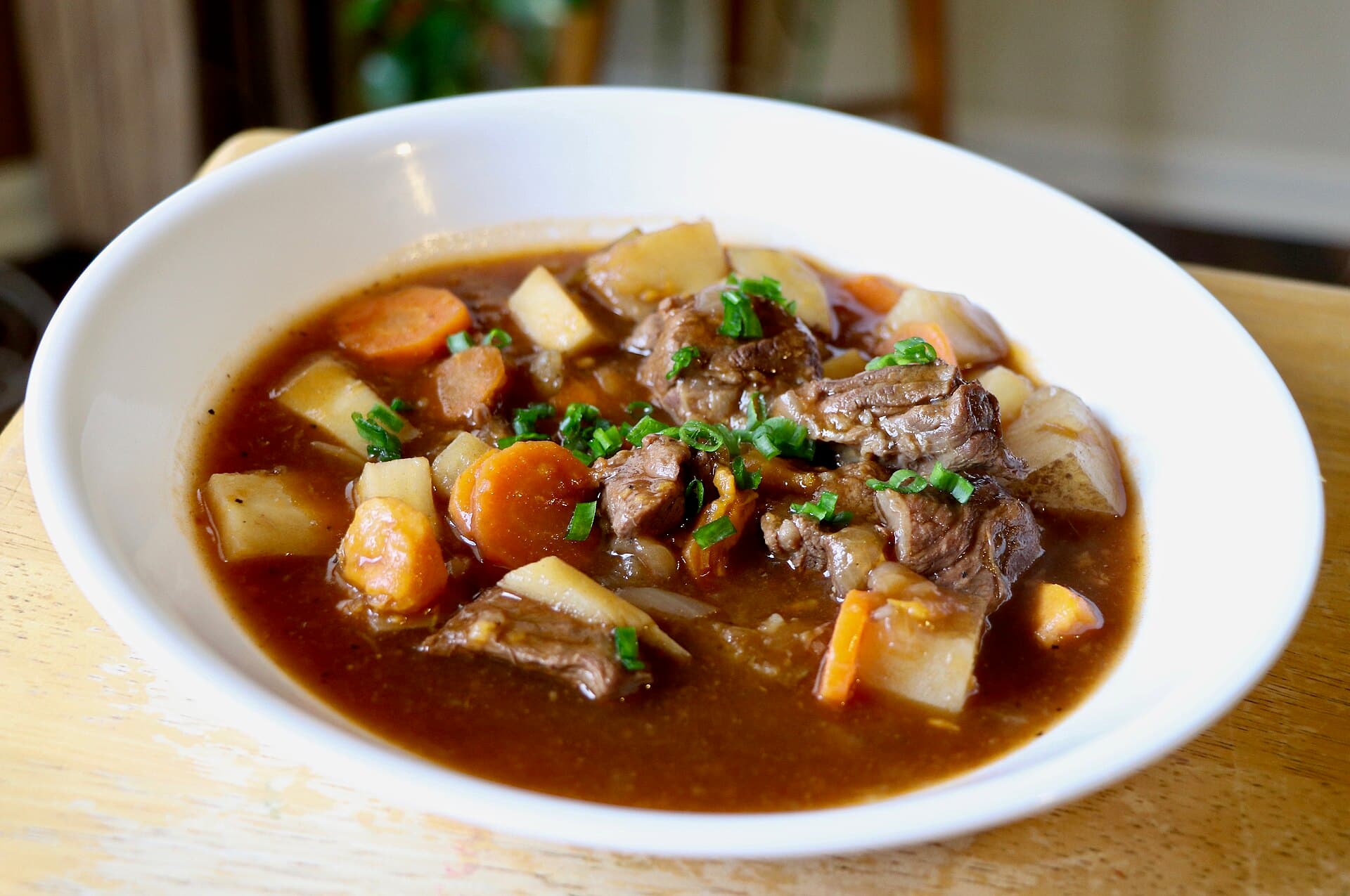
1800-2026
Beef stew is old-world pot cooking adapted to American beef country, boardinghouses, and family kitchens. Browning the meat, simmering it gently, and adding vegetables in stages turns inexpensive chuck into a cold-weather meal.
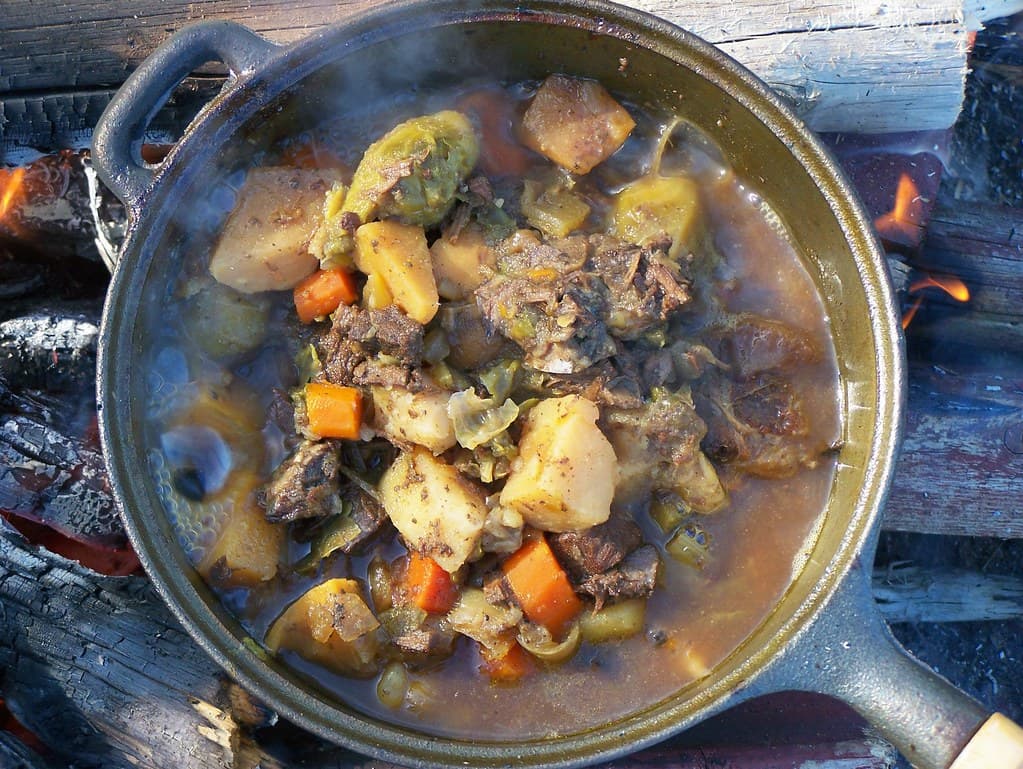
precontact-present
Moose Stew is a nourishing, slow-cooked stew featuring moose meat and root vegetables, traditional in Alaska's hunting and subsistence cultures. Its preparation embraces rustic methods suited to remote environments, offering warmth and sustenance year-round. This dish represents Alaska's regional food heritage and resourceful use of local wildlife across eras.
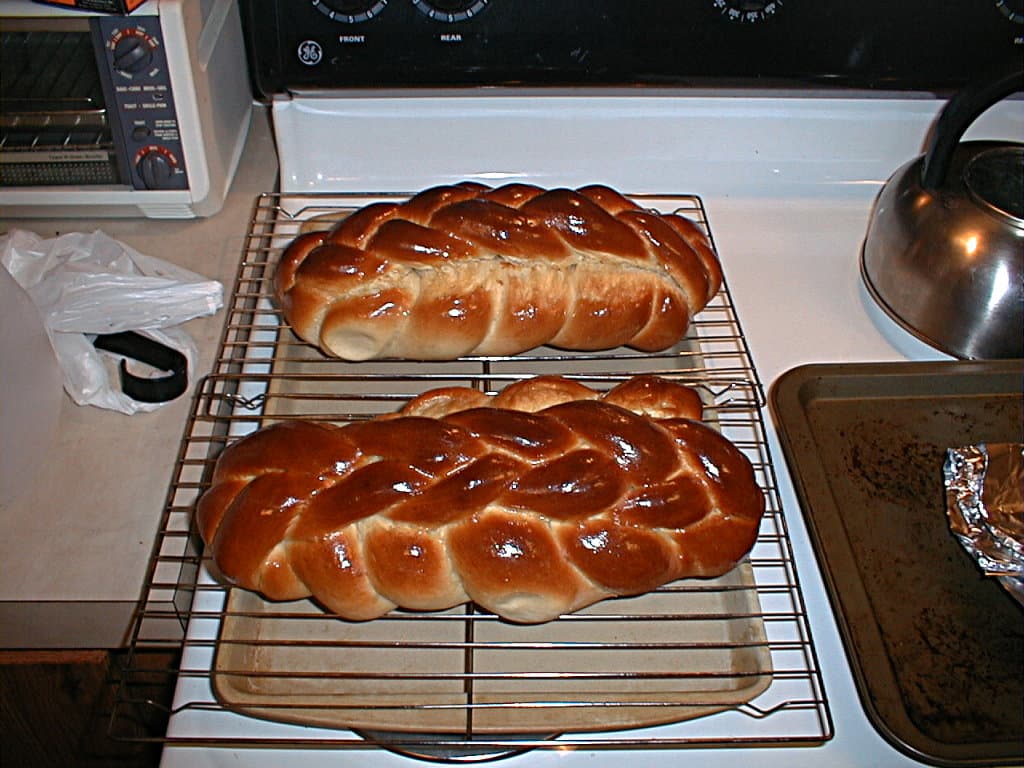
1880-2026
A tender braided egg bread with a glossy crust, lightly sweet crumb, and deep Jewish American Shabbat and holiday meaning.