
Recipe archive
Loading
Setting the table...
Fetching the latest recipes from the archive.
Loading
Fetching the latest recipes from the archive.
Recipe archive
America's Melting Pot
Pimento Cheese Ancestor hero image coming soon
1800-1860 - Early 19th-century Southern American cooks and homemakers
This Pimento Cheese Ancestor recipe reflects an early Southern American cheese spread from the first half of the 19th century, predating the widespread use of mayonnaise. The recipe combines cheese, pimiento peppers, and simple seasonings into a spread reflecting evolving Southern tastes and ingredient availability during the Young Republic era.
No featured photo yet. Upload a photo with your review. The highest-rated community photo may become this recipe's hero image.
Difficulty
Medium
Prep time
20 minutes
Cook time
0 minutes
Total time
20 minutes
Servings
6
Region
South
Era introduced
1800-1860
Introduced by
Early 19th-century Southern American cooks and homemakers
Recipe tools
Log in to save this recipe to a collection.
In early 19th-century Southern kitchens, cheese spreads incorporating pimento peppers were popular precursors to modern pimento cheese. Before mayonnaise was widely used in the US, spreads relied on cream, butter, and simple seasonings to bind shredded or grated cheeses. Such spreads were served during Sunday dinners and social gatherings, highlighting a blend of European cheese techniques with Southern ingredients. This recipe captures that historical culinary moment in the young American South between 1800 and 1860.
Share family changes, regional twists, or pantry-friendly adaptations as full community recipes.
Log in to submit a community recipe.
No community recipes yet. Submitted recipes are published right away.
Rate this recipe and share how it worked at your table.
Log in to review this recipe.
No reviews yet. Be the first to rate this recipe.
Recipes matched by era, region, occasion, ingredients, and cultural roots from the archive.
Same era
America's Melting Pot
Acorn Bread photo coming soon
1800-1860
A nutty, lightly sweet quick bread made with properly leached acorn flour, cornmeal, and wheat flour.
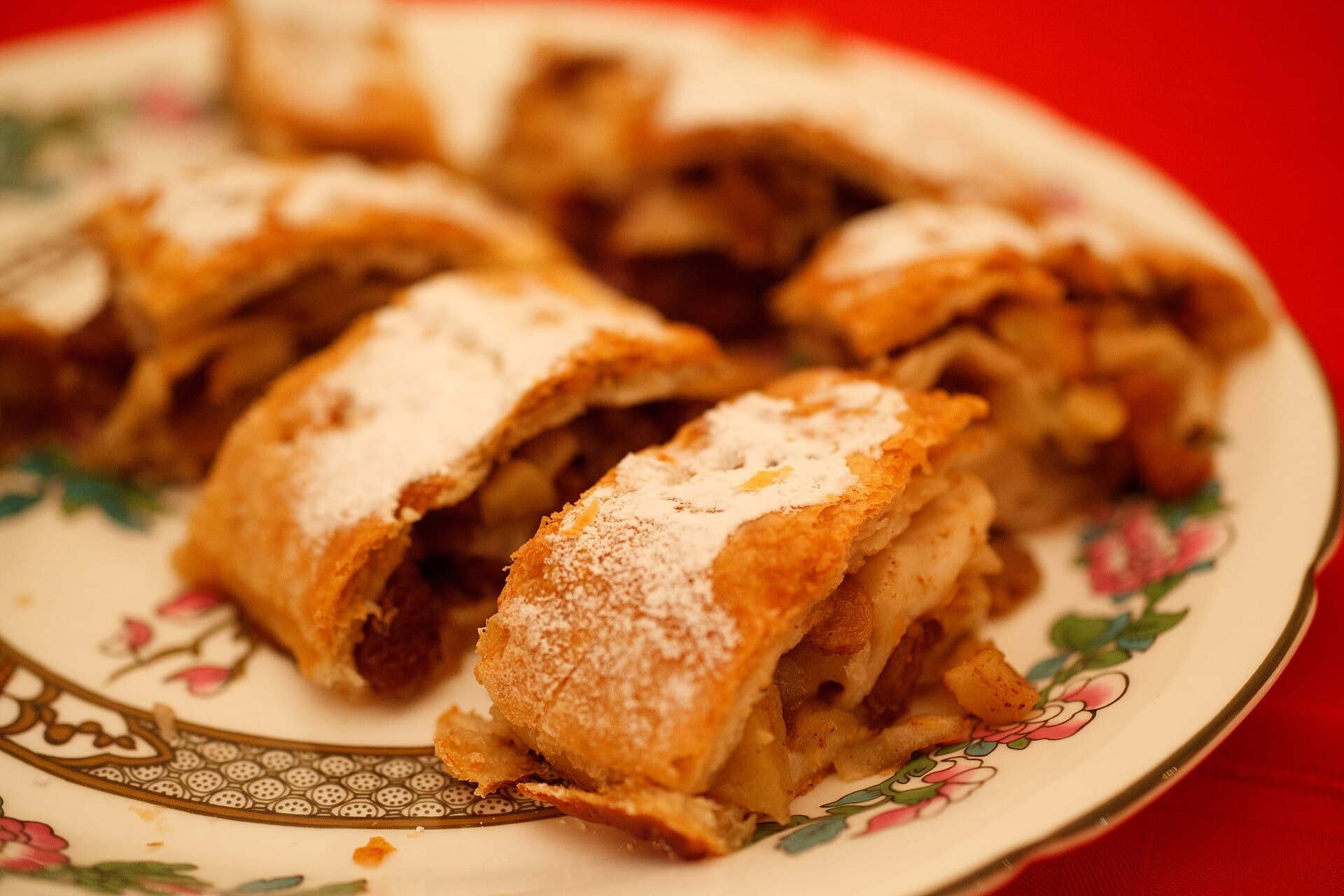
1800-1860
A German-American apple strudel made with crisp apples, raisins, cinnamon, buttered crumbs, and flaky phyllo for a practical home version of a Central European pastry.
America's Melting Pot
Asparagus photo coming soon
1800s/early 1900s-present
A bright American Easter asparagus side, quickly cooked and dressed with lemon butter, herbs, and hard-cooked egg in the spirit of old spring-table recipes.
Same region
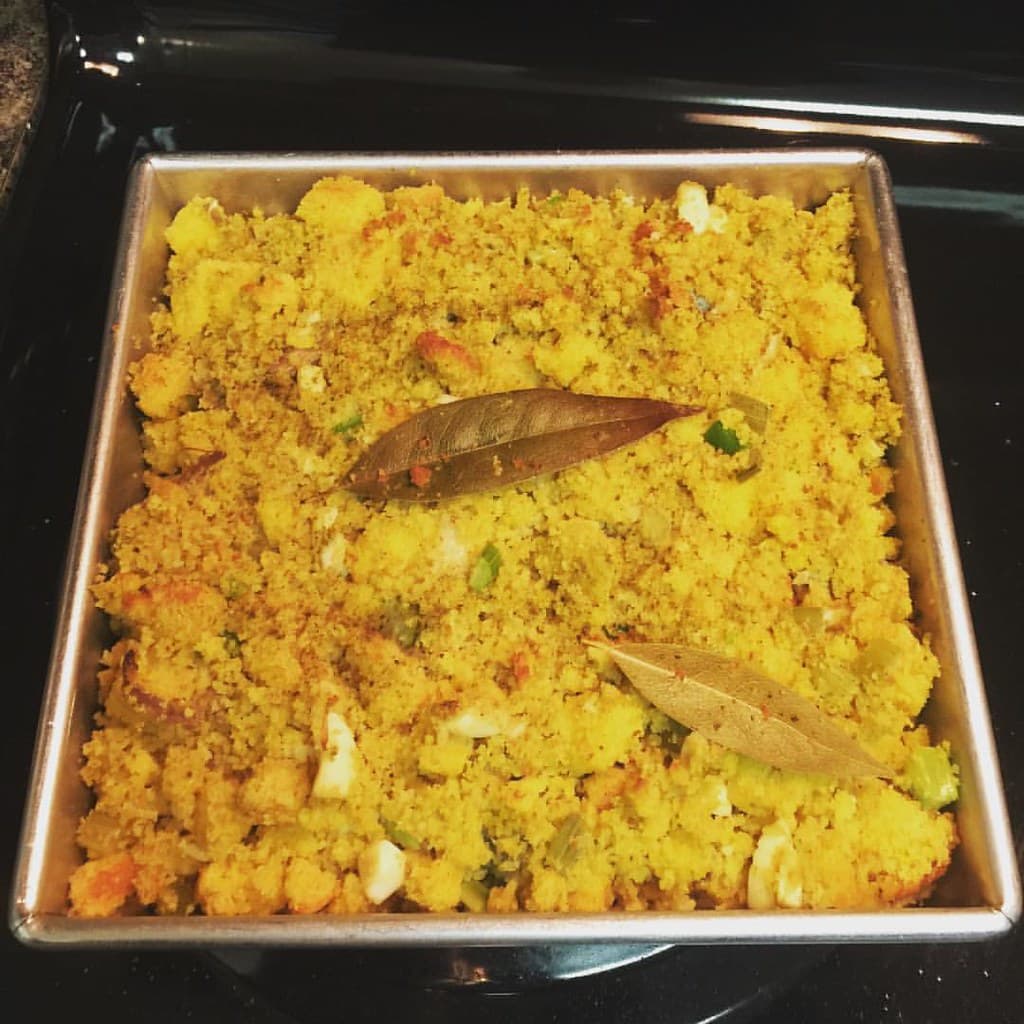
1800-1860
Cornbread dressing is a savory Southern side enjoyed especially during Thanksgiving, combining crumbled cornbread with herbs and often broth for moist stuffing.
America's Melting Pot
Lane Cake photo coming soon
1800-1860
Lane cake is a traditional Southern dessert featuring layered cake filled with custard, raisins, coconut, and sometimes a hint of whiskey. Established in the 19th century South, it became a celebratory dish for holidays and special gatherings, representing Southern hospitality and culinary ingenuity with pantry staples.
America's Melting Pot
Potlikker Soup photo coming soon
1861-1900
Potlikker Soup is a traditional Southern U.S. dish made from the nutrient-rich broth left after cooking collard or other greens. Popular during Reconstruction and beyond, it emphasizes resourcefulness and Southern culinary traditions.
Same table
America's Melting Pot
Pigeon Pie photo coming soon
1700s-1800s
Pigeon Pie is a traditional colonial American meat pie using squab or young pigeon, popular during the Revolutionary era. This hearty pie blends game bird with vegetables and seasoning in a flaky pastry crust, reflecting early American reliance on local game and resourceful cooking practices of the period.
America's Melting Pot
Pizza, Early American Style photo coming soon
1905-present
Pizza, Early American Style reflects the introduction and adaptation of Italian pizza recipes by Italian-American immigrants during and after the Civil War through the late 19th century. Characterized by simple dough, tomato sauce, and modest toppings, this style marks the beginnings of American pizza culture in immigrant communities.
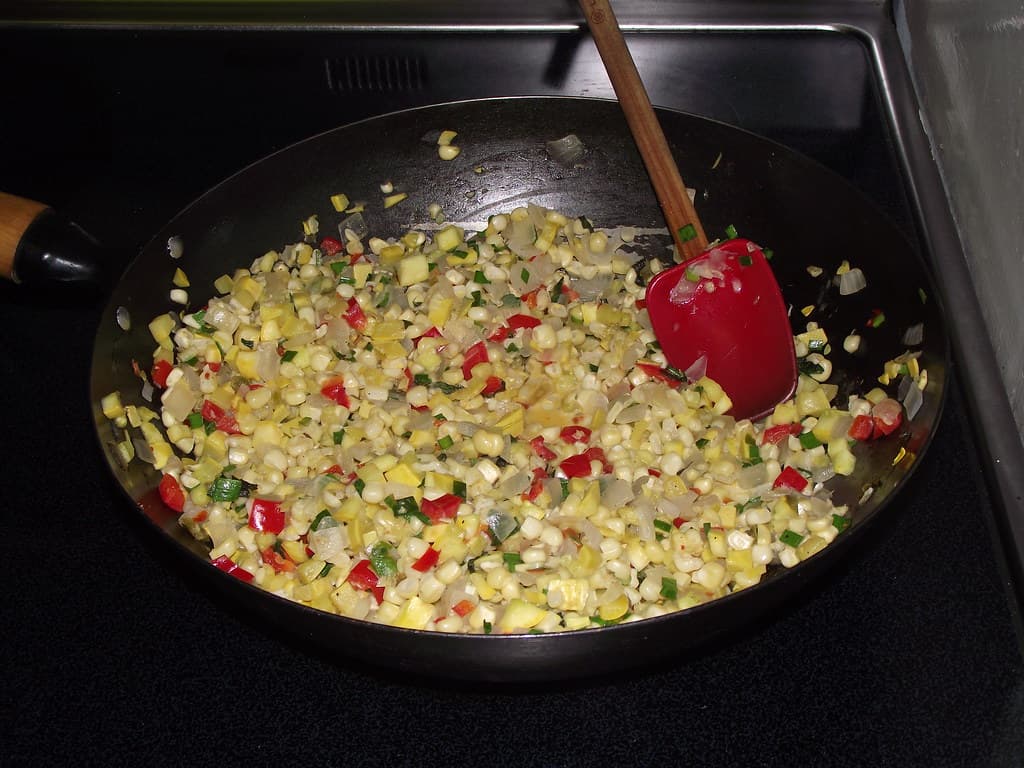
1800-2026
Calabacitas means little squash, and in New Mexico it names a fast summer vegetable dish of squash, corn, and green chile. It reflects Indigenous, Spanish borderlands, Mexican, and Mexican American foodways across the Southwest.