
Recipe archive
Loading
Setting the table...
Fetching the latest recipes from the archive.
Loading
Fetching the latest recipes from the archive.
Recipe archive
America's Melting Pot
Rye and Indian Bread hero image coming soon
1776-1800 - Colonial American bakers and home cooks
This bread combines rye flour and cornmeal (referred to historically as Indian meal) to create a rustic, hearty loaf common in late 18th-century American households. It reflects grain availability and regional adaptation in early Revolutionary-era American baking.
No featured photo yet. Upload a photo with your review. The highest-rated community photo may become this recipe's hero image.
Difficulty
Medium
Prep time
20 minutes plus rising
Cook time
40 minutes
Total time
1 hour 10 minutes
Servings
1 loaf
Region
New England rye-and-corn colonial bread kitchens
Era introduced
1776-1800
Introduced by
Colonial American bakers and home cooks
Recipe tools
Log in to save this recipe to a collection.
Rye and Indian bread was a staple in late 18th-century American households, especially in regions where rye thrived and cornmeal was readily accessible. The combination of flours produced a strongly flavored, dense bread that sustained families from breakfast through supper. It represents early American adaptation of indigenous grains and European baking traditions blending into colonial foodways.
Share family changes, regional twists, or pantry-friendly adaptations as full community recipes.
Log in to submit a community recipe.
No community recipes yet. Submitted recipes are published right away.
Rate this recipe and share how it worked at your table.
Log in to review this recipe.
No reviews yet. Be the first to rate this recipe.
Recipes matched by era, region, occasion, ingredients, and cultural roots from the archive.
Same era
America's Melting Pot
Deviled Egg Filling photo coming soon
1700s-present
Deviled Egg Filling is a spread with real American table personality: Not exactly a sauce, but a condiment-like American picnic food. It brings flavor from coast-to-coast American tables to cookouts, counters, lunch plates, potlucks, and weeknight suppers.
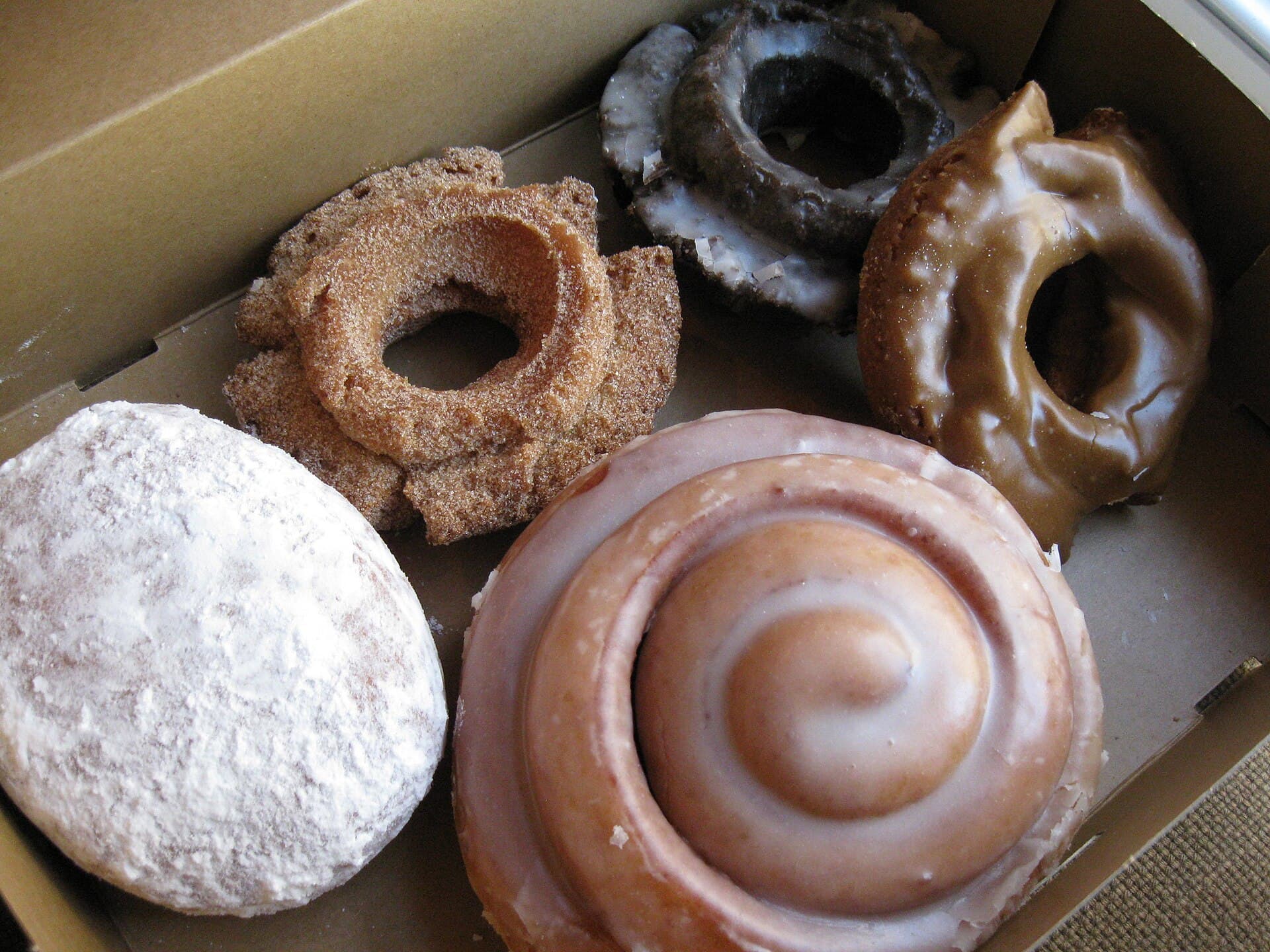
1700s-1800s
Doughnuts are a beloved American breakfast and snack originating from various immigrant influences, consisting of fried dough rings or balls coated in sugar or glaze. The recipe has evolved over centuries and become a cross-era staple with numerous regional variations.
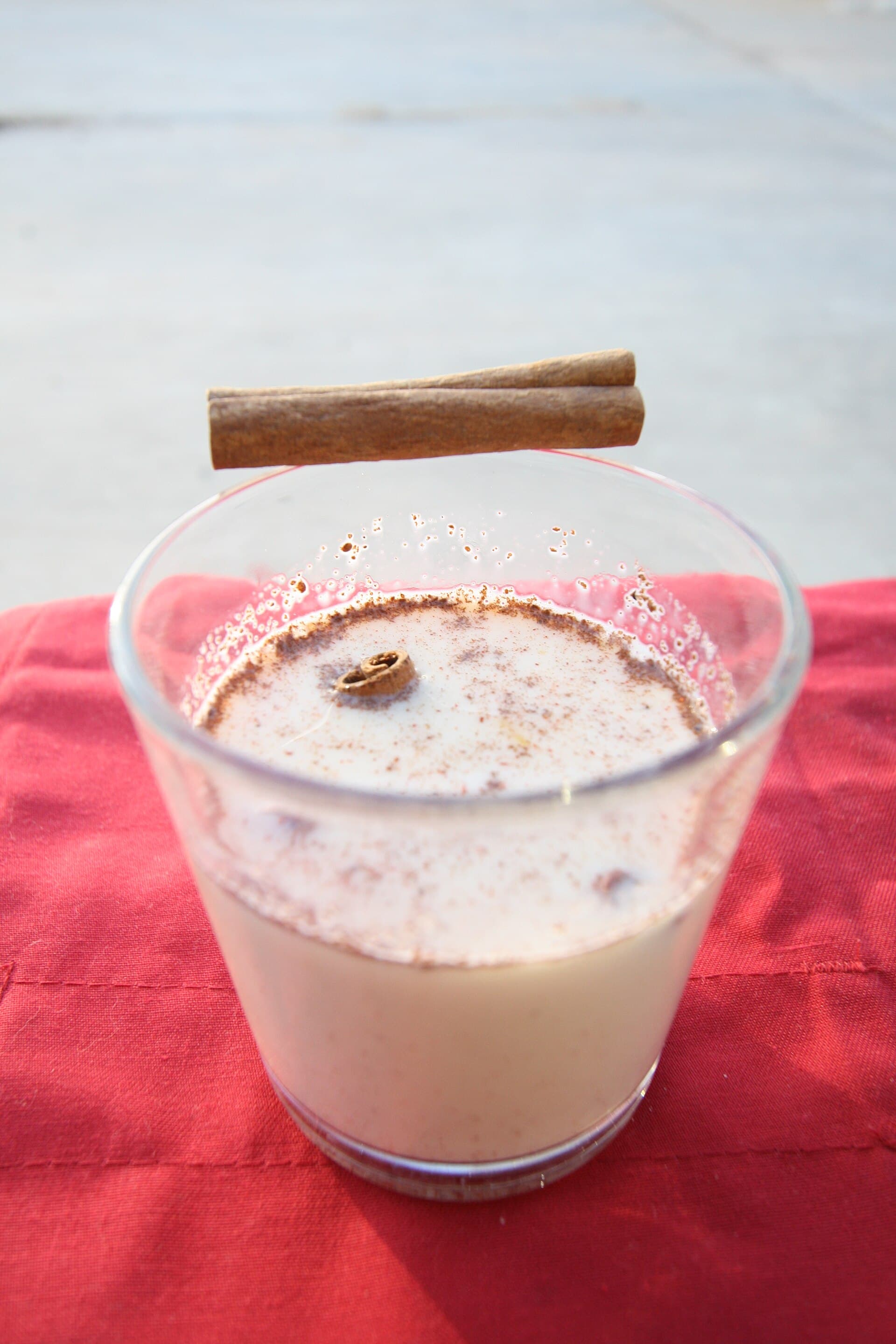
1700s-present
Eggnog is a rich, creamy holiday beverage made from milk or cream, beaten eggs, sugar, and often spiked with spirits such as brandy or rum. Served chilled, it is a festive treat deeply associated with Christmas celebrations across the United States, with colonial roots.
Same region
America's Melting Pot
Codfish Cakes photo coming soon
1776-1800
Codfish cakes are a traditional dish featuring salted cod blended with potatoes and seasonings, then fried to golden perfection. Reminiscent of early American coastal cooking around the Revolutionary period, these patties were a practical and flavorful way to enjoy preserved fish.
America's Melting Pot
Creamed Onions photo coming soon
1776-1800
Creamed Onions are a traditional side dish popular in late 18th-century America, featuring pearl onions simmered in a creamy, buttery sauce. Common at holiday tables, especially Thanksgiving, this dish reflects early American adaptations of European cooking techniques using accessible vegetables and dairy.
America's Melting Pot
Fried Apples photo coming soon
1776-1800
Fried apples are sliced apples cooked in butter with sugar and warm spices until soft and caramelized. A traditional American side dish since the late 18th century, they pair well with breakfast dishes and pork and reflect colonial and revolutionary era cooking.
Same table
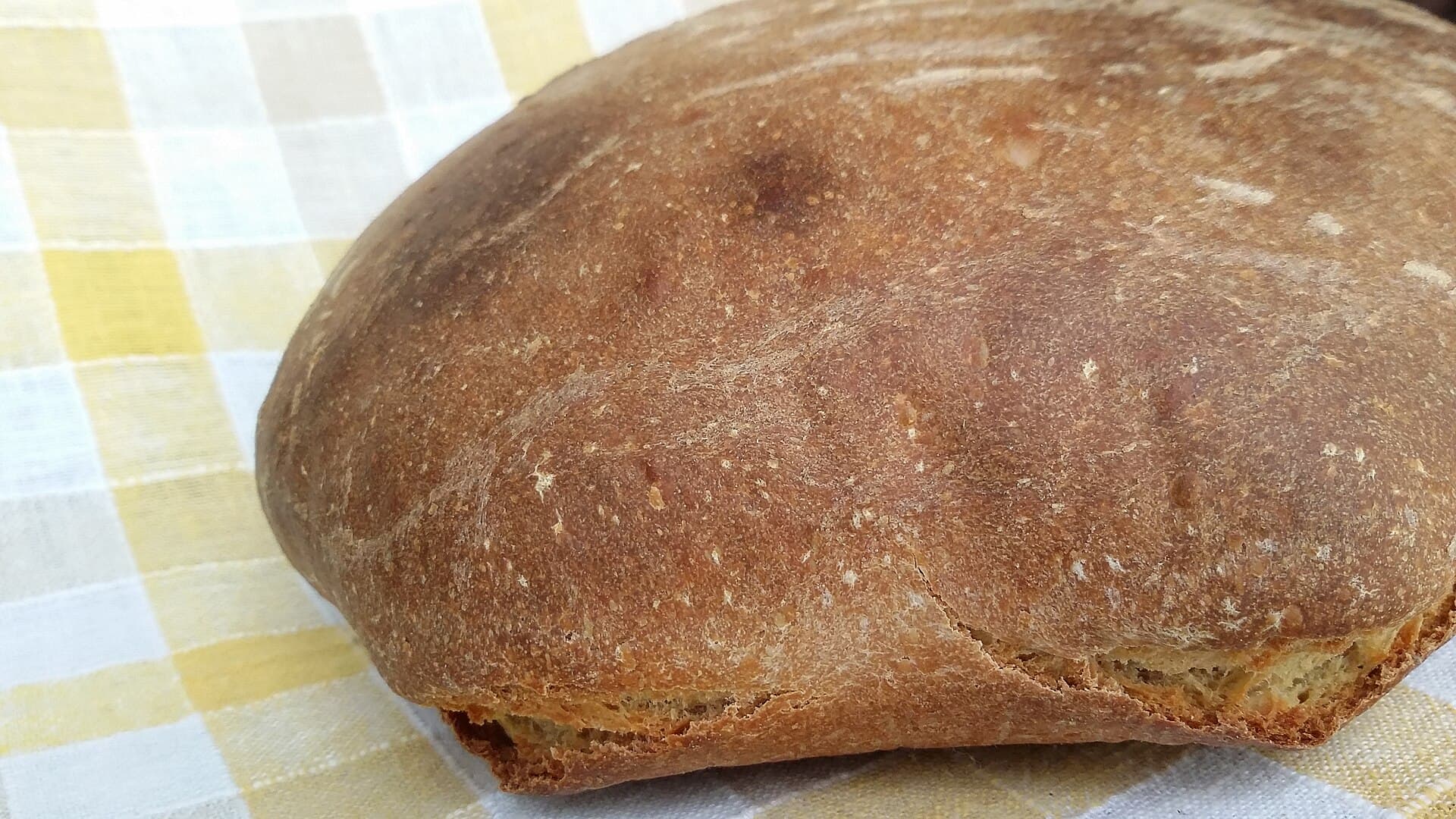
1800-1860
Salt-rising bread is an old-fashioned bread made with a starter that relies on naturally occurring bacteria instead of yeast, producing a dense loaf with a slightly tangy flavor. It is traditional in Appalachian and frontier regions from the early 19th century, reflecting resourceful baking.
America's Melting Pot
Creamed Peas on Toast photo coming soon
1930s-1940s
Creamed Peas on Toast was a frugal, filling dish common during the Great Depression era, making use of canned or fresh peas in a creamy sauce served over toasted bread. It provided an economical, nourishing meal when resources were scarce, and remains a nostalgic example of Depression-era cooking.
America's Melting Pot
Deviled Ham Sandwiches photo coming soon
1868-present
Deviled ham sandwiches emerged during the World War II home front era as an economical and flavorful way to stretch limited meat supplies. Ground cured ham mixed with spices created a spread ideal for sandwiches in Depression and wartime kitchens.