
Recipe archive
Loading
Setting the table...
Fetching the latest recipes from the archive.
Loading
Fetching the latest recipes from the archive.
Recipe archive
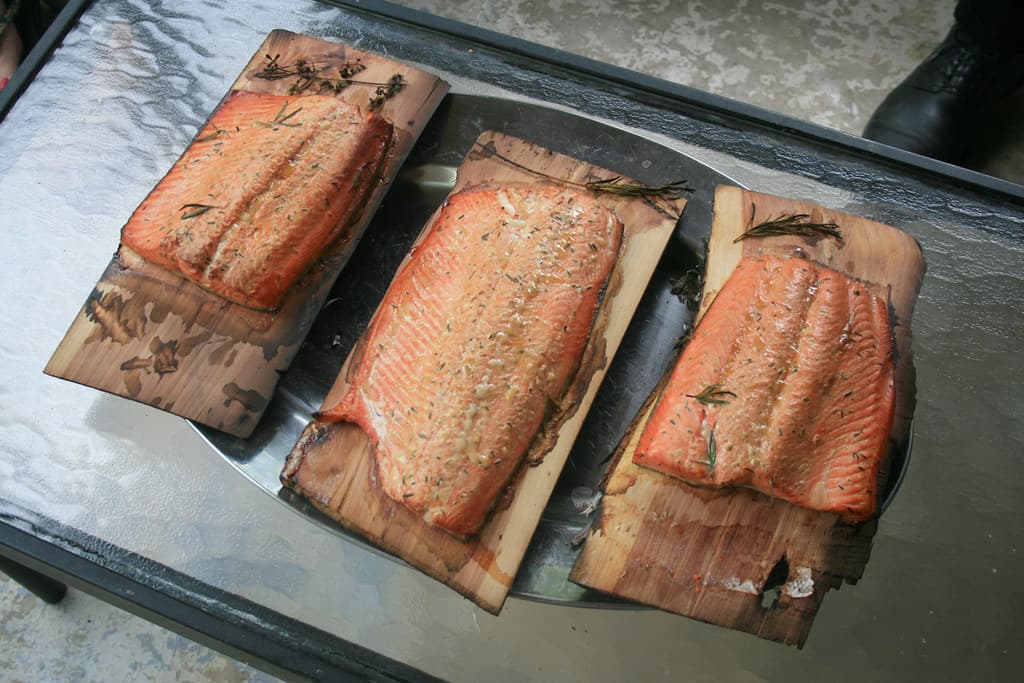
Native Foodways and Continuity - Pacific Northwest Indigenous peoples and regional home cooks
This dish features salmon fillets cooked on cedar planks to infuse smoky, aromatic flavors typical in Pacific Northwest Indigenous and settler culinary traditions. With minimal seasoning, the technique highlights the fish's natural flavor while respecting cultural methods.
Community-powered photos. Reviewers can upload dish photos, and the highest-rated community image may be featured here.
Difficulty
Medium
Prep time
20 minutes plus soaking planks
Cook time
30 minutes
Total time
50 minutes plus soaking
Servings
4
Region
Salish Sea and Pacific Northwest Coast
Era introduced
Native Foodways and Continuity
Introduced by
Pacific Northwest Indigenous peoples and regional home cooks
Recipe tools
Log in to save this recipe to a collection.
Salmon on cedar plank is a hallmark of Pacific Northwest Indigenous foodways, adopted and adapted by settlers and contemporary cooks. The technique of cooking salmon on aromatic cedar wood imparts unique flavor and honors Indigenous culinary practices that celebrate the region's natural resources. It remains a treasured dish for special occasions and community gatherings.
Share family changes, regional twists, or pantry-friendly adaptations as full community recipes.
Log in to submit a community recipe.
No community recipes yet. Submitted recipes are published right away.
Rate this recipe and share how it worked at your table.
Log in to review this recipe.
No reviews yet. Be the first to rate this recipe.
Recipes matched by era, region, occasion, ingredients, and cultural roots from the archive.
Same era
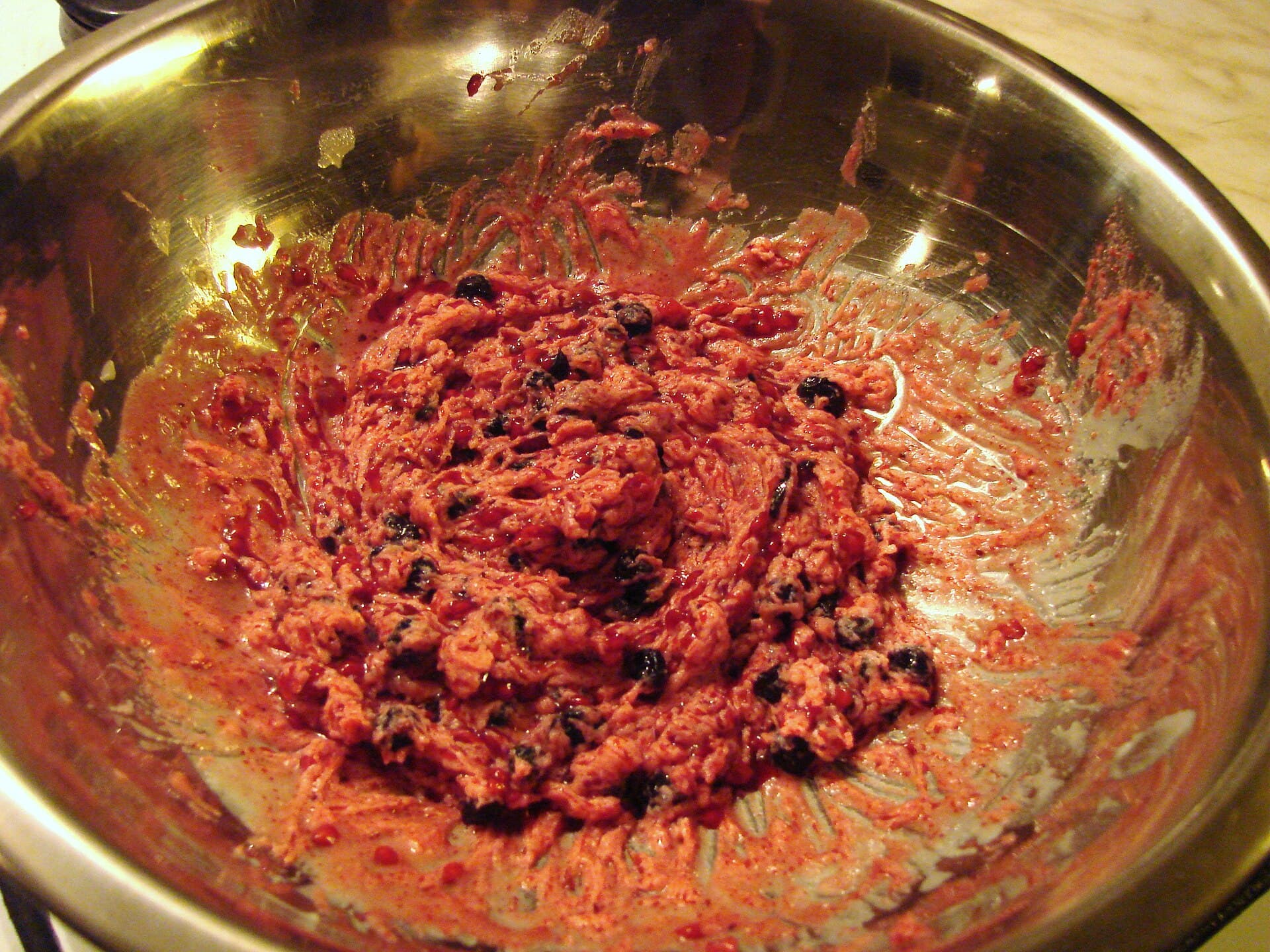
precontact-present
A researched archive entry for akutaq, a family- and region-specific Alaska Native mixed fat-and-berry dish often translated as Alaska Native ice cream.
America's Melting Pot
Alaska Grilled Whale Steak photo coming soon
precontact-present
This archive entry records grilled whale steak as part of Alaska Native subsistence food history, with a clear note that lawful access is governed by cultural rights, conservation rules, and marine mammal law.
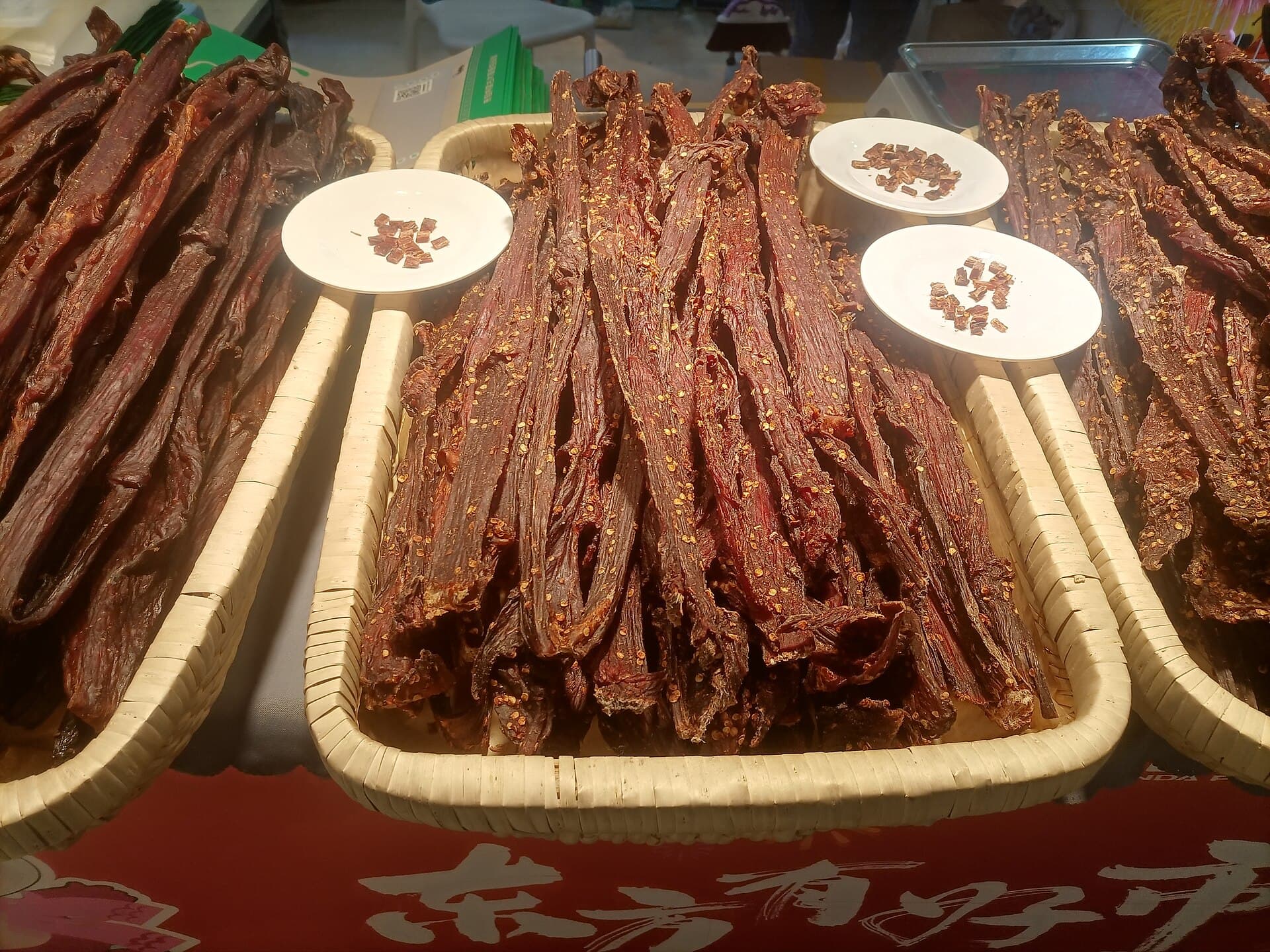
precontact-present
Jerky is preservation food before it is snack food. Indigenous drying traditions, pemmican, pioneer travel, soldiers, cowboys, and later road-trip convenience all helped make dried meat part of American food culture.
Same region
America's Melting Pot
Smoked Salmon photo coming soon
precontact-present
Smoked salmon is a time-honored food of Alaska, where indigenous and local peoples have long used smoking as a preservation method. This recipe showcases classic methods combining curing with cold and hot smoking techniques that impart rich flavor and increased shelf life, integral to Alaskan regional identity.
America's Melting Pot
Acai Bowl Smoothie Base photo coming soon
1970s-present
Acai Bowl Smoothie Base brings juice-bar color and American smoothie-counter energy to the glass: California/Hawaii/fitness culture.
America's Melting Pot
Air Fryer Salmon photo coming soon
2010-2026
Salmon fillets seasoned simply and air-fried until browned outside and flaky within.
Same table
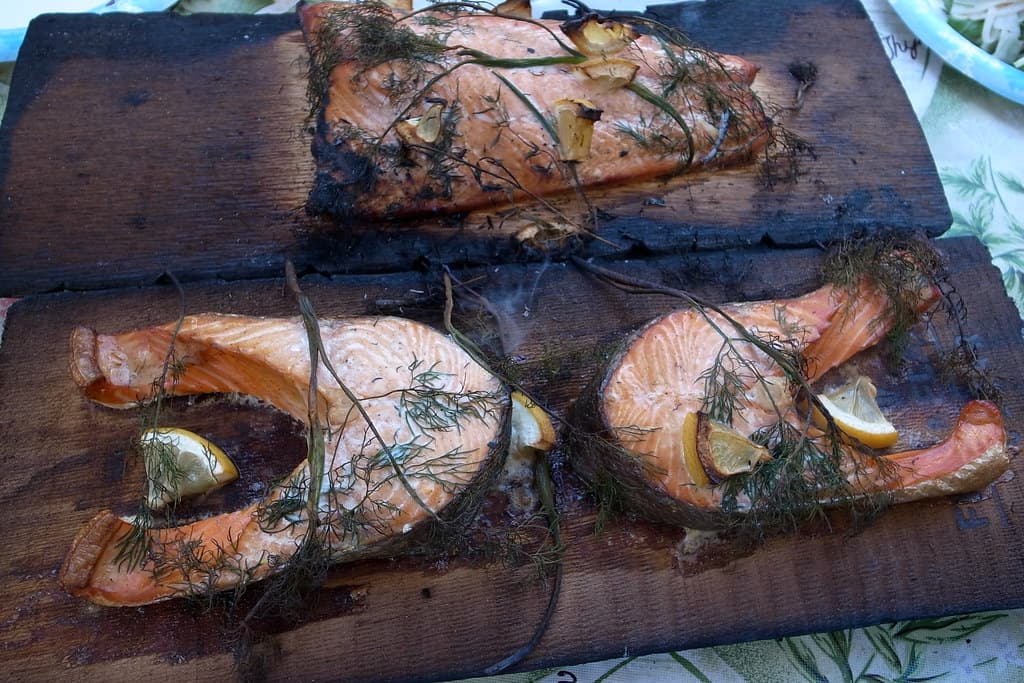
1800-1860
This preparation method involves roasting whole salmon on cedar boards, a traditional Indigenous American technique practiced in the Pacific Northwest prior to widespread European settlement. The method imparts smoky aroma and tender texture, reflecting sustainable harvesting and cooking practices.
1800s-present
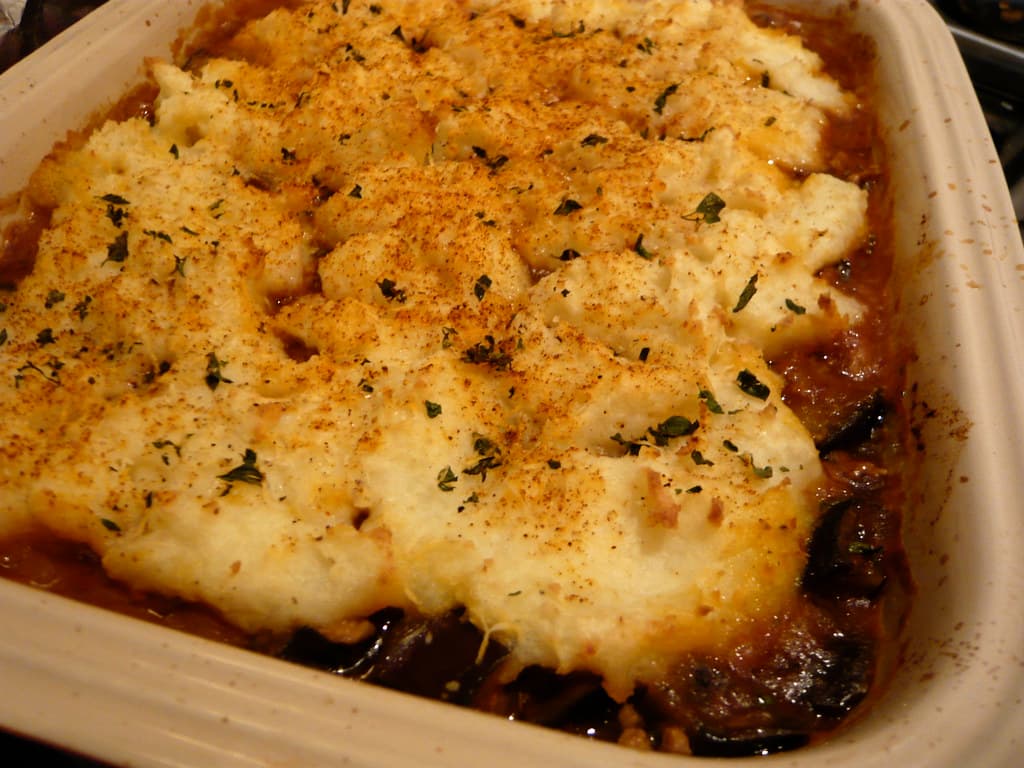
Shepherd's Pie is a savory casserole of seasoned ground meat topped with mashed potatoes, baked to golden perfection. Brought to the U.S. by Irish immigrants, it became a family favorite in many American households during the 19th century.
America's Melting Pot
Smoked Salmon photo coming soon
precontact-present
Smoked salmon is a time-honored food of Alaska, where indigenous and local peoples have long used smoking as a preservation method. This recipe showcases classic methods combining curing with cold and hot smoking techniques that impart rich flavor and increased shelf life, integral to Alaskan regional identity.