
Recipe archive
Loading
Setting the table...
Fetching the latest recipes from the archive.
Loading
Fetching the latest recipes from the archive.
Recipe archive
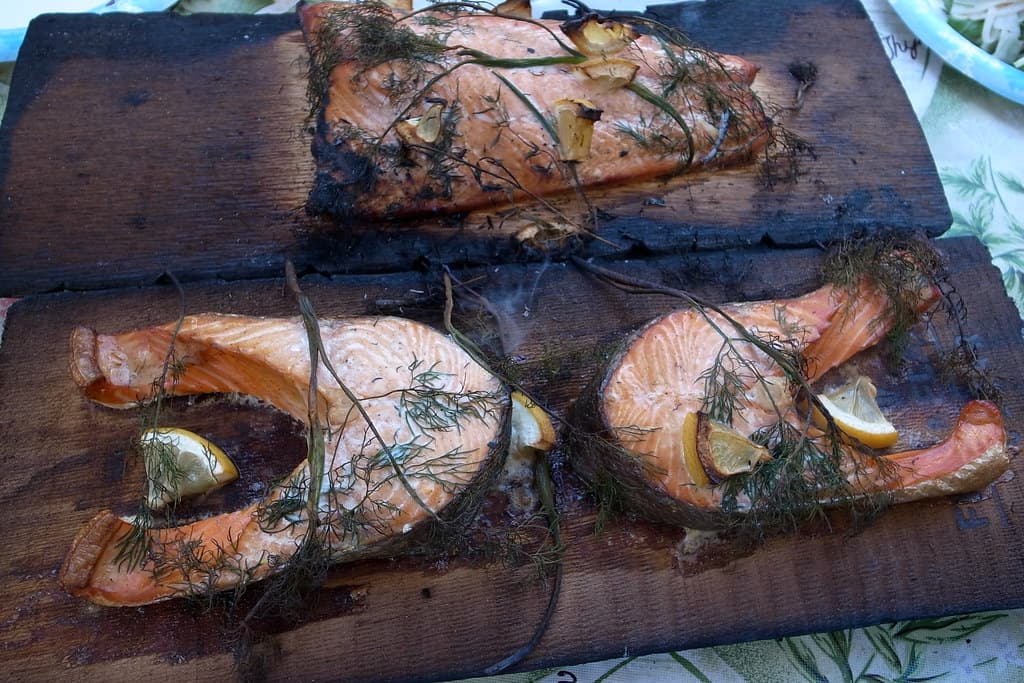
1800-1860 - Indigenous American communities of the Pacific Northwest
This preparation method involves roasting whole salmon on cedar boards, a traditional Indigenous American technique practiced in the Pacific Northwest prior to widespread European settlement. The method imparts smoky aroma and tender texture, reflecting sustainable harvesting and cooking practices.
Community-powered photos. Reviewers can upload dish photos, and the highest-rated community image may be featured here.
Difficulty
Hard
Prep time
30 minutes plus soaking plank
Cook time
1 hour
Total time
1 hour 30 minutes plus soaking
Servings
6
Region
Pacific Northwest
Era introduced
1800-1860
Introduced by
Indigenous American communities of the Pacific Northwest
Recipe tools
Log in to save this recipe to a collection.
Salmon roasted on cedar is a longstanding cooking tradition of Indigenous peoples of the Pacific Northwest, predating the United States and reflecting deep connections to land and water. Salmon is placed whole on cedar boards and roasted over wood fires, imparting natural smoky flavors and a unique texture. This cooking method is central to cultural ceremonies and communal feasts, symbolizing respect for salmon as a vital resource.
Share family changes, regional twists, or pantry-friendly adaptations as full community recipes.
Log in to submit a community recipe.
No community recipes yet. Submitted recipes are published right away.
Rate this recipe and share how it worked at your table.
Log in to review this recipe.
No reviews yet. Be the first to rate this recipe.
Recipes matched by era, region, occasion, ingredients, and cultural roots from the archive.
Same era
America's Melting Pot
Acorn Bread photo coming soon
1800-1860
A nutty, lightly sweet quick bread made with properly leached acorn flour, cornmeal, and wheat flour.
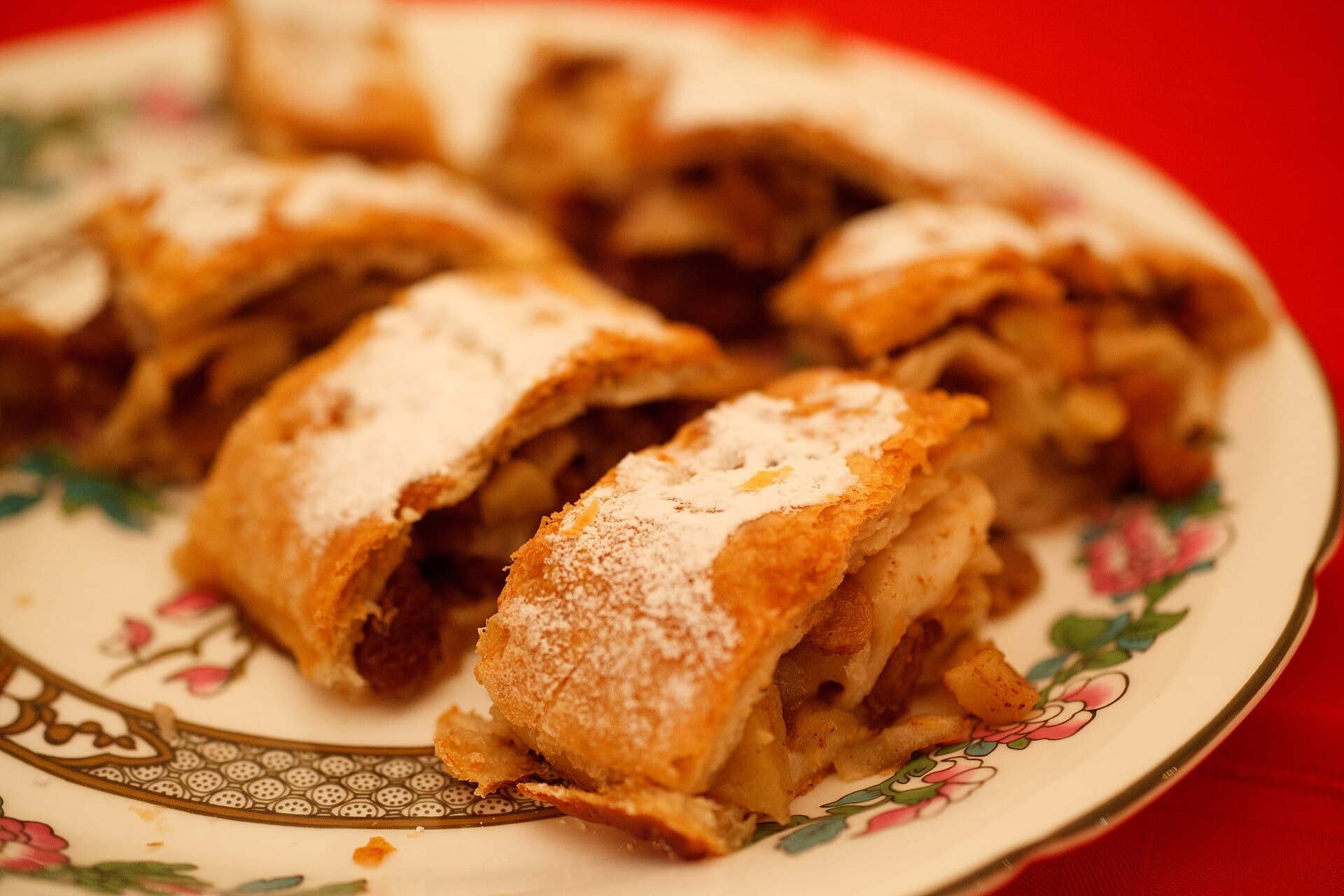
1800-1860
A German-American apple strudel made with crisp apples, raisins, cinnamon, buttered crumbs, and flaky phyllo for a practical home version of a Central European pastry.
America's Melting Pot
Asparagus photo coming soon
1800s/early 1900s-present
A bright American Easter asparagus side, quickly cooked and dressed with lemon butter, herbs, and hard-cooked egg in the spirit of old spring-table recipes.
Same region
America's Melting Pot
Blended Mocha photo coming soon
1990s-present
Blended Mocha blends coffeehouse America with milkshake-style fun: Coffeehouse milkshake cousin.
America's Melting Pot
Blended Vanilla Coffee photo coming soon
1990s-present
Blended Vanilla Coffee blends coffeehouse America with milkshake-style fun: Mall coffee drink.
America's Melting Pot
Caramel Blended Coffee photo coming soon
1990s-present
Caramel Blended Coffee blends coffeehouse America with milkshake-style fun: 1990s-2000s coffee-chain staple.
Same table
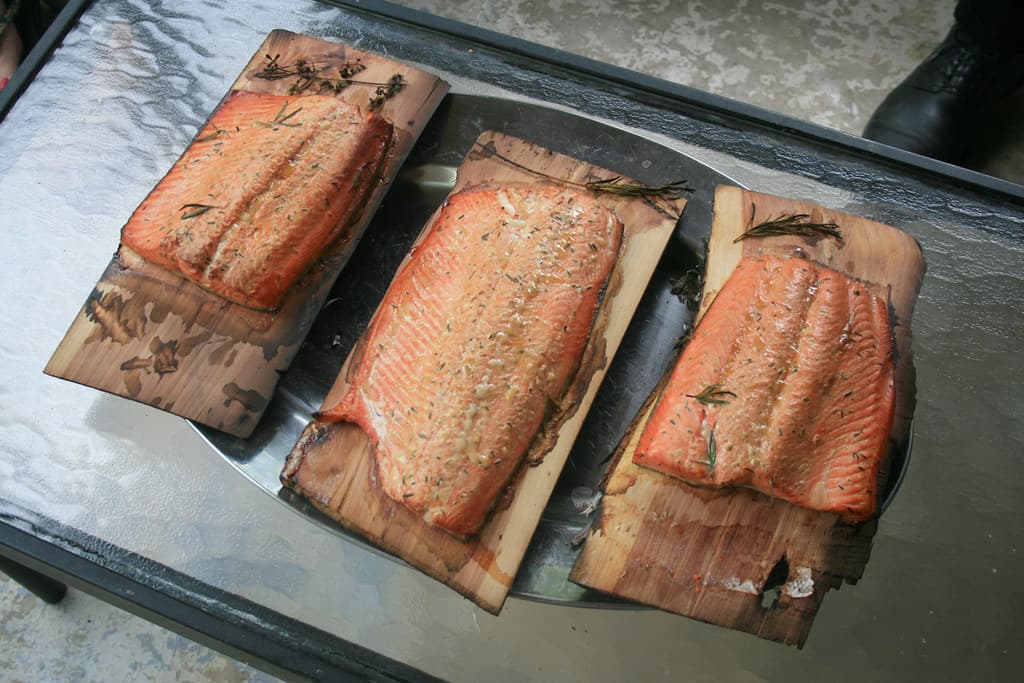
precontact-present
This dish features salmon fillets cooked on cedar planks to infuse smoky, aromatic flavors typical in Pacific Northwest Indigenous and settler culinary traditions. With minimal seasoning, the technique highlights the fish's natural flavor while respecting cultural methods.
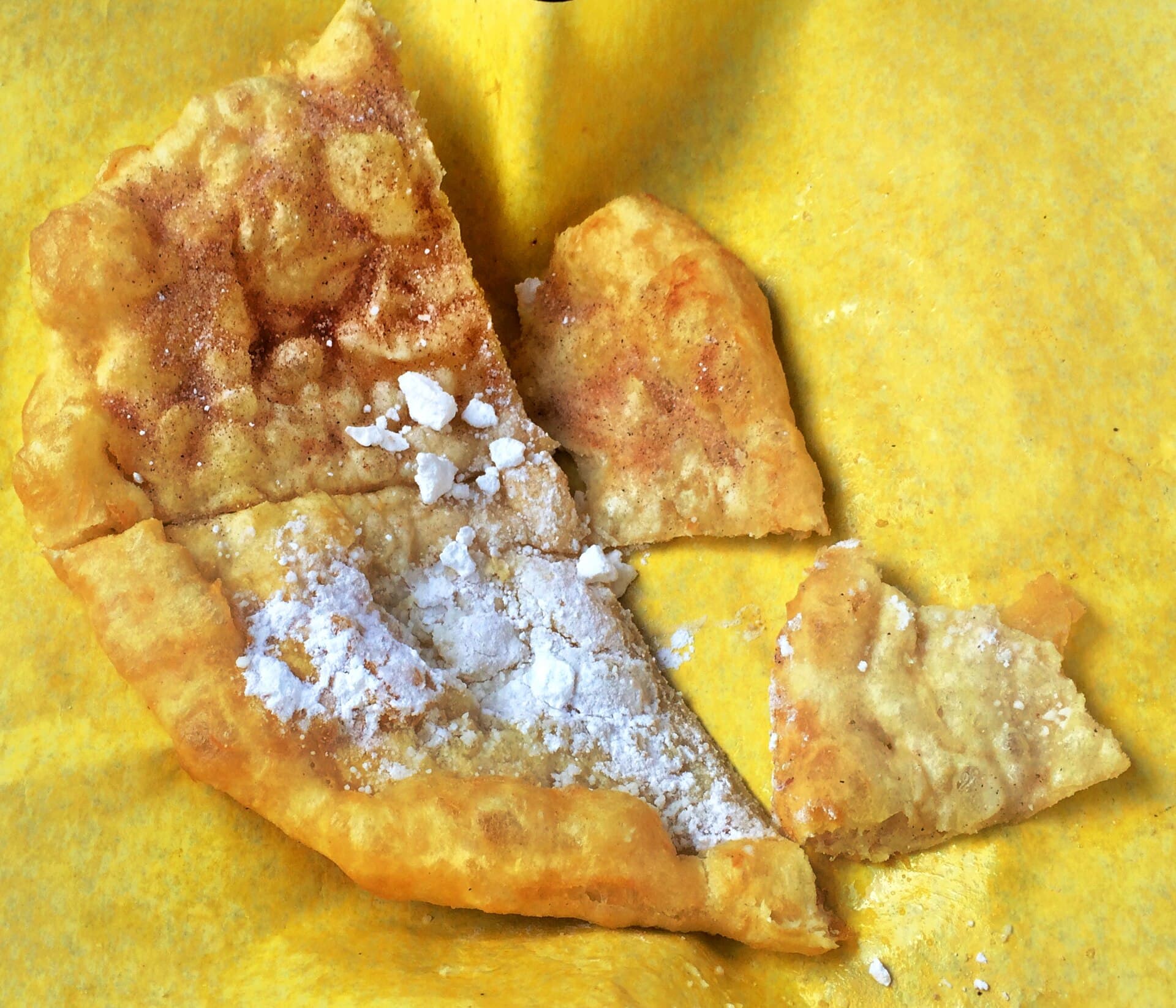
1800-1860
Fry bread is a soft, puffy fried bread with crispy edges, an iconic food in many Indigenous communities across the Great Plains and Alaska. Originating as a resourceful response to government-provided rations during the 19th century, fry bread today serves as both a staple and comfort food, featuring as a base for various toppings or eaten plain.
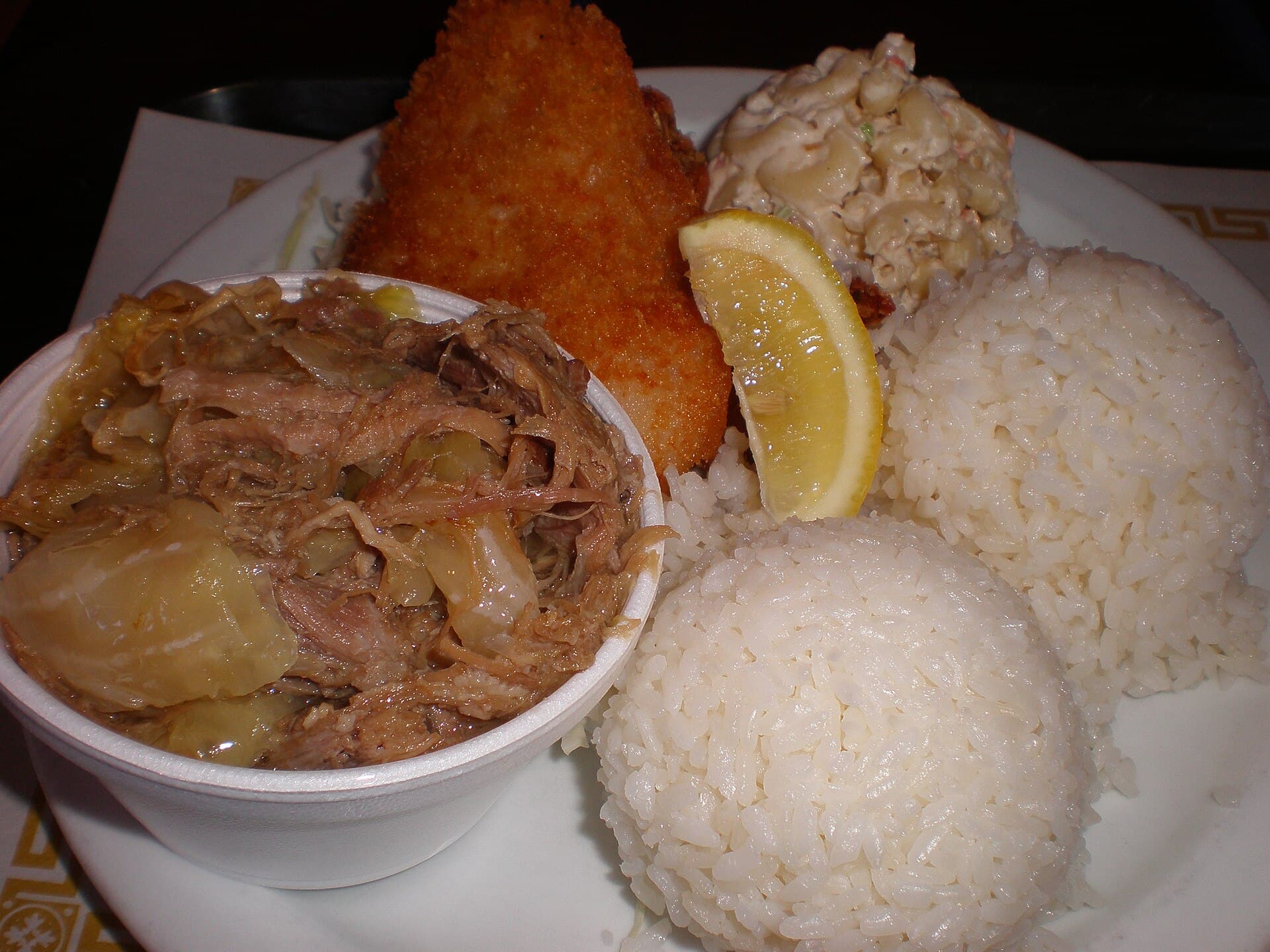
precontact-present
Kalua pork is a Hawaiian dish featuring whole pork shoulder or butt slow-cooked with liquid smoke or in an imu (underground oven) until tender and smoky. It blends indigenous Hawaiian cooking methods with influences from Asian and Portuguese immigrants, becoming a centerpiece of Hawaiian luaus and celebrations.