
Recipe archive
Loading
Setting the table...
Fetching the latest recipes from the archive.
Loading
Fetching the latest recipes from the archive.
Recipe archive
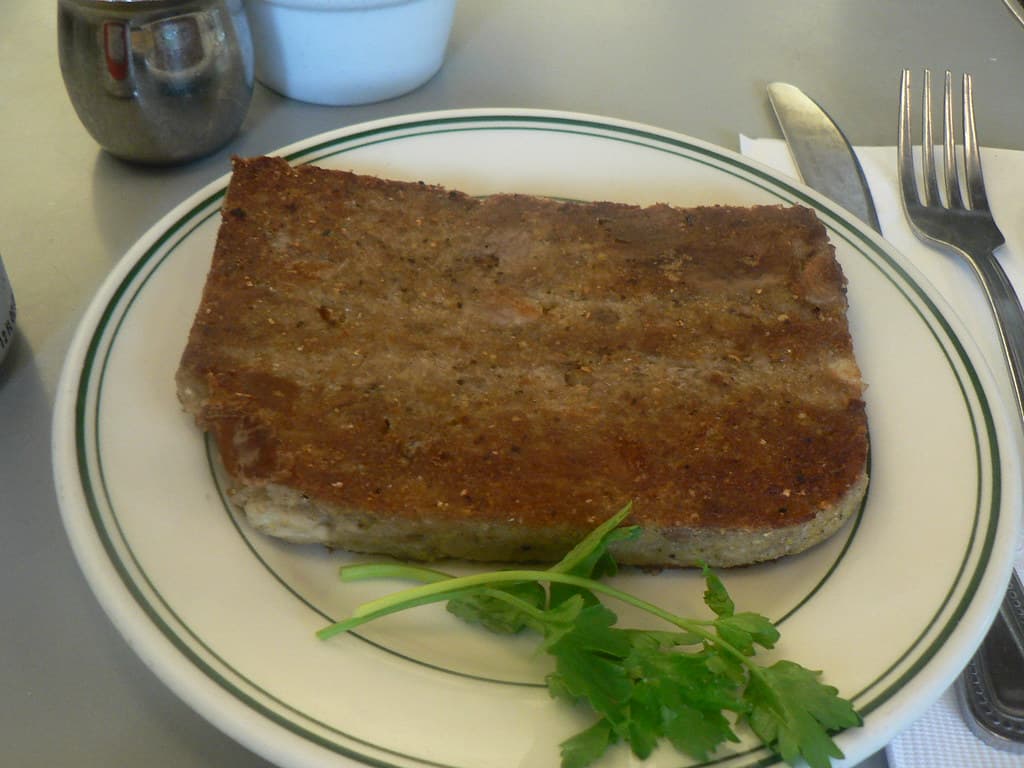
1800-1860 - Pennsylvania Dutch and Mid-Atlantic American home cooks
Scrapple is a pork-based mush combined with cornmeal and spices, formed into a loaf, cooled, sliced, and fried. Introduced in America during the early 19th century, it became a breakfast staple mainly in Pennsylvania, Delaware, Maryland, and parts of New England, rooted in resourceful colonial cuisine.
Community-powered photos. Reviewers can upload dish photos, and the highest-rated community image may be featured here.
Difficulty
Medium
Prep time
30 minutes plus chilling
Cook time
10 minutes frying
Total time
40 minutes plus chilling
Servings
6
Region
New England, Mid-Atlantic
Era introduced
1800-1860
Introduced by
Pennsylvania Dutch and Mid-Atlantic American home cooks
Recipe tools
Log in to save this recipe to a collection.
Scrapple originated with early European settlers and Pennsylvania Dutch communities in the 18th and 19th centuries, making use of pork scraps combined with cornmeal and spices. It provided a filling and economical breakfast option through its transformation into a loaf and fried slices. Scrapple's presence in New England and the Mid-Atlantic states marks the adaptation of colonial ingenuity into enduring regional comfort food traditions.
Share family changes, regional twists, or pantry-friendly adaptations as full community recipes.
Log in to submit a community recipe.
No community recipes yet. Submitted recipes are published right away.
Rate this recipe and share how it worked at your table.
Log in to review this recipe.
No reviews yet. Be the first to rate this recipe.
Recipes matched by era, region, occasion, ingredients, and cultural roots from the archive.
Same era
America's Melting Pot
Acorn Bread photo coming soon
1800-1860
A nutty, lightly sweet quick bread made with properly leached acorn flour, cornmeal, and wheat flour.
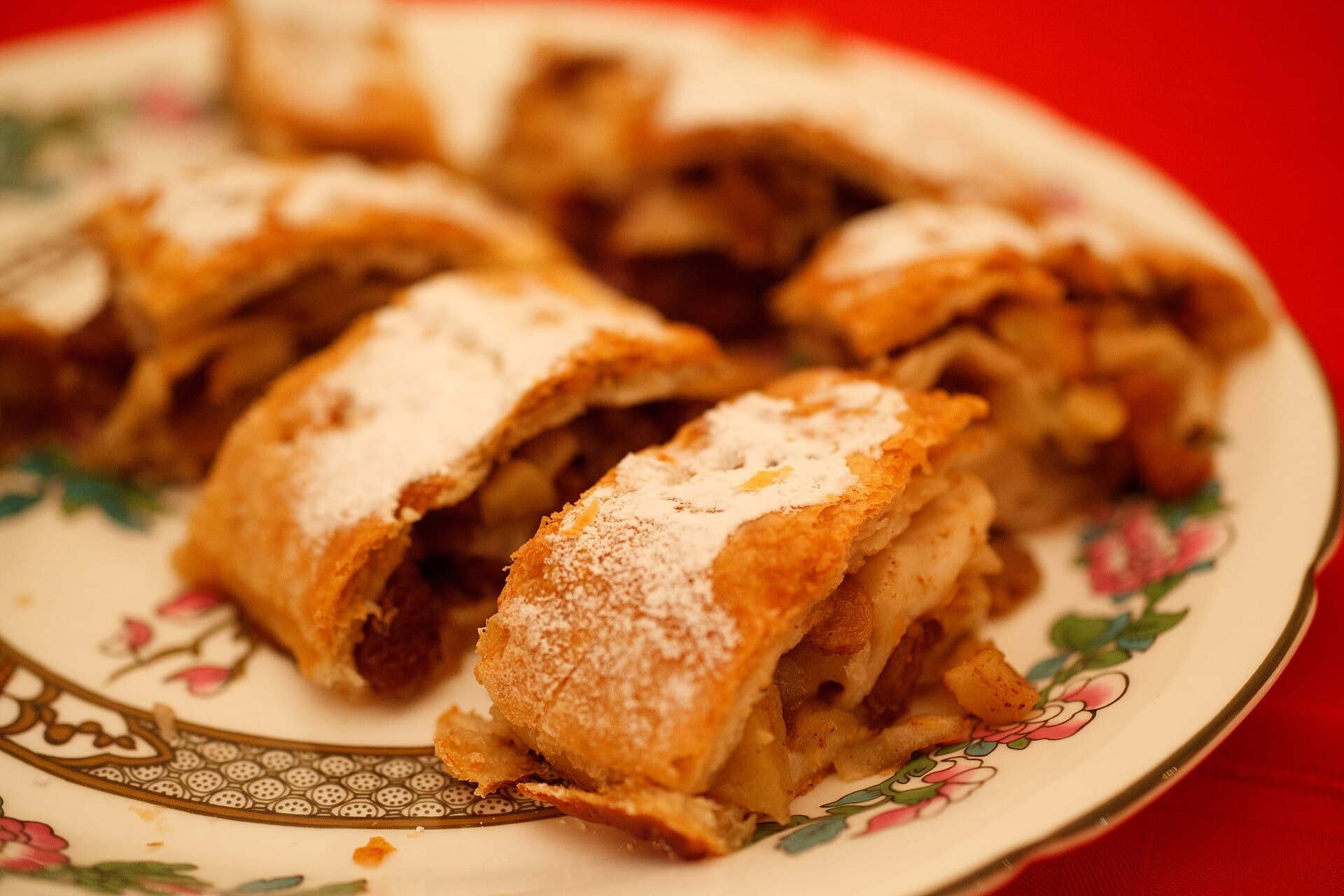
1800-1860
A German-American apple strudel made with crisp apples, raisins, cinnamon, buttered crumbs, and flaky phyllo for a practical home version of a Central European pastry.
America's Melting Pot
Asparagus photo coming soon
1800s/early 1900s-present
A bright American Easter asparagus side, quickly cooked and dressed with lemon butter, herbs, and hard-cooked egg in the spirit of old spring-table recipes.
Same region
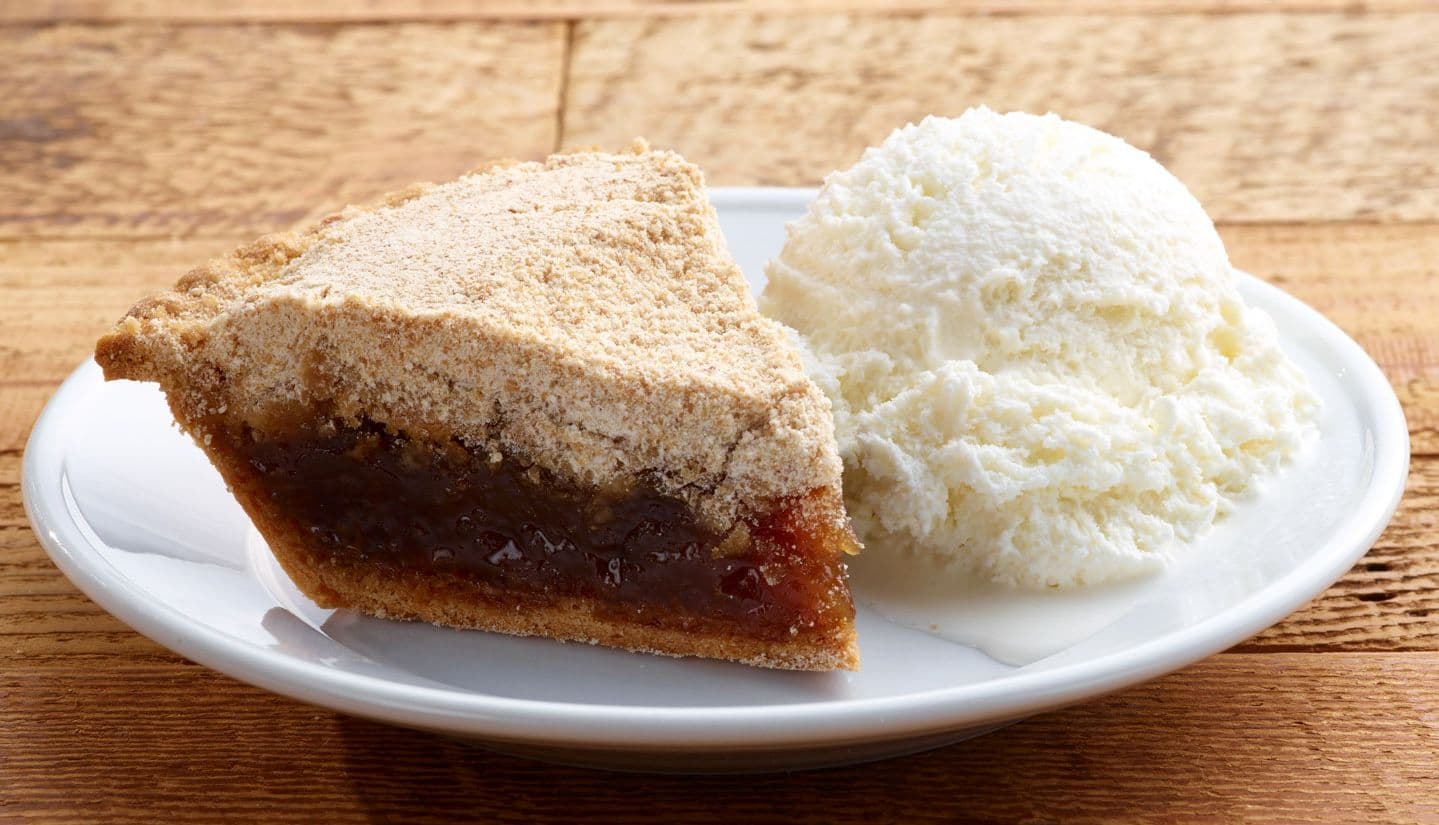
1800-1860
Shoofly Pie is a molasses-sweetened pie with a crumb topping, historically popular in Pennsylvania Dutch and Mid-Atlantic communities. Its rich, sticky filling reflects early American sweetening traditions and regional preferences.
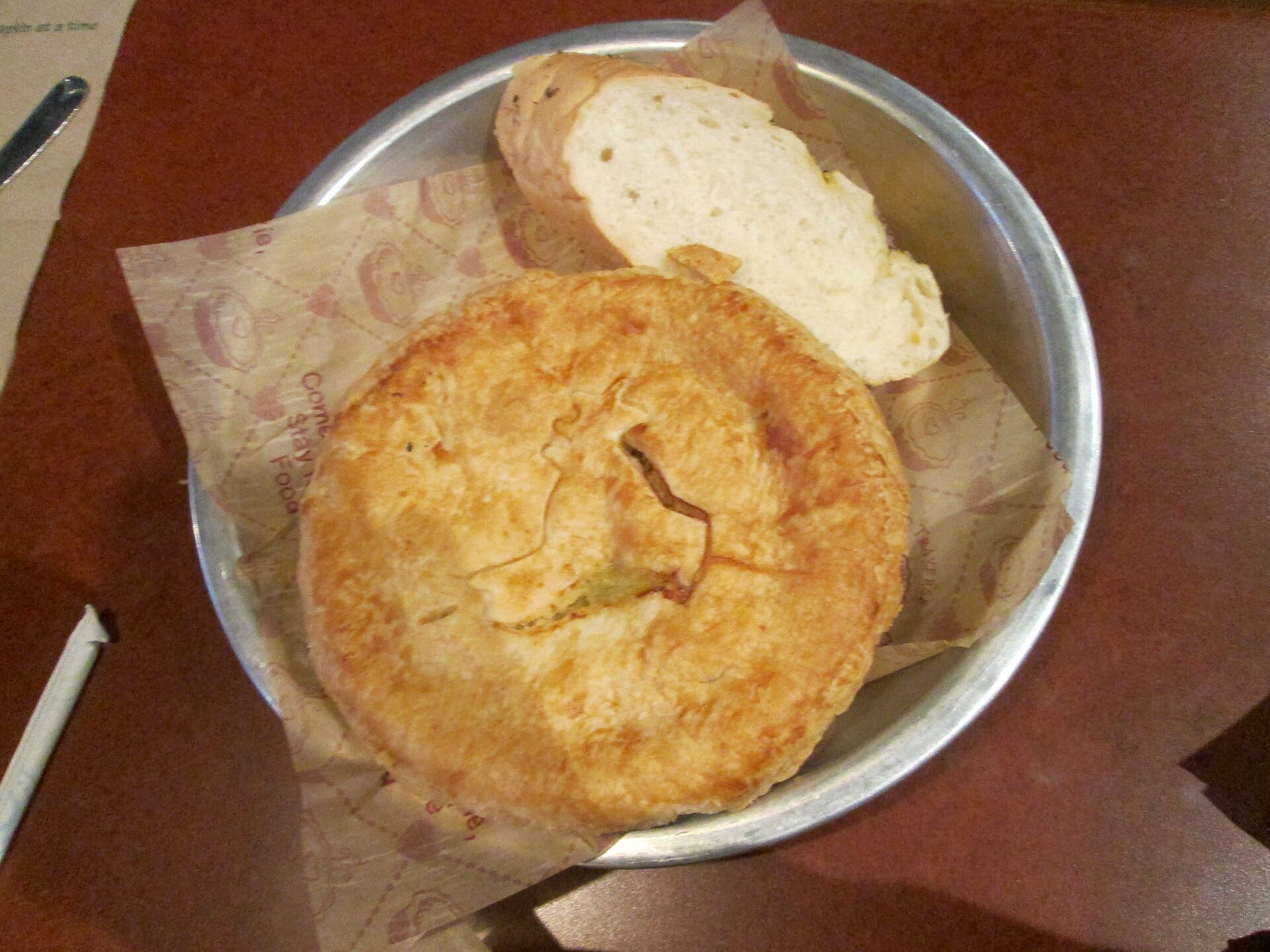
1800-1860
Chicken Pot Pie is a savory dish of chicken and vegetables enveloped in a flaky pastry crust. Emerging in New England and the Mid-Atlantic between 1800 and 1860, it provided a filling meal emphasizing local ingredients and baking traditions, symbolizing comfort food during early American settlement and immigration periods.
America's Melting Pot
Pepper Pot Soup photo coming soon
1800-1860
Pepper Pot Soup is a thick, flavorful stew with a peppery kick, traditionally made with beef tripe or other meats, vegetables, and spices. Popular in New England and the Mid-Atlantic during the early 19th century, it reflects immigrant and regional culinary influences.
Same table
America's Melting Pot
Fried Mush photo coming soon
1930-1945
Fried mush is a simple comfort food made from cooled cornmeal mush sliced and fried until crisp. Popular in Depression-era America, it reflects economical and filling farm and rural cooking traditions.
America's Melting Pot
Scrapple and Eggs photo coming soon
1700s-present
Scrapple and Eggs is a beloved breakfast combination in Mid-Atlantic American cuisine, featuring pan-fried slices of scrapple served alongside eggs cooked to preference. This simple, hearty meal draws from colonial and Pennsylvania Dutch traditions, providing a savory start to the day.
America's Melting Pot
Boston Brown Bread photo coming soon
1700-2026
Boston brown bread is the dark, tender partner to baked beans. Colonial New England cooks used mixed grains, cornmeal, and molasses, then steamed the batter because the bread had little gluten and home ovens were not always reliable.