
Recipe archive
Loading
Setting the table...
Fetching the latest recipes from the archive.
Loading
Fetching the latest recipes from the archive.
Recipe archive
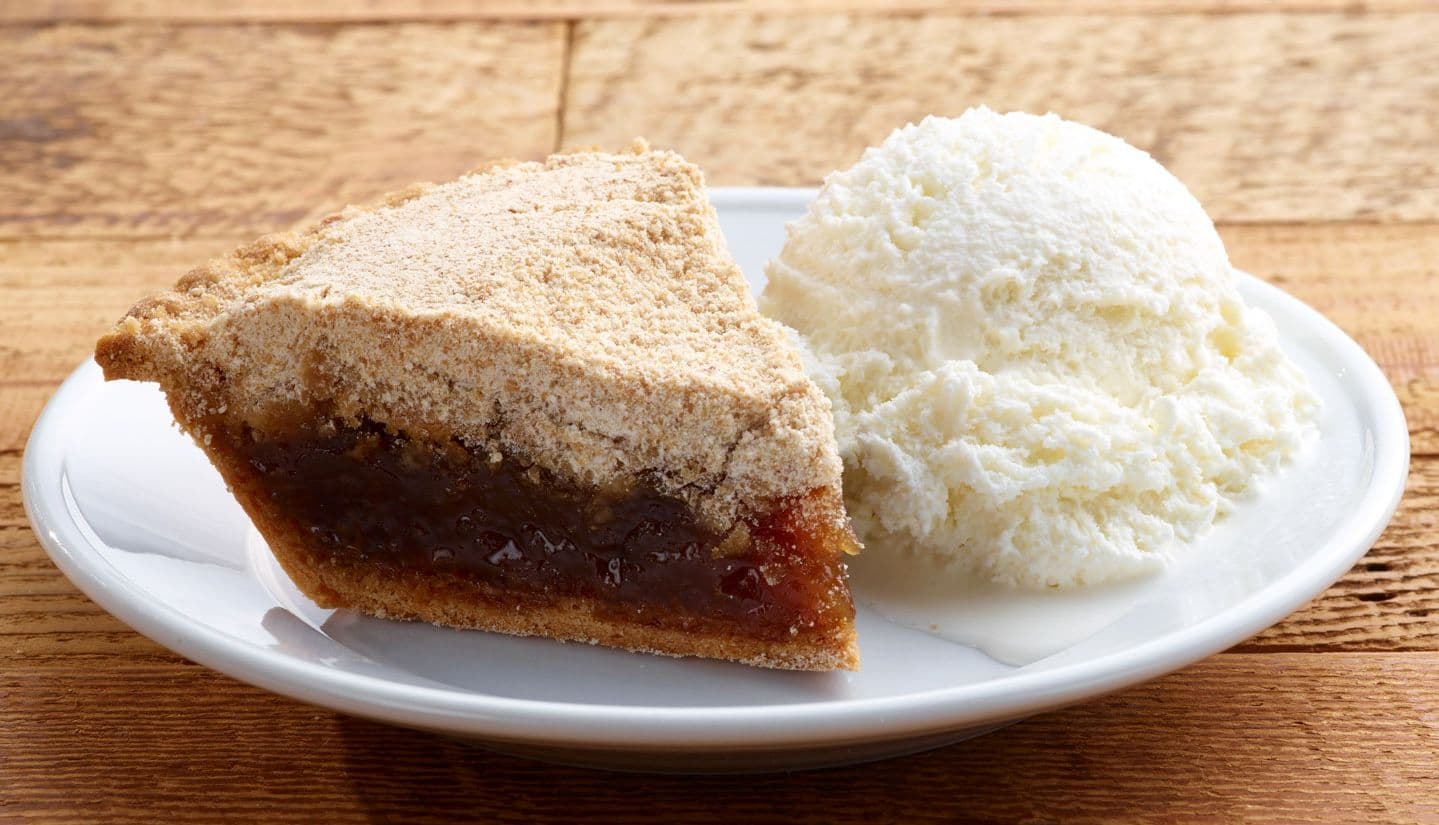
1800-1860 - Pennsylvania Dutch communities and Mid-Atlantic home bakers.
Shoofly Pie is a molasses-sweetened pie with a crumb topping, historically popular in Pennsylvania Dutch and Mid-Atlantic communities. Its rich, sticky filling reflects early American sweetening traditions and regional preferences.
Community-powered photos. Reviewers can upload dish photos, and the highest-rated community image may be featured here.
Difficulty
Medium
Prep time
20 minutes
Cook time
45 minutes
Total time
1 hour 5 minutes
Servings
8 servings
Region
New England, Mid-Atlantic
Era introduced
1800-1860
Introduced by
Pennsylvania Dutch communities and Mid-Atlantic home bakers.
Recipe tools
Log in to save this recipe to a collection.
Shoofly Pie traces its origins to Pennsylvania Dutch settlers and became a sweet staple in New England and Mid-Atlantic households in the 19th century. Using readily available molasses as a sweetener, the pie offered an affordable indulgence during times when refined sugar was scarce or expensive. Its crumb topping and distinctive flavor made it a favorite dessert for holidays and gatherings, exemplifying the adaptation of European recipes with American ingredients.
Share family changes, regional twists, or pantry-friendly adaptations as full community recipes.
Log in to submit a community recipe.
No community recipes yet. Submitted recipes are published right away.
Rate this recipe and share how it worked at your table.
Log in to review this recipe.
No reviews yet. Be the first to rate this recipe.
Recipes matched by era, region, occasion, ingredients, and cultural roots from the archive.
Same era
America's Melting Pot
Acorn Bread photo coming soon
1800-1860
A nutty, lightly sweet quick bread made with properly leached acorn flour, cornmeal, and wheat flour.
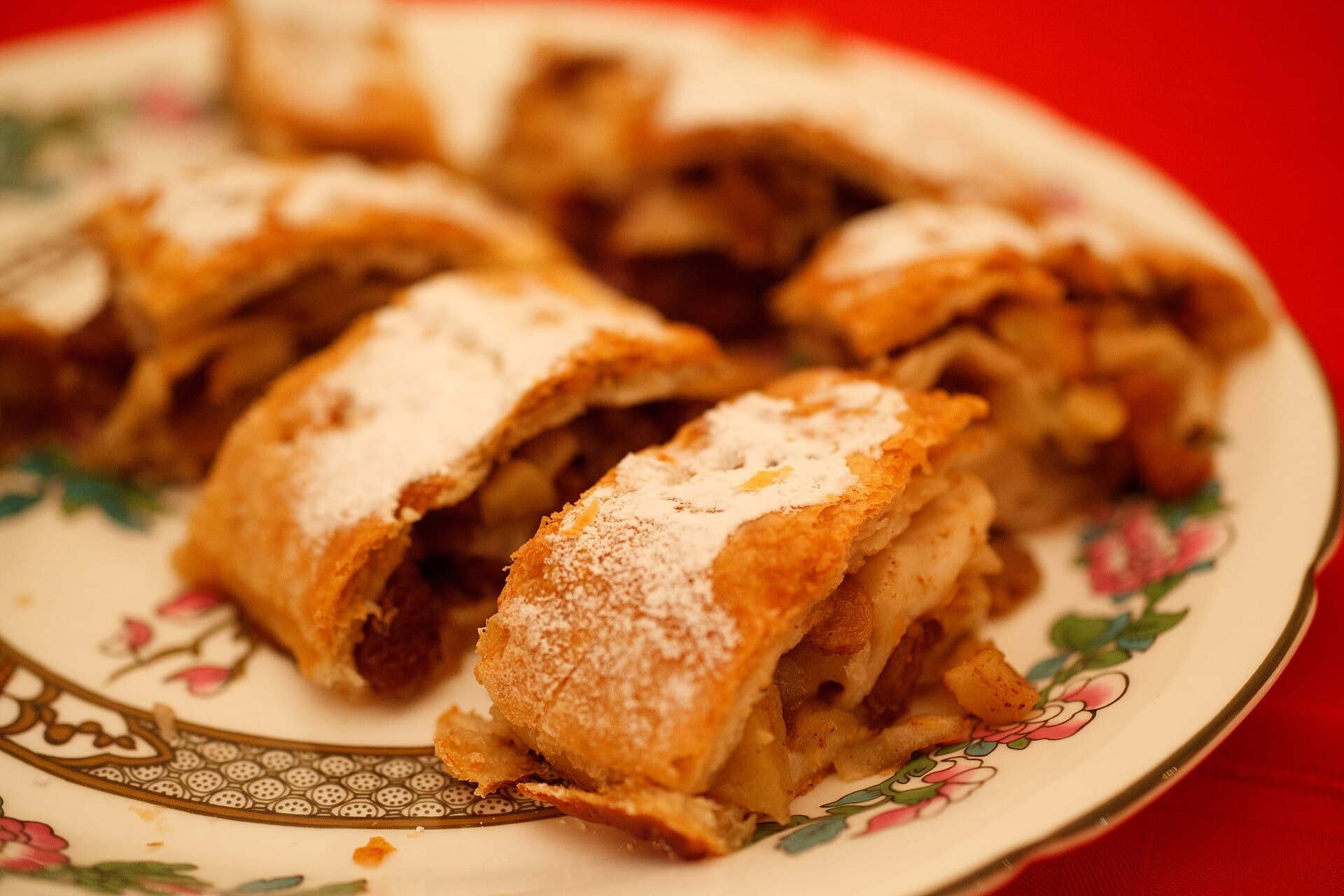
1800-1860
A German-American apple strudel made with crisp apples, raisins, cinnamon, buttered crumbs, and flaky phyllo for a practical home version of a Central European pastry.
America's Melting Pot
Asparagus photo coming soon
1800s/early 1900s-present
A bright American Easter asparagus side, quickly cooked and dressed with lemon butter, herbs, and hard-cooked egg in the spirit of old spring-table recipes.
Same region
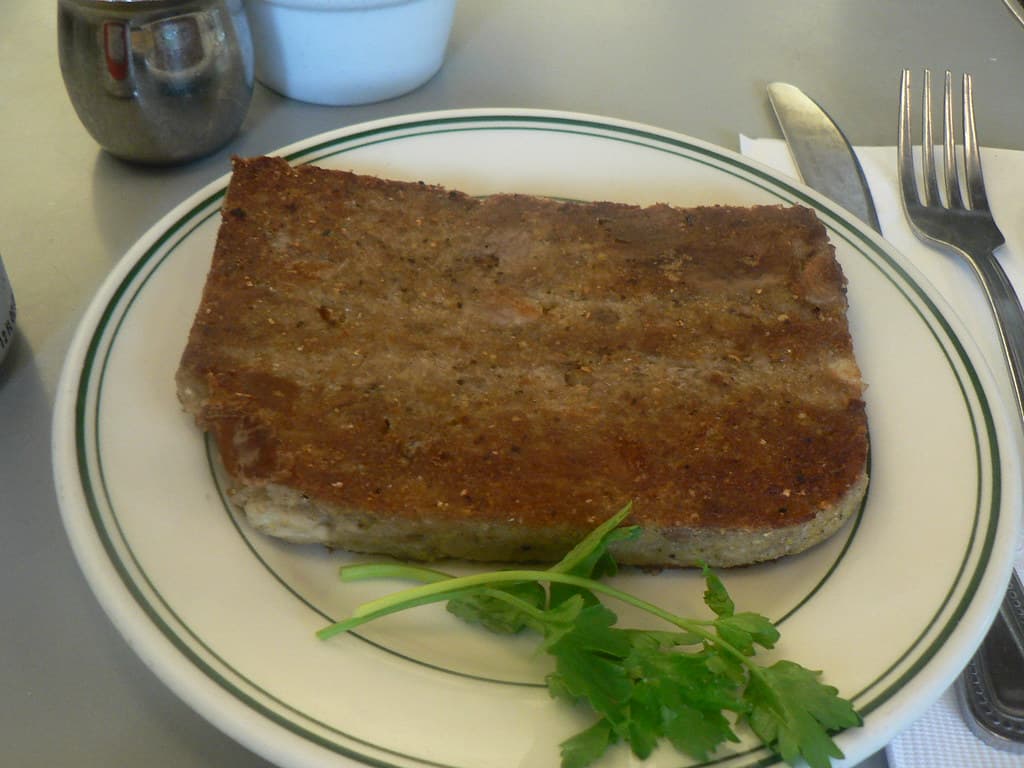
1800-1860
Scrapple is a pork-based mush combined with cornmeal and spices, formed into a loaf, cooled, sliced, and fried. Introduced in America during the early 19th century, it became a breakfast staple mainly in Pennsylvania, Delaware, Maryland, and parts of New England, rooted in resourceful colonial cuisine.
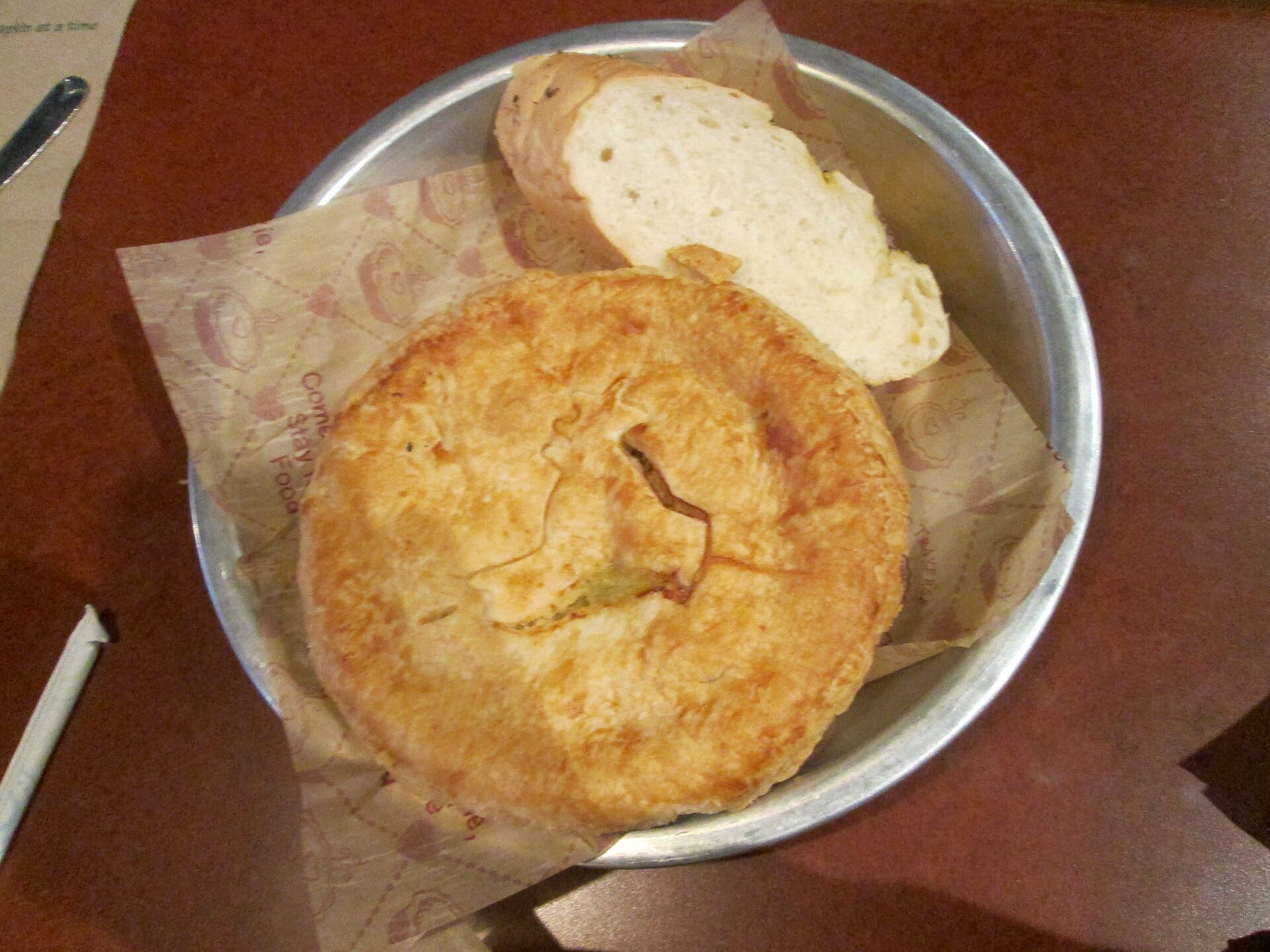
1800-1860
Chicken Pot Pie is a savory dish of chicken and vegetables enveloped in a flaky pastry crust. Emerging in New England and the Mid-Atlantic between 1800 and 1860, it provided a filling meal emphasizing local ingredients and baking traditions, symbolizing comfort food during early American settlement and immigration periods.
America's Melting Pot
Pepper Pot Soup photo coming soon
1800-1860
Pepper Pot Soup is a thick, flavorful stew with a peppery kick, traditionally made with beef tripe or other meats, vegetables, and spices. Popular in New England and the Mid-Atlantic during the early 19th century, it reflects immigrant and regional culinary influences.
Same table
America's Melting Pot
Molasses Pound Cake photo coming soon
1861-1900
Molasses Pound Cake is a rich, moist cake sweetened with molasses, characteristic of Southern American desserts during the Reconstruction era. The cake features traditional pound cake proportions with the addition of molasses and warm spices, reflecting the culinary adaptation to available and affordable sweeteners post-Civil War. It embodies Southern resilience and culinary identity in comfort baking.
America's Melting Pot
Shoofly Pie Ancestor photo coming soon
1776-1800
The Shoofly Pie Ancestor is an early version of the molasses crumb pie originating in the Mid-Atlantic region during the late 18th century. It features simple ingredients reflective of colonial foodways before industrialized sugar was widespread.
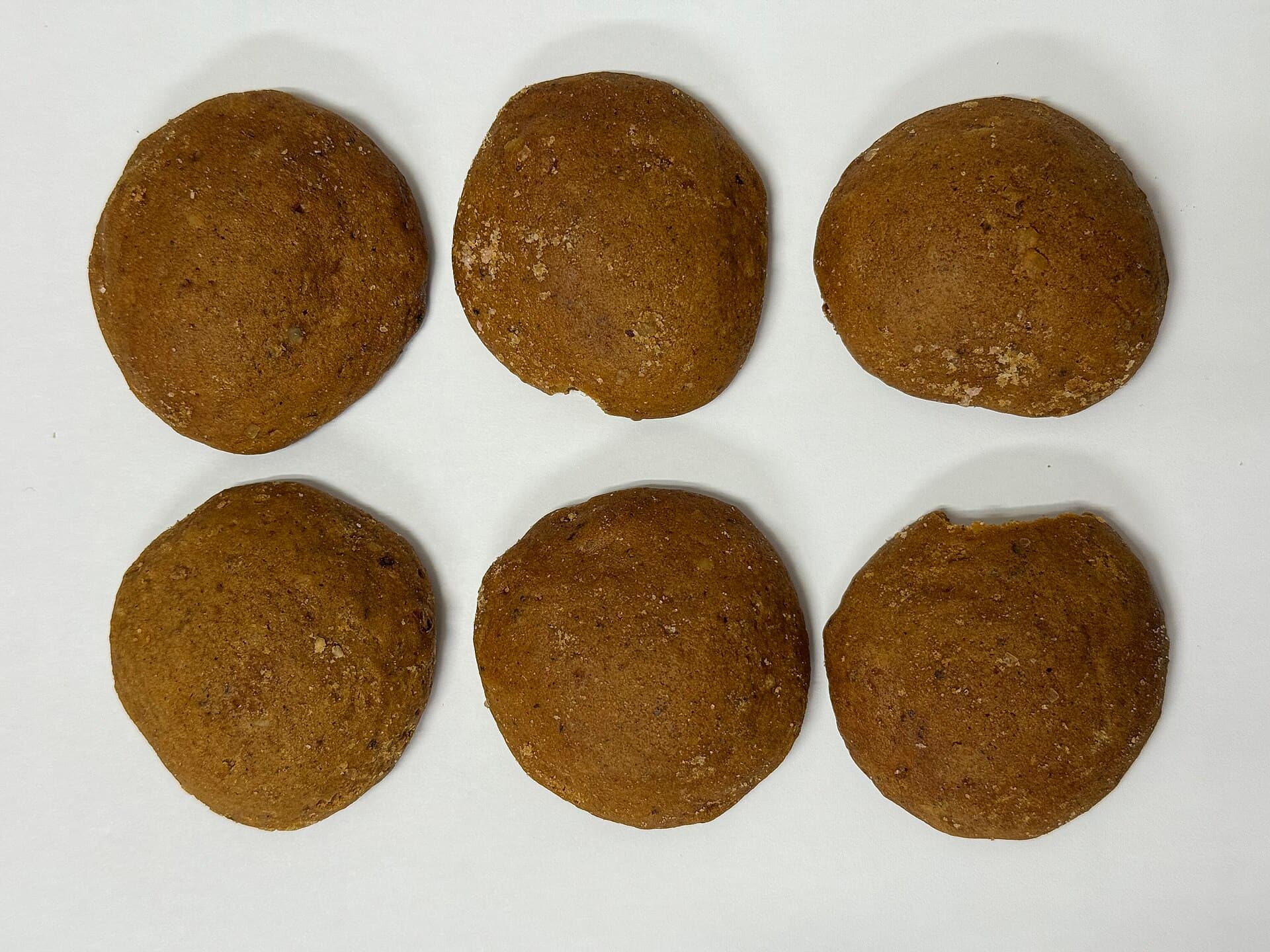
1776-1800
Molasses Cookies are chewy, spiced gingerbread-style cookies sweetened with rich molasses, reflecting early Appalachian and Revolutionary-era American baking traditions. These cookies were popular among settlers who used molasses as an affordable sweetener and incorporated warming spices for flavor. They became a staple of military rations and domestic kitchens during the Civil War era, offering comfort and energy.